

novatel’s Groundbreaking Test with Xona Space Systems
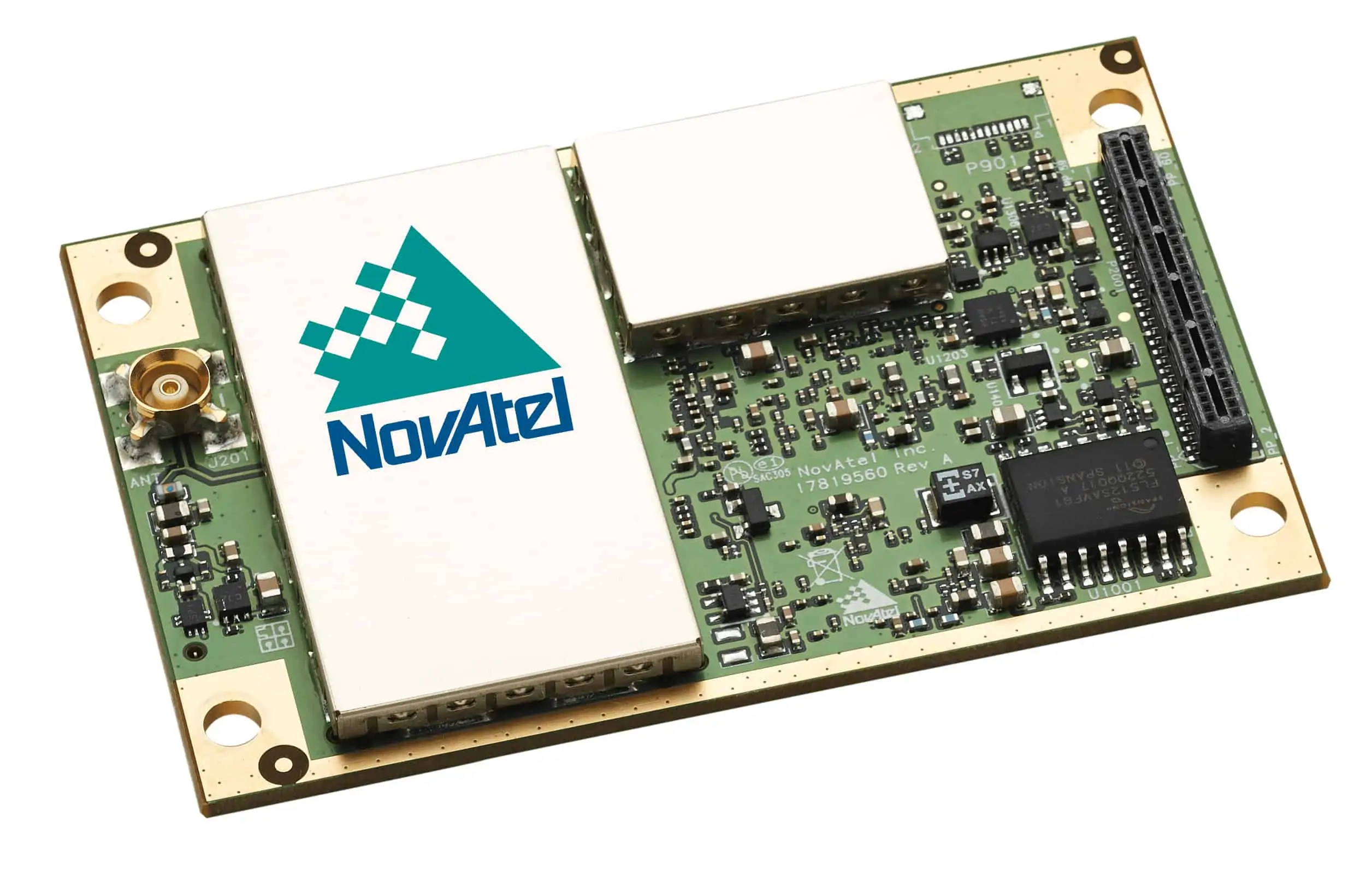
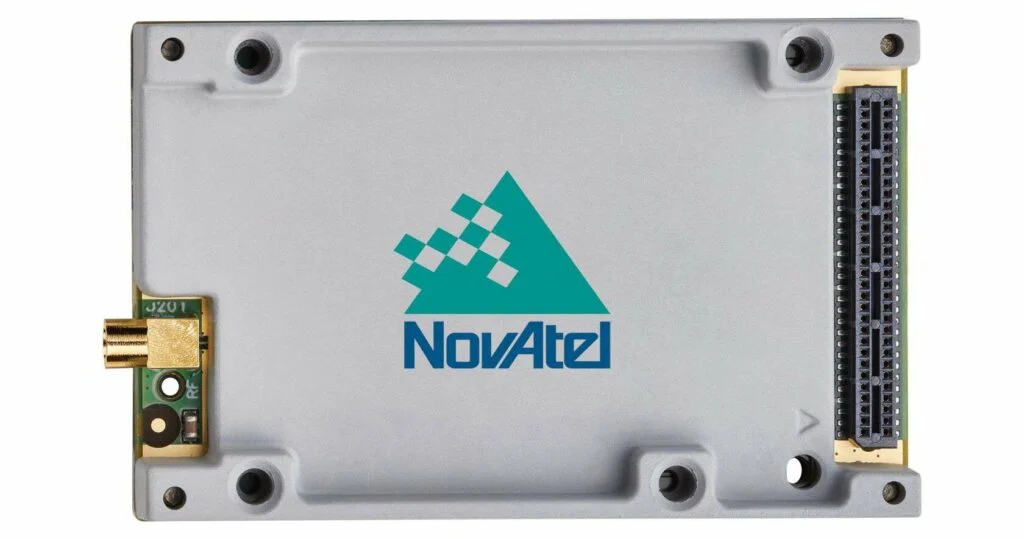
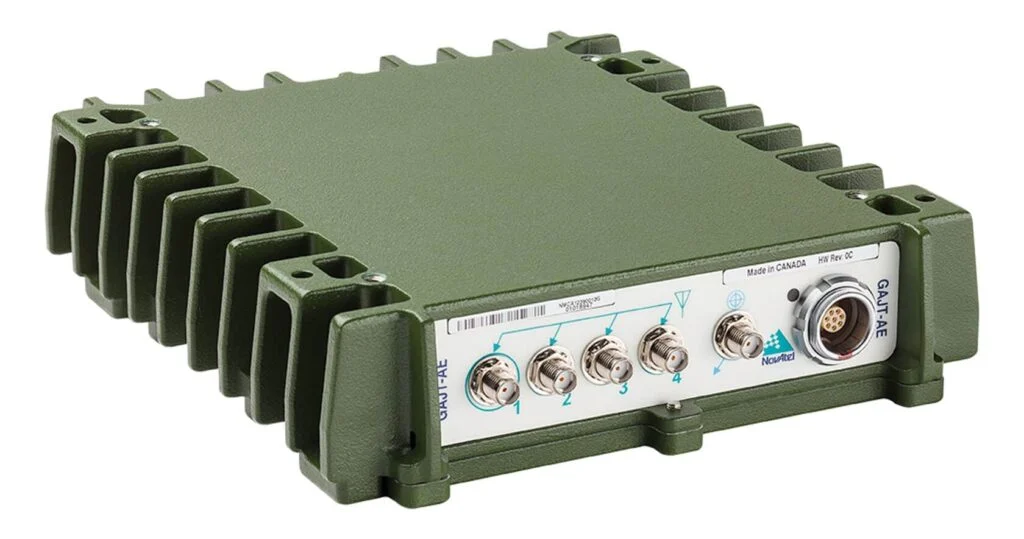
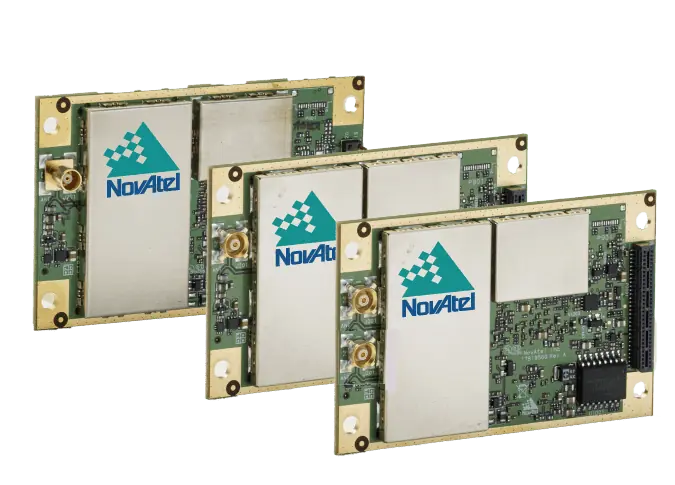
Hexagon’s NovAtel has successfully conducted a pivotal test showcasing its OEM7 GNSS receivers’ ability to track PULSAR signals from Xona Space Systems, utilizing a simulator from Spirent Communications.
Significance of the Test
This achievement indicates that NovAtel’s GNSS receivers can effectively track a simulated L-band signal that mirrors the PULSAR signal transmitted by Xona’s Low Earth Orbit (LEO) satellites. The integration of Xona’s LEO signals is set to enhance the resilience, security, and accuracy of Positioning, navigation, and Timing (PNT) systems.
Expert Insights
“By employing Spirent’s simulated PULSAR signal,we have validated our receiver’s capability to track the L-band signal intended for broadcast from Xona’s LEO satellites,” stated Sandy Kennedy,vice President of Innovation at Hexagon’s Autonomy & Positioning division.“The OEM7 platform is engineered for both resilience and adaptability, making it thrilling to explore this new signal type.”
Jan Ackermann, Director of Product Line management at Spirent Communications, remarked, “Kudos to NovAtel for reaching this meaningful milestone in alternative and resilient PNT solutions. Spirent’s adaptable architecture allowed for the swift integration of Xona signals into our PNT testing framework, resulting in a first-to-market offering. We are committed to collaborating with industry leaders like Hexagon and Xona to expedite the advancement and rollout of next-generation technologies.”
Future of PNT Innovation
“NovAtel has consistently been at the forefront of adopting new positioning technologies,” Kennedy added. “The potential of LEO satellite positioning presents exciting opportunities for innovation in PNT, especially in autonomous applications.”
NovAtel will co-present “Testing of LEO PNT for Resilience in GNSS Contested Environments” on thursday, June 15 at the ION Joint Navigation Conference (JNC).Learn more>