

Advancing Hydrogen-Electric Flight: A New Era with H3 Dynamics and hylium Industries
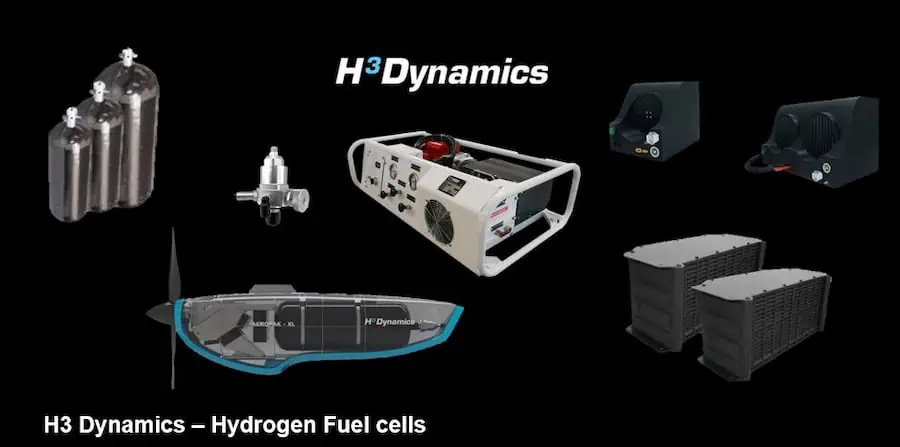
To enhance the efficiency of zero-emission hydrogen-electric aviation, H3 Dynamics is joining forces with Hylium Industries. This collaboration merges Hylium’s expertise in liquid hydrogen storage and liquefaction with H3 Dynamics’ innovative hydrogen-electric propulsion systems, lightweight fuel cells, and advanced drone refueling stations.
The Advantages of Liquid Hydrogen
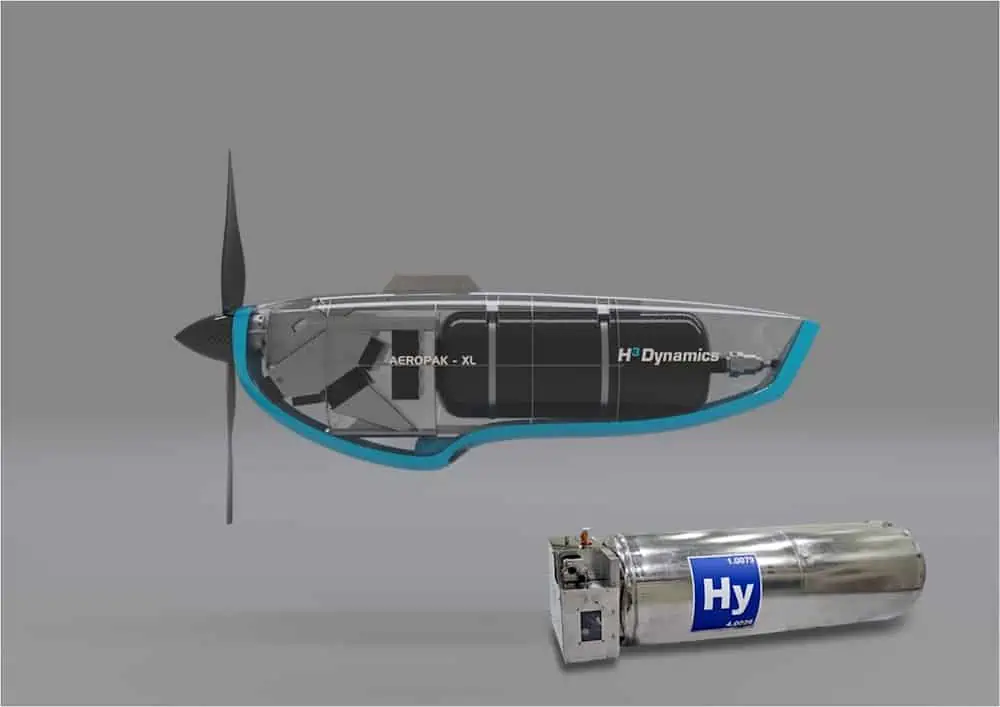
Transitioning to liquid hydrogen marks a pivotal advancement for small electric unmanned aerial vehicles (UAVs). As reported by the companies, cryogenic hydrogen can store three times the energy of compressed gas within the same volume. This capability allows delivery drones to extend their range significantly,while mapping and intelligence,surveillance,and reconnaissance (ISR) missions can be conducted on a much larger scale.
Expert insights
“By integrating our top-tier solutions, we are pushing the boundaries of low-altitude electric flight performance,” stated Taras wankewycz, CEO of H3 Dynamics. “We are excited to collaborate with Hylium to elevate hydrogen-electric propulsion to unprecedented heights.”
Expanding Flight Durations
H3 Dynamics’ diverse range of hydrogen-powered drones—including airships, multi-rotors, and vertical take-off and landing (VTOL) aircraft—now have the potential to triple their flight durations compared to pressurized hydrogen systems, and achieve tenfold improvements over traditional battery systems.
innovative Refueling Solutions
In addition, H3 Dynamics has unveiled its first mobile hydrogen production and automated refueling station designed for UAV operations. Dubbed H2FIELD, this station generates hydrogen from water and supplies compressed hydrogen gas tanks with minimal human intervention, requiring no specialized knowledge in hydrogen technology. The partnership with Hylium aims to enhance this station to accommodate liquid hydrogen refueling.
Aiming for New Heights
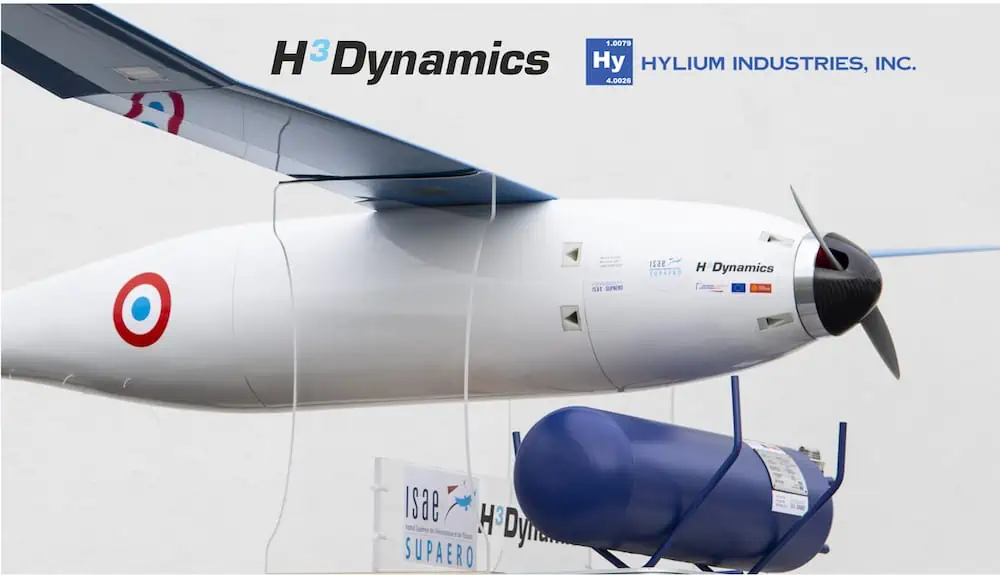
The technologies from Hylium and H3 Dynamics are currently being integrated for an ambitious project to cross the South Atlantic, covering a distance of 3,300 kilometers.this initiative is spearheaded by ISAE SUPAERO Toulouse, a prestigious aerospace engineering institution. H3 Dynamics has engineered a specialized fuselage capable of housing a compact liquid hydrogen tank while effectively managing the thermal dynamics of the propulsion systems.
Future Developments in Propulsion
The implementation of liquid hydrogen technology is a crucial step in H3 Dynamics’ roadmap for hydrogen-electric propulsion nacelles. A twin-engine cargo drone,powered by these innovative nacelles,successfully took flight in Paris during the summer of 2022,utilizing two compressed hydrogen tanks—one in each nacelle. The next objective is to replace these with liquid hydrogen tanks, which offer a lighter design and greater fuel capacity.