

Helicopters encounter considerable control difficulties due to their natural instability,rendering manual piloting highly challenging or nearly impractical.
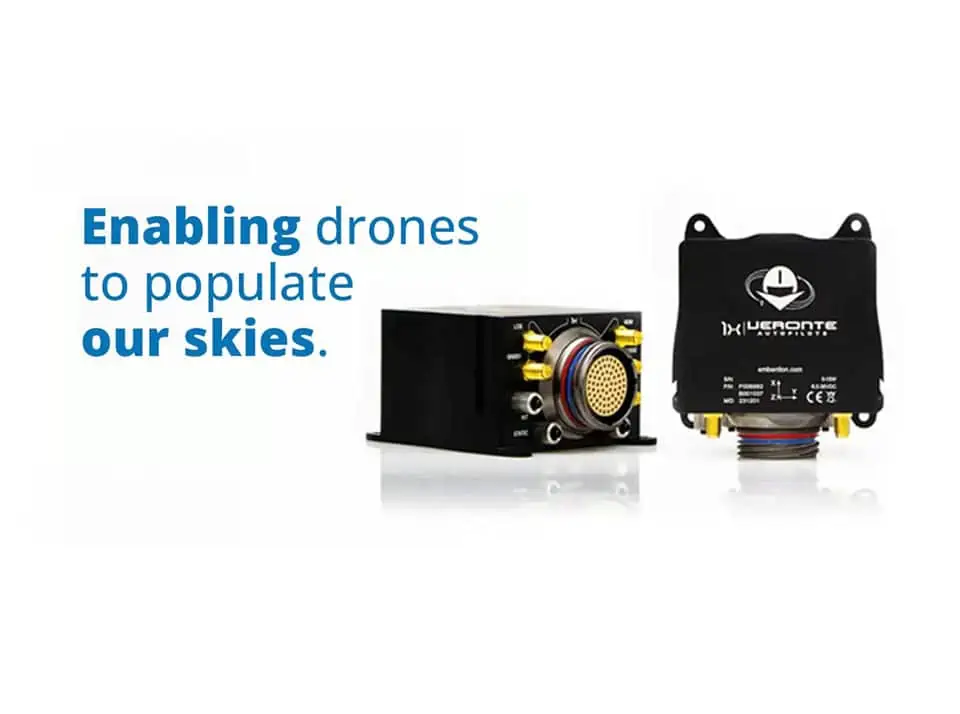
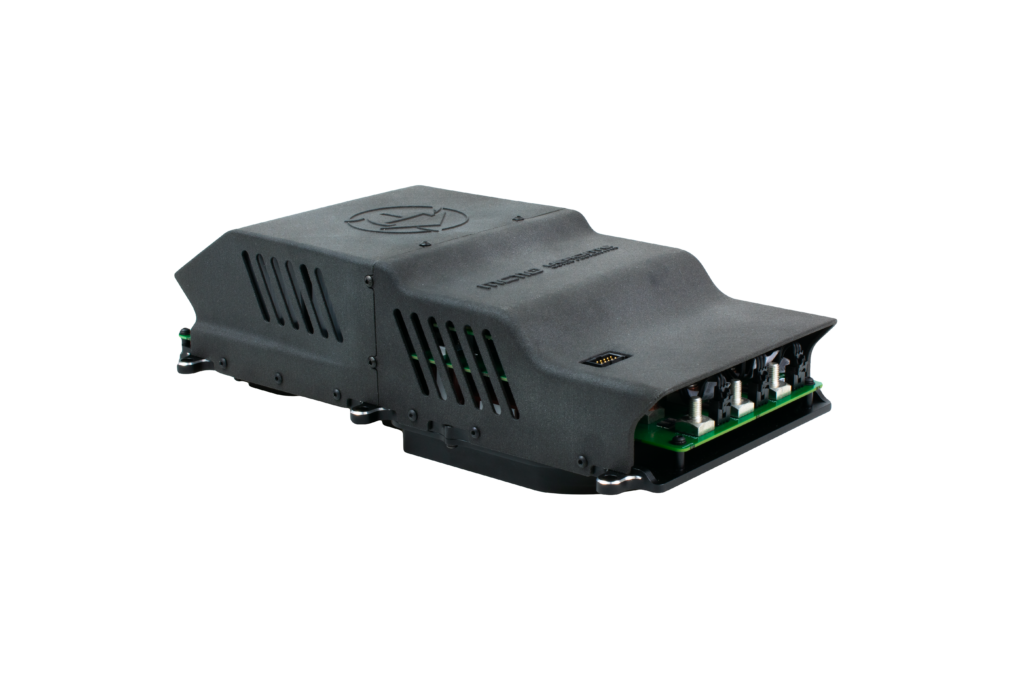
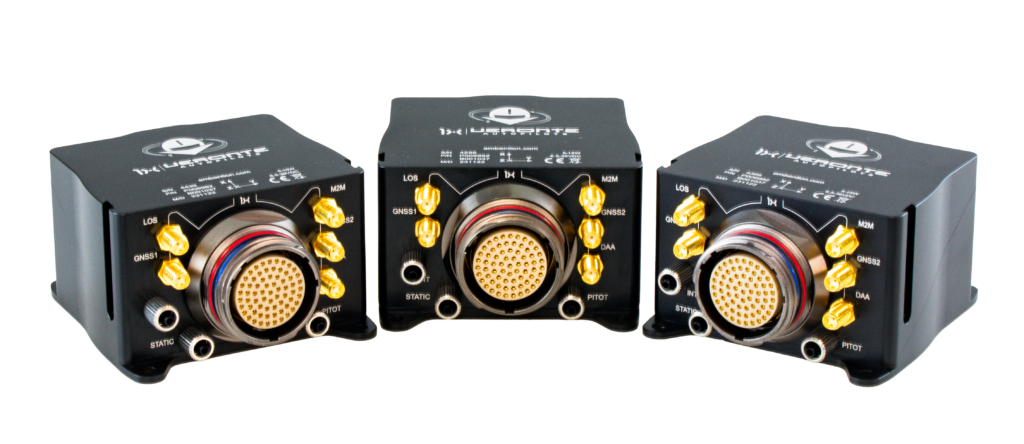
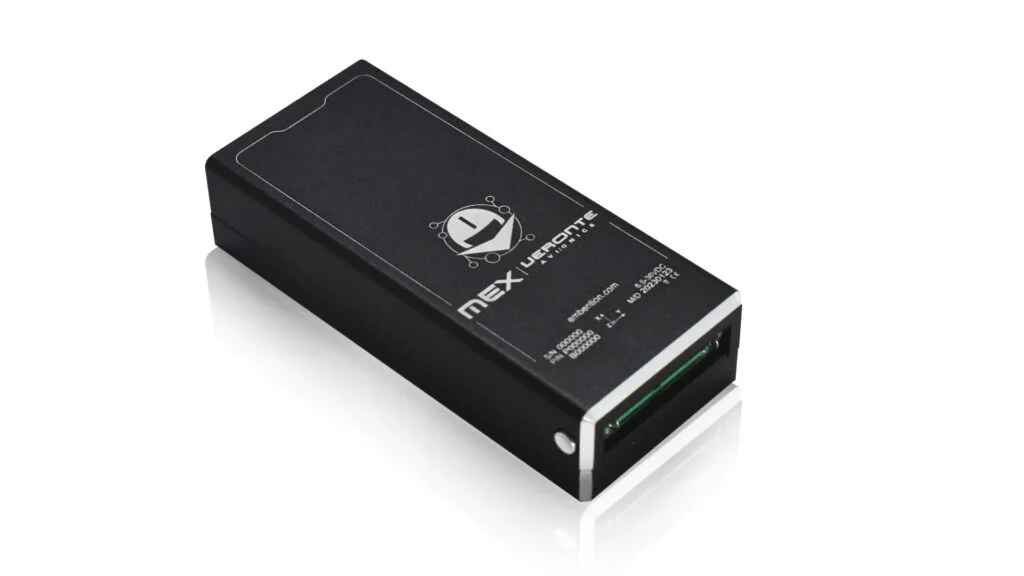
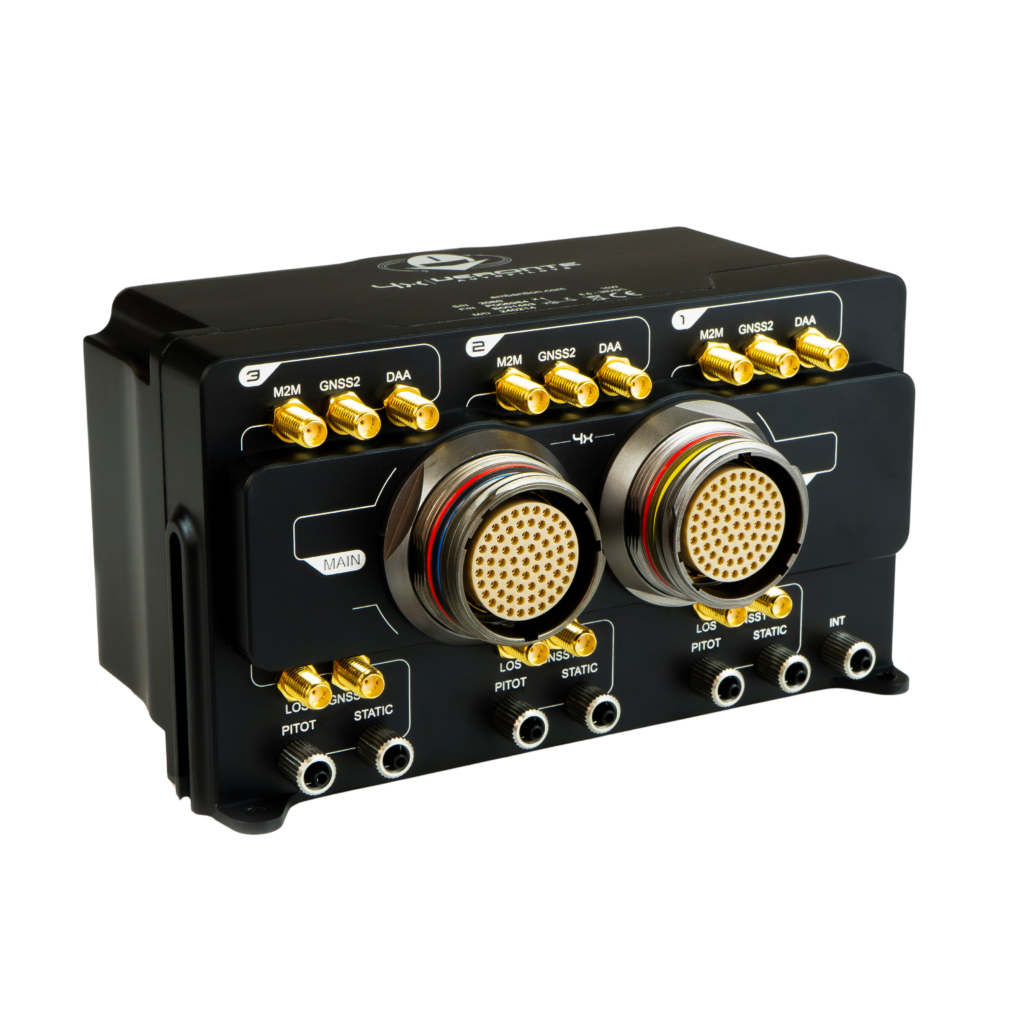
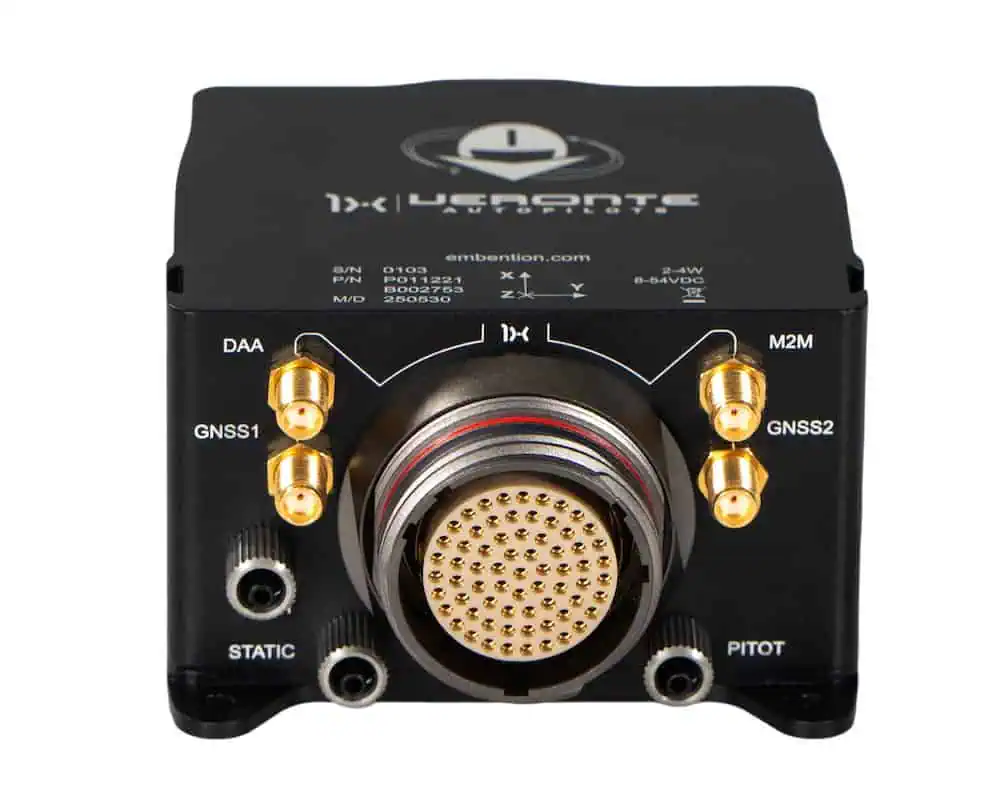
Embention’s Veronte Autopilot effectively tackles these issues by offering either pilot support or complete autonomy for unmanned aerial vehicles (UAVs) and larger manned aircraft.
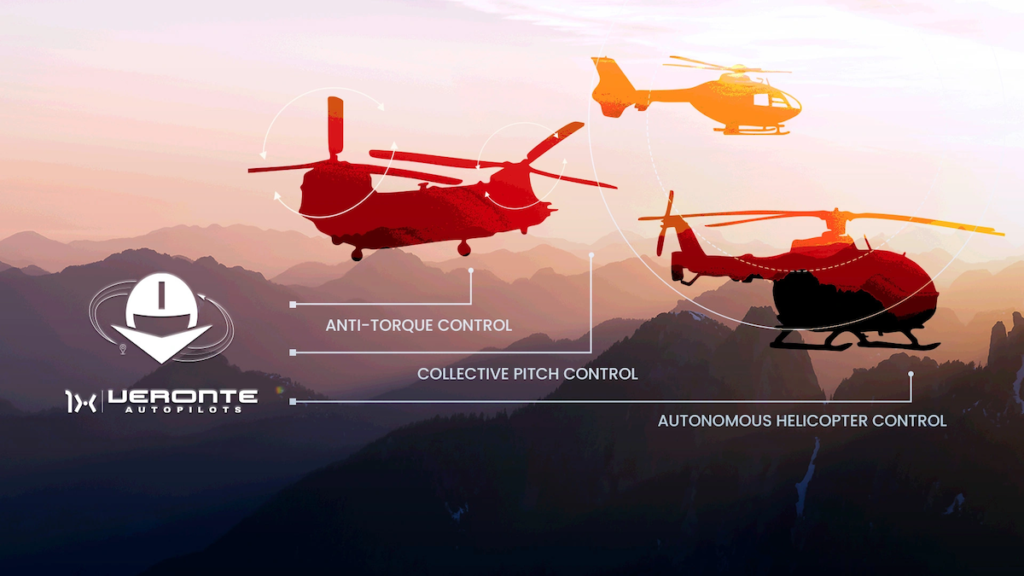
Nonetheless of the helicopter type—be it conventional helicopters, gyrocopters, tandem, coaxial, or tiltrotor—the core control mechanisms remain consistent. These encompass collective pitch, throttle, anti-torque, and cyclic pitch controls.
The Veronte Autopilot is designed to meet the unique challenges associated with different helicopter configurations, ensuring dependable and efficient operation.
Understanding Helicopter Control mechanisms
Collective pitch control modifies the angle of all main rotor blades at once, enhancing lift and drag while simultaneously lowering both rotor and engine RPM. To maintain a steady rotor RPM, collective pitch is linked with throttle control, automatically adjusting power levels in response to pitch changes.
Under standard operating conditions, throttle control, managed by the governor, stabilizes rotor RPM, which is vital for optimal performance. The Veronte Autopilot can assume the governor’s responsibilities, playing a crucial role in sustaining flight stability and efficiency.
Anti-torque control is vital for counteracting the torque produced by the main rotor, which would otherwise cause the helicopter to yaw uncontrollably. This is accomplished by adjusting the pitch of the tail rotor blades. As torque levels fluctuate with varying flight conditions,autopilot systems dynamically modify anti-torque control to avert unintended yaw.
Cyclic pitch control dictates the helicopter’s flight direction by tilting the rotor disc toward the desired path. The term “cyclic” refers to the sequential change in pitch for each rotor blade, enabling the helicopter to navigate in a specific direction.
Enhancing Autonomous Helicopter Operations
Vibrations pose another meaningful hurdle in automating helicopter control, originating from the rotor system, tail rotor, engine, and transmission. These vibrations can introduce noise into sensors, such as the inertial measurement unit (IMU).
To mitigate this noise, damping systems and filters are employed. As an example, low-pass filters can address high-frequency vibrations, while notch filters specifically target noise within certain frequency ranges, such as the low-frequency vibrations generated by the main rotor.
These filtering mechanisms are integrated into the Veronte Autopilot, enhancing its capability to accurately assess attitude and overall performance.
Embention’s Veronte Autopilot, bolstered by refined programming tools, is versatile enough to adapt to a variety of helicopter designs, providing customized control logic tailored to meet both platform-specific and user-specific needs.
Read the original article >>