

Triad RF Systems Partners with U.S. Army on Aerial Tier Network Research
In early 2023, Triad RF Systems collaborated with the U.S. Army’s DEVCOM C5ISR Center and PEO C3T in Lakehurst, New Jersey, to advance research for the Army’s Aerial Tier Network (ATN).
Enhancing Communication in Challenging Environments
This initiative aims to support the Army’s modernization strategies by ensuring robust, high-bandwidth communication capabilities in challenging terrains, especially in non-line-of-sight (NLOS) scenarios. As the landscape of multi-domain warfare evolves, this project represents a critical step in maintaining connectivity for soldiers and assets, ensuring they remain integrated within the broader operational framework.
Testing Methodology at Joint Base McGuire-Dix-Lakehurst
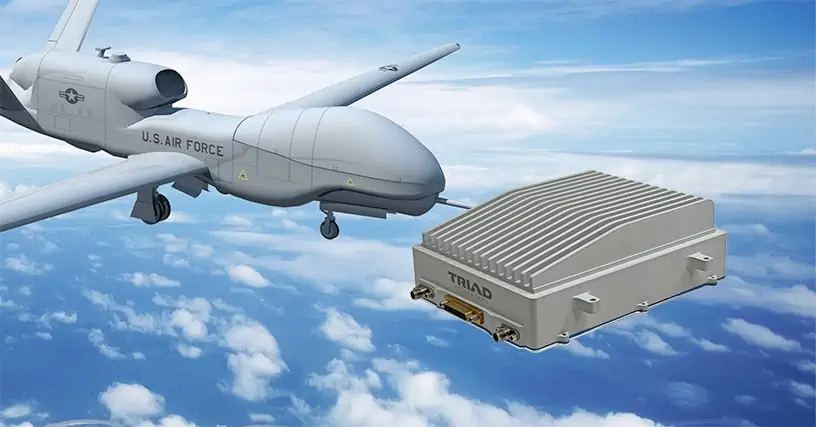
During a series of tests conducted over several days at Joint Base McGuire-Dix-Lakehurst,various frequency bands and whether conditions were evaluated. To mimic the ATN’s ability to transmit data between two groups without direct line-of-sight communication, an aircraft equipped with a radio functioning as a network node circled the test area. This setup allowed for data transmission between two mobile ground stations via the aerial node.
Triad’s High Power Radio Systems in Action
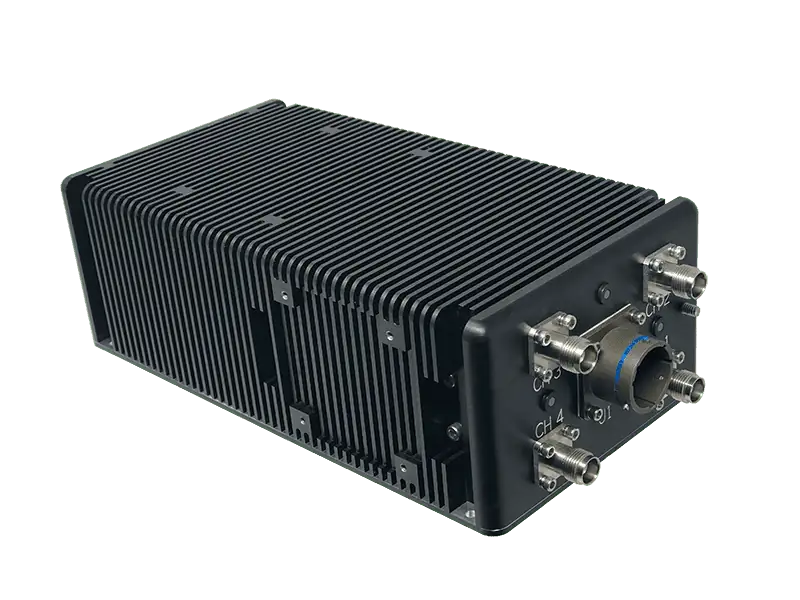
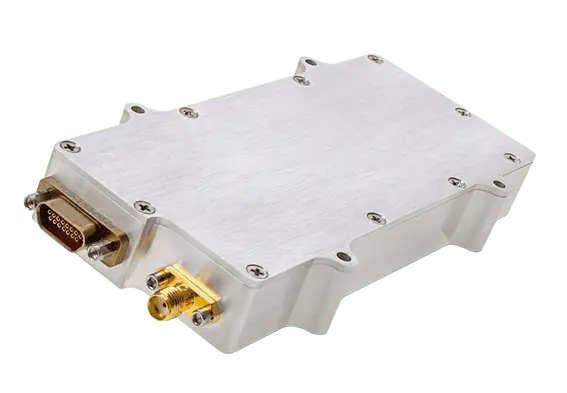
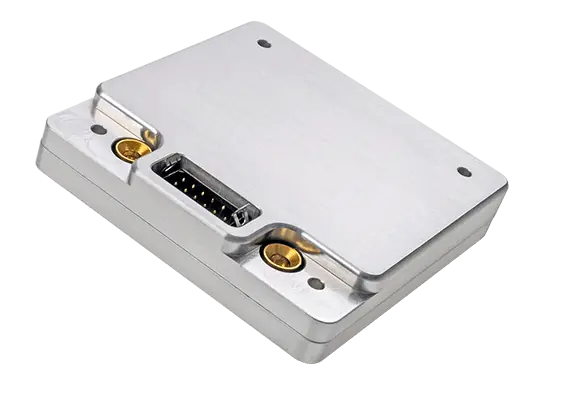
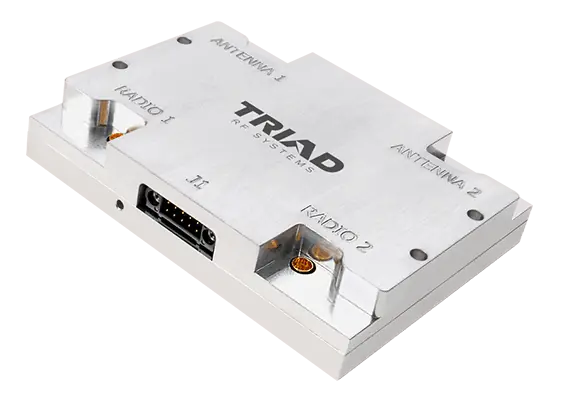
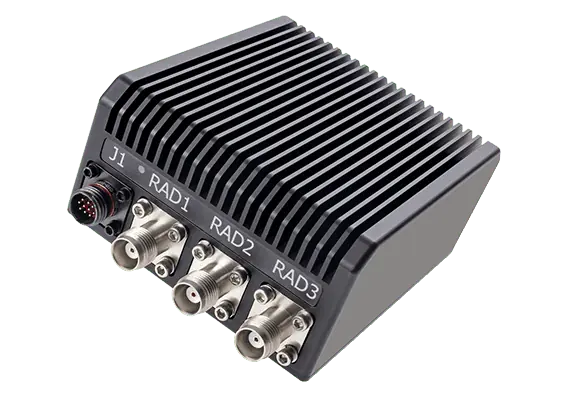
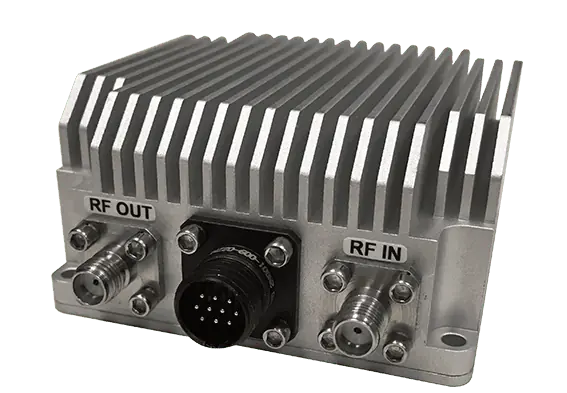
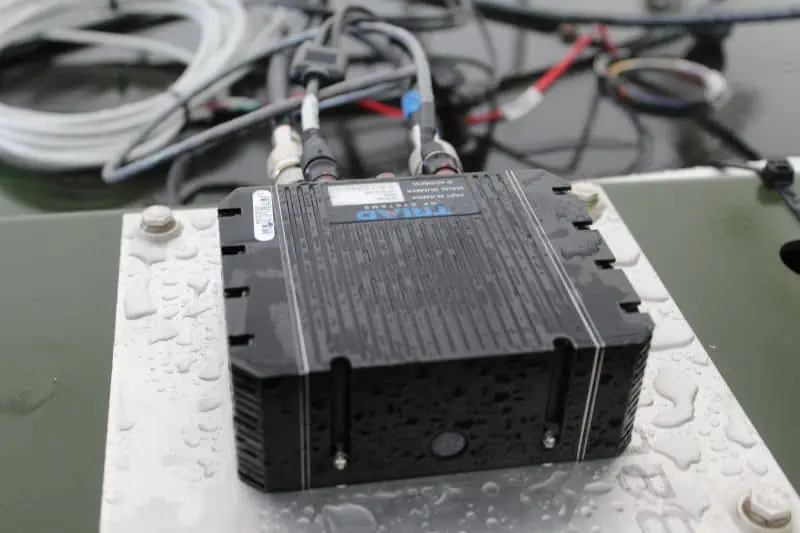
Triad RF Systems contributed to this testing with a range of Triad High Power Radio (THPR) systems, specifically designed for the Silvus Technologies StreamCaster MANET/mesh Network ecosystem:
- THPR1021 – A 2-channel C-Band radio with a maximum output of 20W (10W per channel), featuring the Silvus SC4200 radio module.
- THPR1055 – A 4-channel S-Band radio capable of 80W maximum output (20W per channel), equipped with the Silvus SC4400 radio module.
- THPR1060 – A 4-channel S-Band radio with a maximum power of 200W (50W per channel), also utilizing the Silvus SC4400 radio module.
Addressing Common RF Integration Challenges
Triad RF’s complete line of High Power Radio systems is meticulously designed to provide long-range, high-throughput MIMO performance while addressing several common challenges faced during complex RF system integration, such as:
- Variability in gain or power due to temperature and frequency changes,
- Signal-to-noise ratio concerns,
- Co-channel radio frequency interference (RFI),
- Configuration issues with radio settings,
- And other factors that can lead to performance degradation or link failures.
Triad’s mission is to proactively resolve thes issues before they escalate into critical problems for clients and end-users.
Future Insights and Developments
Additional technical insights from this testing phase will be disclosed as they become available.