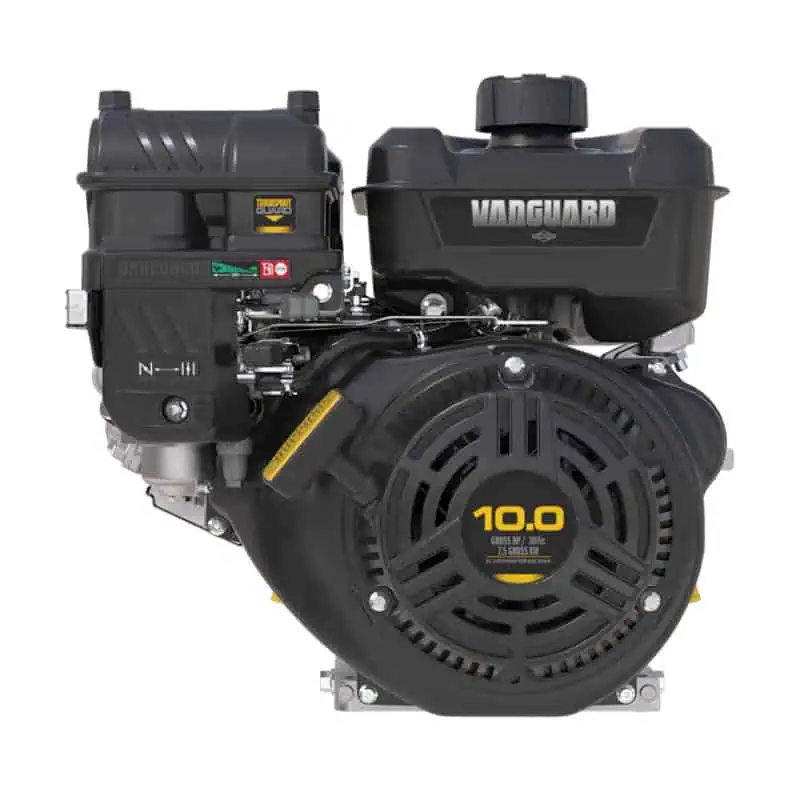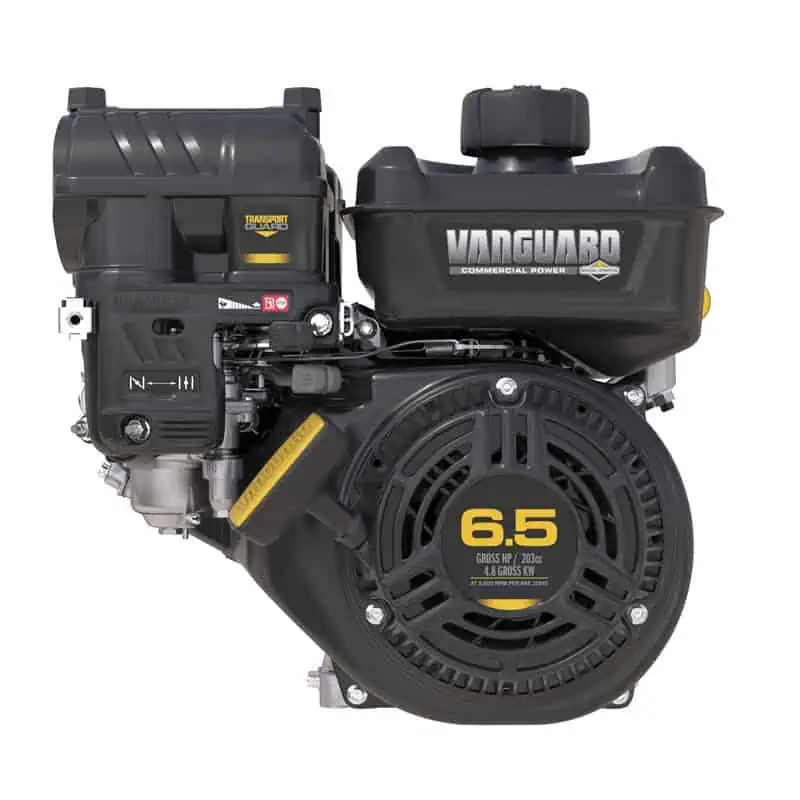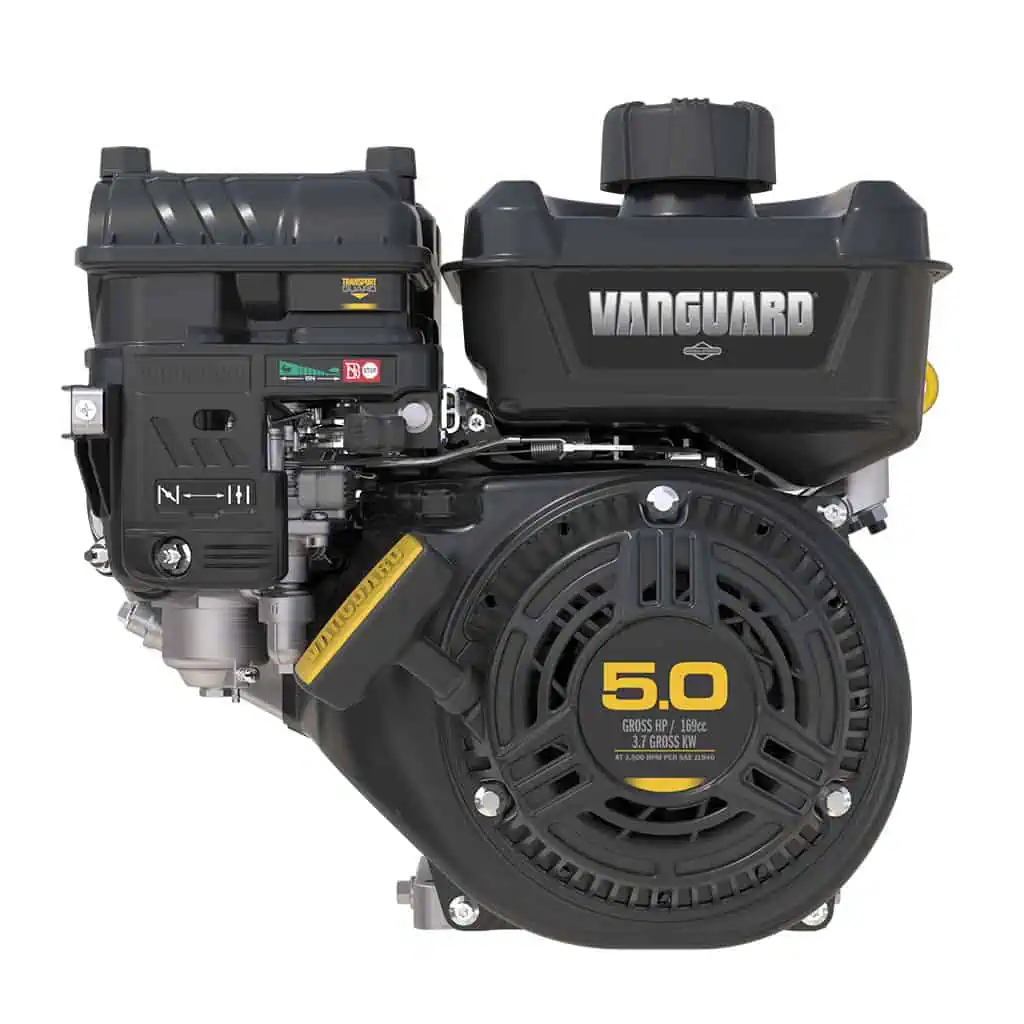


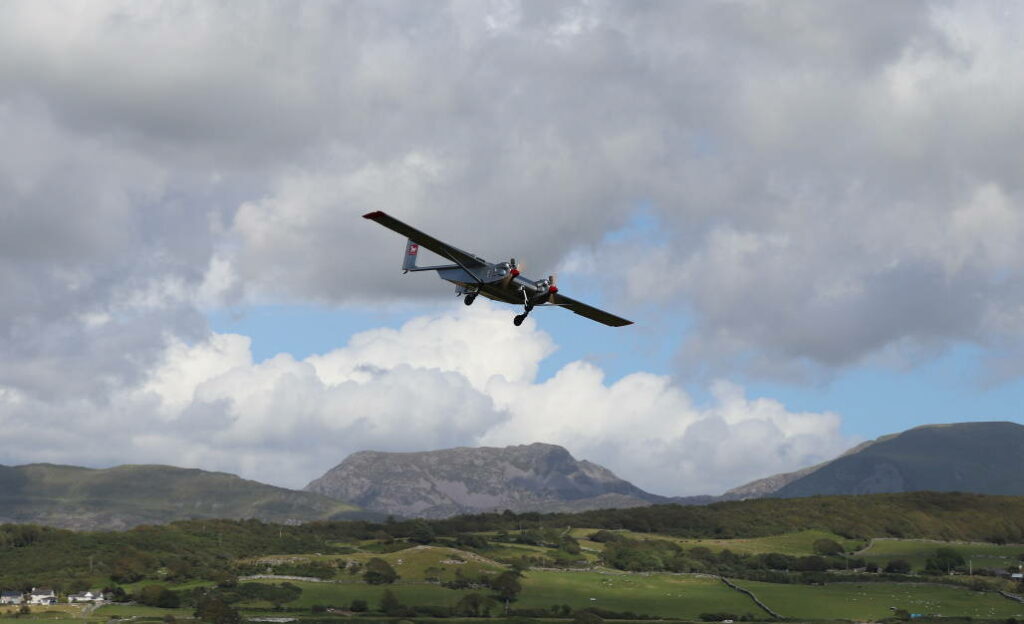
Vanguard has published an article highlighting the request of its Small Block Engines in powering the ULTRA UAV (unmanned aerial vehicle), developed by Windracers, aimed at expediting the distribution of medical supplies and food aid.
Currently,trucks remain the most dependable and cost-effective method for delivering humanitarian assistance. However, Windracers, a pioneering UAV company, is on a mission to revolutionize this process.
“We recognized the potential of UAV technology to address critical global challenges, especially in the realm of medical and food aid distribution,” stated Charles Scales, CEO and co-founder of Windracers.
Alongside co-founder Stephen Wright, Charles examined the international aid framework and identified important delays in aid delivery, particularly in regions like South Sudan, where it can take up to six months for assistance to reach those in need due to inadequate infrastructure and challenging environmental conditions. “It’s disheartening that millions in UN World Food Program emergency zones are in dire need of food aid,and waiting six months is simply unacceptable in today’s world. UAV technology can significantly reduce this gap,” Charles emphasized.
Utilizing UAVs for aid distribution presents unique benefits that customary methods cannot offer. “UAVs enable rapid delivery across extensive areas directly to remote villages, which is often unfeasible for trucks or large aircraft,” Charles explained. “This method is direct, versatile, and provides an incredibly swift and adaptable approach to aid distribution.”
Founded in 2017, Windracers aims to deliver UAV-based transport solutions to the global humanitarian, research, and environmental sectors. This vision led to years of development in collaboration with Southampton University, culminating in the creation of the Windracers ULTRA UAV.
Capable of transporting 100 kilograms over distances of up to 1,000 kilometers (220 lbs over 621 miles),the ULTRA UAV is designed to be cost-effective,durable,and dependable. “There’s nothing comparable on the market,” Charles remarked. “We constructed the body from aluminum, which is not only recyclable but also affordable and sturdy. This design allows us to provide aid at a competitive price point — potentially even cheaper than traditional trucks in the future.”
A Revolutionary Approach
The initial phase of creating an unprecedented UAV involved pinpointing its core components. “There’s no manual for designing a UAV of this nature, so we began with the engine,” Charles noted. “The power solution is central to everything.”
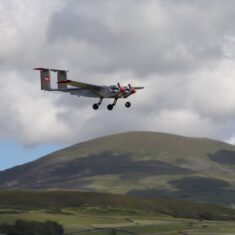
When power is essential for flight, the standards must be exceptionally high.Windracers’ aeronautical engineering team carefully considered the weight-to-power ratio, alongside factors like durability, parts availability, and the reliability of the power solution provider’s support services.
The company adheres to a guiding principle of “no single point of failure,” which applies to every aspect of its operations, including the engines that power its UAVs.
“We needed a partner with extensive experience and a stellar reputation,” Charles explained. “We found that partner in Briggs & Stratton.”
The Vanguard engine series from Briggs & Stratton met all of Windracers’ criteria. “This engine has a proven track record in commercial settings,” Charles stated. “Moreover, its service intervals are significantly longer than those of most UAV aviation engines, ensuring our reliability.”
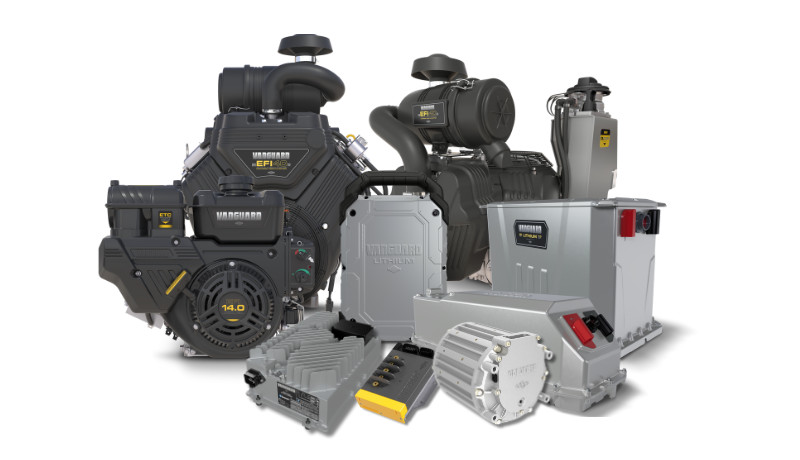
Windracers collaborated with Briggs & Stratton to equip the ULTRA UAV with two Vanguard V-Twin 23.0 Gross HP Electronic Fuel Injected engines. “This robust commercial engine is designed to endure challenging environments,” noted Mark Kerr, UK OEM sales manager at Briggs & Stratton. Additionally, the company guarantees global parts availability and ongoing support.
By integrating two engines into the UAV, Windracers ensures that if one engine fails, the ULTRA UAV can safely return to its starting point using the other engine, thus preventing the loss of both the UAV and its cargo. “The combined horsepower of both engines is crucial,” Charles emphasized.
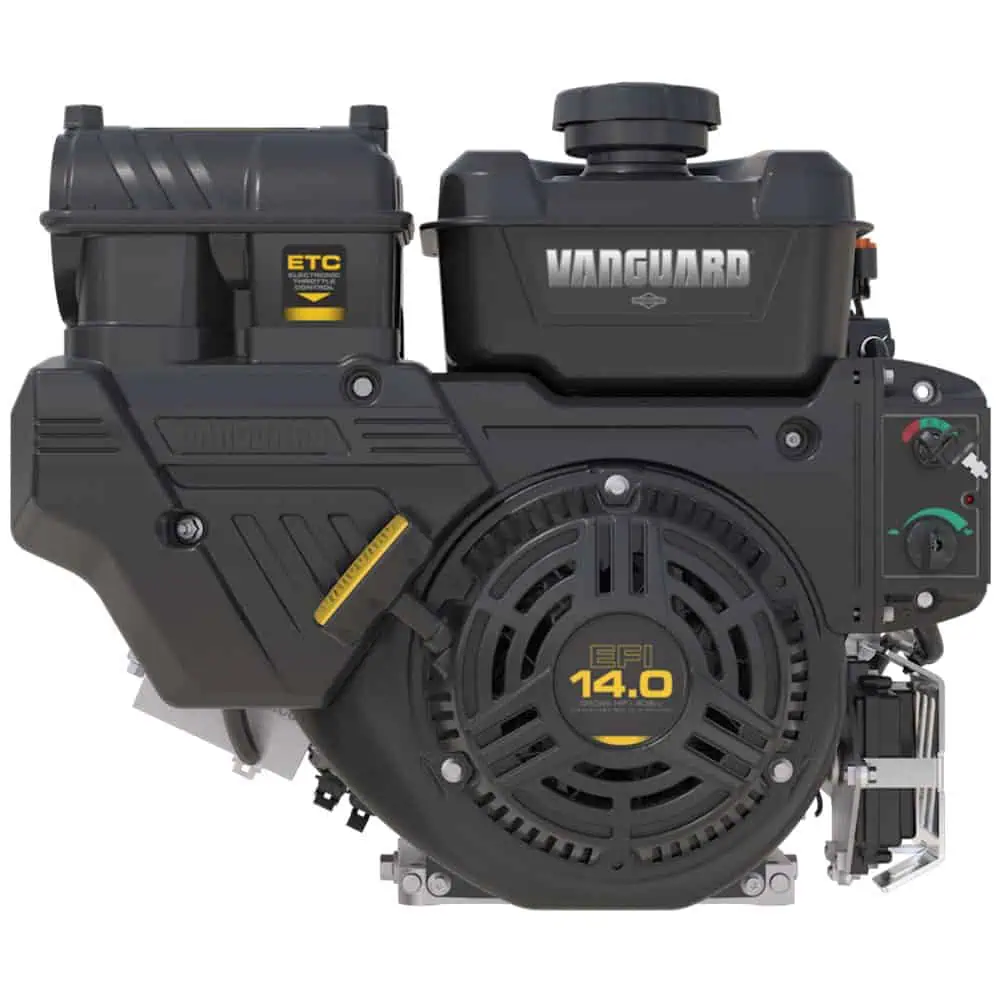
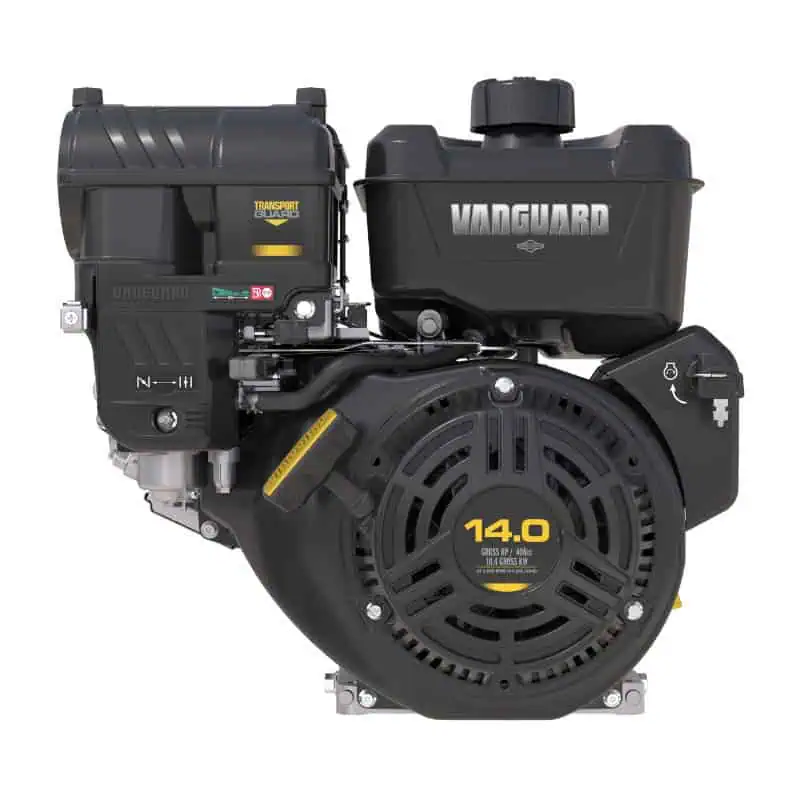
Briggs & Stratton also assisted Windracers in minimizing the weight of the two Vanguard Small Block engines by eliminating non-essential components. “These engines are highly advanced,” Charles remarked. “They are durable, efficient, and fit within our aviation weight limits.”
In line with the “no single point of failure” ideology, Mark and Charles maintain a collaborative relationship to ensure the Vanguard engines fulfill Windracers’ requirements. The Power Application Centre Europe (PACE), led by Gerhard Ihrig, along with the US PAC team, including engine application specialist Ron Weber, have been integral to the project.“We have a fantastic partnership — we pose questions, and Briggs provides prompt solutions,” Charles stated. “This collaboration is exactly what we need at this stage of our development.”
Responding to COVID-19
Back in 2015, when Windracers was merely an idea, the team could not have anticipated that the ULTRA UAV would play a role in delivering aid during a global pandemic.
However, when COVID-19 struck the UK in 2020, the situation changed dramatically. “Many remote hospitals were concerned about obtaining essential medications and PPE, and also transporting blood samples and tests to and from main logistical centers on the mainland,” Charles explained. Southampton City Council began exploring option transport methods to the Isle of Wight, especially with reduced ferry services and grounded aviation. “That’s when we were called upon to deploy our ULTRA UAV,” Charles recounted.
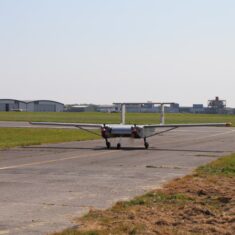
Since the Windracers ULTRA UAV is designed for 1,000-kilometer flights for typical aid deliveries, it received approval from the UK Civil aviation Authority for Beyond Visual Line of Sight operations. “This was a game-changer for us, allowing us to operate between the mainland and the island,” Charles noted.
The Southampton City Council enlisted Windracers to transport medical supplies using the ULTRA UAV along a designated air corridor between the mainland and the Isle of Wight. The inaugural flight successfully delivered a 50-kilogram load to St Mary’s NHS in just 20 minutes. “We discovered we could provide the rapid response that medical teams require — they need supplies, and we can deliver them within an hour or less,” Charles stated.
The impact on local communities and hospitals was immediate.The UAV offers autonomous, weather-resistant, and efficient medical supply delivery. “Its autonomous nature minimizes the risk of virus transmission through human contact, and it can operate in adverse weather conditions, making it significantly faster than traditional ship-based services,” Charles explained. “This is fundamentally transforming medical logistics.”
The Windracers team takes pride in seeing the ULTRA UAV effectively delivering vital medical supplies to their community. “Our mission at Windracers is to innovate and improve processes using UAV technology,” Charles concluded. What better demonstration of this mission than providing essential medical supplies during a pandemic with their UAV technology?
At the core of this operation are the two Vanguard Small Block engines, powering the ULTRA UAV to ensure swift and reliable aid delivery to those in need.