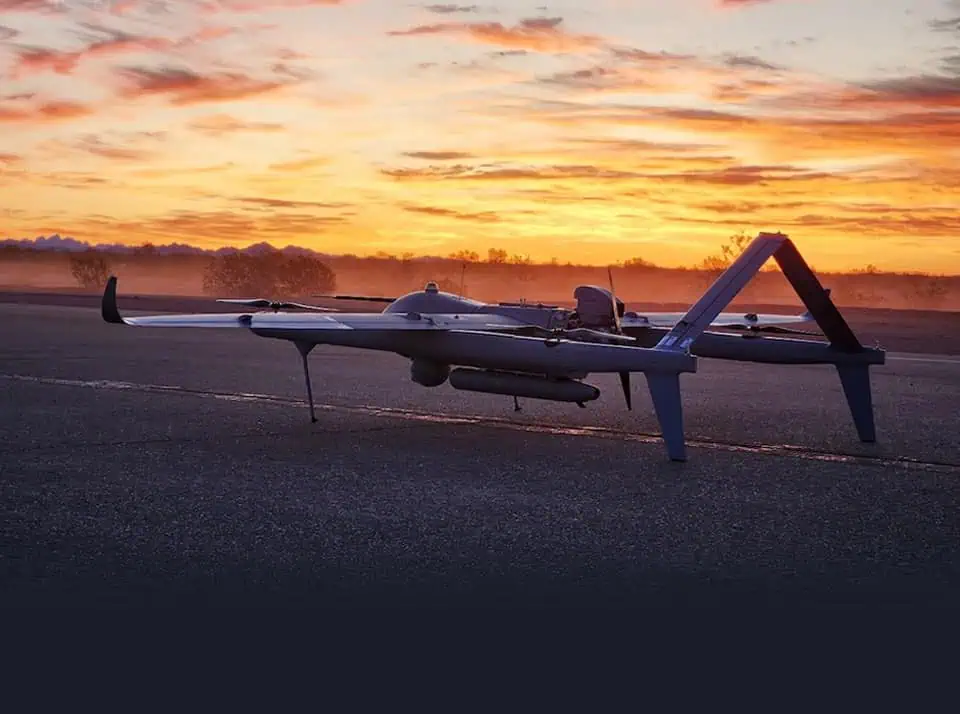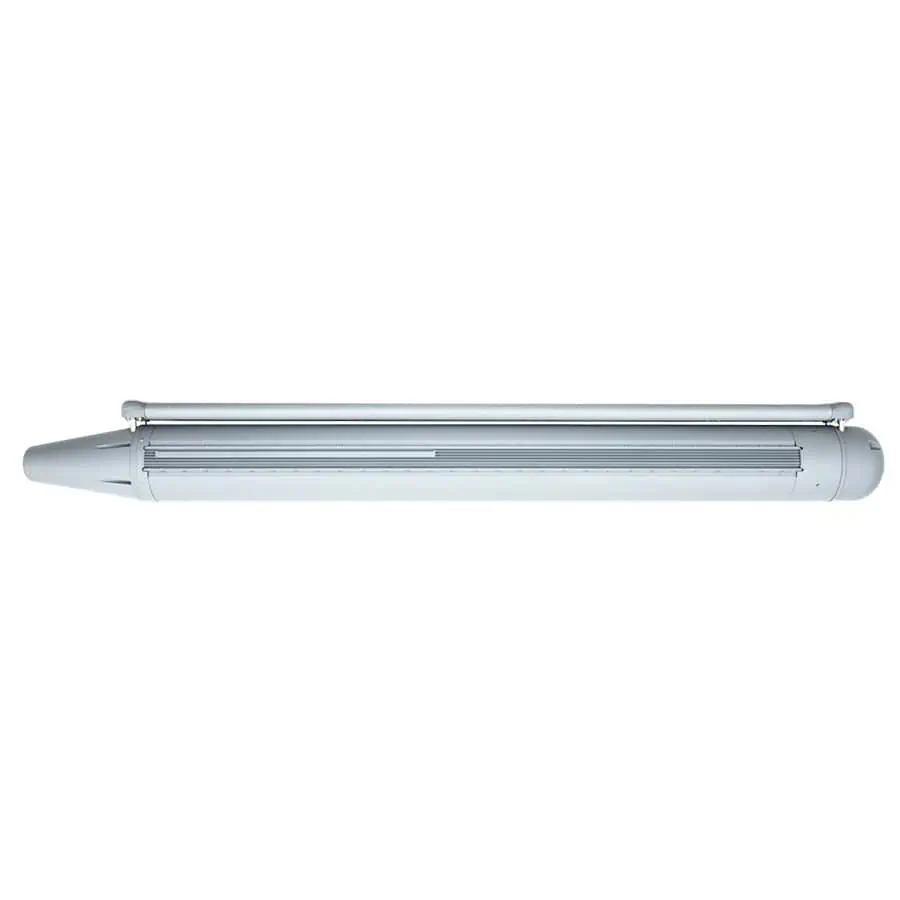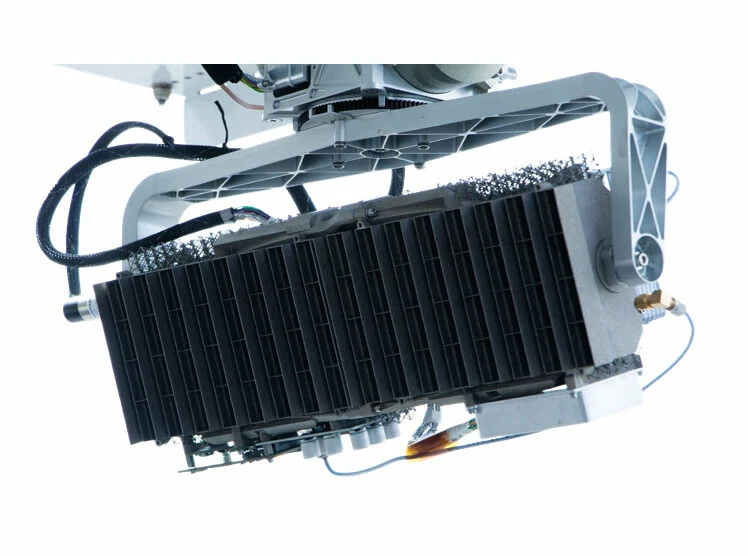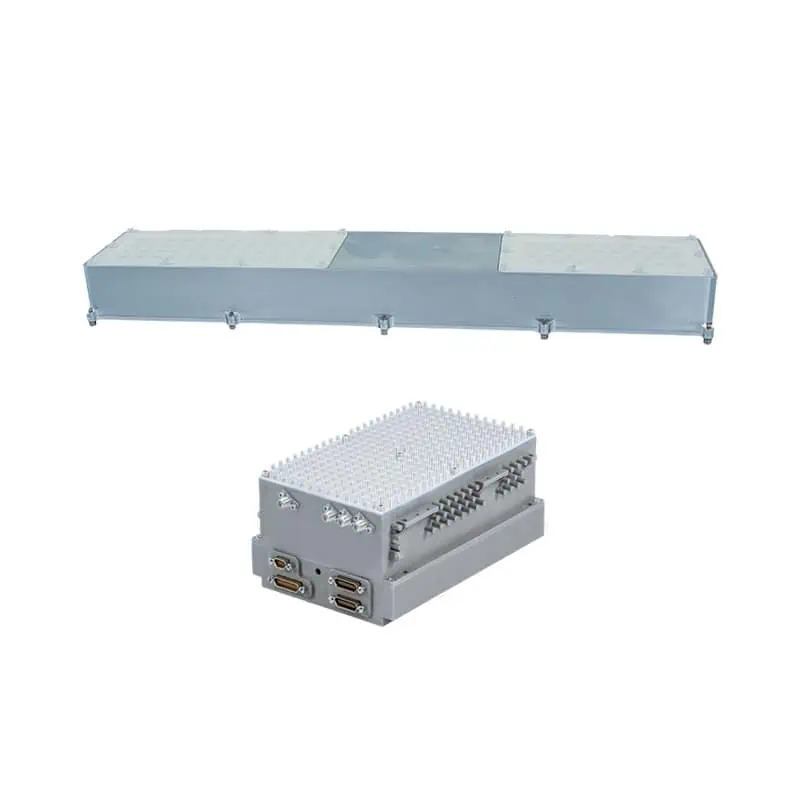


IMSAR NanoSAR system
IMSAR LLC, a pioneer in synthetic Aperture Radar (SAR) technology and radar image processing, has revealed that its suite of collision-avoidance radar systems designed for small Unmanned Aircraft Systems (UAS) is set for airborne prototype demonstrations by the close of 2015.
This innovative radar suite aims to enhance collision-avoidance capabilities for a variety of small UAS, including delivery drones and military platforms like AAI’s Shadow and Insitu’s scaneagle. The design of these radar systems is based on IMSAR’s existing 1-pound NanoSAR, with plans to price them competitively for small UAS markets. The first model is expected to be available for purchase by late 2016.
Dr. Britton Quist, who leads the collision-avoidance initiative at IMSAR, stated, “Radar technology is exceptionally suited for addressing the sense-and-avoid challenge, as it functions effectively in low-light and poor-visibility scenarios, including fog, clouds, smoke, and rain. This capability is unparalleled by optical,acoustic,infrared,or LiDAR systems.”
The Federal Aviation Administration (FAA) mandates that aircraft operating in civil airspace must possess the ability to “see and avoid” other aircraft.Collision-avoidance systems are designed to fulfill this requirement by enabling UAS to identify other airborne entities, anticipate potential collisions, and autonomously adjust their flight paths to avert disasters. Previously, a radar-based solution for small UAS was impractical due to high costs, weight constraints, and the intricate technology and algorithms involved.IMSAR’s innovative approach addresses these challenges, facilitating the safe integration of UAS into global civil airspace by preventing midair collisions with both unmanned and manned aircraft.
Adam Robertson, Vice President of IMSAR, remarked, “As the creator of the NanoSAR, recognized as the world’s smallest ISR radar system for UAS, IMSAR is uniquely positioned to bridge the technological gap by offering a radar-based collision-avoidance solution tailored for small UAS.”