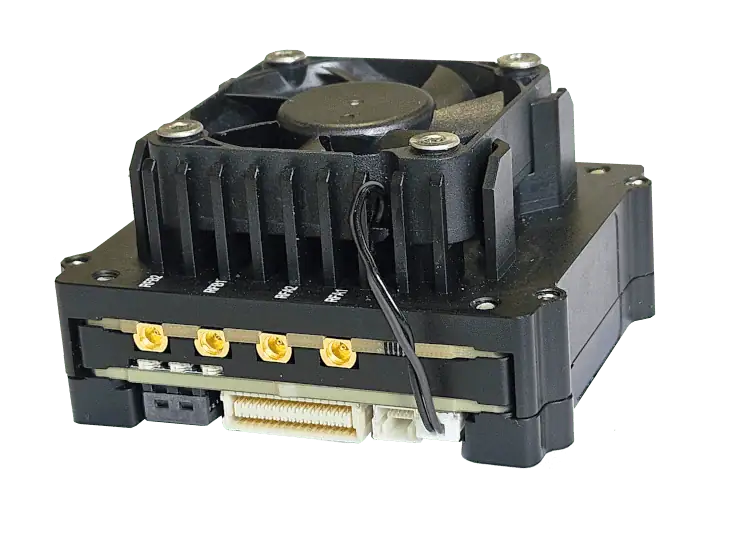


In an exclusive interview with UST, Pascal Prost, the Sales and business Progress Director at Simpulse, delves into the advantages of Software Defined Radio (SDR). He discusses how Simpulse’s SDR solutions, designed for long-range data links in UAVs and UGVs, tackle various challenges and significantly enhance vehicle performance.

Thank you for joining us today. Simpulse is recognized for its innovative SDR technology. What are the primary benefits of utilizing SDR data links compared to conventional communication systems in UAS operations?
Conventional transmission methods, such as 5G and WiFi, are not optimized for scenarios lacking infrastructure, requiring extensive range, or operating in extreme conditions typical of many UAS applications. In contrast, Simpulse’s SDR technology is not bound by standard compliance, allowing for the flexibility to utilize software for optimal performance in challenging environments.
The software on our SDR platform is designed for rapid updates, enabling users to access the latest enhancements and achieve superior data link performance.
additional benefits include versatility in frequency bands and interfaces, along with enhanced reliability, resistance to interference or jamming, and extended transmission range. New functionalities can be integrated throughout the product’s lifecycle without the need for hardware modifications. Moreover, specific data link features can be tailored to meet unique requirements simply by deploying targeted software updates.
How do your SDR solutions enhance the performance and reliability of UAS operating beyond visual line of sight (BVLOS) or in demanding environments?
Our algorithms and signal processing capabilities are specifically engineered for long-range applications and adverse conditions. As an example, our modem can assess signal quality even amidst notable noise, allowing it to adapt the waveform or select the optimal frequency for transmission.
The radio software undergoes rigorous field testing with logged data before being refined and retested through multiple software update cycles.UAS equipped with our solutions experience marked improvements in performance and reliability compared to fixed hardware alternatives, which lack the efficiency and adaptability for performance optimization.
Moreover,the same radio link can be reconfigured multiple times on-site to accommodate new or challenging environments.
Could you elaborate on the main challenges encountered when integrating SDR technology into unmanned aerial vehicles and how you assist clients in addressing specific technical hurdles during the integration process?
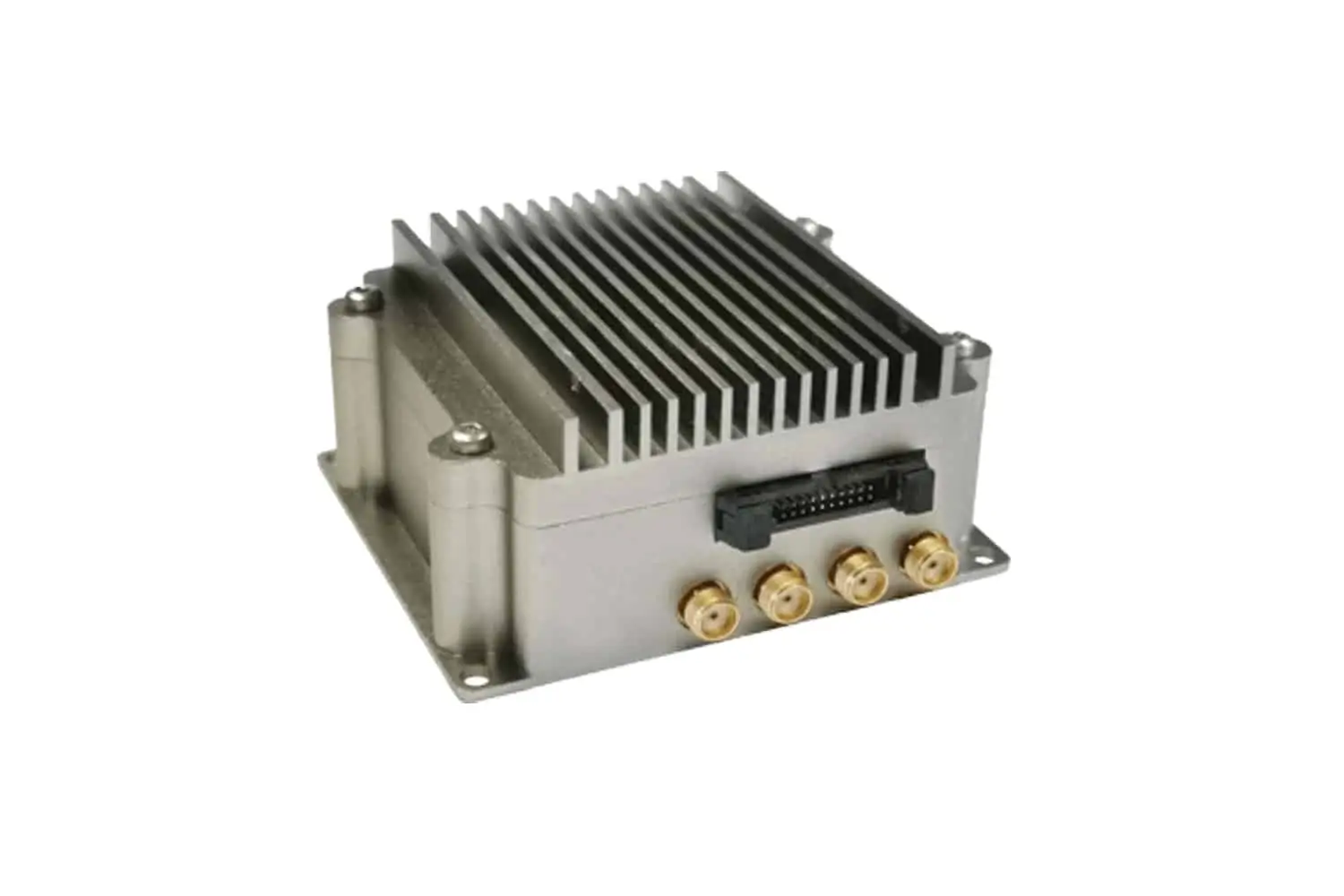
The SDR solution from Simpulse functions as an IP modem, incorporating hardware with embedded software, making it as straightforward to integrate as any standard modem.
Our Simpulse SDR technology delivers exceptional performance, particularly in sensitivity. This heightened sensitivity allows for lower transmission power, resulting in a smaller device footprint, reduced heat generation, and lower power consumption, simplifying integration into compact UAS.
However, high sensitivity can be compromised by radio interference from the drone or its components. Our advanced analytical tools within the SDR modem can effectively detect and monitor this interference, tracking its levels and frequencies in real-time. This capability is invaluable for identifying solutions to mitigate interference during the integration phase.
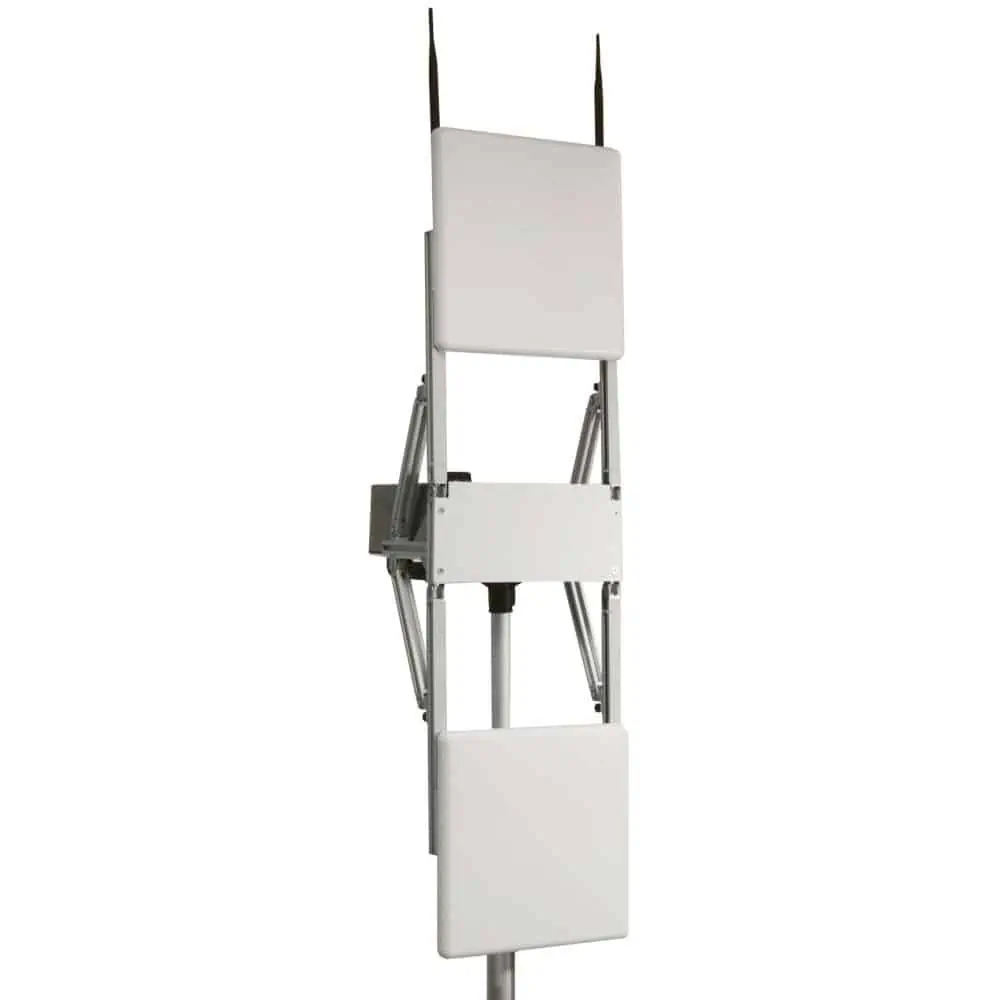
Similarly, the advanced analysis tool from simpulse helps determine the optimal placement of antennas on the drone and assesses their effectiveness during transmission and reception, considering the drone’s orientation.
Can you share any success stories or case studies where Simpulse’s SDR technology has enhanced UAS performance or resolved critical challenges?
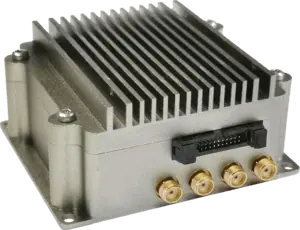
One of our clients in ground robotics demonstrated that by switching to our Simpulse SDR solution, the operational range of their UGV was doubled, primarily due to the high sensitivity and efficient signal processing capabilities. Additionally, the real-time variable data rate, which adjusts the transmitted bitrate based on transmission conditions, enabled them to exceed the nominal range with a lower data flow.
Another client in the UAS sector successfully operated their drone at a distance of 110 km in line of sight while transmitting HD video, utilizing only 0.6W of transmit power.
What trends do you anticipate in the evolution of SDR technology for unmanned systems in the coming years?
The ongoing conflict between Ukraine and russia has significantly increased the demand for radio systems that can maintain transmission capabilities despite strong interference.
We believe that effective anti-jamming functionalities must consider the latest jamming strategies observed in the field to devise relevant countermeasures. This adaptability is particularly feasible with SDR, as last-minute adjustments can be swiftly implemented in the drone through simple software updates.
For drones,the demand for extended ranges continues,with the understanding that merely increasing transmission power is not a viable solution due to its associated drawbacks.Enhancing signal processing efficiency and sensitivity within an SDR framework like ours is a more intelligent approach to achieving superior performance.
Thank you for sharing your insights; it has been a pleasure speaking with you.