

Advanced Navigation’s Lunar Ambitions: Pioneering New Technologies
Advanced Navigation,a trailblazer in artificial intelligence and navigation systems,has set its sights on becoming the first Australian entity to land on the Moon. This ambitious goal is supported by the advancement of two groundbreaking navigation technologies.
Innovative Technologies from Decades of Research
With over 25 years of collaboration with leading academic institutions, these patented technologies represent important advancements in performance, reliability, compactness, and energy efficiency.
“We are incredibly excited to see our years of research materialize into effective technology. Our aim is to be the first Australian company to reach the Moon by 2024, marking a monumental achievement for us,” stated Xavier Orr, CEO and co-founder of Advanced Navigation.“Inertial and robust reference-based navigation is essential for space missions, especially where terrestrial navigation systems like GPS are unavailable. Our lightweight technology is projected to generate $85 million in value for lunar missions, facilitating heavier payloads that will enhance research, exploration, and commercial activities on the Moon.”
Enhancing Payload Capacity with Compact Systems
By integrating lighter and more compact flight systems into the Guidance Navigation and Control (GNC) framework, Advanced Navigation aims to minimize the overall weight of spacecraft. This reduction allows for increased capacity for commercial payloads,including satellites,research instruments,and personnel.
Heavier payloads complicate and elevate costs associated with delivery. Advanced Navigation emphasizes that adopting their technology can lead to ample cost savings by maximizing payload space.Their systems promise positioning and accuracy that surpass the best existing products globally, all while being substantially lighter.
Key Technologies: Boreas X90 and lidav
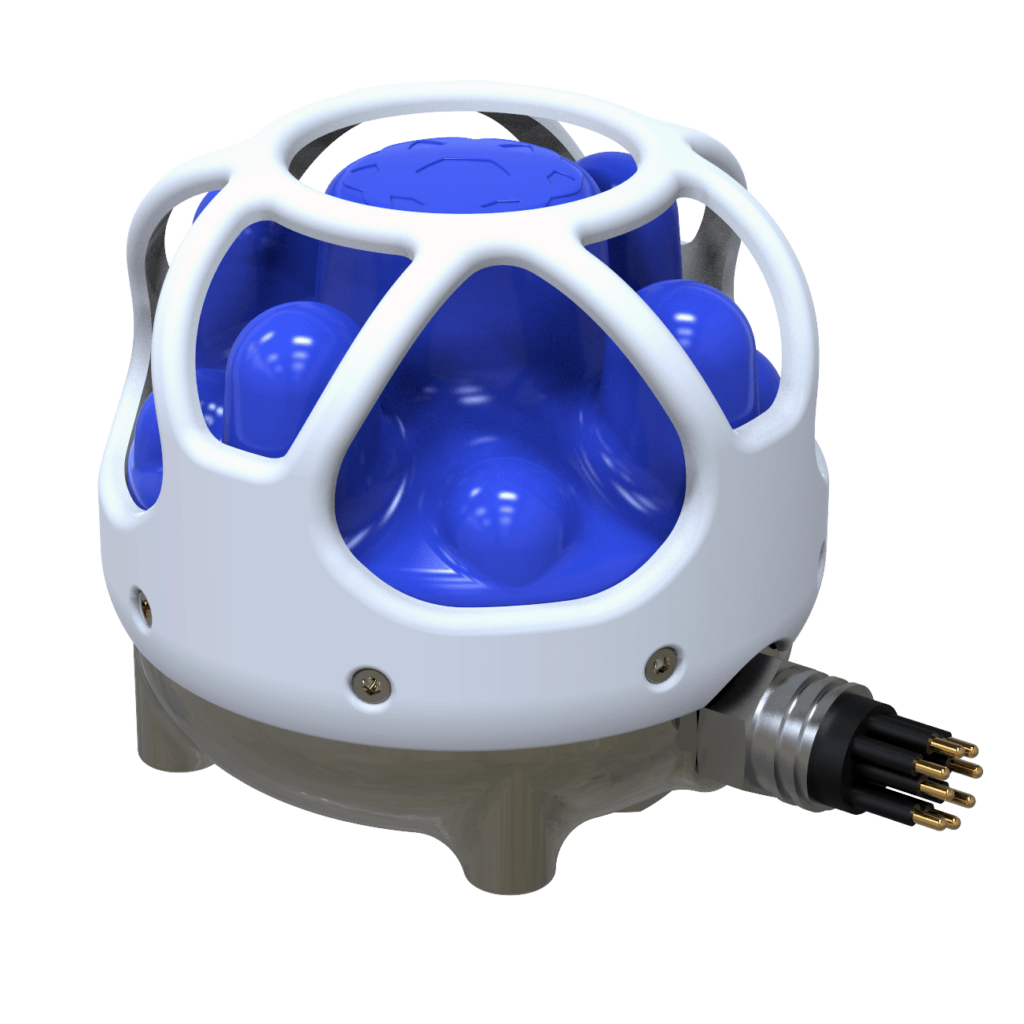
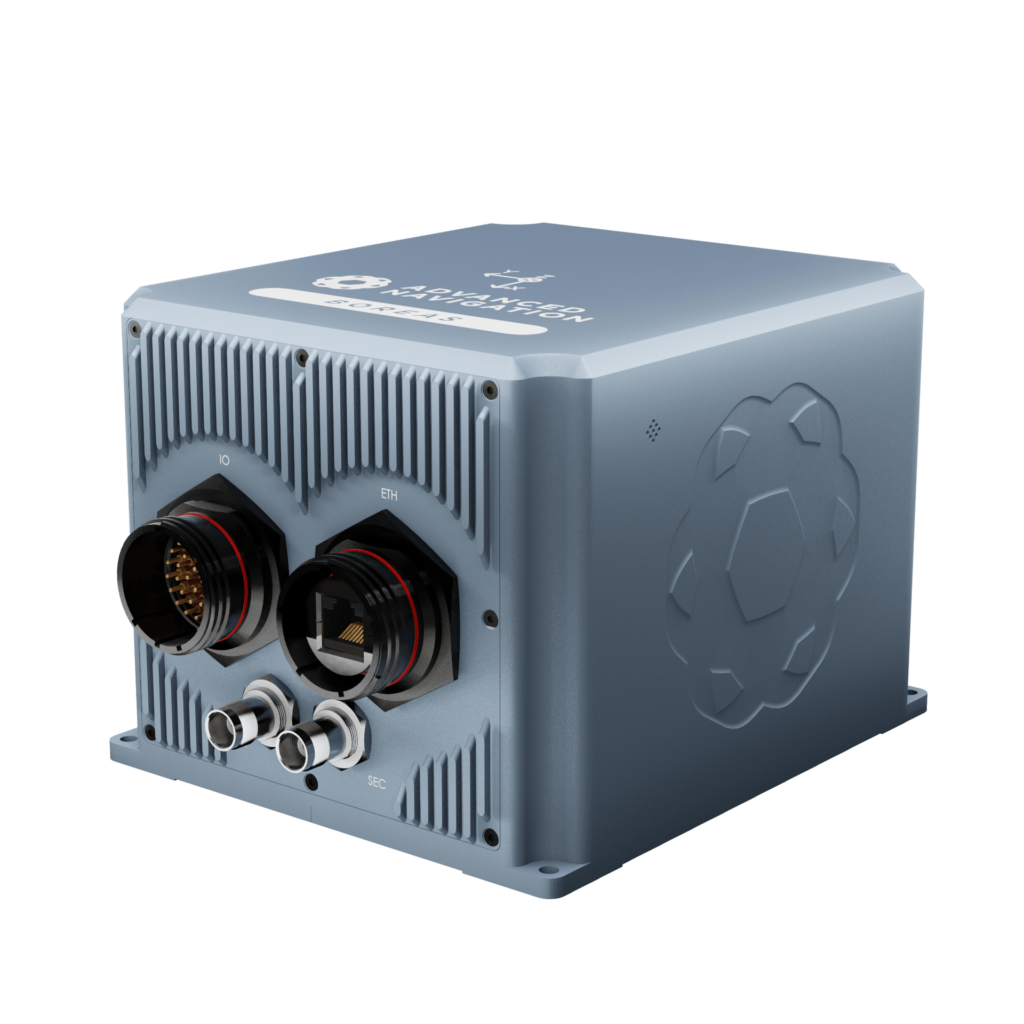
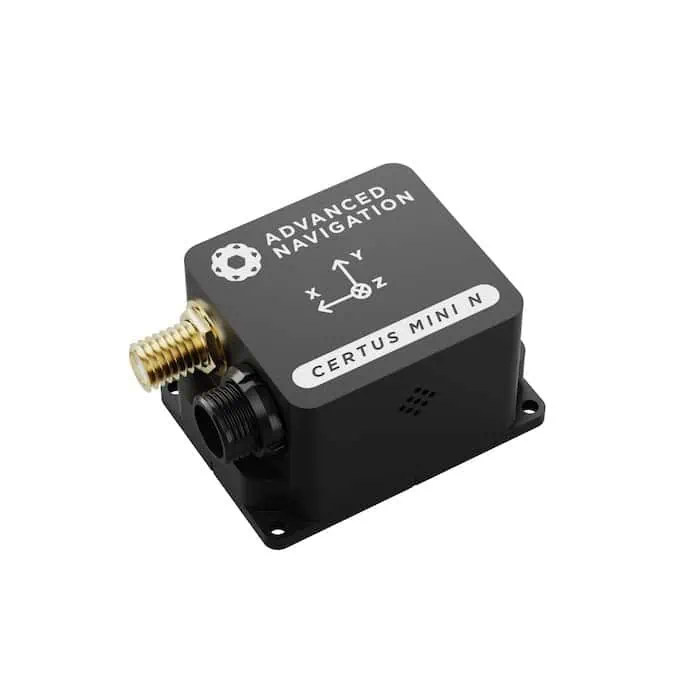
The Boreas X90 is a high-precision Inertial Navigation System (INS) that maintains extraordinary accuracy without relying on fixed references like stars or base station telemetry. This capability is vital for long-duration space missions that involve intricate orbits and trajectories.
Meanwhile, the Light Detection Altimetry and Velocimetry (LiDAV) system employs laser technology to assess various environmental parameters. It accurately determines a vehicle’s velocity and position in three-dimensional space relative to the lunar surface. In scenarios where visual references are lacking, such as in darkness or dust, LiDAV serves as the primary navigation tool, essential for executing complex autonomous landings and exploring the lunar terrain.
Collaboration with Intuitive Machines for Lunar Exploration
Intuitive Machines,a US-based company specializing in space systems,is set to provide commercial transportation and operational services for lunar missions. The company plans to conduct three lunar lander missions, aiming to deliver at least two lunar dialog relay satellites by 2025. Their clientele includes NASA’s Commercial Lunar Payload Services initiative and Tipping Point technology possibility.
Both Advanced Navigation and Intuitive machines are aligned with the US and Australian governments’ Artemis Accords, promoting safe and peaceful exploration of space while deepening our understanding of the Moon.
“Lightweight precision navigation sensors are crucial for delivering scientific and technological payloads to the lunar surface,” remarked Dr. Tim Crain, Chief Technology Officer at Intuitive Machines.“These technologies also facilitate data collection for scientific research and resource exploration once on the Moon.”
“Demonstrating this technology in the near future is vital. By 2026, our next lunar lander, Nova-D, will begin transporting 500-1,000 kg of payload to the Moon, necessitating reliable and diverse sensors for landing.”
“It’s essential for our large lunar payload clients to trust that our systems will safely and reliably deliver their cargo. If we can validate Advanced Navigation’s technology on our current Nova-C landers, we can significantly enhance the reliability of landings with Nova-D.”
“Given the lightweight and capabilities of Advanced Navigation’s sensor systems, they are ideally suited for our Micro-Nova, a mini-extreme mobility lunar vehicle, also referred to as a ‘hopper’. Weight is a critical factor for the hopper, but we need sensors that can navigate to permanently shadowed craters and through lava tubes. We are eager to explore more of the lunar surface with Advanced Navigation,” Crain concluded.
Australia’s Future in Space Exploration
The Boreas X90’s development received support from the Australian Space Agency through its Moon to Mars initiative: Supply Chain Capability Improvement Grant.
“Our Moon to Mars initiative allows Australian companies to showcase their expertise in projects that can assist NASA in its inspiring missions,” stated Enrico Palermo, Head of the Australian Space Agency. “The partnership between Advanced Navigation and Intuitive Machines exemplifies how this initiative is propelling australian companies into global space supply chains.”
“It’s encouraging to see Advanced Navigation continue to innovate and challenge existing paradigms. Their latest technology will not only enhance Australia’s capabilities in space but also create exciting long-term export opportunities, foster careers in STEM fields, and inspire the Australian public,” Palermo added.
“This is just one instance of how australia is collaborating with NASA on the Artemis program, building on over fifty years of partnership in space exploration. The Agency has also secured an agreement with NASA for an Australian-designed, built, and operated rover to be included in a future mission.”
Applications Beyond Space
The technology developed by Advanced navigation is not limited to extraterrestrial environments. It is also designed to assist aircraft during takeoff and landing, particularly in challenging conditions. Additionally,it can enhance weather pattern measurements,improving forecasting accuracy.
Looking ahead, the company envisions this technology guiding flying taxis to ensure safe passenger transport, enabling autonomous vehicles to navigate reliably under all conditions, and constructing geophysical models from gravitational surveys.