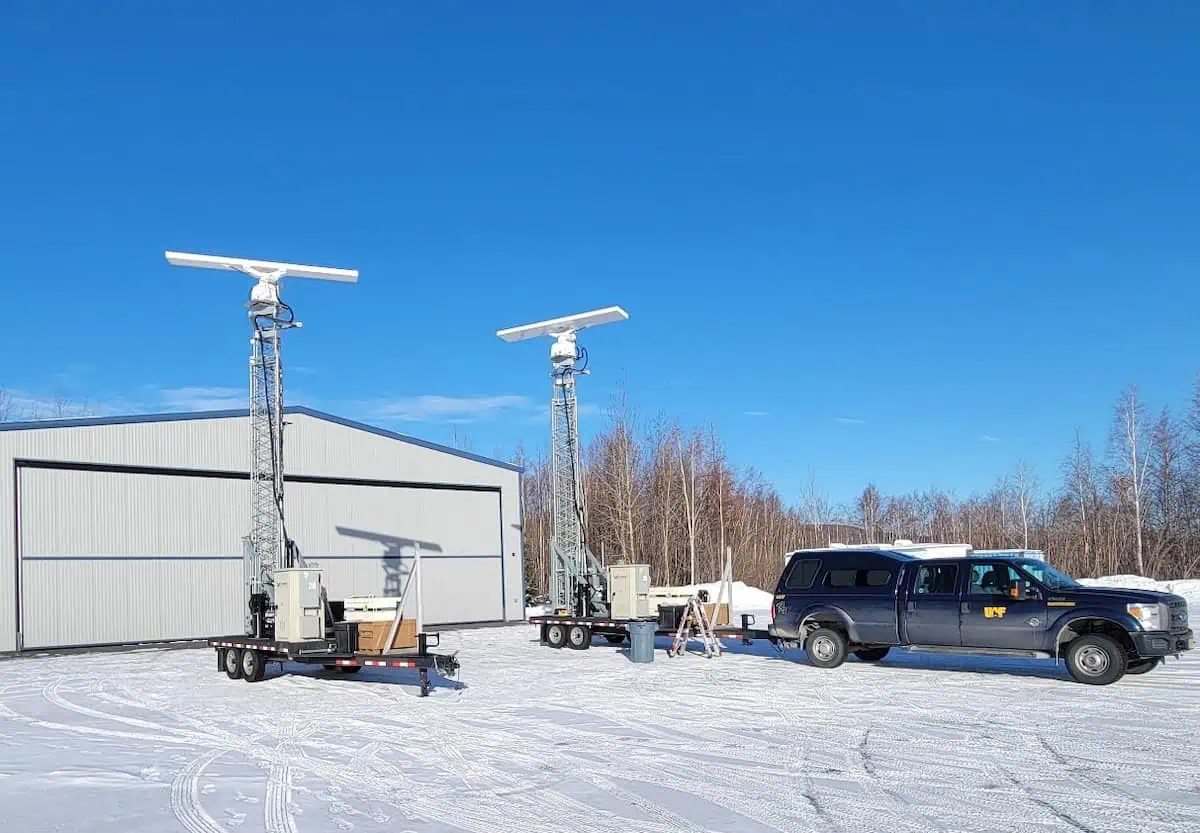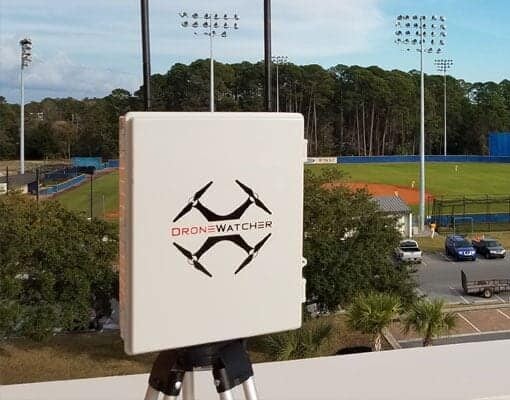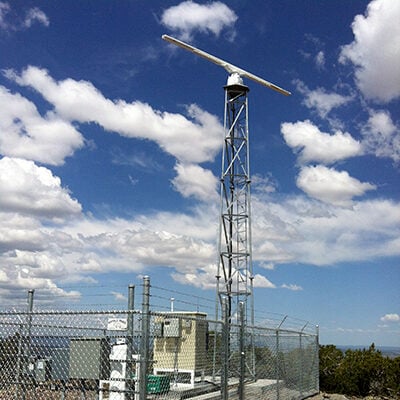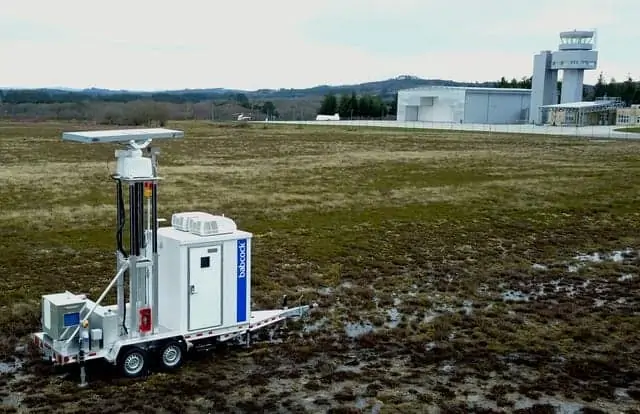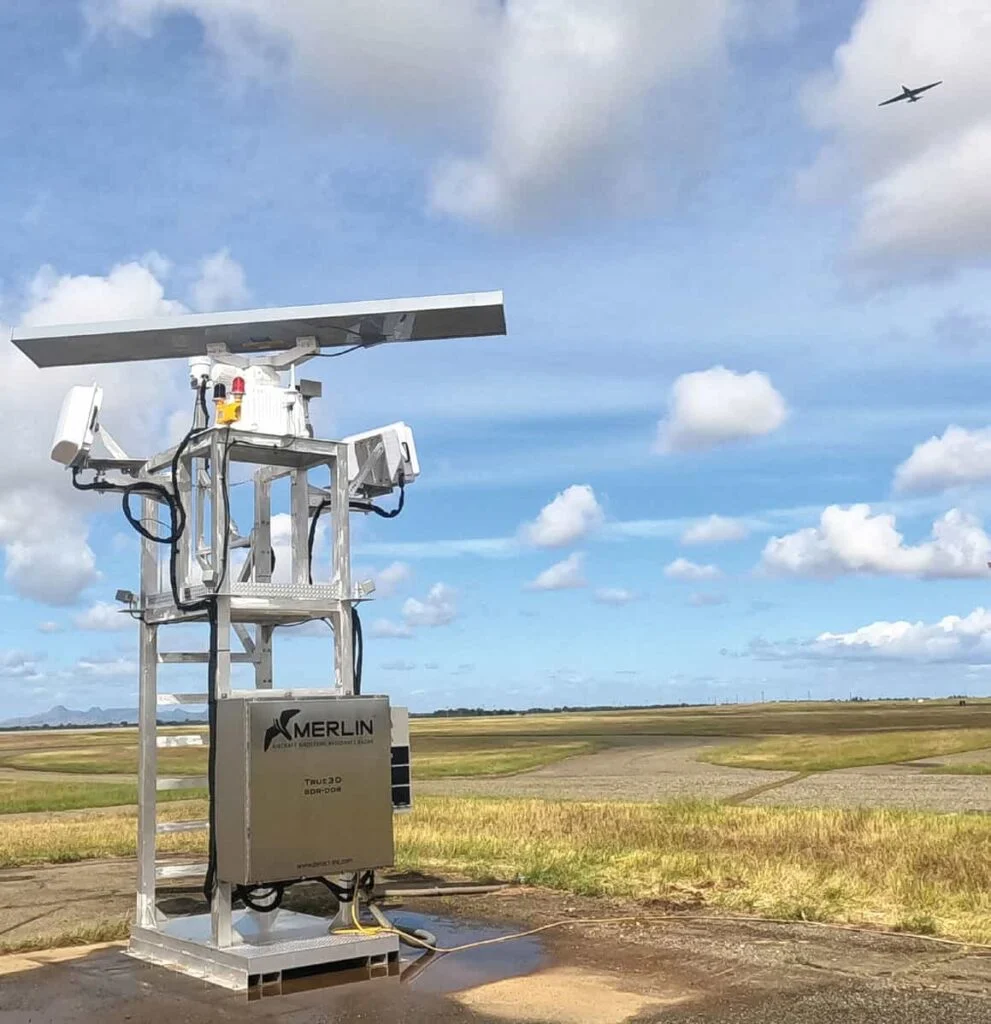

DeTect has recently showcased it’s HARRIER counter-UAS (unmanned aerial systems) technology at the U.S. army’s annual Maneuver Fires Integrated experiment (MFIX). Initially designed to safeguard Air Force installations from avian threats, HARRIER has been repurposed for a new mission.
“We have been working on thes capabilities for several years,” stated Adam Kelly, DeTect’s chief technology officer.“Our team united in 2016, and we quickly progressed to a point where we could integrate various components. Now, we collaborate to merge these elements efficiently without incurring exorbitant costs. While it’s a complex task, we have built upon our existing core technology.” The conventional HARRIER system has been available for consumer use for some time, but it made its MFIX debut in December 2017, aiming to involve soldiers in the operational feedback process.
“Demonstrating functionality in a lab is one thing, but applying it in real-world scenarios against vehicles is another,” Kelly added. The system not only provides visual confirmation of targets but also employs a thermal imaging camera, allowing radar to track objects across diverse terrains. This thermal capability enables users to monitor targets during nighttime and adverse weather conditions. The HARRIER progress team is also working on integrating the Maneuver Aviation Fires Integrated Submission (MAFIA), a interaction system designed to empower soldiers to neutralize drone threats effectively. The objective is to streamline operations so that a soldier can simply “push a button” to disable a target.
The ultimate aim is to create a cohesive, user-pleasant system that integrates various components seamlessly. Unlike other counter-UAS solutions, the HARRIER jammer can function in both directional and omni-directional modes based on operational requirements. Directional negation allows users to visualize friendly and enemy forces on a display, enabling them to select specific nodes to neutralize while minimizing collateral damage. In contrast, omni-directional negation provides a protective umbrella, neutralizing all UAVs within a specified radius.“Think of a standard incandescent light bulb as omni-directional,” explained Taylor Colapret, a systems engineer at Sierra Nevada Corporation. “A spotlight represents directional.”
“With a small team of soldiers, you can oversee an entire area,” he continued.“They can grasp the overall situation and execute negation from any location within that landscape. That’s the ultimate goal.”