
Inertial Navigation Systems (INS) play a vital role in the realm of autonomous technology, providing accurate navigation capabilities in environments where GNSS signals are unavailable. The effective integration of these systems is essential for optimizing performance and reducing operational interruptions.
Advanced Navigation specializes in INS solutions that are designed for straightforward integration, accommodating a variety of hardware and adhering to industry-standard protocols. In their informative piece, “Integrating Inertial Navigation Systems: Essential insights,” the company elaborates on the integration process and offers valuable guidance on selecting and implementing INS for autonomous applications.
This article delves into the following key areas:
The Importance of Seamless Integration
As the landscape of autonomous systems advances, the simplicity of integration becomes increasingly vital for maintaining operational efficiency. Inertial navigation systems (INS) are integral components that necessitate meticulous calibration and alignment, which can complicate their integration across various platforms.
When selecting an INS, several critical factors should be considered:
- Installation Time: An optimally designed INS minimizes the time required for integration.
- cost Efficiency: Streamlined installation processes can significantly reduce labor and technical expenses.
- Dependability: well-integrated systems provide enhanced accuracy and stability in navigation.
Advanced Navigation tackles these challenges by offering extensive documentation and strong technical support, ensuring a smooth integration experience for users.
Ensuring Hardware Compatibility for Effective INS Integration
The triumphant integration of an INS is heavily dependent on hardware compatibility. Advanced Navigation’s solutions are crafted to support a wide array of industry-standard interfaces, making them adaptable for numerous platforms. These include:
- Ethernet, CAN, RS-232, RS-422 – High-performance interfaces that minimize signal degradation.
- GP IO cables – Facilitating flexible connections to external devices like sensors and RTK GNSS systems.
- Ingress Protection (IP67) – Ensuring durability in harsh environments and challenging conditions.
By providing universal interfaces, Advanced Navigation guarantees compatibility with third-party hardware, enabling seamless integration into both new and existing systems.
SWaP Considerations: size,Weight,and Power Efficiency
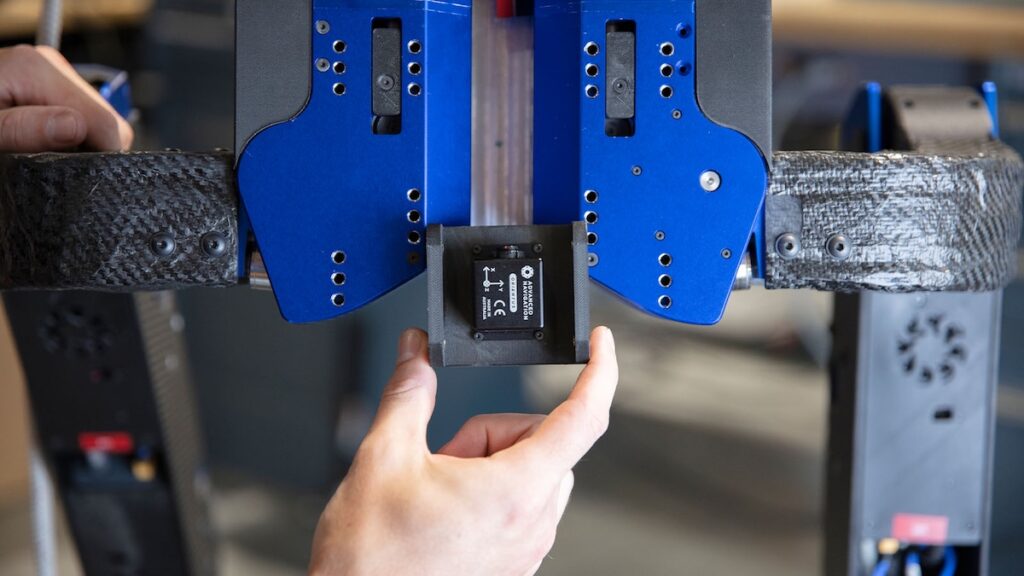
For many autonomous systems,particularly drones and compact vehicles,considerations of size,weight,and power (SWaP) are paramount. Advanced Navigation offers compact and lightweight INS solutions that enhance flight stability and fuel efficiency for drones, while also reducing power consumption, thereby extending mission durations and minimizing onboard power needs.
Additionally, Advanced Navigation provides OEM solutions, allowing for further customization tailored to space-constrained applications.
Dialogue Protocols and System Flexibility
Facilitating effective communication between system components is crucial. Advanced Navigation’s INS products are compatible with various industry-standard protocols, including:
- NMEA 0183
- NMEA 2000 (specifically for marine applications)
- Simrad
The proprietary Advanced Navigation Packet Protocol (ANPP) offers robust error-checking capabilities and is tailored for users requiring precise control over their INS configurations. This flexibility allows for effortless upgrades or modifications without compatibility concerns.
Integration Tools and User-Kind Interfaces
Advanced Navigation streamlines the integration process through the provision of hardware evaluation kits and software development kits (SDKs). These resources include:
Evaluation kits equipped with all necessary cables and accessories for installation and performance evaluation.
SDKs featuring example source code in C/C++, Python, Java, and more, enabling the development of custom applications and performance enhancements.
Moreover, their intuitive web-based graphical user interface (GUI) offers real-time insights into position, sensor performance, and system configuration options.
Thorough Support and Documentation
A crucial element of successful INS integration is access to thorough support. Advanced Navigation provides:
- In-depth documentation covering installation and troubleshooting.
- 24/7 technical support from engineers with extensive product expertise.
- Continuous assistance to ensure optimal system performance.
Their dedication to customer support simplifies the integration of their solutions into any platform.
Regulatory Compliance and Led Times
Advanced Navigation ensures that its products comply with international regulations and certifications, including:
ITAR-free – Guaranteeing no export restrictions.
CE, RED, MIL-STD-810 compliance – Meeting environmental and operational standards for military applications.
Considering potential lead times of up to 12 months, it is indeed essential to factor in availability when selecting an INS solution.
For developers of autonomous systems,selecting an INS that prioritizes ease of integration,comprehensive support,and flexibility is vital. Advanced Navigation offers tailored solutions that simplify complexity and enhance performance, paving the way for long-term success.
To discover the full spectrum of Advanced Navigation’s INS solutions and understand how they can elevate your platform’s capabilities, read the complete article on the Advanced Navigation website >>