

Understanding the thermal Limits of Parylene Coatings
HZO investigates the thermal constraints of Parylene coatings, which are primarily influenced by the specific type of Parylene utilized and the surrounding environment during application.
Impact of Environmental conditions
In environments rich in oxygen, such as those exposed to air, Parylene coatings can become fragile and develop cracks when subjected to heat.
Temperature Resistance of different Parylene Types
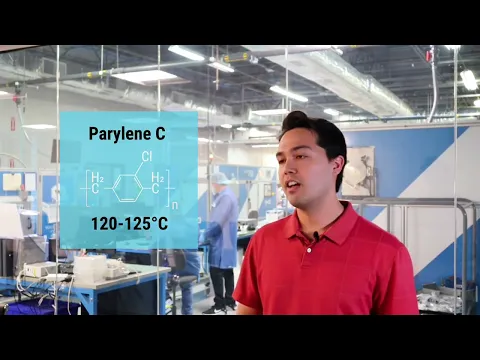
Parylene N exhibits brittleness and cracking at approximately 70–80°C when exposed to Earth’s atmosphere. in contrast, Parylene C offers enhanced thermal stability, with degradation occurring around 120–125°C. Parylene F, also referred to as Parylene VT4, can endure temperatures exceeding 250°C before showing signs of brittleness.
Enhanced Performance in Inert Environments
When applied in inert atmospheres, such as argon or nitrogen, Parylene can withstand significantly higher temperatures. Under thes conditions, all varieties of Parylene can maintain service temperatures above 200°C.
For further insights, click here >>