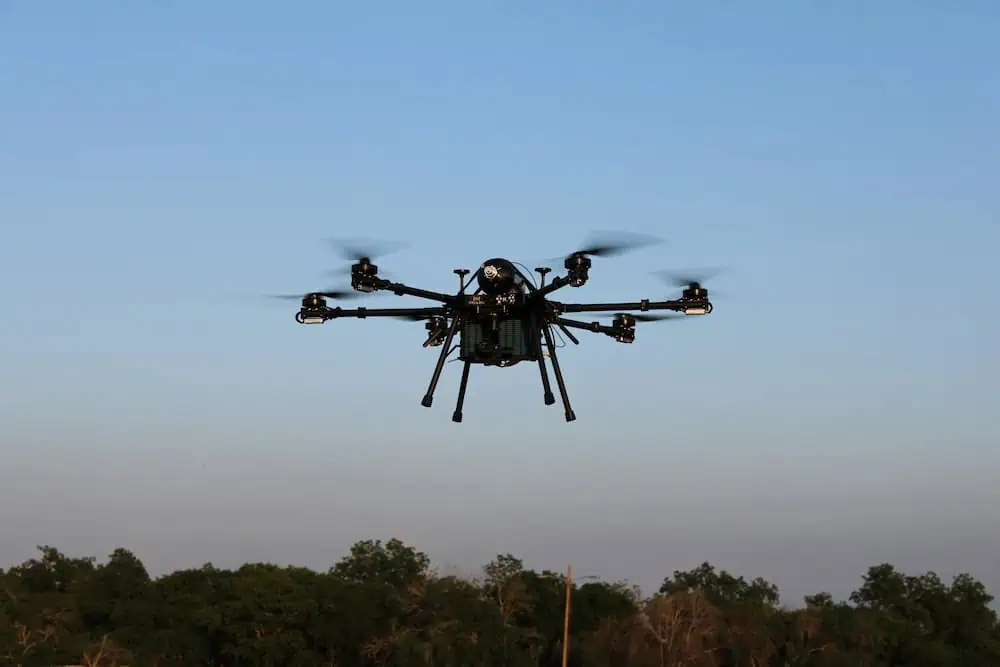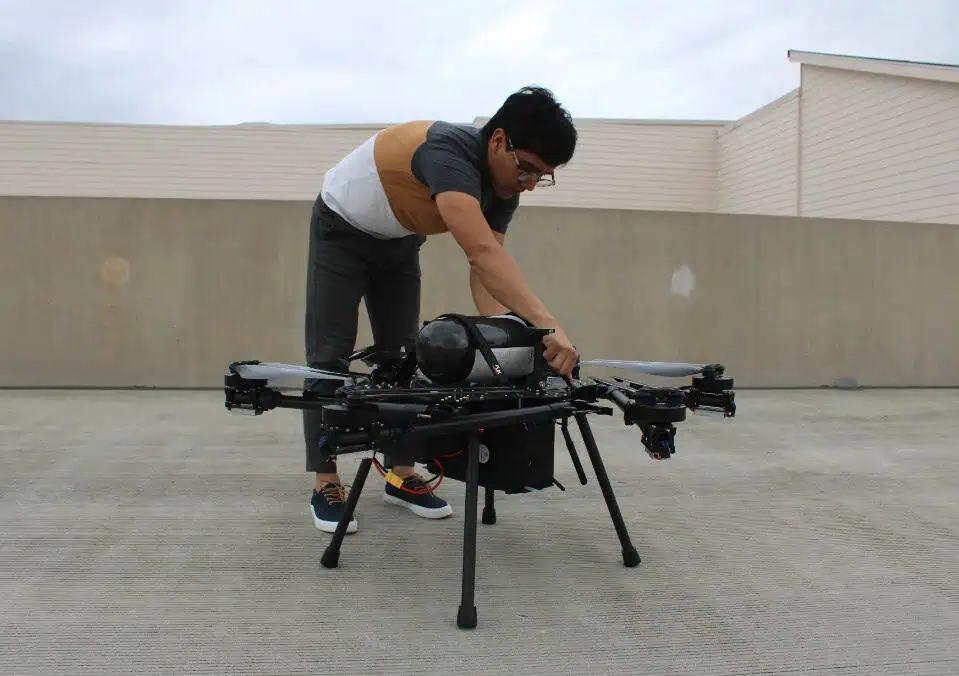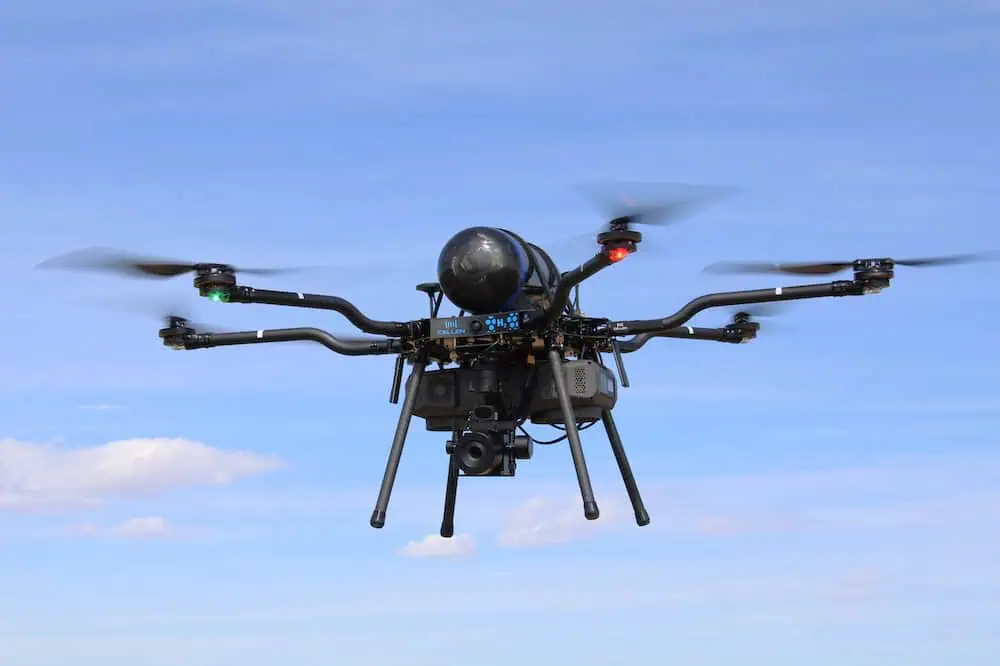


Cellen’s innovative hydrogen-powered drones are transforming the landscape of commercial UAV operations.The H2-6 long-endurance drone utilizes a fuel cell that converts hydrogen into electricity, producing zero emissions adn minimal noise.
conventional drones predominantly depend on lithium-ion batteries, which limit flight duration and necessitate frequent recharging. This poses notable challenges for operators, especially in time-sensitive or remote environments.
Cellen’s fuel cell technology effectively mitigates these issues, offering extended flight times, reduced downtime, and enhanced support for critical missions.
Harnessing Hydrogen Fuel Cells for Clean and Efficient Energy
The integration of fuel cell technology is markedly improving drone capabilities. In systems like the H2-6, the fuel cell acts as the primary power source, generating electricity through a chemical reaction between hydrogen and oxygen, with water vapor as the sole byproduct.
- Emissions-Free Operation: Unlike traditional combustion engines, hydrogen fuel cells produce no harmful emissions and operate with considerably lower noise levels.
- Perfect for Sensitive Environments: The quiet and low-vibration nature of these systems makes them ideal for inspections, monitoring, and surveying in areas where minimal disturbance is crucial.
The Mechanism of Hydrogen Fuel Cells
A hydrogen fuel cell functions through a clean electrochemical process.
Hydrogen enters the cell and interacts with a catalyst, splitting into electrons and protons. The movement of electrons through an external circuit generates electricity.
As the electrons and protons recombine with oxygen on the opposite side of the cell, water vapor is produced. This entire process occurs without combustion, resulting in a highly efficient energy conversion system devoid of pollutants.
Cellen’s H2-6: A High-Performance Hybrid UAV
The H2-6 features a hybrid powertrain that combines compressed hydrogen, a fuel cell stack, and a lithium polymer (lipo) battery. Each element is essential for delivering consistent and reliable power during flight.
Hydrogen is stored in lightweight, high-pressure composite tanks. The fuel cell stack converts hydrogen into electricity while in flight. The LiPo battery aids in startup and meets peak power demands, also serving as a backup in emergencies.
this configuration allows the H2-6 to remain airborne for over two hours while carrying a payload of up to 2.7 kg (6 lbs), a feat challenging to achieve with battery-only or combustion systems.
Dependable Energy for Environmentally Sensitive Missions
Hydrogen fuel cells not only extend operational range but also facilitate low-impact aerial missions in ecologically sensitive areas.
Pollution-Free Emissions
The H2-6 emits solely water vapor, making it safe for use near renewable energy sites, conservation areas, or populated regions.
Quiet Operation
The reduced number of moving parts and absence of combustion contribute to quieter flights, which is advantageous for wildlife observation, scientific research, and urban operations.
Streamlined Maintenance
As the fuel cell generates power without combustion, it has no internal moving parts. The drone’s active components are primarily its motors, akin to standard electric UAVs, which minimizes wear and simplifies maintenance.
The Future of UAV Operations with Hydrogen Fuel Cells
Fuel cell technology paves the way for new opportunities in long-range drone applications. It offers reliable, clean energy that supports more intricate missions while reducing environmental impact. The H2-6 exemplifies a new generation of American-made, NDAA-compliant hydrogen drones that merge endurance with operational duty.
Each unit is backed by a comprehensive platform that includes hydrogen refueling infrastructure, payload integration options, and field-ready support systems.
read the original article >>