

Black Swift Technologies specializes in creating systems tailored for extreme scientific research, focusing on monitoring and analyzing natural events like hurricanes, tornadoes, and volcanic activity. In this article, the company elaborates on the intricacies involved in designing unmanned aerial systems (UAS) that cater too the rigorous demands of scientific expeditions in challenging environments.
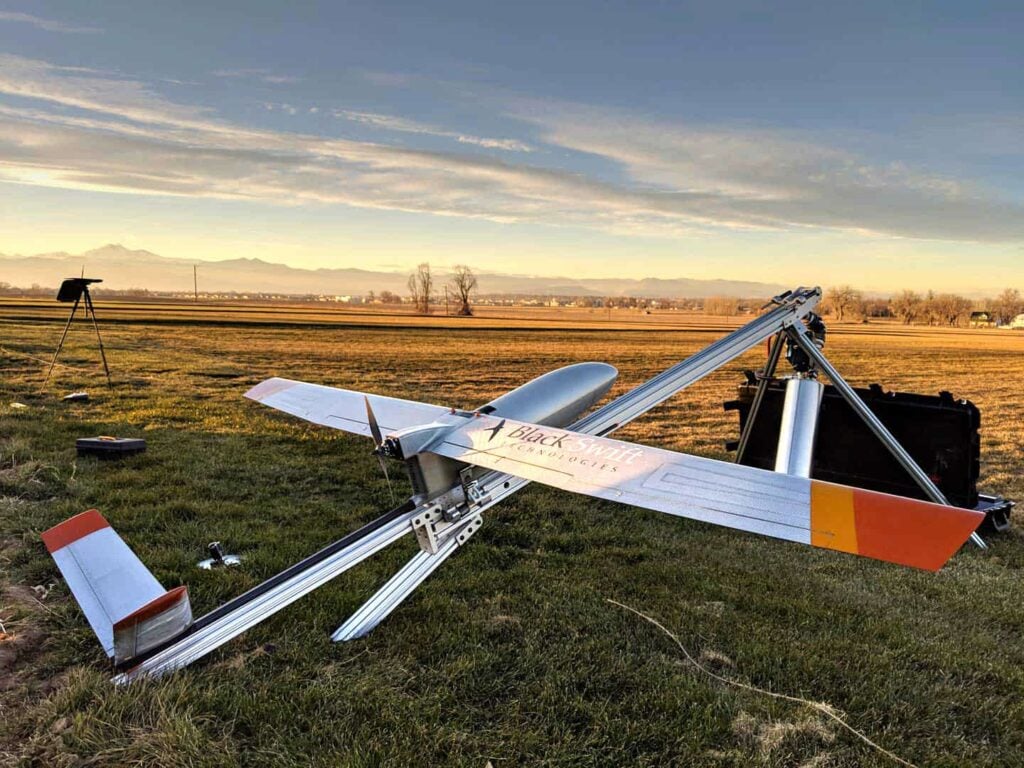
Black Swift Technologies is renowned for its expertise in unmanned aerial systems designed for scientific missions in challenging conditions. The Black Swift S2, in particular, is engineered for research purposes. What challenges do environmental scientists encounter that lead them to select your UAS?
Researchers frequently enough find themselves in situations where waiting for perfect weather could result in the loss of critical data, prompting them to utilize our S2 UAS.
One of the primary challenges in selecting a UAS for scientific missions is ensuring it can handle high-altitude flights amidst strong winds and harmful airborne particles. The Black Swift S2 boasts a superior payload capacity, extended flight endurance, higher operational ceiling, and greater range compared to other models. it is adept at navigating arduous terrains and extreme conditions.
Regardless of environmental factors, the S2 can deliver nearly continuous data collection.Its field-swappable payload system allows for fast changes in the payload without the need for specialized tools, making it versatile for various applications. For instance, it can carry cameras in favorable conditions, but can easily switch to other equipment when the weather turns unfavorable.
The Black Swift E2 features a distinctive payload configuration at the front rather than underneath. what benefits does this design offer?
By positioning the payload at the front, users gain an unobstructed field of view, even when looking upwards.
the E2 UAS is specifically designed for structural and industrial inspections, ensuring precise, reliable, and safe navigation around intricate structures while providing real-time data to operators. It also features a quick-change payload bay that allows for easy swapping of sensor packages based on the operator’s needs. Additionally, the battery pack is easily replaceable, and its placement can be adjusted to accommodate various payload weights, supporting a wide array of sensors.
The SwiftCore™ Flight Management System (FMS) has gained traction among commercial users and has been utilized for significant scientific missions by organizations like NASA and NOAA. Can you explain the benefits of this system for our audience?
The swiftcore FMS is recognized for its cost-effectiveness, robust performance, and user-kind operation. It offers several advantages that cater to the needs of scientific field campaigns in challenging environments.
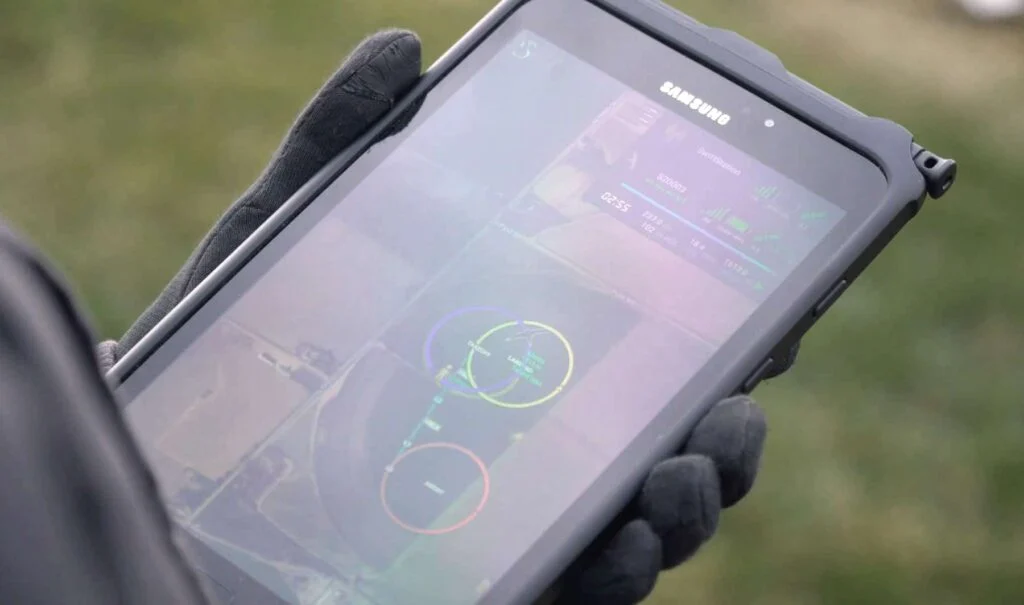
This system operates on Android-based tablets and smartphones, providing a familiar interface that enhances user mobility and facilitates immediate data collection.
“The user-centric interface simplifies flight planning, and mission monitoring and mapping can be conducted from a handheld device, eliminating the need for a table.”
Precision in flight is crucial for accurate data collection, and the tablet-based system can generate flight plans in real-time, allowing modifications to be made mid-flight. The SwiftCore FMS enables users to deploy their UAS with minimal training requirements.
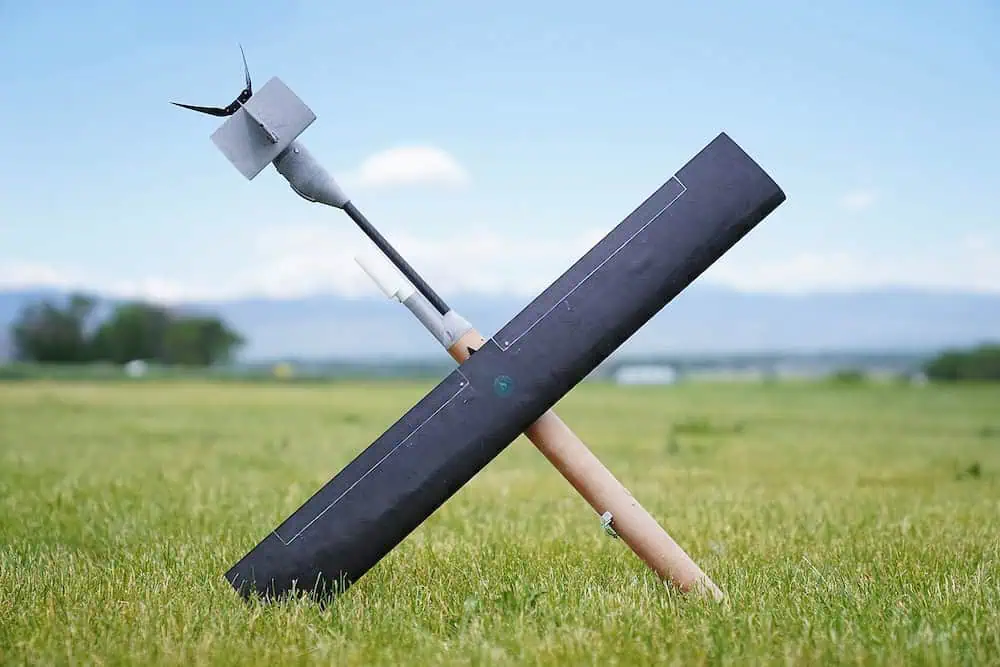
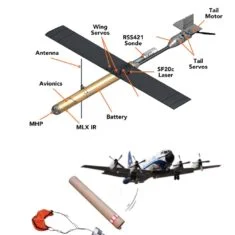
The Black Swift S0 features a unique tail design and is capable of fully autonomous missions at altitudes up to 15,000 feet AGL. What challenges was the S0 designed to address, and can you share any missions it has undertaken?
The Black Swift S0 was developed to assist organizations like the National Oceanic and Atmospheric Administration (NOAA) in routinely gathering crucial meteorological and oceanic data within the tropical cyclone boundary layer, an area too perilous for manned aircraft.
This UAS can sample the kinematics and thermodynamics of the lower boundary layer and is built to endure the severe weather conditions found in the most perilous parts of storms.
In 2023, NOAA successfully deployed the Black Swift S0 into Hurricane Tammy to analyze the lower atmosphere of the storm. The capabilities of the S0 also proved beneficial to the United States Air Force,which required an air-deployed aircraft. Black Swift Technologies made minor modifications to the S0, resulting in a design capable of vertical take-off and landing (VTOL) that met USAF specifications.
What are your aspirations for 2024 and beyond?
Black Swift Technologies is committed to leading innovation in the advancement of reliable, robust, and high-quality uncrewed aircraft systems. Our projects for 2024 aim to enhance UAS capabilities and broaden their applications.
We intend to offer Beyond Visual Line of Sight (BVLOS) solutions that can cover extensive distances while integrating the latest vision-based sensing technologies to boost reliability and autonomy.
Recently, Black Swift Technologies received funding from NASA to create an uncrewed vehicle capable of navigating Venus’ atmosphere while collecting data. Our proposal for a vehicle that harnesses Venus’ winds for energy to sustain flight exemplifies our pursuit of cutting-edge UAS applications.
Thank you for sharing your insights with us today. We eagerly anticipate the exciting challenges that lie ahead for Black Swift Technologies.