
Aerofex’s Groundbreaking Patent Revolutionizes Thrust Vector Control for Propeller Aircraft
The United States Patent and Trademark Office (USPTO) has granted a notable first Action Allowance to Aerofex for its innovative thrust vector control technology,applicable to both propeller-driven aircraft and unmanned aerial vehicles (UAVs),in a remarkably short timeframe of under eleven months.
Meaningful Technological Breakthrough
The patent, numbered 12,371,154 and titled “Thrust Vectoring Propulsor,” signifies a major leap forward in the realms of aerial vehicle propulsion, control, and operational efficiency. The swift allowance on the initial office action underscores the technology’s originality and its promising potential in the aviation sector.
Transformative approach to Propulsion
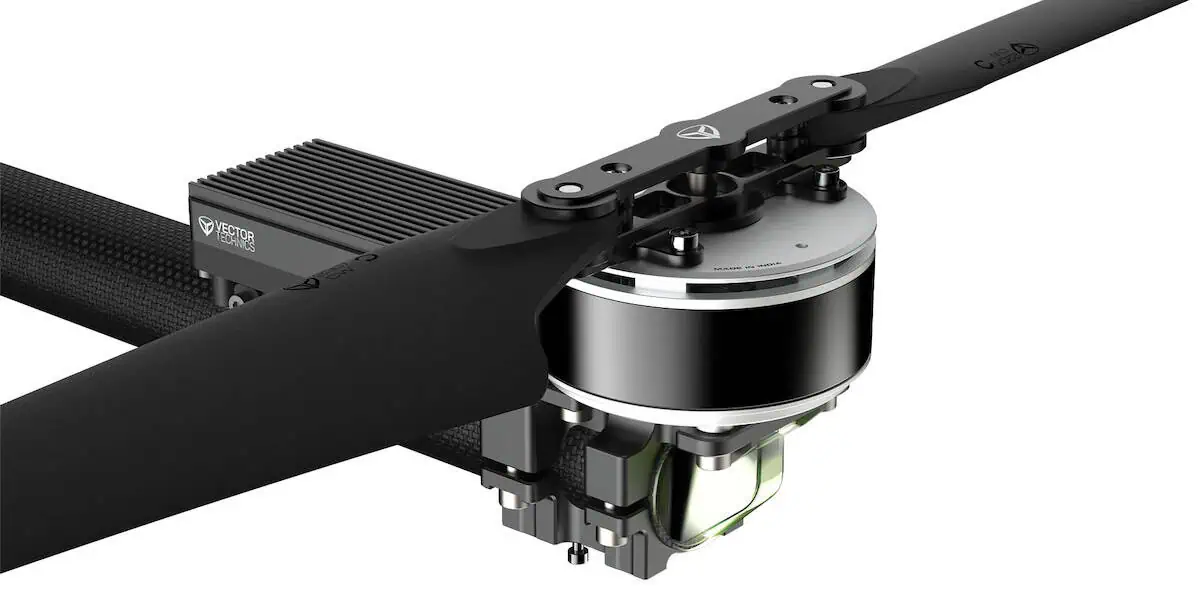
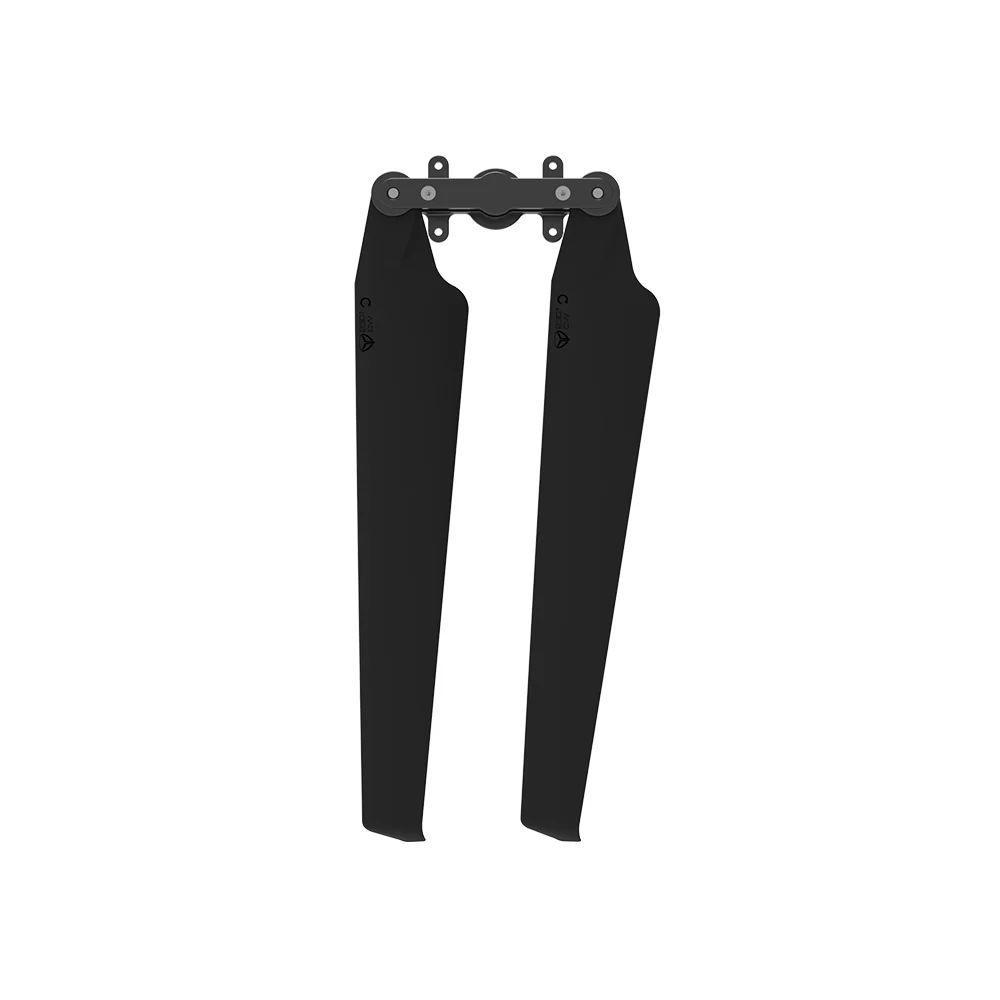
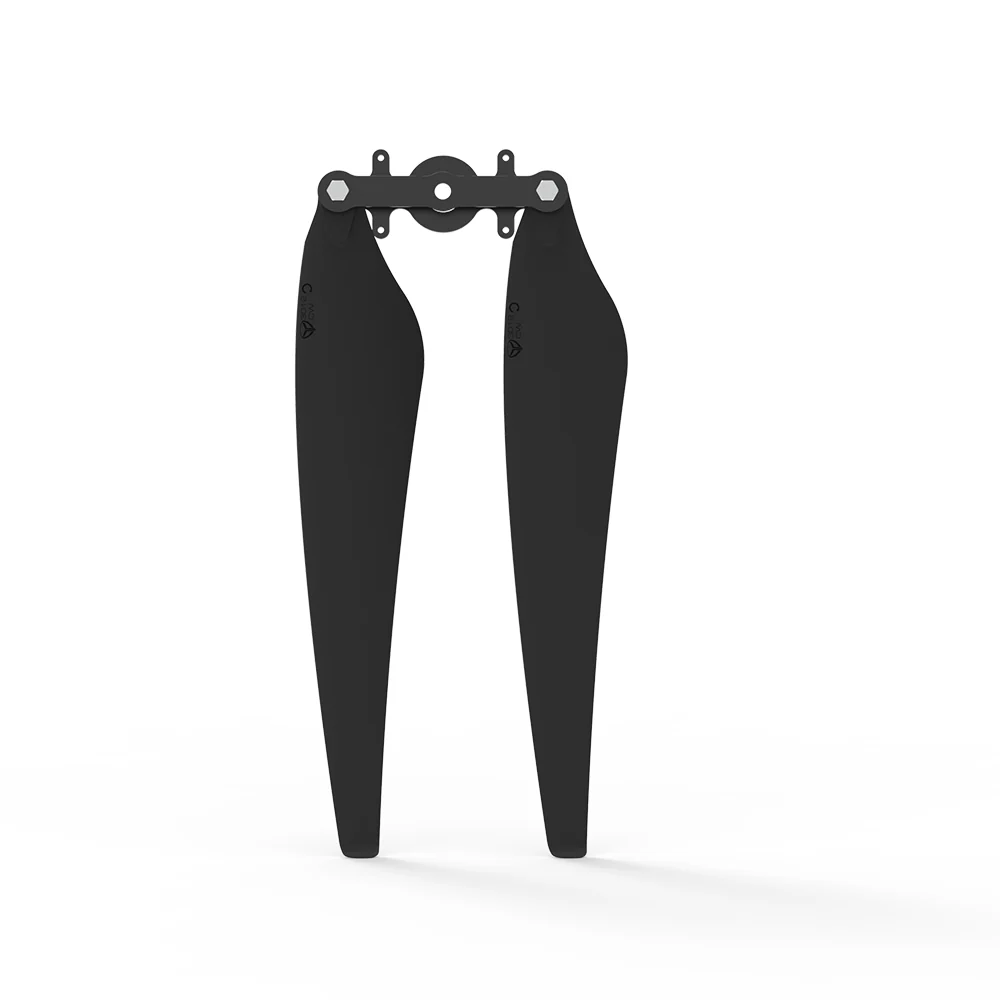
this patented technology introduces a novel mechanism that allows virtually any propeller-driven vehicle to harness thrust vector control, achieving unparalleled efficiency, extended range, and enhanced maneuverability.
Overcoming Traditional Limitations
Despite the recognized advantages of thrust vectoring, traditional methods have faced challenges due to their complexity, weight, and prohibitive costs. Aerofex’s innovative approach effectively addresses these issues, paving the way for broader adoption.
Moreover, it tackles a significant challenge for drone manufacturers: the scaling of vehicles, notably among the widely used multicopter designs.
Real-Time Thrust Adjustment
In contrast to standard propeller systems, Aerofex’s technology dynamically modifies thrust intensity and direction across multiple axes in real-time, responding to flight conditions and pilot commands wiht remarkable precision.
Industry Insights from aerofex’s CTO
Mark De Roche, the Chief Technology Officer and Founder of Aerofex, remarked, “This technology signifies a essential shift in our understanding of propeller-driven flight. By empowering pilots and autonomous systems to accurately control thrust direction, we are not only enhancing the performance and efficiency of existing aircraft but also enabling entirely new categories of aerial vehicles that were once unimaginable.”
He further noted, “Ther is a ample demand for technologies that can provide both efficiency and capability, especially as the industry becomes increasingly aware of its environmental footprint.”
Market Trends and Future Prospects
The global UAV market is anticipated to reach an notable $56.0 billion by 2025, with propeller-driven systems expected to dominate the propulsion technology landscape across commercial, defense, and consumer sectors.The advanced air mobility sector, often referred to as the “air taxi” market, is gaining momentum among both consumers and regulators in the United States. Additionally,the recent enactment of the FAA’s MOSAIC regulations for light aircraft,specifically targeting propeller and rotorcraft,is poised to invigorate and considerably expand this sector.
Aerofex’s Strategic Positioning
This patent places Aerofex at the forefront of this transformative wave. As the company progresses towards commercialization and forges strategic partnerships, it has recently launched its inaugural product: a thrust vectoring evaluation kit aimed at researchers. Currently, Aerofex is also conducting advanced flight tests of a heavy-lift aircraft powered by its innovative propulsors and is in discussions with various aerospace manufacturers regarding potential licensing agreements.