


revolutionizing Aquatic Research: Plymouth Marine Laboratory’s Partnership with RIEGL
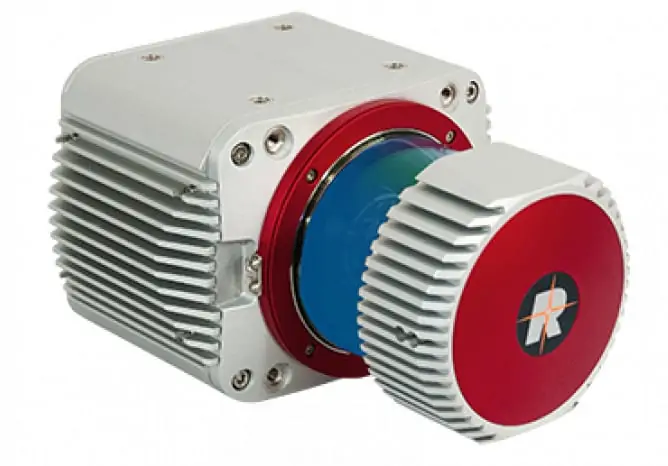
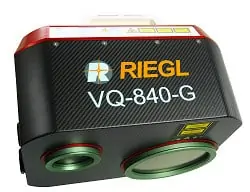
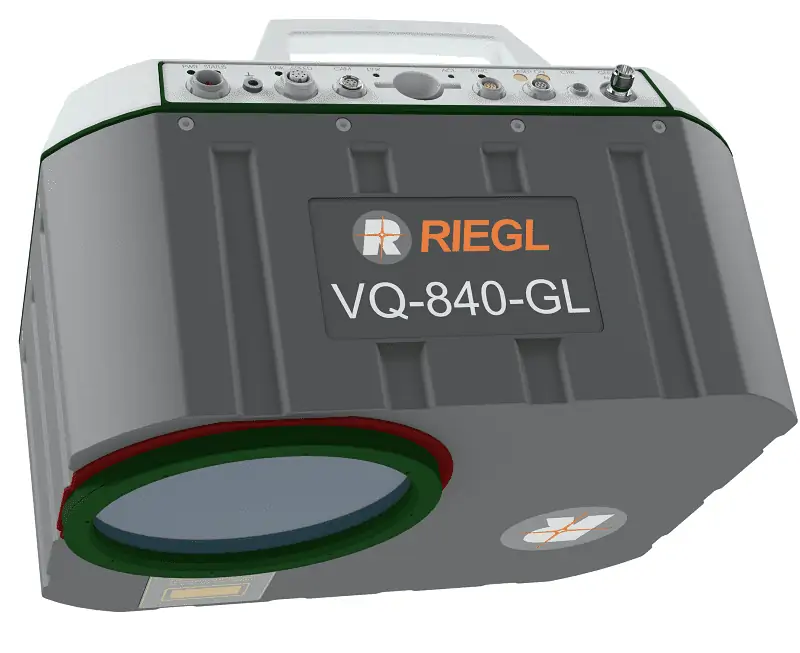
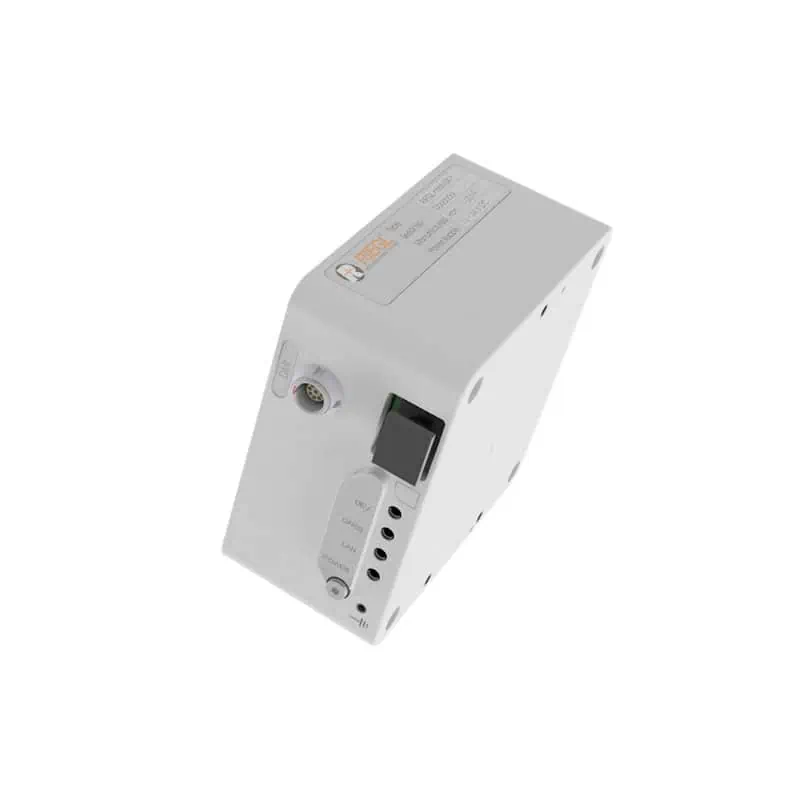
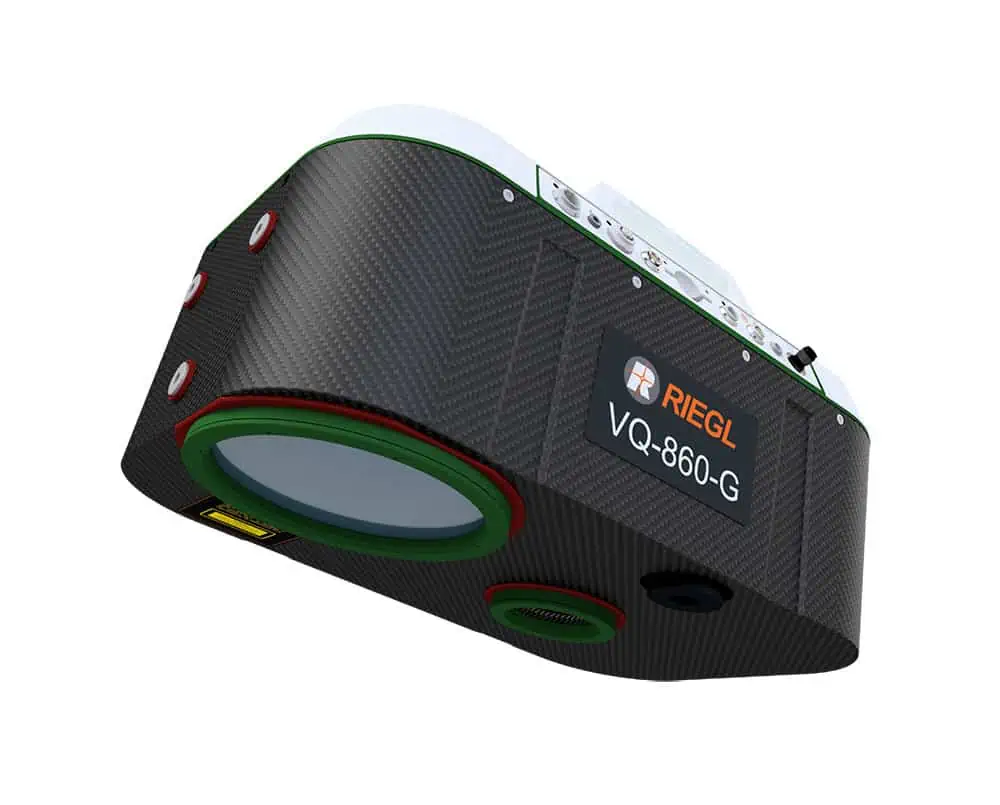
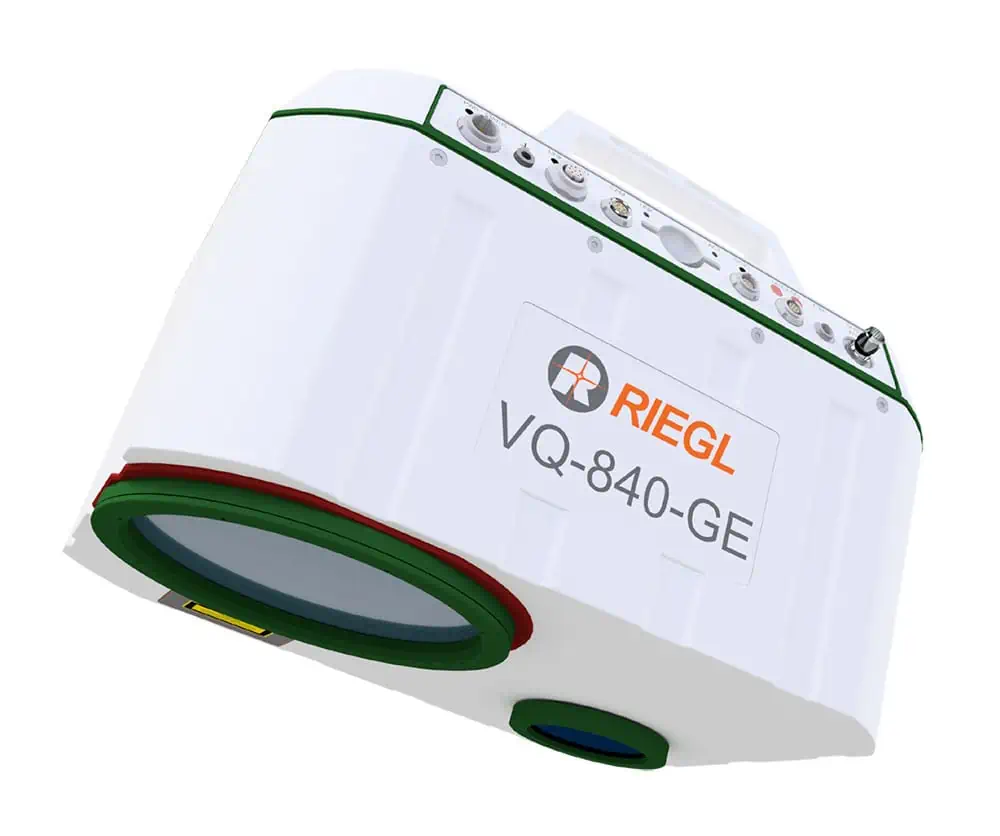
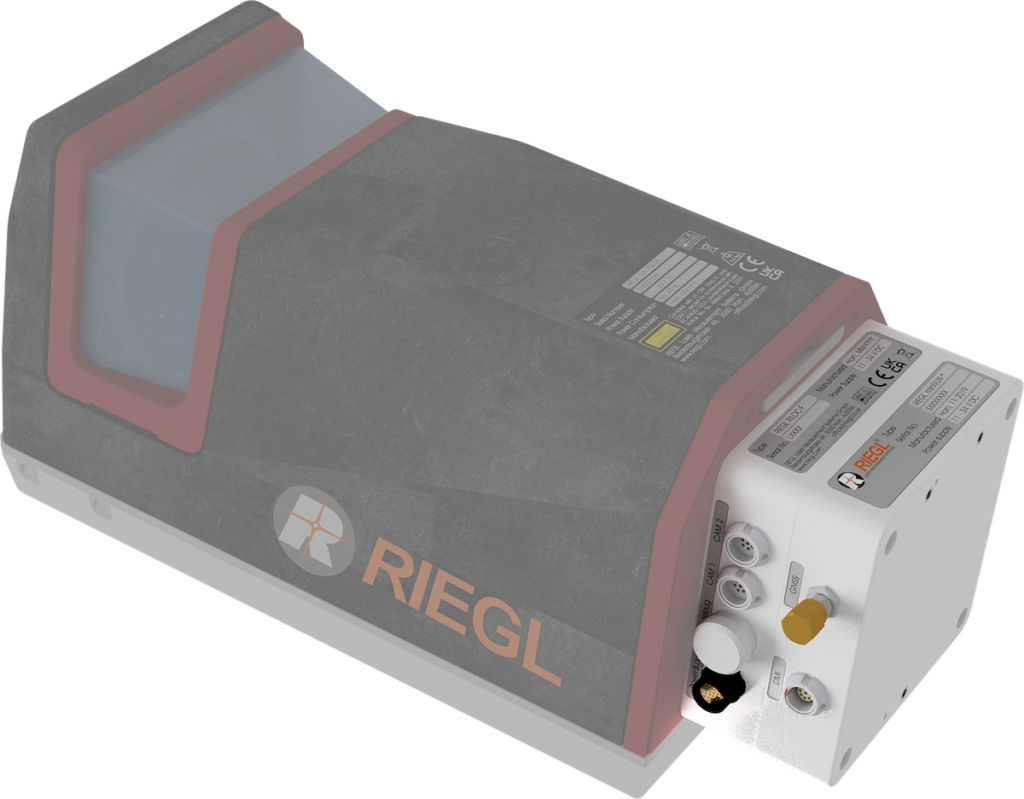
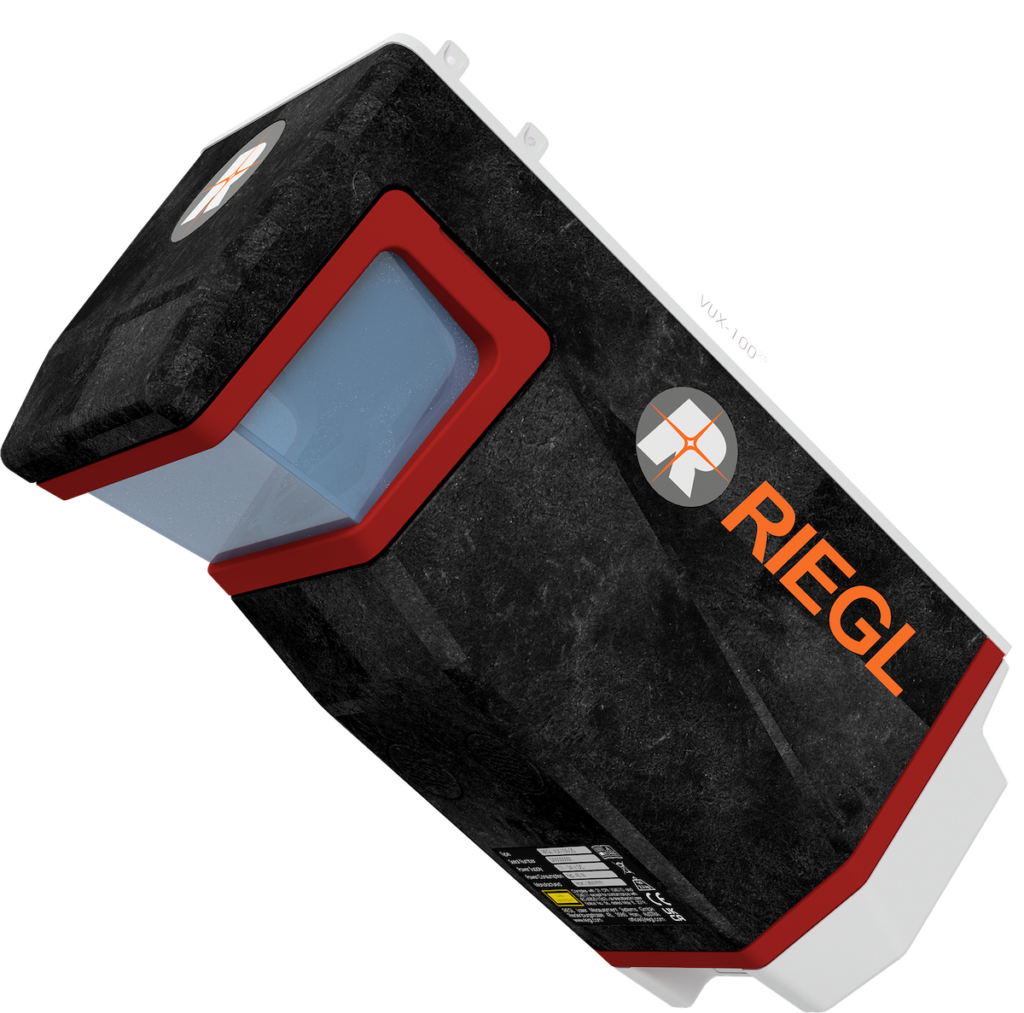
Plymouth Marine Laboratory (PML) has chosen RIEGL’s VQ 840 GL Topo Bathymetric LiDAR sensor to enhance its groundbreaking research into aquatic ecosystems, substantially improving its ability to gather high-resolution data for both marine and freshwater investigations.
Innovative Deployment for Environmental Monitoring
This state-of-the-art sensor is designed for use on remotely piloted aerial vehicles and will be incorporated into a comprehensive environmental monitoring initiative funded by the UK Research and innovation Natural Environment Research Council as part of the Net Zero Aerial Capability programme. this advancement marks a significant leap in airborne LiDAR technology for shallow water mapping and nearshore terrain analysis, facilitating data collection in intricate and sensitive environments while reducing ecological footprints.
Enhancing Data Collection Methodologies
By integrating RIEGL’s cutting-edge LiDAR technology,PML aims to refine its data collection techniques and establish new benchmarks for environmental data acquisition in challenging coastal and inland water settings.
Expert Insights on the Collaboration
Aser Mata Torollo, an Earth Observation Scientist at PML, expressed enthusiasm about the collaboration, stating, “Working with RIEGL has been a rewarding experience. we are eager to explore the unique capabilities this sensor offers, which will enable us to enhance our understanding of blue carbon habitats by capturing high-resolution bathymetric data in shallow waters that were previously inaccessible. Over the next three years, we look forward to continuing our partnership with RIEGL to evaluate the sensor in various marine environments and develop new applications based on the data we gather.”
Jonathan Robinson, Technical Sales Manager for RIEGL UK, added, <em“Bringing our advanced laser scanning technology to PML, a leader in marine research, is an exciting opportunity. Our team at RIEGL UK is committed to supporting PML in leveraging our innovative technology.”
Advanced Features of the RIEGL VQ 840 GL
The RIEGL VQ 840 GL provides accurate bathymetric measurements utilizing green wavelength laser technology, which penetrates water surfaces to identify seabed and underwater features in shallow, clear-water conditions. The sensor boasts full waveform recording, customizable scanning settings, and an extensive field of view, allowing researchers to adjust system parameters to meet specific survey goals and environmental contexts. These capabilities will aid PML in aligning operational parameters with project needs and environmental factors,enhancing accuracy and reliability.
Establishing best Practices in Bathymetric Surveying
A crucial aspect of this initiative is the creation of a national best practice framework for airborne bathymetric surveying. PML will conduct comparative evaluations of the RIEGL system alongside other bathymetric and terrestrial sensors in various real-world scenarios.The results will be published and made publicly available, promoting widespread adoption and technical standardization within the UK scientific community.
Collaborative Efforts with Leading Institutions
The project,titled “A Remotely Piloted Aerial Green LiDAR for Mapping Bathymetry of Shallow Waters and Elevation of Boundary Land,” involves collaboration with prominent UK institutions,including the British geological Survey,National Oceanography Center,Scottish Association for Marine Science,and the UK Centre for Ecology and hydrology.
Promoting Open Access to Innovative Technology
The ultimate goal is to make this technology and its associated data freely accessible to researchers across the nation, facilitating the broader request of UAV-based bathymetric LiDAR in support of sustainable environmental management and climate resilience.