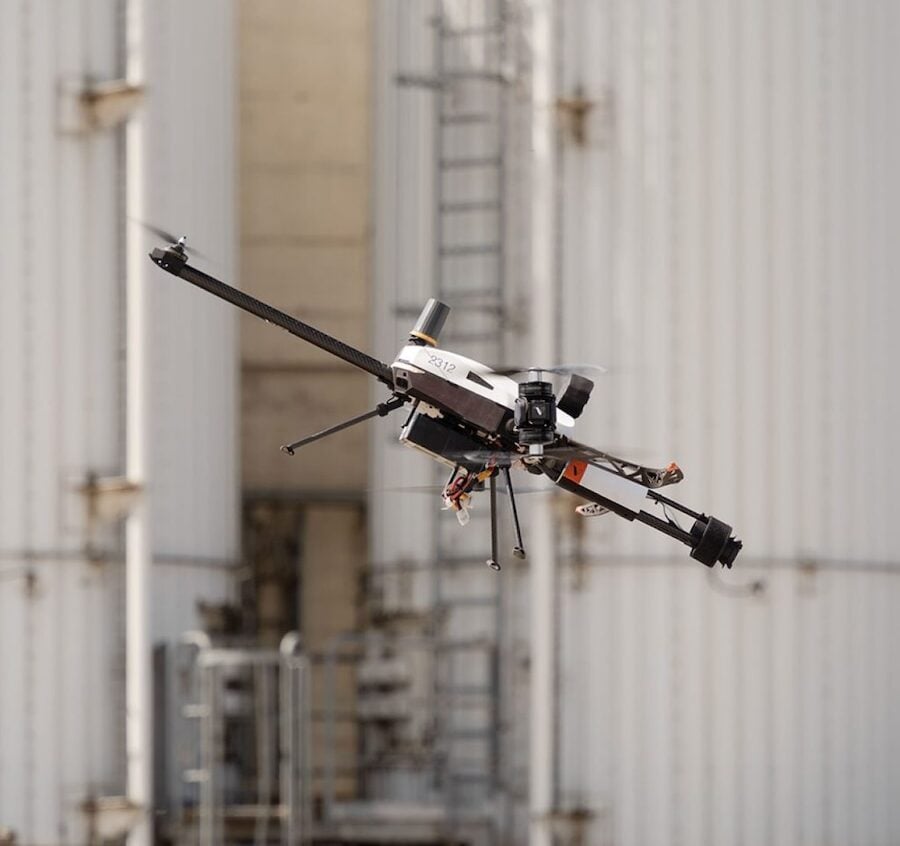
Voliro is transforming concrete structure assessments with its innovative Voliro T inspection drone, which features omnidirectional movement for precise and stable testing across diverse structures.
Concrete evaluation techniques are generally classified into two main types: destructive and non-destructive testing. Destructive testing aims to determine the performance limits of a concrete sample or to investigate the reasons behind its failure.Techniques such as pull-out tests or flexural tests apply force until the concrete fails, thereby measuring its strength and durability. Consequently,destructive testing is primarily utilized for quality assurance prior to construction or during forensic evaluations of structural failures.
In contrast, non-destructive testing (NDT) assesses the quality, integrity, and strength of concrete without inflicting permanent damage. These methods are instrumental in identifying flaws, discontinuities, and signs of deterioration. Common NDT techniques include ultrasonic testing,industrial radiography,magnetic particle inspection,and liquid penetrant testing,among others.
NDT allows for repeated evaluations and ongoing condition monitoring throughout the lifespan of an asset.It provides critical data regarding mechanical stress,cracking,spalling,and delamination,enabling asset owners to implement preventive measures that can avert costly repairs and regulatory fines.
When is Non-Destructive Testing necessary?
All concrete structures—whether commercial, residential, or industrial—must comply with safety regulations. Industrial facilities, in particular, that bear heavy loads must meet specific design criteria, including resistance to fatigue from frequent foot traffic.
While these regulations may vary by country and sector, their fundamental goal remains consistent: owners must ensure the reliability and safety of primary structures. These standards are crucial, as inadequate maintenance of concrete structures can lead to disastrous outcomes.
Concrete assets in industrial settings, such as silos, storage tanks, and kilns, are susceptible to deterioration, mechanical stress, abrasion, excessive loads, moisture infiltration, and temperature variations. As an example, silos that store moist organic materials can produce lactic and acetic acids that react with the cement matrix, gradually compromising the structure until it fails.
Standards and Regulations in the Industry
To mitigate such failures, various industry standards and regulations have been established. The recommended frequency for concrete NDT varies based on factors like asset type, age, and operational intensity. Generally,all concrete assets should undergo comprehensive inspections every 3 to 5 years,while annual NDT evaluations are advisable for aging structures or those with a history of important damage and repairs.
Methods of Non-Destructive Testing for Concrete Structures
Industry guidelines specify recommended NDT techniques for concrete structures. Testing must be performed by certified inspectors using specialized non-destructive testing equipment. Depending on the asset and its operational conditions, inspectors will choose the most appropriate method.
Different inspection techniques are designed to detect various defects, including surface dents, subsurface cracks, scaling, delamination, and stress from excessive loads. This data is collected through ultrasonic, stress wave, nuclear, thermal, magnetic, and electrical readings.
Ultrasonic Testing
Ultrasonic testing identifies defects by analyzing reflected high-frequency sound waves. By examining the trajectories and timing of ultrasonic pulses, inspectors can determine the location, size, and severity of delamination, debonding, or cracking.
This method is also effective for measuring concrete thickness to ensure compliance with construction standards.Thickness loss can occur due to abrasion, freeze-thaw cycles, or fungal and mold growth, which degrade protective coatings and lead to further structural damage.
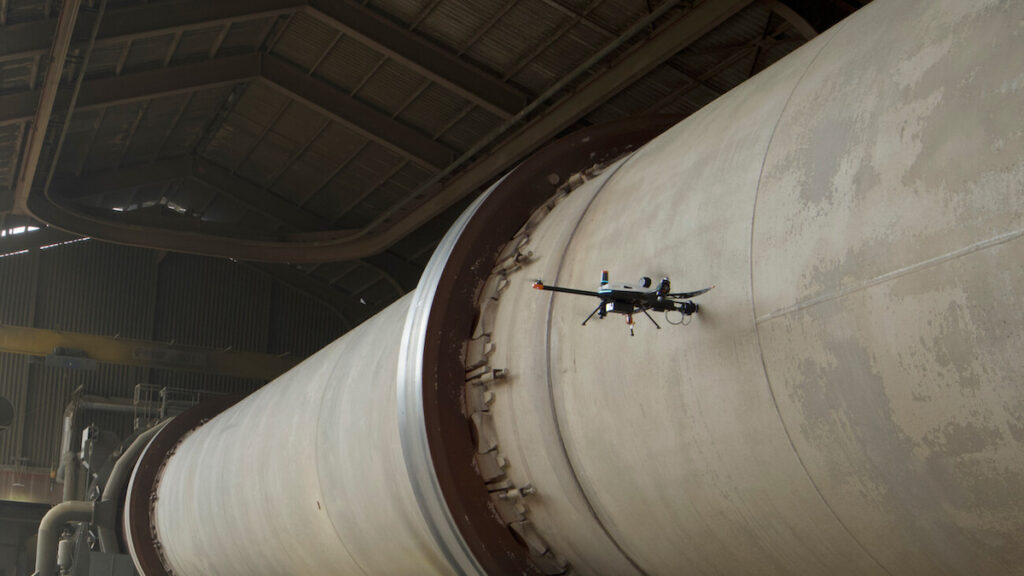
While ultrasonic testing yields high-quality data, its submission can be limited due to the necessity for direct contact with the surface. Large industrial structures may require scaffolding or aerial platforms for access, unless an industrial inspection drone is employed.
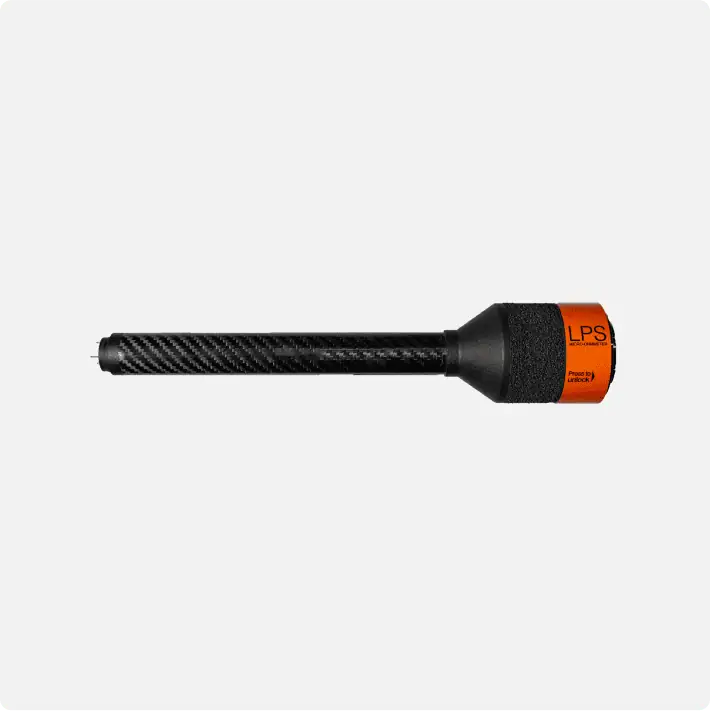
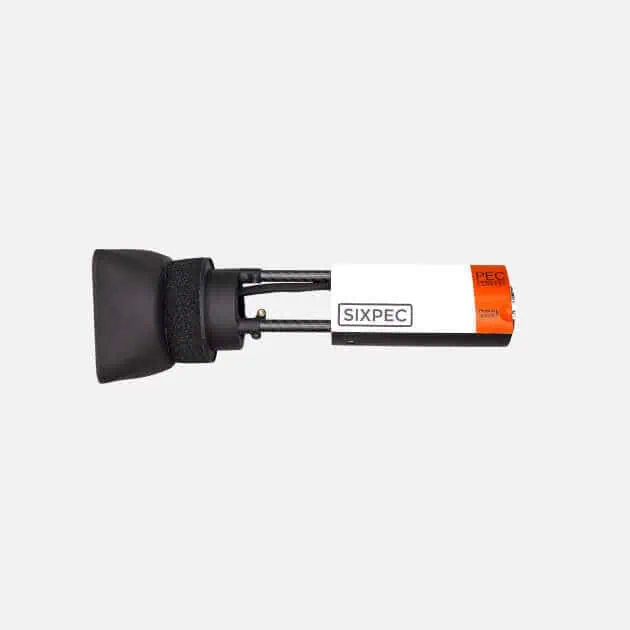
Voliro has created an omnidirectional drone equipped with mountable NDT payloads.With double tilt rotors and an advanced sensing system, the drone can approach structures from various angles, conducting wall thickness measurements with an ultrasonic transducer or detecting structural damage using an electromagnetic acoustic transducer (EMAT).
With Voliro drones, inspectors can collect up to 200 readings per hour and inspect 5 to 10 concrete storage tanks daily, reaching challenging areas without the need for scaffolding.
Radiographic Testing
industrial radiography generates X-ray images of concrete structures,enabling inspectors to analyze density and composition. Gamma rays can penetrate several feet of material, revealing defects such as voids, honeycombing, delamination, and density inconsistencies that may compromise structural integrity.
This method is also effective for locating reinforcement bars to ensure compliance with design specifications. The International Atomic Energy Agency endorses radiographic testing as a means to uphold high-quality standards in nuclear facilities.
Though, radiographic testing poses challenges, including the need for portable scanners, additional safety measures, and protective shielding, making it costly and logistically complex for field applications.
Acoustic Emission Testing
Acoustic emission testing detects mechanical vibrations that signify structural stress. Unlike other NDT methods, AE not only identifies defects but also assesses their severity and progression under varying conditions.
AE is particularly beneficial for evaluating load-bearing capacity and identifying microcracking in concrete structures. It also verifies the effectiveness of repairs by measuring emissions before and after reinforcement work.
One significant advantage of AE is its reliability across different cement types,admixtures,curing conditions,and temperatures. However, its detection range is limited, necessitating unobstructed surface access. In large concrete structures, acoustic signals may weaken before reaching sensors, possibly affecting data accuracy.
Thermal Imaging
Thermal imaging captures temperature variations on the surface of concrete structures, highlighting potential defects. Elevated temperatures may indicate mechanical stress or chemical degradation, while cooler areas can signal moisture intrusion or freeze-thaw damage.
This method also identifies voids, cracks, and delamination through variations in thermal conductivity. While thermal imaging offers valuable surface-level insights, it is often combined with ultrasonic or penetration resistance testing for a more thorough analysis.
Penetration Resistance Testing
Penetration resistance testing assesses the compressive strength of hardened concrete. Using specialized equipment such as ASTM C803-compliant steel probes, inspectors gauge strength levels by measuring penetration depth. This method is useful for evaluating the structure’s capacity to withstand axial loads, wind pressure, and thermal expansion.
However, results may vary in porous or reinforced concrete, making supplementary testing advisable.
Rebound Hammer Testing
The rebound hammer test measures concrete hardness and compressive strength by assessing the velocity of a hammer’s rebound after impact. A higher rebound number (R-number) indicates greater hardness.
This test is valuable for evaluating concrete uniformity and detecting signs of deterioration,making it an essential tool for quality control and condition monitoring. However, surface characteristics such as smoothness, carbonation, and moisture levels can influence results, necessitating adjustments for accurate measurements.
Read the original article >>