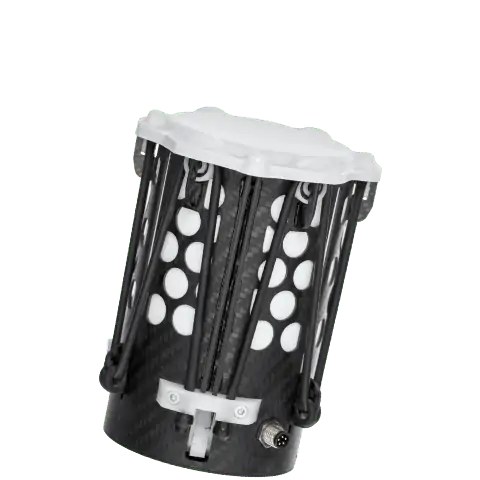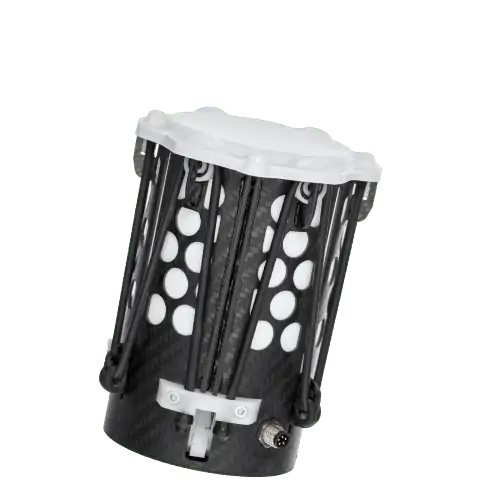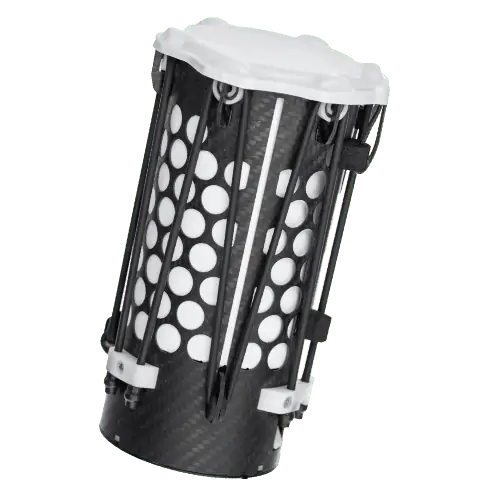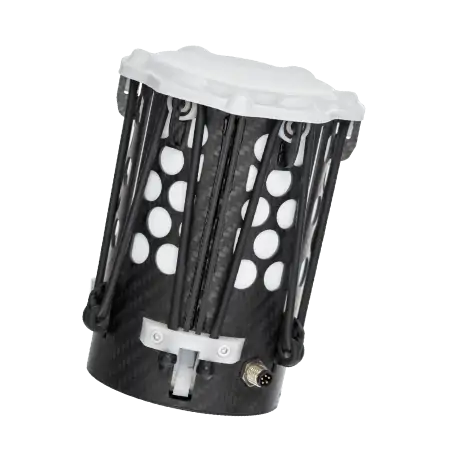


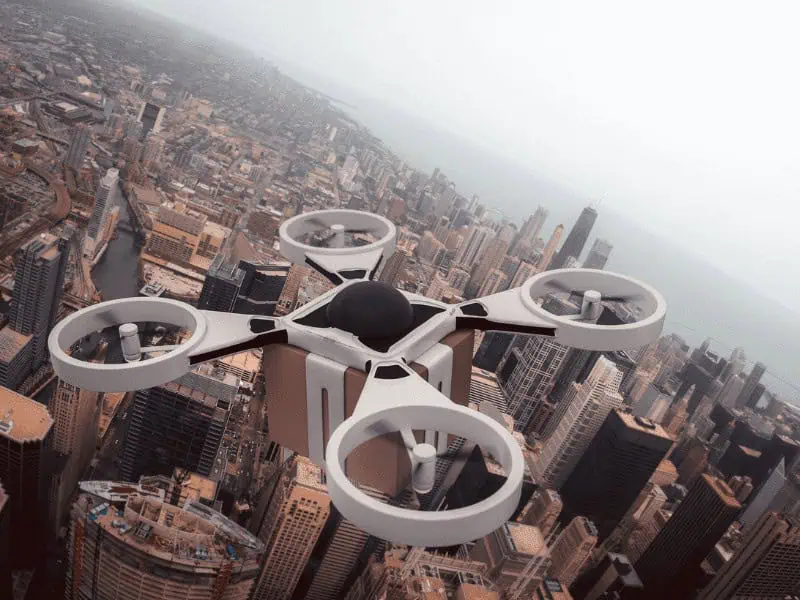
D-Fend Solutions explores the challenges posed by small unmanned aerial systems (sUAS / mini-UAVs), assessing defense mechanisms to mitigate these emerging threats and highlighting the advantages of RF cyber-takeover technology integrated into the EnforceAir2 system.
According to the Department of Defense, sUAS / mini-UAVs, categorized as Types 1 and 2, encompass a diverse range of compact systems that have gained traction due to their cost-effectiveness and adaptability.
As the prevalence of these drones increases, the growth of robust counter-UAS strategies becomes essential.
Understanding Mini-UAV Threats
The dangers linked to sUAS are multifaceted, shaped by the intentions of their operators, which can vary from benign use to malicious intent.
Technological advancements have enhanced the capabilities of drones, providing them with improved autonomy, stealth features, and extended operational ranges, complicating defense strategies. Their variety—from commercially available models to bespoke designs—further complicates customary defense mechanisms.
Modern sUAS now enjoy longer loiter times, increased payload capacities, and extended ranges, capabilities that were once exclusive to larger UAVs and manned aircraft.
The challenges of Mini-UAVs
Due to their small size and agility, sUAS are tough to detect and track using conventional systems, enabling them to breach restricted areas and evade standard defenses.
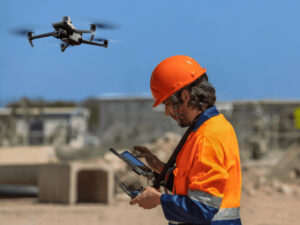
The affordability of sUAS makes them accessible to a wide array of users, and these devices can now incorporate advanced technologies such as AI-driven navigation and refined sensors.
Their compact design allows for easy deployment and retrieval, requiring minimal infrastructure and enhancing their effectiveness in diverse environments, from urban settings to remote locations.
The combination of sUAS features and rapid technological advancements renders them a notable threat that traditional defense systems find challenging to counter. As drones become increasingly smart and autonomous, countermeasures must adapt, focusing on innovative counter-UAS strategies.
Evaluating sUAS Threats
Assessing the risks associated with sUAS involves multiple factors to determine the level of threat and appropriate responses.
Monitoring flight patterns can reveal whether a drone is engaged in surveillance or preparing for harmful actions.
Understanding the payload of a drone—whether it carries cameras, sensors, or weapons—can help assess its threat level. Though, autonomous drones present a greater challenge for detection and neutralization, necessitating advanced countermeasures.
Drones operating near critical infrastructure or large public gatherings pose ample risks, but by analyzing previous drone activities, security teams can anticipate and avert future incidents.
Notable Mini-UAV Incidents
Auckland Airport Incident – A drone incursion into controlled airspace led to significant flight disruptions, raising serious safety concerns.
India-Pakistan Border – There has been a rise in drone incursions for smuggling purposes, circumventing traditional border security measures.
Yokosuka Naval Base Incident – A drone flying over the USS Ronald reagan underscored vulnerabilities in military security protocols.
Innovative Countermeasures for Drones
The complexity of sUAS threats necessitates advanced countermeasures. RF cyber-takeover technology,as showcased in D-Fend Solutions’ EnforceAir2 system,has emerged as a powerful solution.
This technology takes advantage of vulnerabilities in sUAS that depend on RF signals for control,enabling authorized personnel to seize control of unauthorized drones. It is indeed vital for real-time threat detection and mitigation, particularly in high-security environments.
RF cyber-takeover provides precise threat neutralization without causing collateral damage or disrupting other communications. Specialized training for counter-UAS operations is crucial to fully leverage this technology, equipping personnel with the necessary skills to effectively manage and neutralize drone threats.