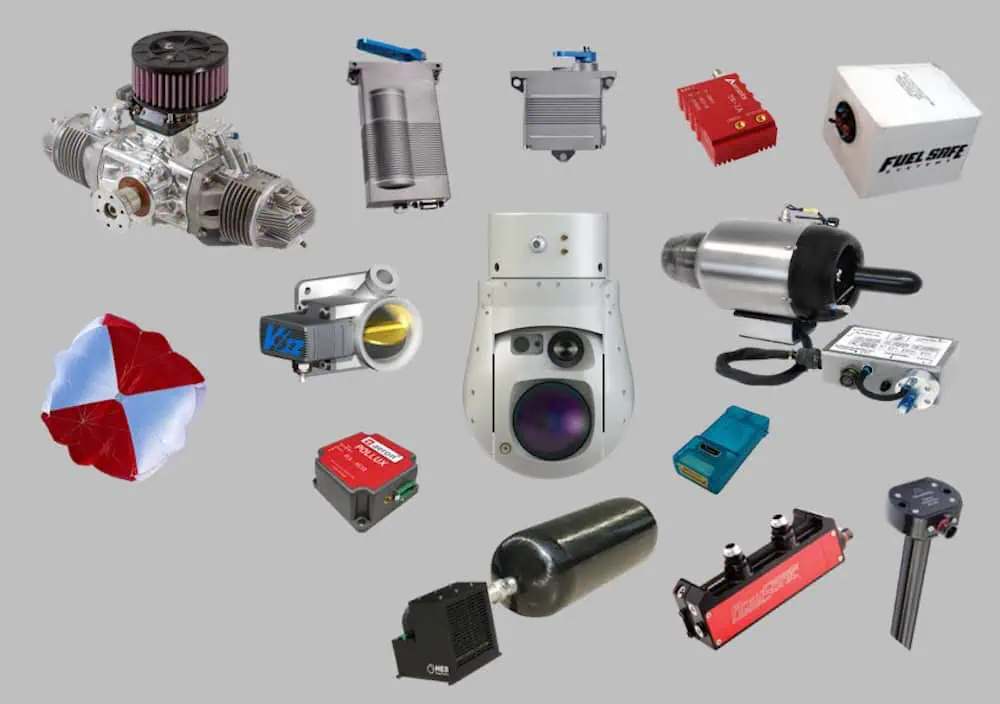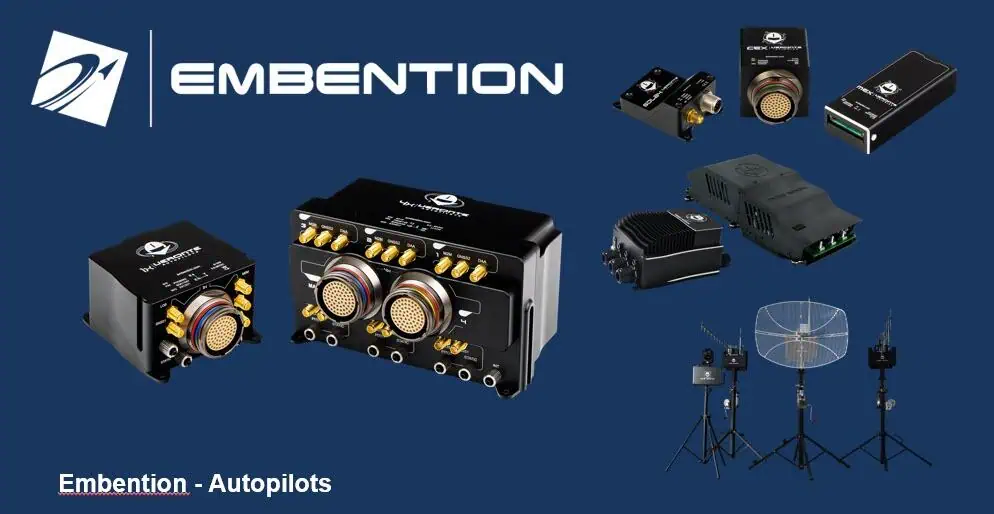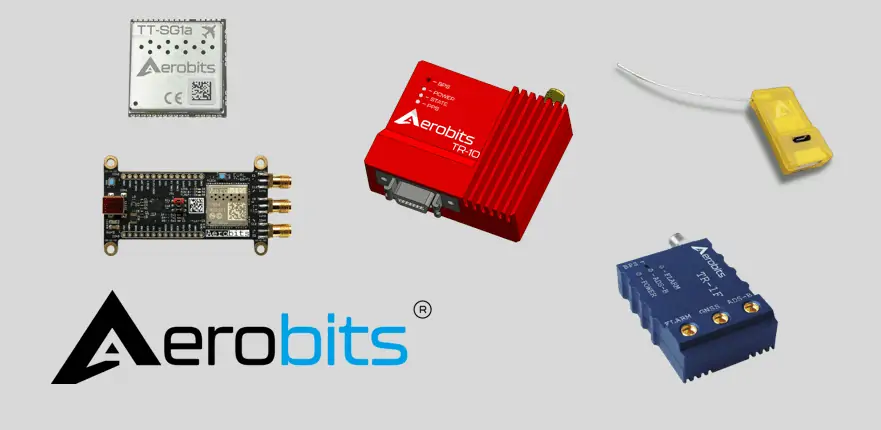



LCR Embedded Systems specializes in providing integrated systems, chassis, and backplanes for unmanned technologies that meet MIL-STD standards.
The MIL-STD-1275 standard is crucial in defining the design parameters for rugged electronic packaging, especially for systems compliant with VPX and SOSA standards in military applications. This standard outlines the necesary power specifications and protective measures for equipment operating on military vehicle power systems, notably those utilized in ground combat scenarios.
Typically, these power systems deliver a nominal voltage of 28V DC, but they can experience meaningful fluctuations due to variations in vehicle power, voltage spikes, surges, and electromagnetic interference (EMI). MIL-STD-1275 ensures that electronic systems can endure these challenging conditions without suffering damage or operational failures. This is especially vital for the progress of ruggedized electronic packaging in defense applications, particularly for VPX and SOSA (Sensor Open Systems Architecture) systems.
Understanding MIL-STD-1275
The most recent version of MIL-STD-1275, known as MIL-STD-1275F, outlines the electrical and electromagnetic environmental conditions that equipment connected to a 28V DC military power system must withstand. Key components of this standard include:
- Voltage Spikes: Equipment must be capable of withstanding voltage surges of up to 100V, which can occur due to events like load dumps or weapon discharges.
- Voltage Surges and Dips: Systems must remain operational despite significant voltage drops (down to 16V) and surges (up to 33V), which are common in military vehicle power systems.
- EMI and RFI Resistance: The standard mandates that systems be resilient to interference from electromagnetic and radio frequency sources, which are prevalent in combat zones due to radar, communication, and electronic warfare (EW) systems.
For VPX (VITA 46) and OpenVPX (VITA 65) architectures, widely used in military contexts, adherence to MIL-STD-1275 is essential. These systems are often deployed in extreme environments, such as on vehicles or aircraft, where power instability and EMI can significantly affect reliability and performance.
the Role of VPX & SOSA in Defense Systems
VPX is a high-performance, modular architecture designed for rugged electronic systems in military and aerospace applications. It offers robust data transfer capabilities, supports high-bandwidth applications, and provides adaptability, making it ideal for electronic warfare (EW), signal intelligence (SIGINT), electronic intelligence (ELINT), and radar systems.
The SOSA (Sensor Open Systems Architecture) initiative enhances VPX by fostering interoperability, scalability, and modularity in sensor systems utilized by the U.S. Department of Defense (DoD). SOSA-compliant VPX systems are engineered to be open, interoperable, and easily upgradeable, which is vital for adapting to rapidly evolving battlefield technologies.
For systems aligned with VPX and SOSA,compliance with MIL-STD-1275 is crucial to ensure that hardware remains functional in the unpredictable and often extreme power environments found in military vehicles. To meet the requirements of MIL-STD-1275F, rugged electronic packaging typically includes power conditioning and protection features, such as filters, surge suppressors, and voltage regulation modules.
Implementing MIL-STD-1275 in VPX & SOSA Packaging
Creating rugged electronic packaging, such as ATR (Air Transport Rack) chassis or LRU (Line Replaceable Unit) enclosures for VPX and SOSA systems, involves several design considerations to comply with MIL-STD-1275F:
Power Integrity and Conditioning
compliance with MIL-STD-1275 requires that electronic packaging includes power filters and surge protection devices capable of managing voltage spikes and transients. VPX and SOSA chassis systems, which typically operate on a nominal 28V DC supply, must ensure stable performance even when voltage fluctuates between 16V and 33V due to variations in the vehicle’s electrical system. 3U VPX chassis and ATR enclosures are frequently enough equipped with ruggedized power management modules to protect critical electronics,such as processors,communication interfaces,and sensors,from power surges.
EMI Shielding
Military systems, especially those used in EW, SIGINT, ELINT, and radar applications, require strong RF immunity. MIL-STD-1275 specifies protection levels against EMI, often achieved through shielded chassis designs. Shielded ATR enclosures or rugged lrus utilize materials and coatings that provide EMI shielding to protect internal electronics from external electromagnetic fields while preventing internal emissions from interfering with other systems.
Thermal Management and Environmental Protection
Along with power and EMI considerations, rugged VPX and SOSA-aligned chassis must address heat dissipation, shock, and vibration challenges. Systems compliant with MIL-STD-1275 are often deployed in extreme temperature environments and must endure mechanical stresses during operation. ATR chassis and rugged enclosures integrate thermal management systems,such as conduction or liquid cooling,while ensuring structural integrity to withstand mechanical shocks and vibrations in demanding conditions.
System Modularity and Scalability
One of the key benefits of OpenVPX and SOSA-aligned systems is their modular design. MIL-STD-1275-compliant systems often emphasize modularity and scalability,facilitating easier upgrades and replacements as technology evolves. This approach aligns with the SOSA ideology, which prioritizes system adaptability and upgradability. 3U VPX ATR chassis and other modular enclosures can be designed with replaceable power filters and voltage regulation units to ensure ongoing compliance with MIL-STD-1275 as power conditions or operational requirements change.
applications in Electronic Warfare & Intelligence Systems
In the realm of electronic warfare, which includes electronic attack, protection, and support missions, VPX and SOSA-aligned systems often handle sensitive data and signals in high-EMI environments.Whether detecting radar emissions (SIGINT), analyzing foreign electronic signals (ELINT, OPELINT), or safeguarding friendly communications (Electronic Protect), the ability of these systems to operate without interference is critical. Compliance with MIL-STD-1275 ensures that power disturbances or EMI do not disrupt mission-critical operations.
Similarly, in intelligence-gathering systems such as FISINT (Foreign Instrumentation Signals Intelligence), TECHELINT (Technical ELINT), or OPINTEL (Operational Intelligence), maintaining signal fidelity and data accuracy is essential. MIL-STD-1275-compliant VPX systems housed in rugged ATR enclosures are frequently deployed in ground vehicles, aircraft, or drones to collect and process signals in real time, where power stability and EMI protection are vital for operational success.
Read the original article >>