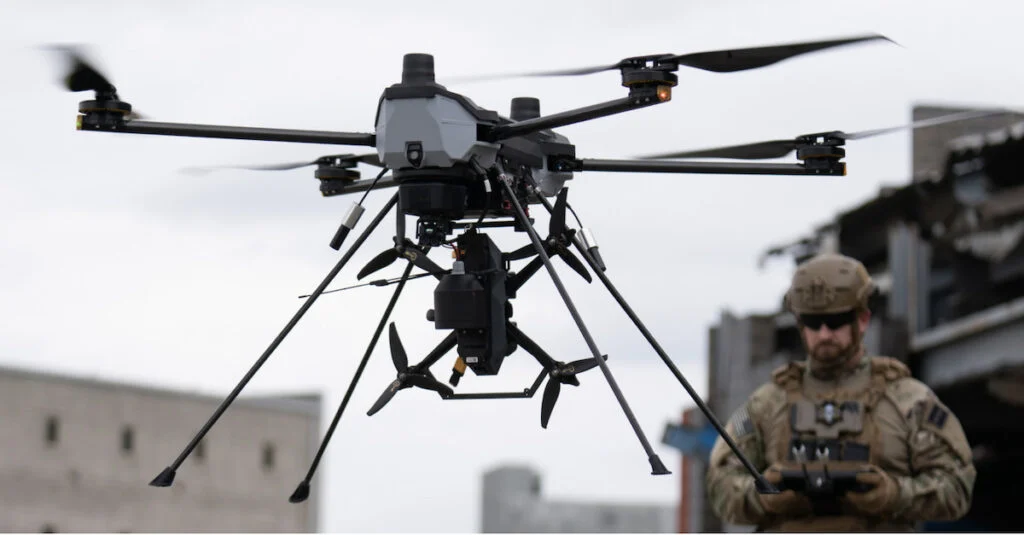


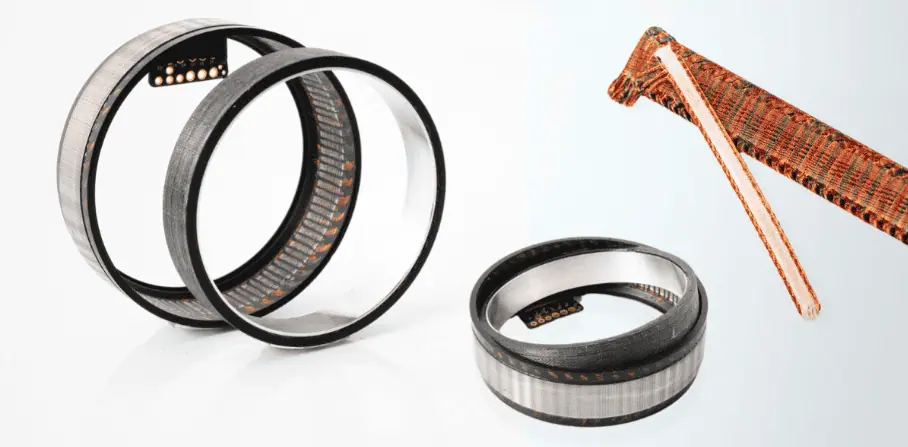
Frameless motors play a crucial role for engineers focused on creating high-efficiency, compact systems, particularly in the realms of drones and robotics.
In the insightful piece titled ‘A Extensive Guide to Frameless Motors,’ Alva Industries delves into the customizable aspects of these motors and thier seamless integration into various systems.
These motors provide unparalleled design adaptability and exceptional performance,making them perfect for elegant motion control applications. Unlike conventional motors, frameless motors are designed to fit directly into a machine’s mechanical framework, enhancing space utilization, reducing weight, and boosting performance. By grasping their distinct benefits and selection criteria, engineers can fully leverage their capabilities across a range of applications.
Understanding Frameless Motors
Frameless motors,frequently enough referred to as motor kits or torque motors,consist solely of two primary elements: the rotor and the stator. They differ from customary motors by lacking a housing, shaft, or bearings, which allows for direct integration into the mechanical assembly.
The advantages include direct incorporation into the host system, utilizing existing shafts, seals, and bearings. Their customizable nature enables engineers to modify designs to meet specific size, weight, and efficiency requirements. This reduction in complexity also enhances thermal management and improves overall dynamics.
Operational mechanism of frameless Motors
Frameless motors operate similarly to standard brushless motors, converting electrical energy into mechanical motion. The stator windings create a magnetic field that drives the rotor magnets. A motor driver meticulously regulates this motion, resulting in efficient and precise torque and speed outputs.
- Rotor integration: Attached to the moving component of the system.
- Stator integration: Fixed to the stationary part, facilitating smooth motion transfer.
distinctive Features of Frameless Motors
Frameless motors offer numerous benefits for high-performance applications:
- Space-efficient design: Maximizes available space within systems.
- Customizable options: Adaptable to fulfill specific system needs.
- High torque density: Provides robust performance in a compact form.
- Cost-effectiveness: reduces the necessity for additional components like motor housings.
- Enhanced dynamics: Fewer components contribute to smoother operation and superior thermal performance.
Applications of Frameless Motors in Unmanned Systems
Frameless motors are extensively utilized in applications that demand high precision, efficiency, and compactness, such as:
- Robotics: These compact motors can drive robotic arms with accuracy and efficiency.
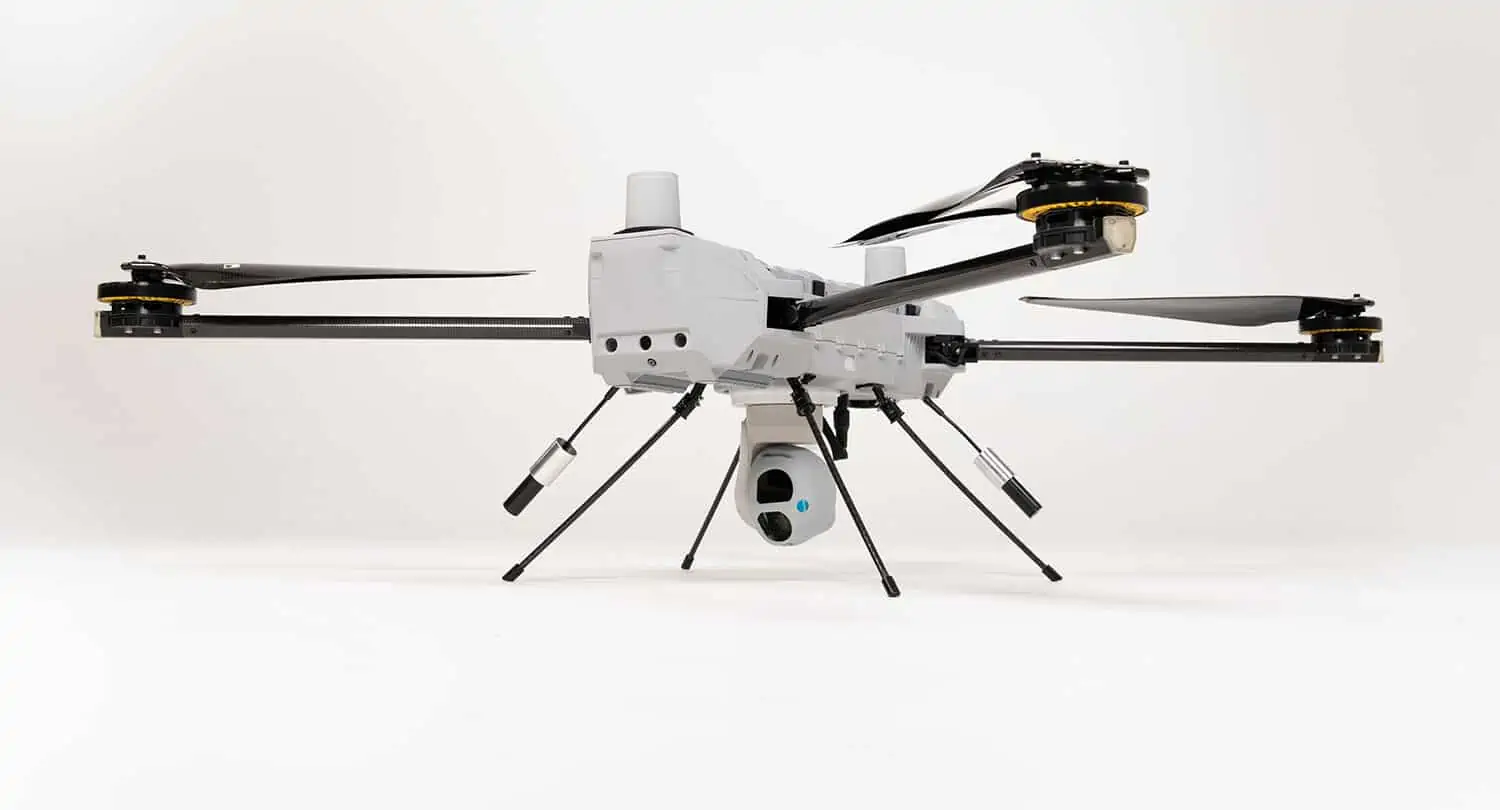
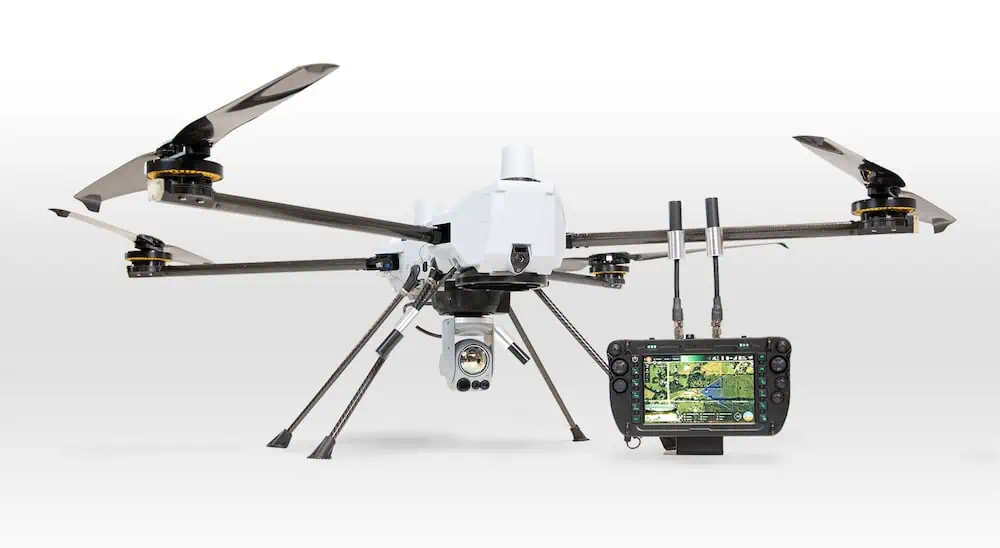
- Unmanned Aerial, Ground, and Marine Systems: Lightweight motors are perfect for drones, gimbals, and various unmanned technologies.
Choosing the Right Frameless Motor
When selecting a frameless motor, engineers should consider several critical factors:
- What are the torque and speed specifications?
- What are the temperature thresholds and cooling capabilities?
- Does the motor fit within the designated space and weight constraints?
- What are the voltage and current specifications?
- Is precision essential? For applications requiring exact movement, zero-cogging motors are advisable.
Frameless motors present a versatile,cost-effective solution for cutting-edge technologies.Discover more on the Alva Industries website >>