

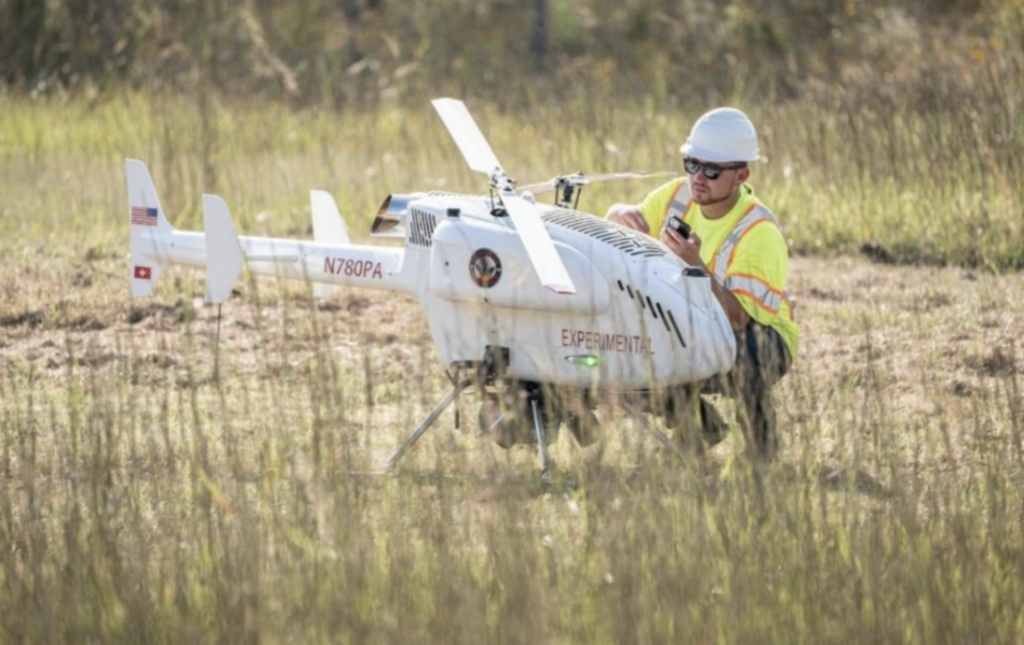
New Horizons in UAV Operations: Phoenix Air Unmanned’s BVLOS Authorization
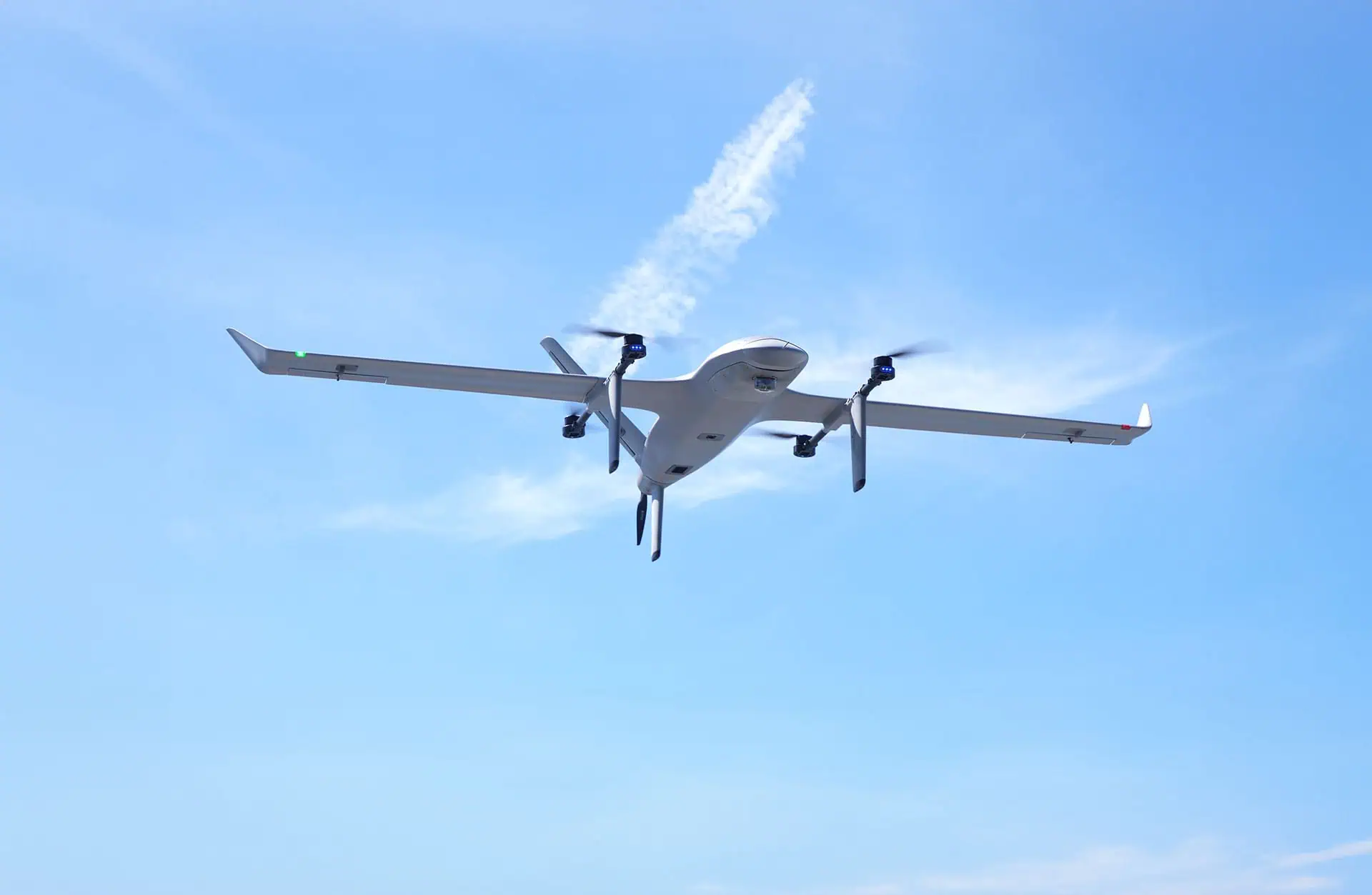
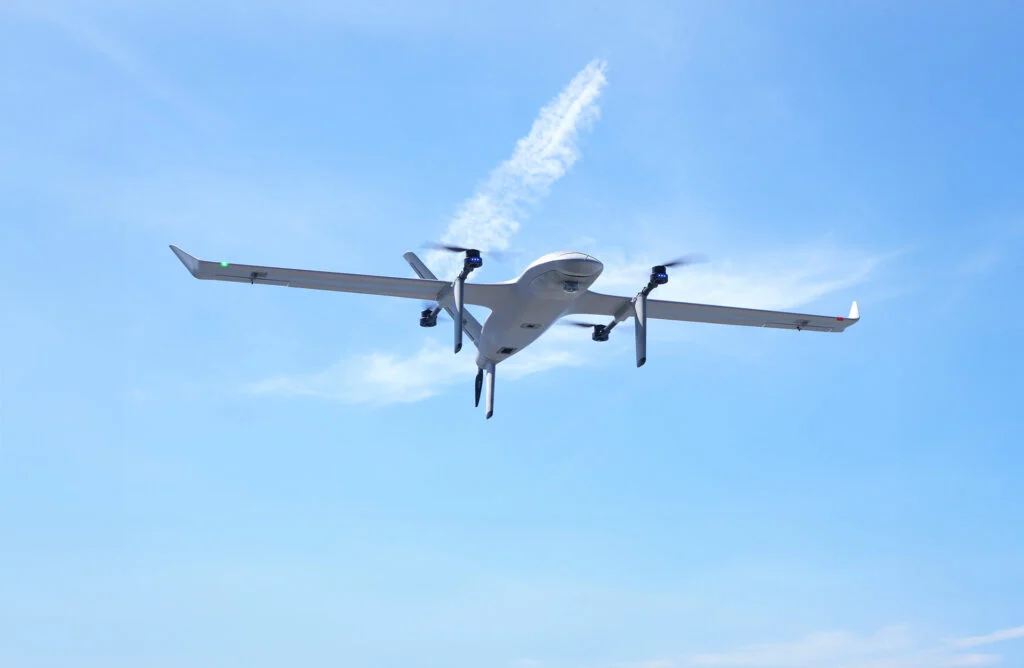
Phoenix Air Unmanned (PAU), a leading aerial service provider, has secured the green light to operate the SwissDrones SDO 50 V2 beyond the visual line of sight (BVLOS) of the pilot across the United States.
FAA Exemption: A Game Changer for Infrastructure Inspections
This exemption from the Federal Aviation Administration (FAA) permits PAU to conduct inspection adn surveillance flights over extensive linear infrastructure, adhering to the same regulations that govern traditional manned aviation. This progress significantly enhances the safety,efficiency,and quality of data collection compared to conventional inspection techniques,opening up millions of miles of vital U.S. infrastructure for improved oversight.
Advanced Capabilities of the SwissDrones SDO 50 V2
Weighing in at 191 pounds, the SwissDrones model boasts a sensor capacity of 30 pounds and an impressive flight endurance exceeding two hours, making it ideal for a variety of inspection tasks. Previous regulations restricted unmanned aerial systems (UAS) to a maximum weight of 55 pounds, which limited their sensor capabilities and operational range. Wiht this new authorization, PAU can utilize the aircraft for high-resolution imaging, lidar data collection, thermal imaging, corona detection, and more.depending on the sensor configuration and the area of operation, inspection flights can cover distances greater than 60 miles. This capability allows PAU to conduct multiple inspections efficiently within a single flight.
industry impact and Future Prospects
“This pioneering authorization empowers us to perform inspections and patrols for utilities nationwide. The SwissDrones SDO 50 V2 is equipped with diverse sensor packages and the endurance necessary for efficient power line inspections,” stated Will Lovett, Managing Director of PAU. “We are dedicated to responsible airspace management and are excited that the FAA acknowledges our commitment to safety and professionalism.”
The FAA noted in its exemption that “UAS have been utilized for aerial surveillance of linear infrastructure for many years, aiding in the inspection of oil and gas pipelines, railways, and electrical lines. These inspections are crucial for identifying potential issues before they compromise the safety and reliability of energy and goods transport. UAS provide a quieter, more environmentally friendly, and cost-effective alternative to manned aircraft.”
Proven Track Record and Future Enhancements
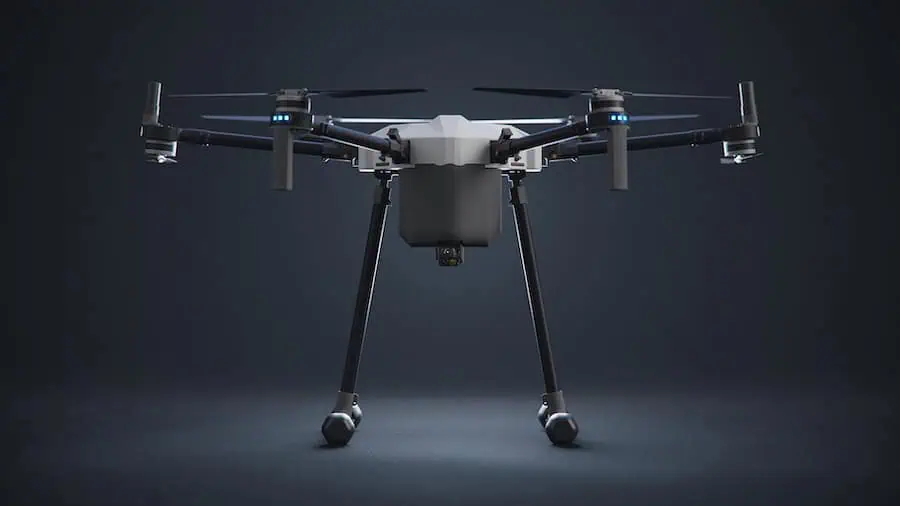
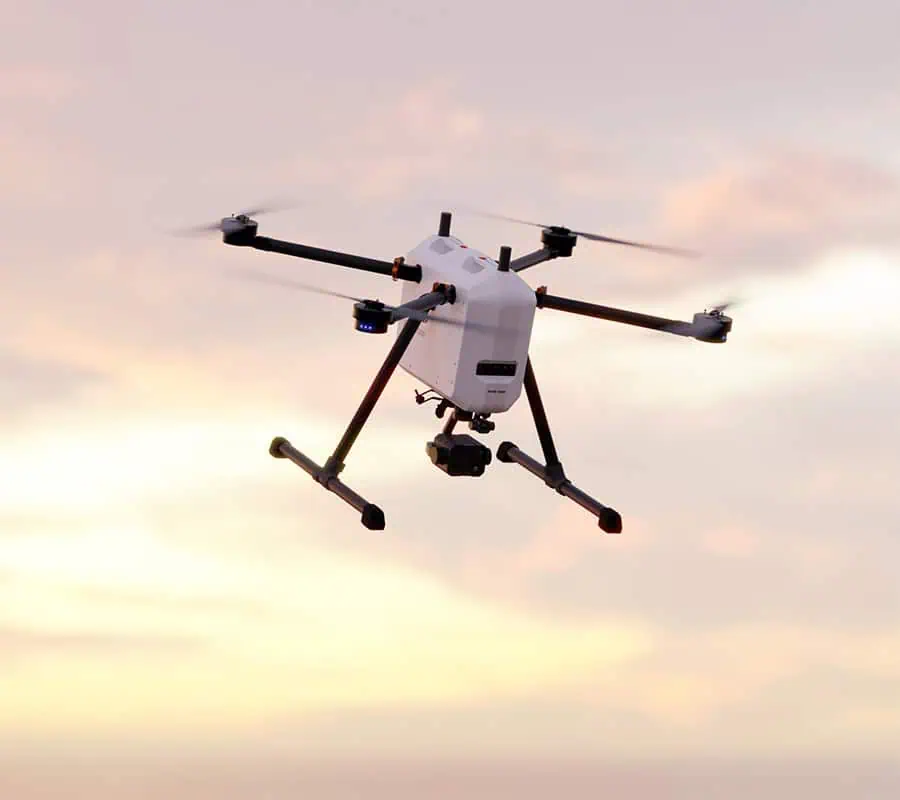
From 2017 to 2023, PAU successfully completed inspections of 13,500 miles of transmission lines under FAA Part 107 waivers that allowed for BVLOS operations with aircraft weighing under 55 pounds. The introduction of the 191-pound SwissDrones model significantly enhances PAU’s inspection capabilities, offering nearly ten times the endurance and three times the lift capacity of previous models.
“This authorization marks not just our entry into the utility powerline inspection sector, but a significant advancement in scaling our aerial inspection services,” remarked William Wheeler, PAU’s Director of Operations. “We take pride in the extensive miles inspected with smaller aircraft and have developed a robust operational framework that supports our SwissDrones exemption. This new aircraft and FAA approval will further elevate our capabilities, enabling us to deliver the most efficient and scalable inspection services available.”
Collaborative efforts for Safety and Efficiency
The integration of advanced technology and operational strategies has been essential for ensuring airspace surveillance, command and control, and facilitating safe, large-scale operations with minimal personnel. This intricate, multi-faceted approach involved collaboration with industry partners such as Kongsberg Geospatial, Capital Sciences, L3Harris, uAvionix, and Echodyne, who provided critical hardware and software to establish a solid safety case.PAU’s ongoing partnership with the FAA is exemplary, and the data gathered from these operations will contribute to the FAA’s continuous policy development and regulatory activities.