

This article delves into how Knight Optical’s diverse selection of optical components, both standard and custom-made, plays a crucial role in marine biology and deep-sea exploration.
Marine biology encompasses the study of all life forms residing in the ocean, along with the ecosystems that support them, including various plants and organisms.today’s marine biologists are continuously making groundbreaking discoveries in our oceans. Oceanography,a relatively recent discipline,gained momentum in the 19th century. As then, our understanding of previously unknown marine life has expanded substantially, thanks in large part to advancements in technology that have allowed us to explore the depths of our oceans.
Currently, only about 5% of the world’s oceans have been explored. With the rapid advancement of digital technologies, the revelation of new marine species is expected to accelerate in the coming years. For instance, in 2017, the world Register of Marine Species (WoRMS) documented nearly 2,000 new species, including engaging finds like a bioluminescent shark and a ruby seadragon1.
In a more recent expedition in 2020, a collaborative team from the Western Australian Museum, Curtin University, Geoscience australia, Scripps Institution of Oceanography, and Schmidt Ocean Institute identified the longest animal ever recorded. Utilizing a remotely operated vehicle (ROV) named SuBastian, they discovered an apolemia, a siphonophore colony, measuring approximately 47 meters in length, along with 29 other new species2.
The Role of Robotics in Underwater Exploration
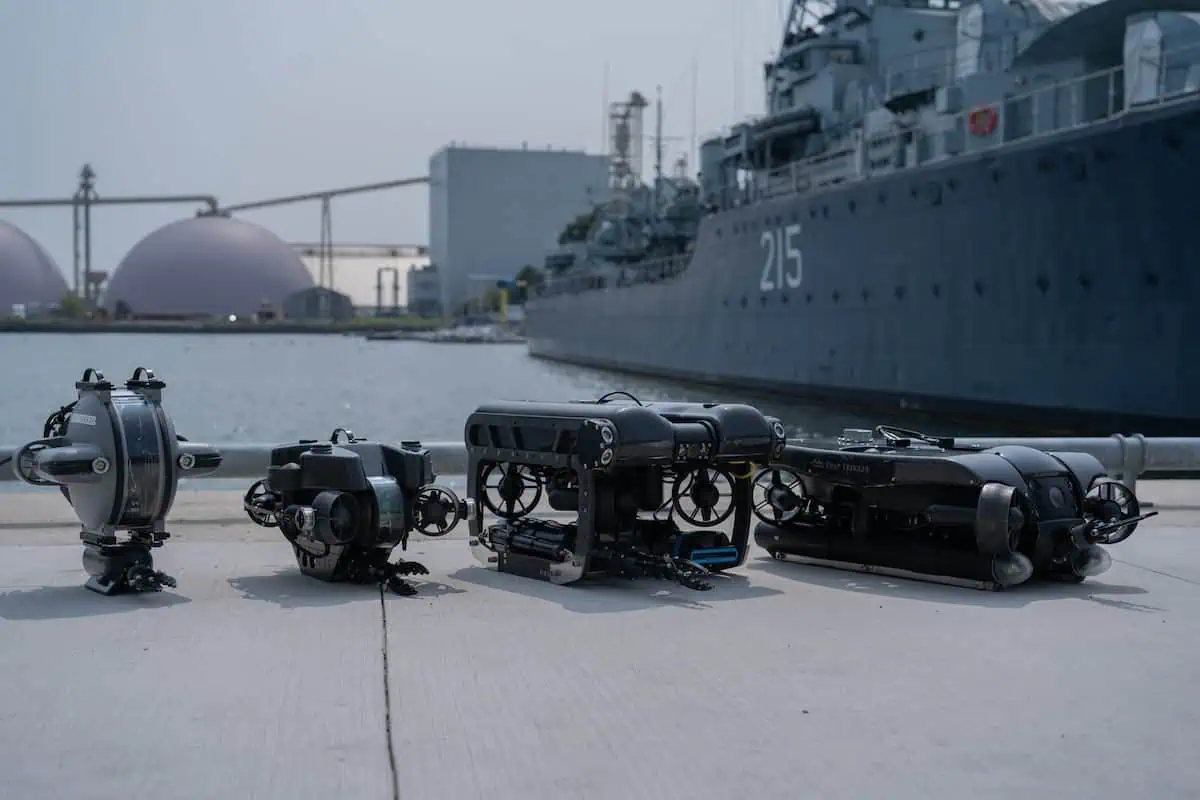
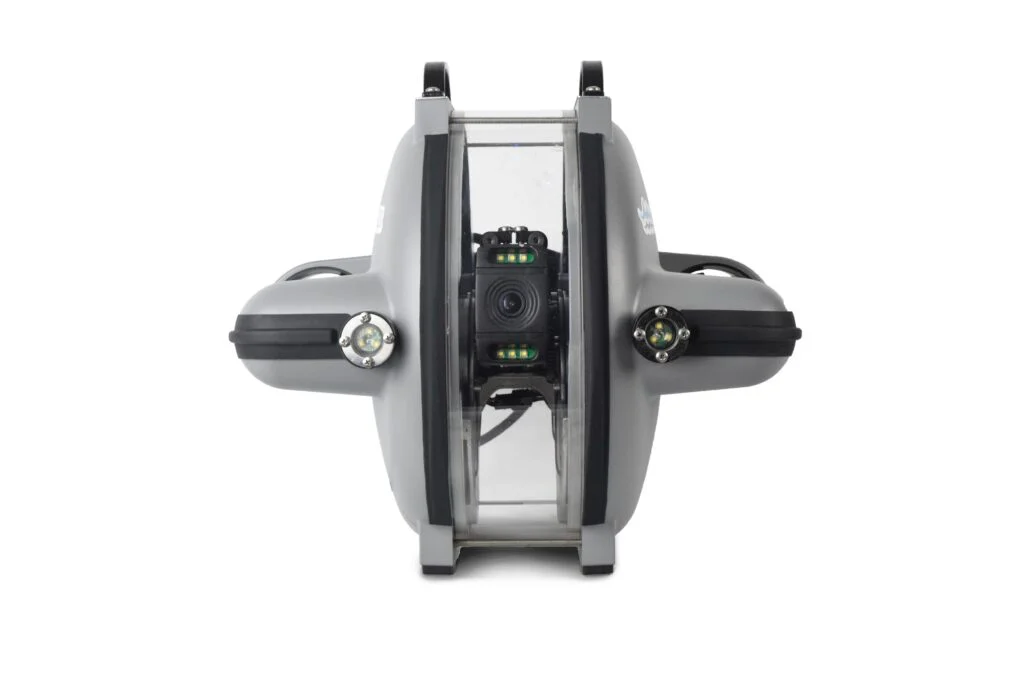
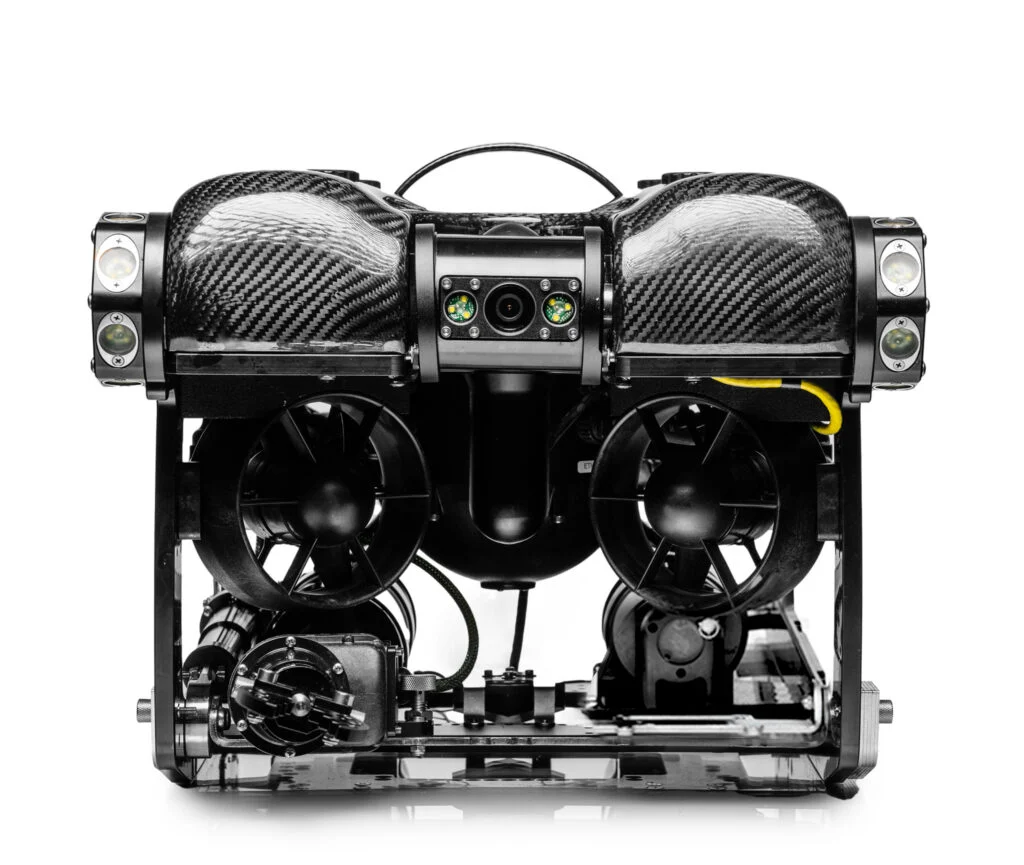
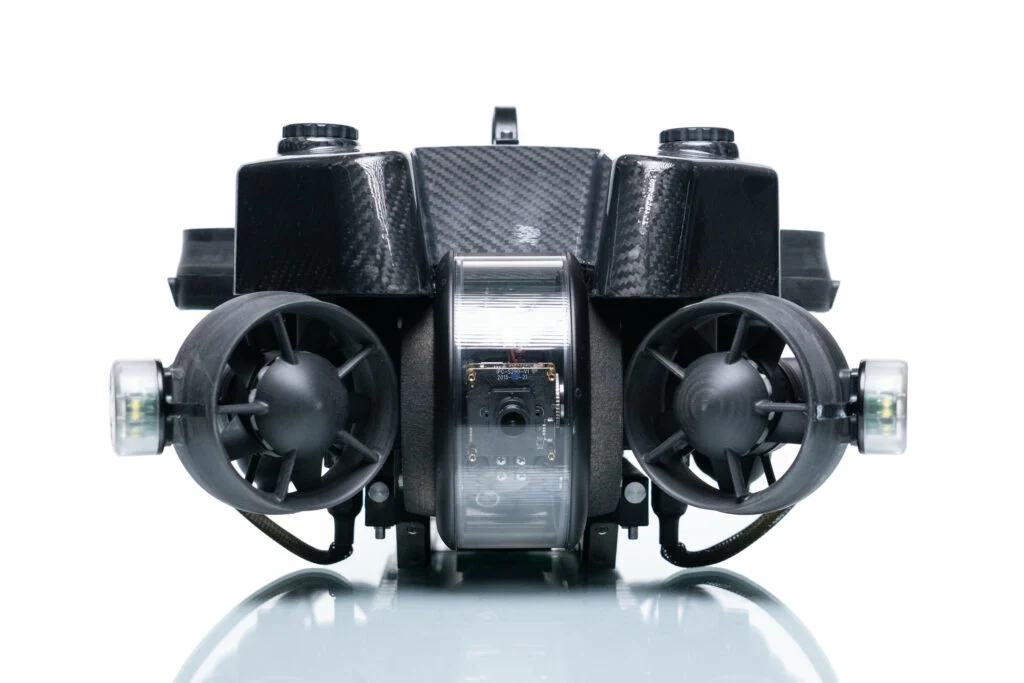
Exploring the ocean is a formidable challenge due to its vastness. Remotely operated vehicles (ROVs), such as ROV SuBastian, are at the forefront of underwater research, enabling scientists to reach depths that were once thought unachievable. To enhance exploration, researchers have studied the anatomy of marine creatures that inhabit these extreme environments, replicating their structures through innovative technology. For example,a recent article in Nature Portfolio highlighted a self-propelled robot inspired by the anatomy of a deep-sea snailfish,capable of swimming freely at depths of 3,224 meters in the South China Sea3.
Another notable project, detailed in a 2008 study titled ‘deep Sea Underwater robotic Exploration in the Ice-Covered Arctic Ocean with AUVs,’ involved deploying two custom autonomous underwater vehicles (AUVs), Jaguar and Puma, to investigate the Arctic seafloor, one of the last uncharted territories on Earth4. A 2021 paper further explored how soft robotics, which utilize pliable materials, can navigate challenging underwater environments5.
Here, our Custom-Made Optics come into play, offering precision dimensions down to millimeters and customizable optical coatings to ensure optimal performance in challenging visual conditions.
Optical components commonly utilized in underwater robotics include our stock and custom-made:
- Lenses
- Windows
- Optical Domes
- filters
- Mirrors
- Prisms
To explore our complete range of optical components, please click here.
Other Technologies in Deep-Sea Exploration
Robots are not the sole vessels aiding underwater research. The advantages of submarine technology are also being leveraged to enhance marine exploration through high-powered autonomous submersibles6. Ocean observatories are frequently deployed to monitor and facilitate communication between underwater and terrestrial environments. the ALOHA Cabled Observatory (ACO) near Oahu,Hawaii,marked a decade of operation in 2017,making it the deepest observatory in the world7. In a mysterious incident in 2019, an 800-kilogram underwater observatory worth €300,000 vanished near the Baltic Sea, leaving behind only a severed cable and a host of unanswered questions8.
Both submersibles and ocean observatories utilize advanced technologies, with sensors being a common feature.In observatories, these sensors track environmental data, such as ground movement and chemical composition, enhancing our understanding of the planet. In submersibles, sonar sensors are widely recognized for measuring distances using ultrasonic sound waves.
Additionally, non-acoustic technologies like lidar (Light Detection and Ranging) are being integrated into submersible applications for deep-sea exploration. LiDAR is capable of reaching the ocean floor and has been employed for various purposes,including detecting hazardous materials on the seabed9 and mapping underwater landscapes.
At Knight Optical, we offer a comprehensive selection of LiDAR optical components suitable for submersible applications, including:
- Front-Coated mirrors
- cover Windows
- AR-Coated Doublet lenses
- Planoconvex Lenses
- And more
Why Partner with Knight Optical for Your Needs?
At knight Optical, we provide a variety of optical components tailored for marine biology and deep-sea exploration. Esteemed scientists trust Knight Optical not only for the remarkable quality of our products and the capabilities of our state-of-the-art Metrology Laboratory and QA Department but also for our extensive range of Stock Optics available for next-day delivery, alongside sought-after Custom-Made Optical Components.
This year, we proudly celebrate 30 years in the industry. With three decades of experience and a roster of long-standing, globally recognized clients, we take pride in contributing to some of the most innovative advancements in marine biology and deep-sea exploration.
If you seek high-quality,bespoke optical components,please reach out to a member of our Technical Sales Team today.
FOOTNOTES:
1https://deeply.thenewhumanitarian.org/oceans/articles/2017/12/26/eight-awe-inspiring-ocean-discoveries-in-2017
2https://newatlas.com/science/expedition-30-new-species-longest-known-animal/
3https://www.nature.com/articles/s41586-020-03153-z
4https://ieeexplore.ieee.org/abstract/document/4651097
5https://www.liebertpub.com/doi/full/10.1089/soro.2020.0011
6https://sites.tufts.edu/eeseniordesignhandbook/2015/submersibles-for-deep-sea-exploration/
7https://www.hawaii.edu/news/2017/04/24/ocean-observatory-anniversary/
8https://edition.cnn.com/2019/09/06/europe/underwater-observatory-disappeared-trnd/index.html
9https://iopscience.iop.org/article/10.1088/0957-0233/10/12/309/pdf