


In a recent conversation with jon Broome, CEO of Vertiq, a propulsion systems innovator based in Philadelphia, we explored the benefits of field Estimated Control (FEC) compared to Field Oriented Control (FOC), their fruitful collaboration with Blueflite, a Michigan-based drone delivery company, and the exciting developments planned for 2024.
table of Contents:
- Customized Motor-ESC solutions
- Advanced Calibration and Control Software
- FEC vs. FOC: A Comparative Analysis
- Proud Partnerships
- Vision and Objectives for 2024
What primary challenges do your clients encounter, and how do your products provide solutions?

Jon Broome, Co-Founder and CEO of Vertiq
One of the primary obstacles our clients face is the challenge of sourcing a propulsion system that meets their specific vehicle requirements. While all clients aim to enhance flight duration, responsiveness, and reliability, they also possess distinct hardware and control needs that are often difficult to find in a single motor-ESC solution.
To address this, Vertiq has engineered a motor-ESC system that boasts extraordinary efficiency, rapid motor response times, and safety features that alert operators to any abnormal motor behaviour. Our upcoming product line will also be modular, enabling enhancements such as increased IP ratings, LED controls via the ESC, and custom connectors for seamless vehicle integration.
Moreover, Vertiq collaborates closely with partners to implement tailored control features and telemetry systems that enhance vehicle performance. With many UAS companies seeking domestic component suppliers, Vertiq, located in Philadelphia, provides NDAA-compliant solutions for those in need.
What distinguishes Vertiq’s propulsion solutions in the unmanned aerial systems sector?
Vertiq stands out by delivering industrial-grade reliability and performance through its innovative hardware design and advanced calibration and control software.
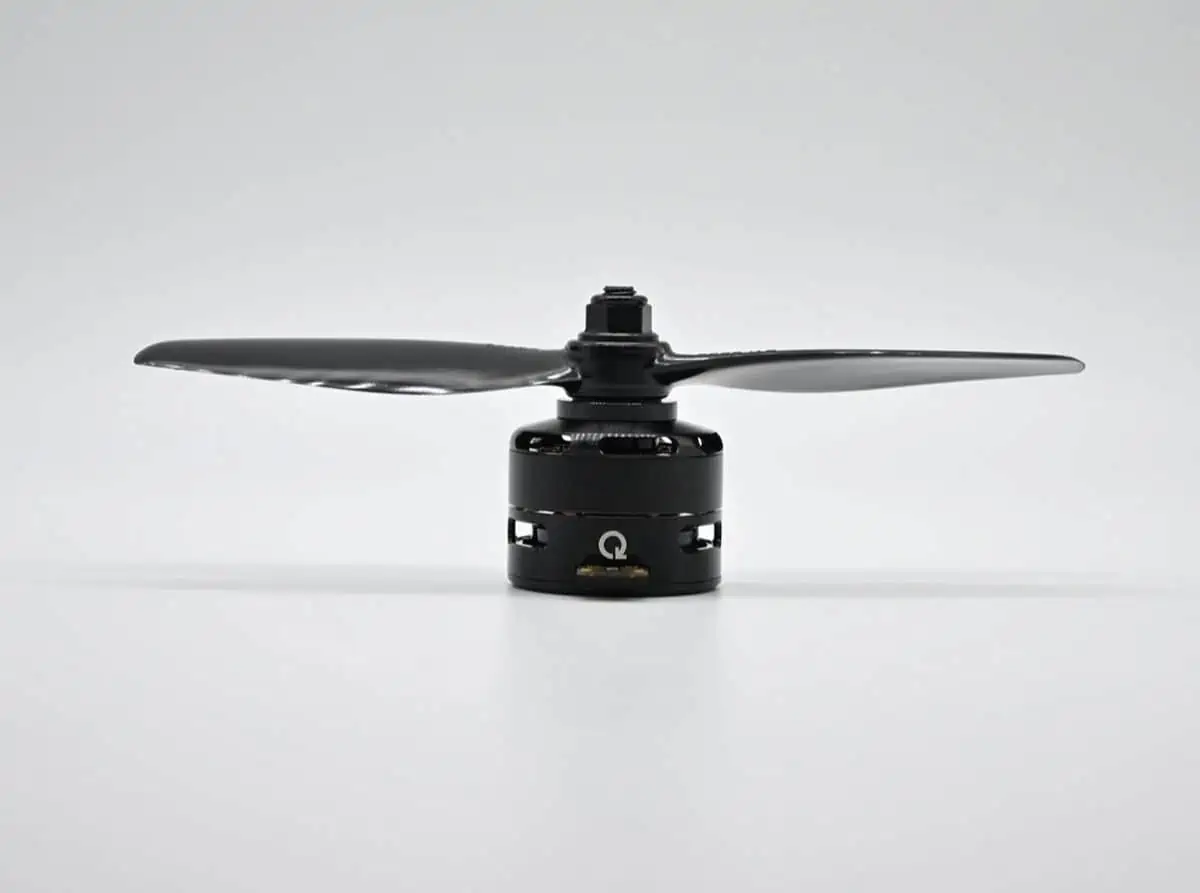
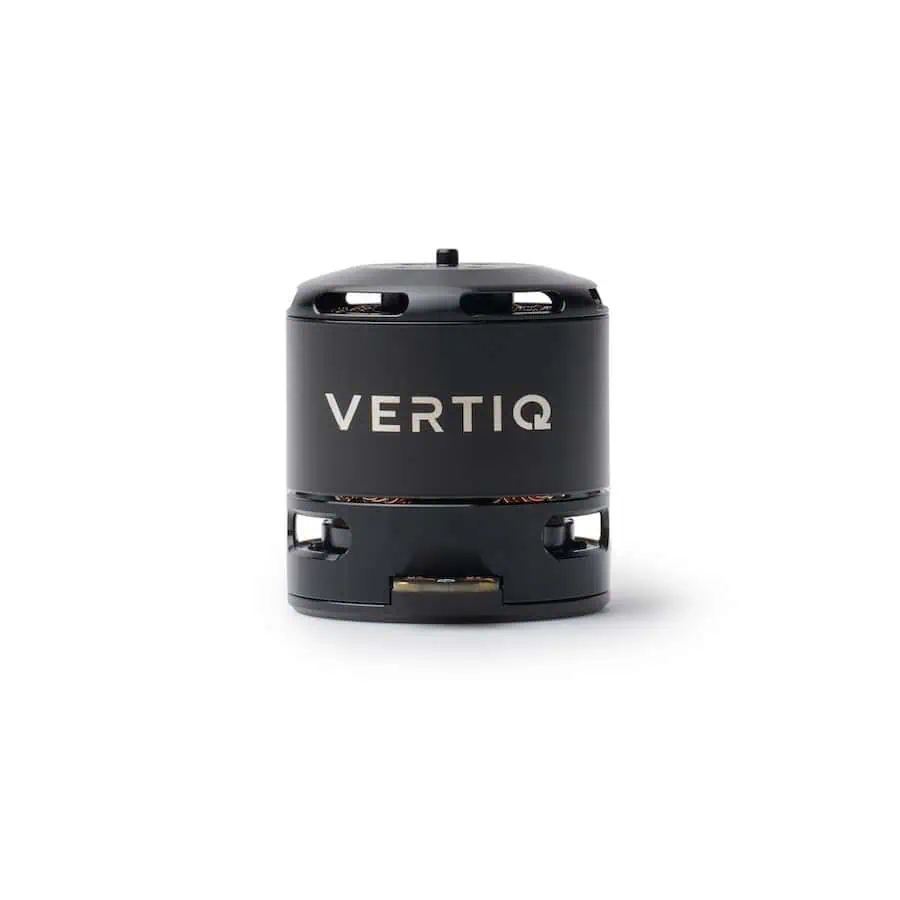
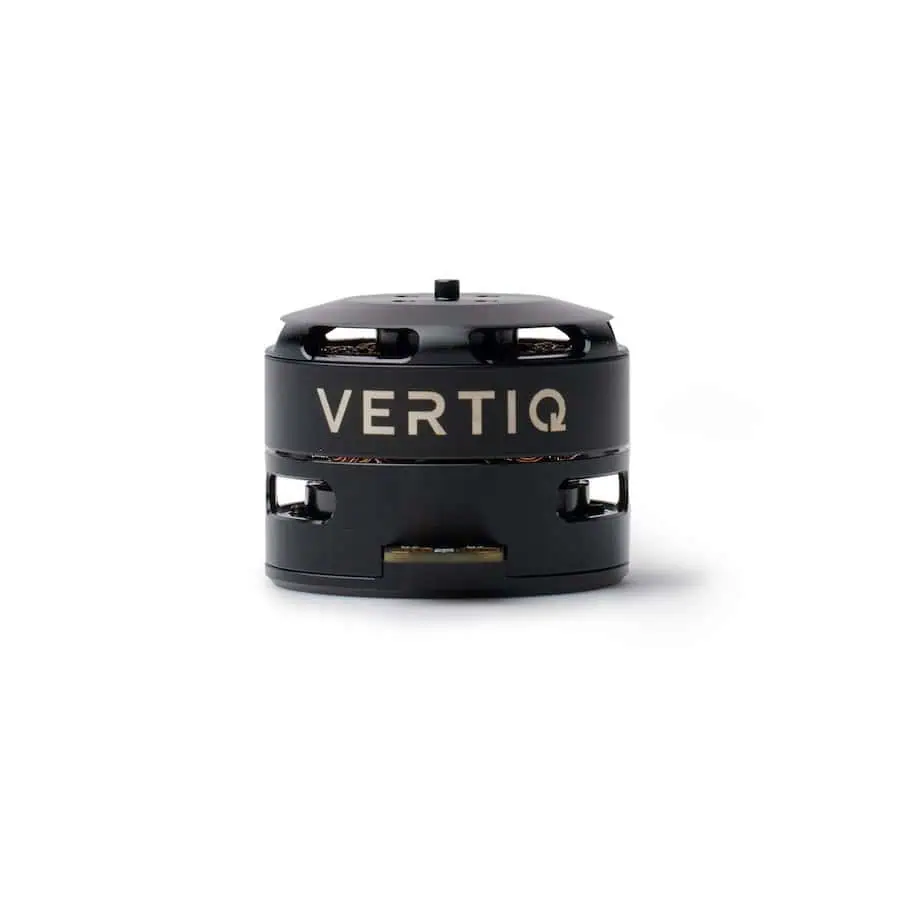
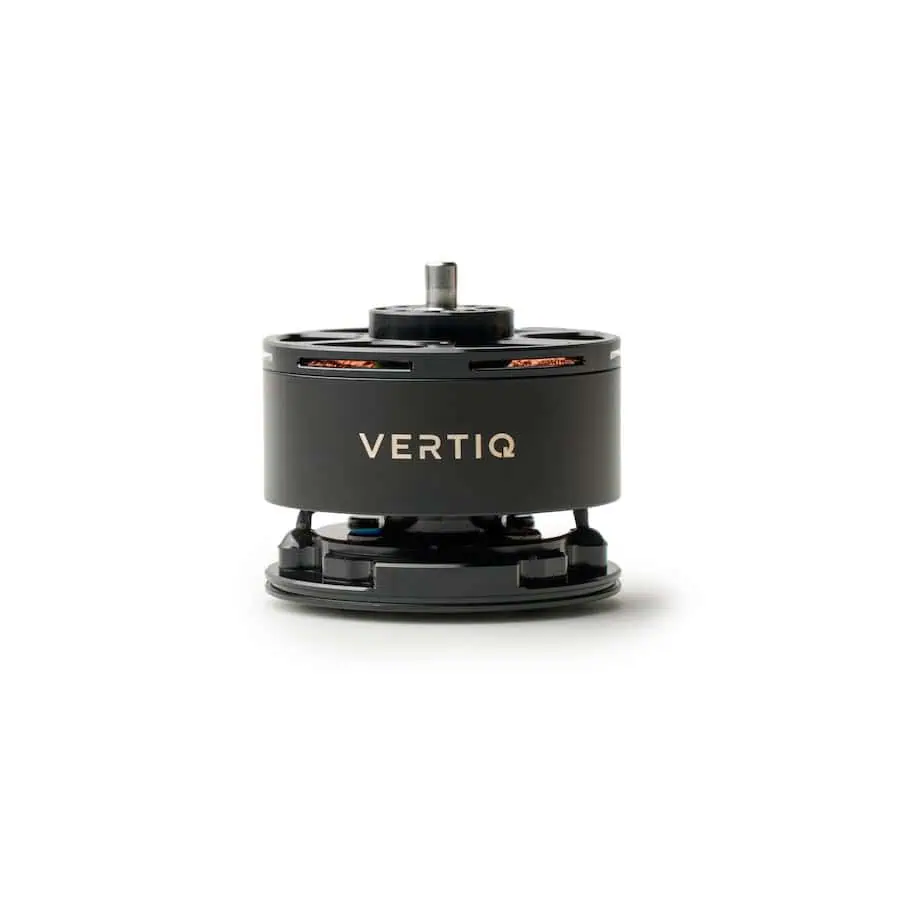
40-14 Integrated motor & ECS
Our integrated motor and ESC package includes an embedded position sensor. Prior to delivery, each motor and ESC undergoes a calibration process where the ESC learns the motorS characteristics and stores relevant data.
With precise measurements of the motor’s rotational position and a comprehensive map of its properties, Vertiq’s proprietary control software optimally applies current and voltage, enhancing efficiency, responsiveness, and thermal protection through a high-fidelity thermal model. We also provide advanced control features such as instant reversibility,precise propeller positioning,and motor pulsing.
Another aspect that sets vertiq apart is our commitment to customer support. The widespread adoption of commercial and defense drones hinges on their performance and reliability. We not only strive to resolve customer issues promptly but also proactively collaborate with partners to prevent potential challenges.
Can you explain the advantages of Field estimated control (FEC) compared to Field Oriented Control (FOC)?
Vertiq’s Field Estimated Control (FEC) and the widely used Field Oriented Control (FOC) both belong to the vector control category of motor commutation. Both methods are highly efficient, as they either measure or estimate the rotor’s electrical field orientation to apply the appropriate currents and voltages. Unlike block commutation, which approximates bEMF sine waves in six steps, FEC and FOC can produce true sine waves (or virtually any waveform), ensuring optimal control of all three phases and considerably reducing noise.
Tho, FEC and FOC have notable differences. while FOC is compatible with a broad range of three-phase motors, it relies on current sensors to estimate motor position, which can slightly decrease efficiency due to power loss in the sensors. Additionally, FOC is computationally intensive compared to other methods.
Conversely, Vertiq’s FEC is a novel vector control approach that eliminates the need for invasive current sensors, allowing all three phases to remain active simultaneously. Instead, a rotary encoder directly measures position, and motor voltages and currents are derived from this data. This passive sensor consumes less power than current sensors,resulting in a 3-5% efficiency betterment over FOC,while also being less demanding on computational resources.
Vertiq has established partnerships with various drone companies across different sectors. Are there any collaborations you are particularly proud of?
We have formed numerous valuable partnerships with drone manufacturers worldwide. One collaboration we take great pride in is with Blueflite, a Michigan-based company specializing in cargo delivery drones. They manage all aspects of aerial logistics and have developed a highly agile VTOL platform with a secure payload bay for sensitive items. Their partnerships with medical logistics providers,such as Spright,enable rapid and safe delivery of essential medical supplies to hospitals and individuals.
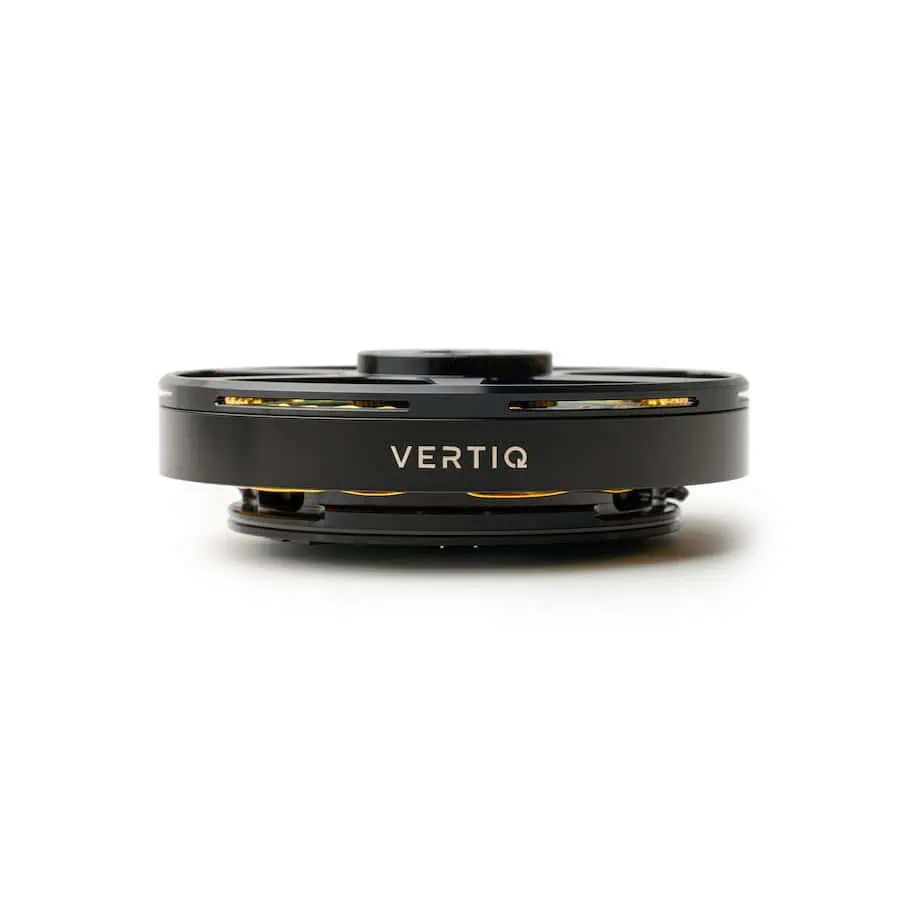
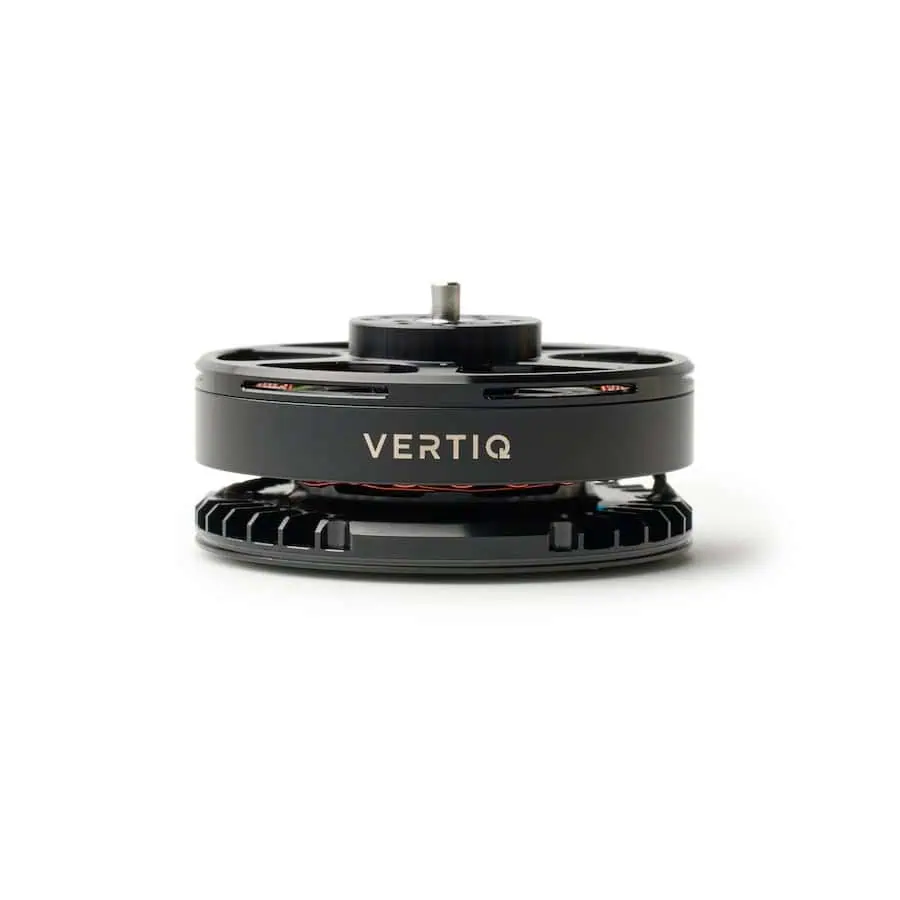
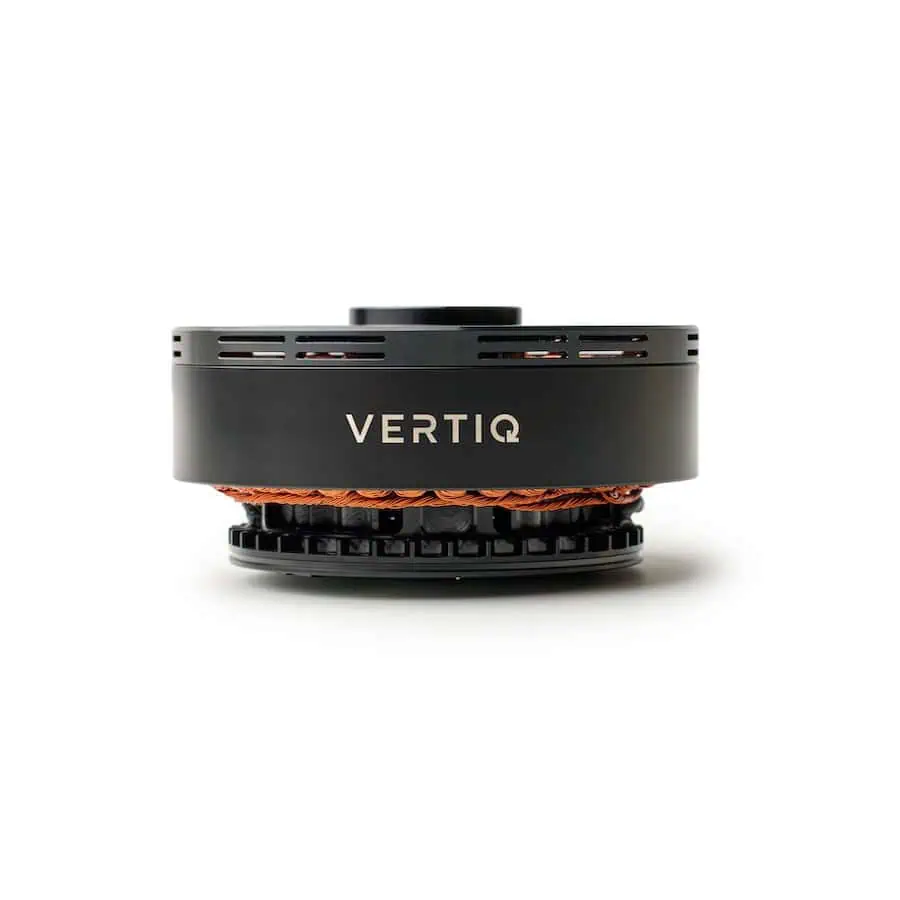
81-08 Servo Motor & Control System utilized by Blueflite
blueflite employs our 81-08 modules to facilitate these delivery operations. Compared to competitors in the same size category, our motors and ESCs are more efficient, lighter, and quicker to respond, equipped with built-in telemetry capabilities that minimize downtime and enhance performance in complex environments. The impact of Blueflite’s work is significant, frequently enough life-saving, and we are honored to contribute to addressing these critical challenges.
What significant investors are currently backing vertiq, and what are your plans for 2024 and beyond?
Vertiq has secured funding to expand our team, advance our technology, broaden our product offerings, and scale manufacturing. Among our investors, Gabriel Investments stands out as a key supporter, playing a crucial role in our initial growth. Our latest funding round concluded in May 2022, and with these resources and increasing revenue, we anticipate reaching profitability soon.
In 2024, Vertiq has several ambitious objectives. We aim to fully commercialize three new products by year-end and prototype three additional products slated for release in 2025.
From a business growth outlook, we seek to strengthen relationships with commercial and defense UAS companies, working collaboratively to integrate our motors and ESCs into their systems. For our existing clients, our priorities include meeting production demands, providing exceptional customer support to resolve issues swiftly, and introducing new features to enhance vehicle performance.
Additionally, Vertiq has secured contracts with the Air Force and the national Science Foundation, which are funding R&D initiatives for our next-generation products. Our team is committed to meeting the milestones associated with these contracts diligently.