Innovative Underwater Technologies Showcased at REPMUS 23
Teledyne Marine successfully deployed a range of unmanned Underwater Vehicles (UUVs) during the recent REPMUS 23 experimentation and DYNAMIC MESSENGER 23 exercise held in Troia and Sesimbra, Portugal.
Overview of REPMUS 23
The Robotic Experimentation and Prototyping with Maritime Unmanned Systems (REPMUS) event stands as the largest unmanned systems experimentation initiative, featuring extensive participation from NATO member countries. this platform allows for the exploration of new capabilities and the assessment of interoperability among various unmanned systems.
Deployment of the Osprey AUV
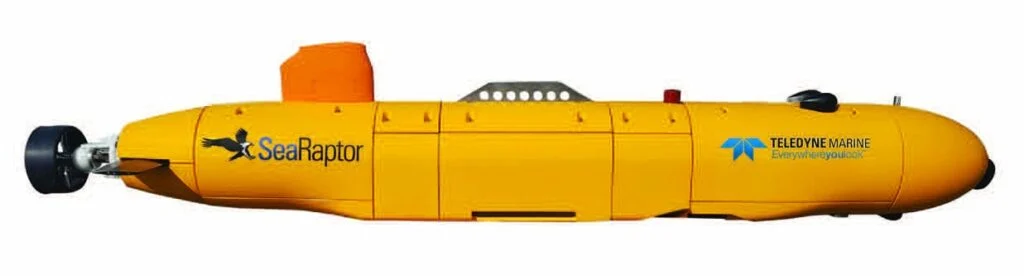
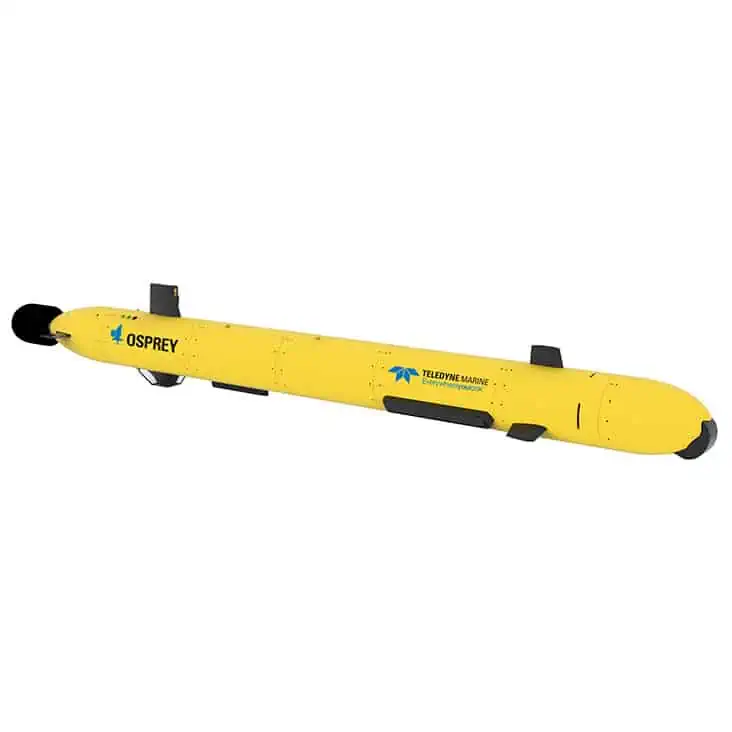
Teledyne Marine introduced its cutting-edge Osprey Autonomous Underwater Vehicle (AUV) during the exercise,launched from the Portuguese Navy’s NPR Dom Carlos I. This deployment was part of a critical experiment focused on protecting Undersea Infrastructure (CUI) within the broader context of Undersea Warfare trials. The osprey, designed for depths of up to 2000 meters and measuring 324mm in diameter, was equipped with an EdgeTech 2205 Side Scan Sonar, which includes bathymetric and gapfill capabilities.
High-Resolution Imaging Capabilities
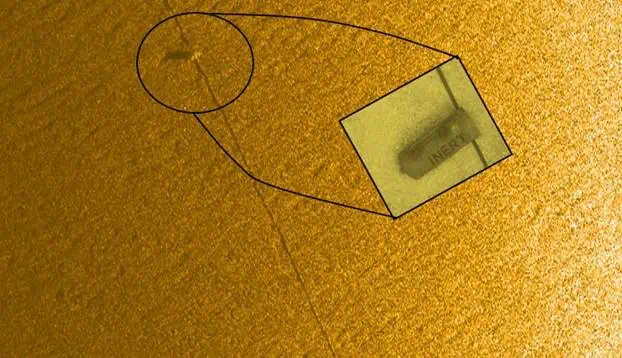
Utilizing its advanced interferometric sonar, the osprey produced detailed images of an 18mm diameter cable and successfully detected the placement of several inert explosive ordnance devices through change detection techniques applied to the sonar imagery.
Introduction of the T20-S Multibeam Module
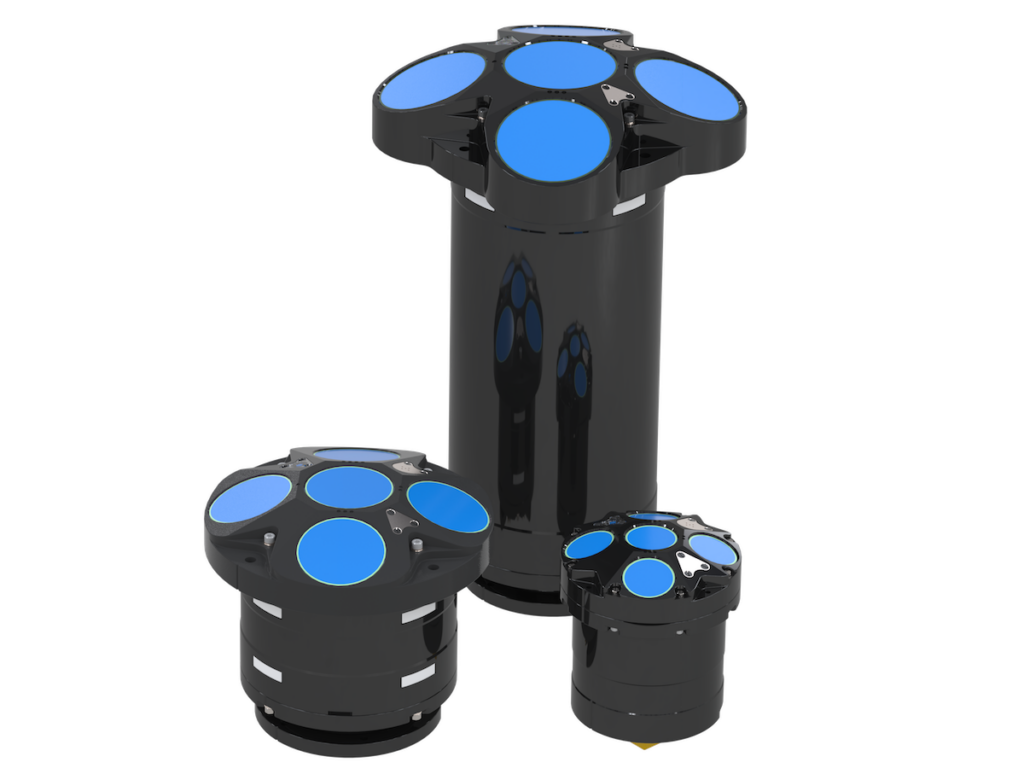
Teledyne Marine also showcased its T20-S Multibeam Module, a new addition to the 1000-meter rated Gavia AUV, which has a diameter of 200mm. This module was integrated into the Royal Danish Navy’s Gavia system and utilized during the distressed Submarine (DISSUB) experiment. A simulated submarine failure was conducted by the Portuguese Navy, which involved the vessel resting on the seabed at a depth of approximately 100 meters.The Gavia AUV was tasked with surveying the submarine’s position to aid in potential rescue operations.
Technical Specifications of the T20-S Module
The T20-S Module boasts a 400kHz Multibeam sonar with a 1° by 1° beam angle, featuring 1024 beams and a maximum pulse rate of 50Hz, which allows for the generation of high-resolution images in .s7k data format. The data collected was processed using Teledyne PDS and Teledyne Caris software.
International Collaboration and Interoperability
The T20-S Module was also deployed on a polish Navy Gavia AUV, demonstrating the effective interoperability between nations and their assets. The Polish Navy utilized the T20-S Module as part of the Naval mine Warfare segment of REPMUS, focusing on the classification of mine-like objects through backscatter and bathymetric data analysis.
Additional Contributions to REPMUS 23
Teledyne Marine further enhanced the REPMUS 23 exercise with additional unmanned systems, including an APEX-EM Profiling Float equipped with conductivity, temperature, and depth (CTD) sensors, as well as Electro-Magnetic sensors. A slocum glider, also outfitted with CTD sensors and a JASCO Applied Sciences OceanObserver Snout featuring four hydrophones, was deployed.
The APEX-EM float measures water movement through induced electromagnetic currents during its profiling activities. The data gathered during the REPMUS exercise was shared with the Rapid Environmental Assessment (REA) team and the NATO GEOMETOC Center of Excellence (COE) in Portugal. Notably, the APEX-EM float was air-deployed by the Schiebel S-100 Vertical Takeoff and Landing (VTOL) Unmanned Air System (UAS), showcasing a novel rapid deployment technique directly to the operational area.
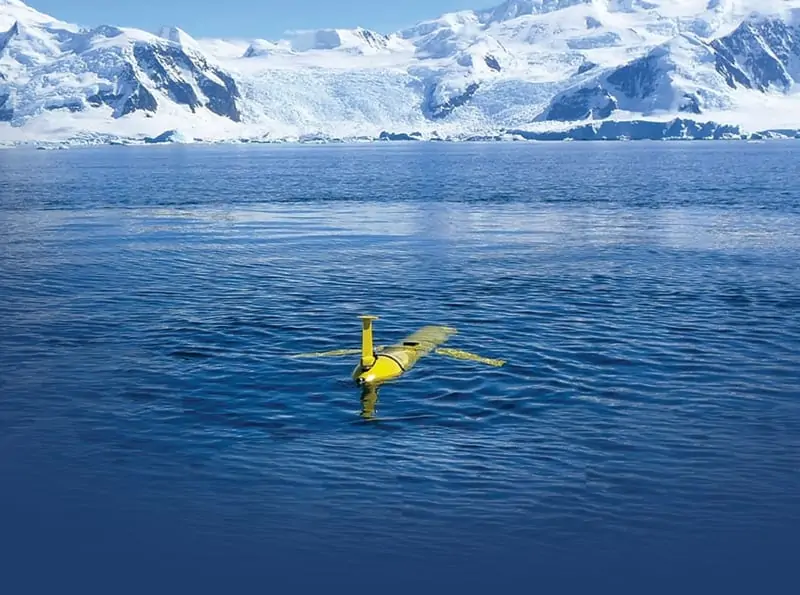
Additionally, Teledyne marine deployed an acoustic G3 Slocum Glider to support the REA initiative and the NATO GEOMETOC COE, providing critical oceanographic data from the water column. This glider was equipped with a JASCO Applied Sciences OceanObserver, featuring a spatial acoustic array that enabled the recording of ambient noise and the directional detection of identifiable targets.
Conclusion and Future directions
“REPMUS 23 represented a meaningful investment by Teledyne Marine, providing a unique platform to test our latest innovations in sensors and vehicles within real operational scenarios. We extend our gratitude to NATO, the Royal Navy, the Royal Danish Navy, the Portuguese Navy, the GEOMETOC COE, and all participating syndicates for their collaboration and support. Our contributions to REPMUS 23 included advanced capabilities that are ready for deployment by NATO and other military clients. We remain committed to supporting NATO with innovative technologies and solutions to address the emerging threats to Critical Undersea Infrastructure,” stated Thomas W.Altshuler, Ph.D., Senior Vice President of Global Maritime Defence Strategy and Business Development at Teledyne Technologies.