

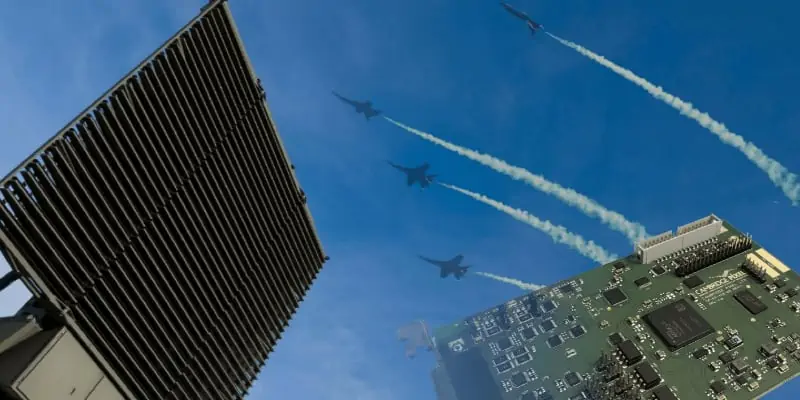
Introducing the HPx-310: A Leap in Radar Testing Technology
Cambridge Pixel has unveiled the HPx-310, an innovative radar output card aimed at assisting developers in conducting comprehensive end-too-end testing of their systems within laboratory settings prior to the deployment of radar on platforms like unmanned surface vessels (USVs).
Enhanced Features Over Its Predecessor
The HPx-310 serves as an upgrade to the previous HPx-300 model, offering a robust solution for generating radar signals essential for system testing, simulation, or interfacing network radar with older equipment that relies on analog radar signals. This new card maintains compatibility with the HPx-300, featuring a x1 PCIe interface that facilitates the transfer of radar video and its conversion into video, trigger, and azimuth signals.
Integration with Advanced Simulation Software
When paired with Cambridge Pixel’s Windows-based spx Radar simulator software, the HPx-310 allows users to create intricate scenarios involving moving targets, which can then be transformed into radar signals for direct input into radar processing or display systems. This capability is particularly vital for interfacing network radar streams with legacy systems, making the HPx-310 a crucial element in the overall solution. For instance, ASTERIX CAT-240 video can be fed into the HPx-310 card, which then outputs it as radar signals. Additionally, long-range distribution of radar signals can be accomplished using the HPx-410 radar input card, network streaming module, and the HPx-310 to revert back to radar signals.
Versatile Configuration Options
The HPx-310 card boasts extensive configurability regarding radar signals, offering options for single-ended, differential, and adjustable voltages up to 30V.It is compatible with a board support library for both Windows and Linux, and is part of the Cambridge Pixel SPx product family. Users can opt for a low-level board support package,the SPx development software,or the SPx Simulator submission to enhance their experience.
Expert Insights on the HPx-310
David Johnson, Managing Director of Cambridge Pixel, stated: “The HPx-310 has been designed to empower users to test their new tracking or display systems using live data in a controlled laboratory surroundings before actual deployment with radar. The card generates a diverse array of signal types, enabling thorough testing at the initial stages and mitigating the risk of encountering last-minute bugs or data flow complications.”