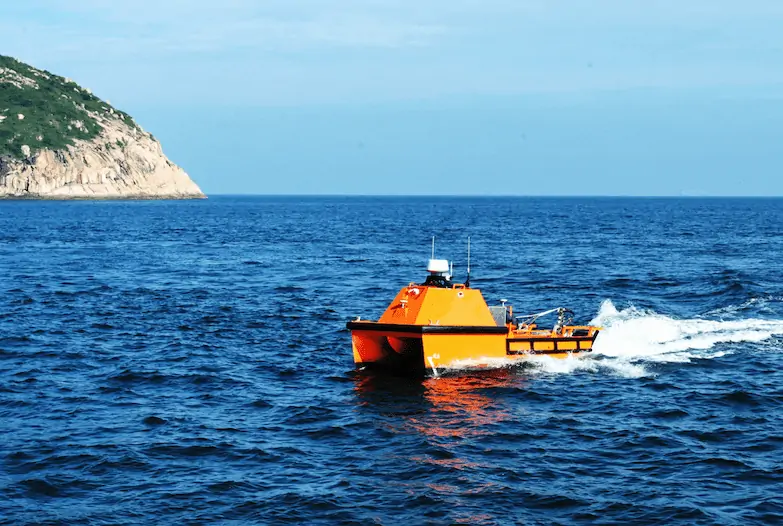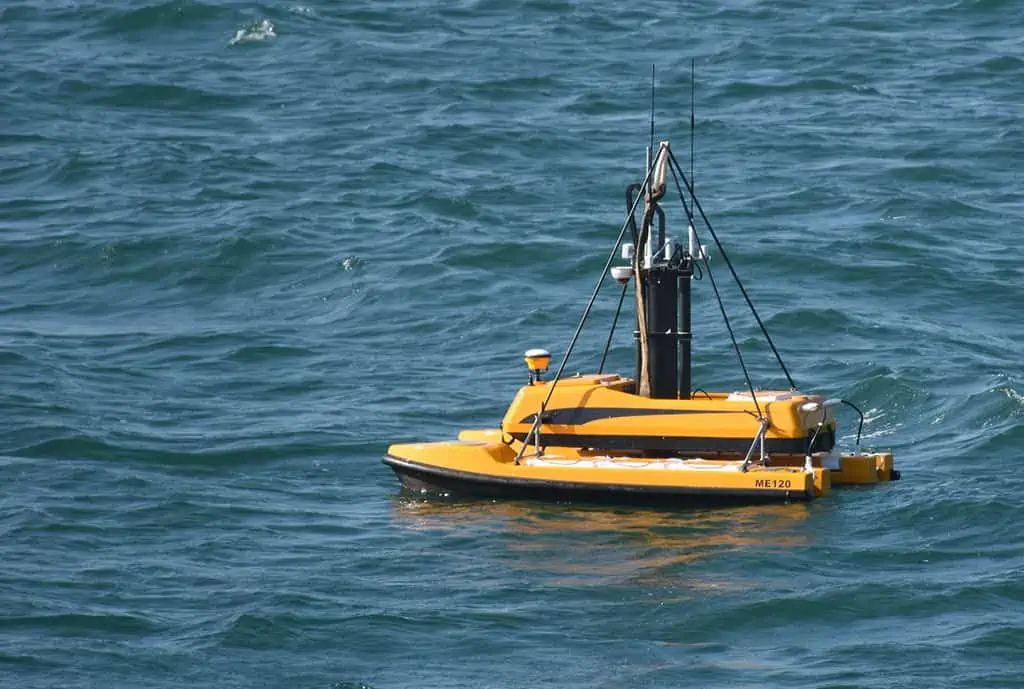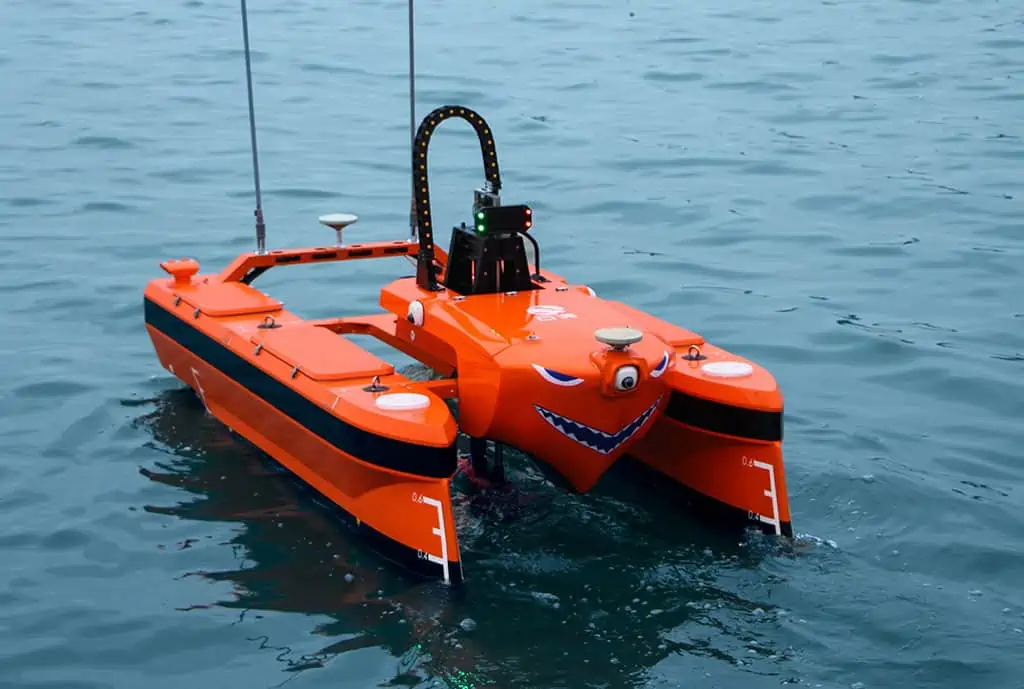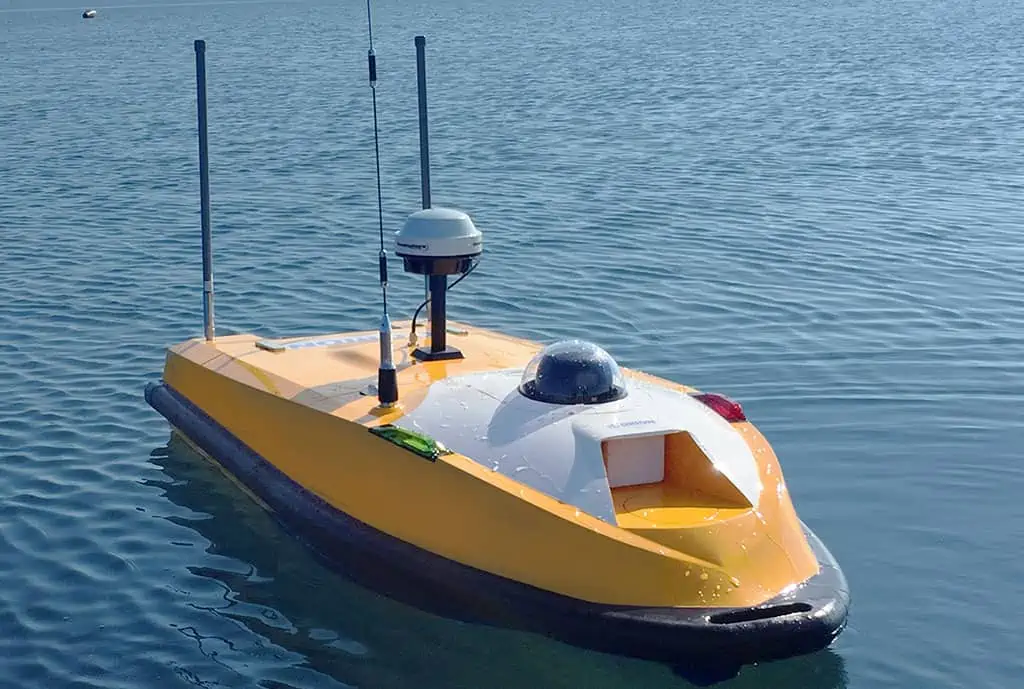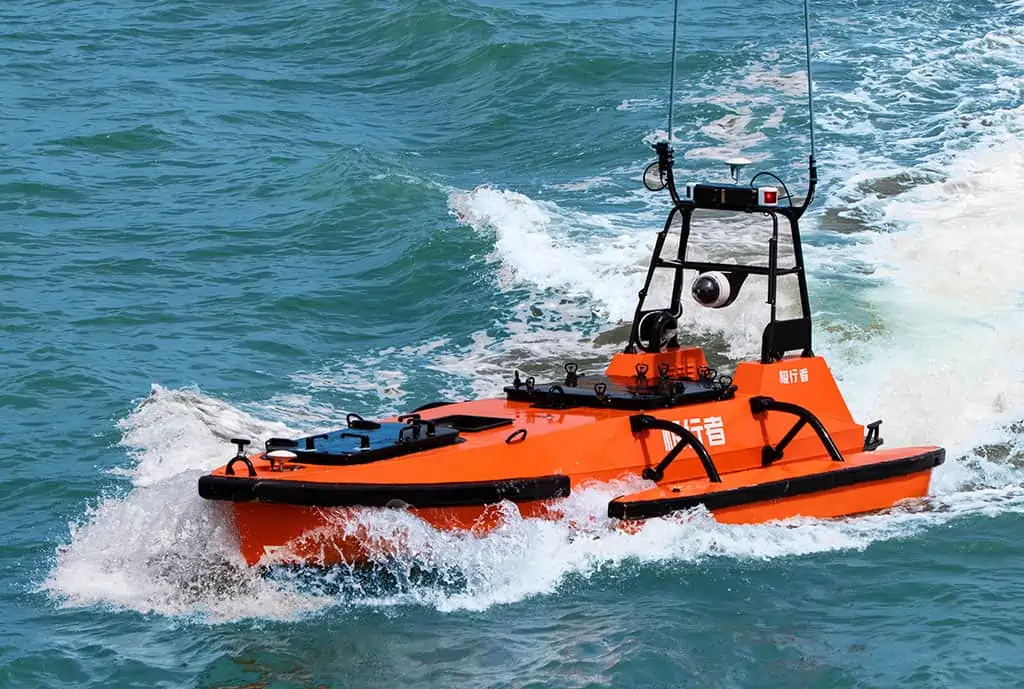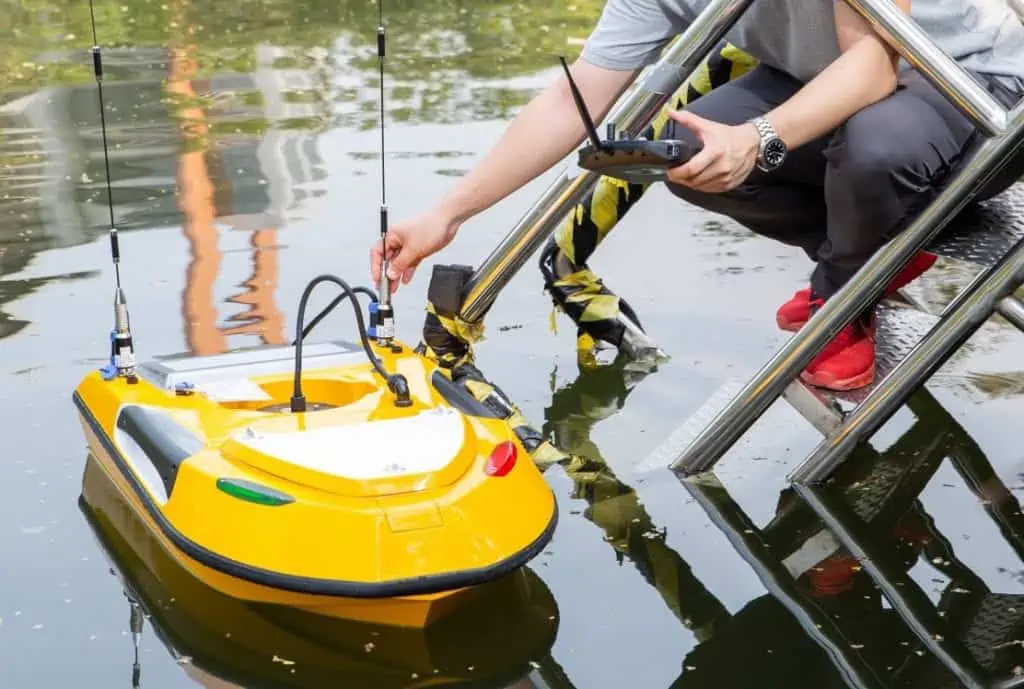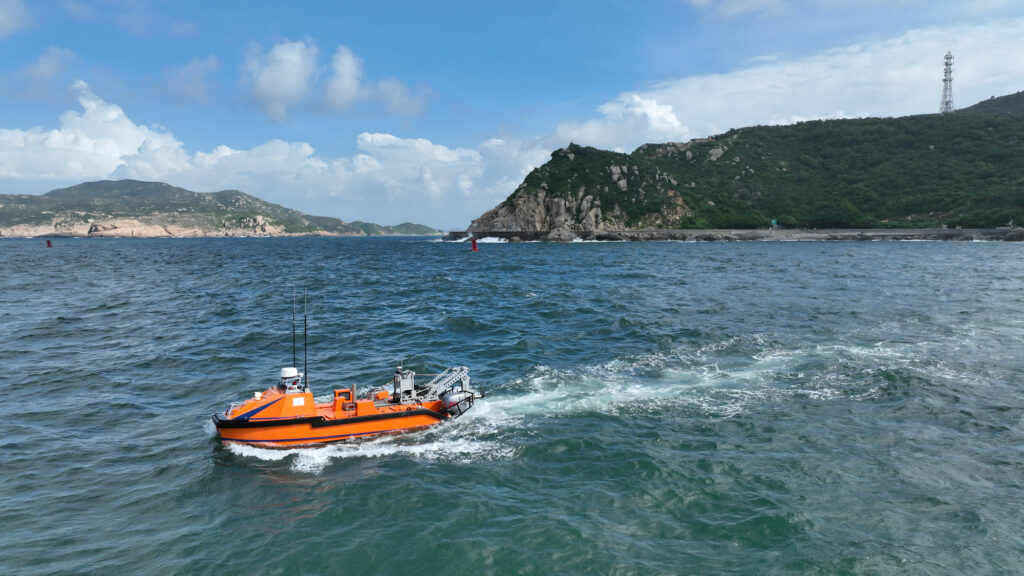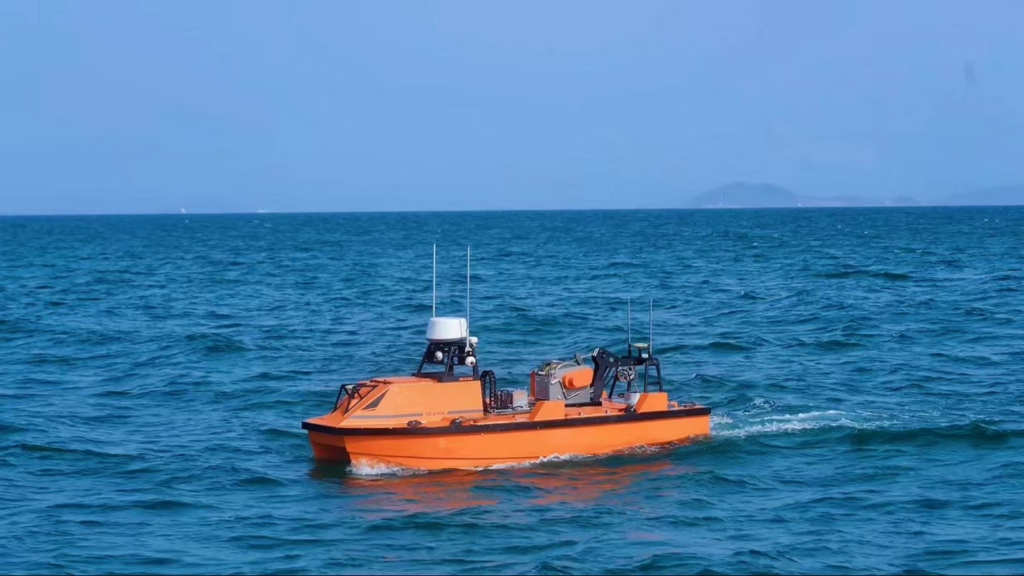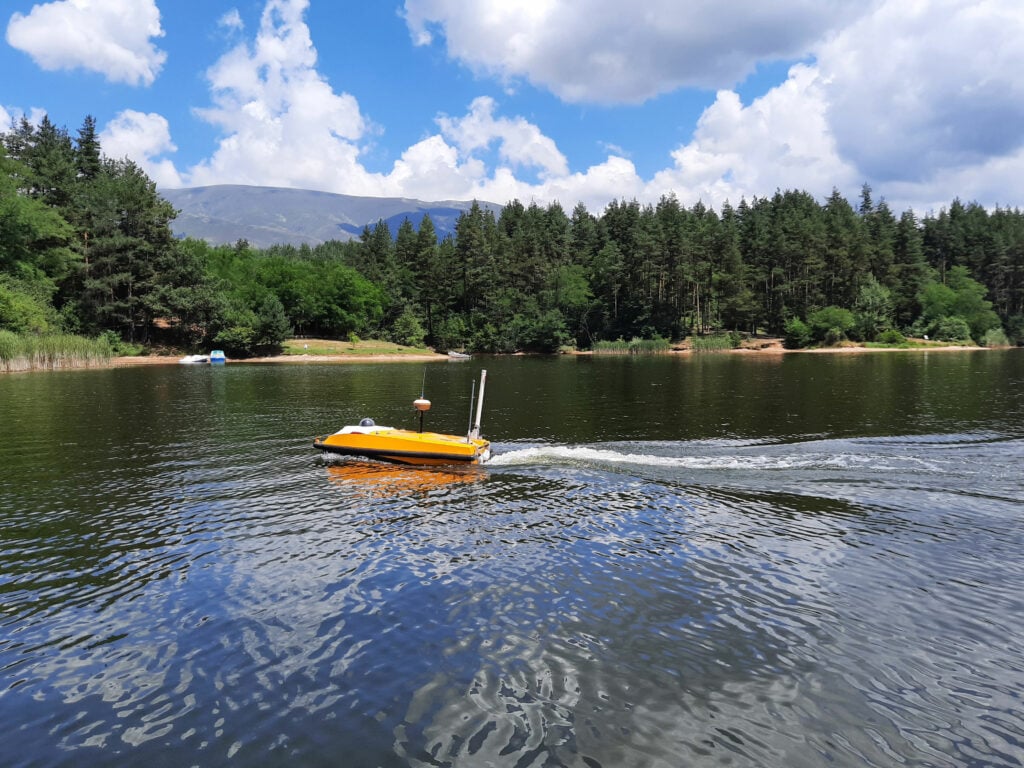


OceanAlpha illustrates the utilization of its SL40 USV by the Orbetello Municipal Goverment for autonomous water quality assessments in Italy’s Orbetello Lagoon.
Situated at the southern tip of Tuscany, the Orbetello Lagoon is a semi-enclosed coastal area known for its shallow waters, averaging around 1 meter in depth. In recent years, rising nutrient levels and algal blooms have sparked notable concerns regarding water quality and the preservation of vital fish populations within this ecosystem.
To address these challenges, the Orbetello Municipal Government collaborated with the Retralags initiative to select the OceanAlpha SL40 USV as the autonomous platform for monitoring water quality in the lagoon.
Context:
The Orbetello Lagoon (see Fig. 1) is equipped with two fixed water quality monitoring stations. Though, the need for rapid collection of essential water quality data and tracking of changing conditions has become critical. Local authorities must act swiftly to prevent further deterioration of water quality during crucial periods.Thus, an effective tool for data collection was imperative.
Fig. 1 Orbetello Lagoon (highlighted in red)
Proposed Solution:
The SL40
serves as a versatile autonomous platform designed for water surveys and monitoring. The YSI EXO2s probe was selected to measure various water quality parameters, including temperature, pH, conductivity, dissolved oxygen, turbidity, chlorophyll, and blue-green algae. Additionally, dual-frequency single-beam echo sounders were employed for bathymetric surveys, complemented by an underwater camera for environmental observations.
Fig. 2 SL40 USV, YSI EXO2s probe, echo sounder, and underwater camera
Monitoring Operations:
The user-pleasant interface of OceanAlpha’s USV base station software (see Fig.3) facilitates mission planning for water quality monitoring.
Fig. 3 Mission planning interface in USV base station software
The compact design of the USV allows for easy mobilization using a trolley and can be launched by just two individuals (see Fig. 4).
Fig. 4
The USV base station software oversees mission status, controls the USV, manages sonar settings, and provides real-time video feeds for monitoring the aquatic environment.
- USV base station software with real-time water quality data
- Echo sounder control interface
- USV PTZ camera
- USV standard camera
Fig. 6 Water quality monitoring interface
Results of Monitoring:
The USV collected water quality data based on predetermined waypoints (see Fig. 7), recording time, coordinates, and specific parameter details.
Fig. 7 Water quality monitoring data (Data provided by Università di Siena, http://www.retralags.eu/)
The gathered data can be exported as distribution maps and processed using QGIS to create thorough water quality maps (see Fig. 8).This facilitates a swift understanding of the lagoon’s water quality based on various parameters.
fig.8 Water quality data processed in QGIS (Data provided by Università di Siena, http://www.retralags.eu/)
Final Thoughts:
The SL40 USV
is pivotal in monitoring the water quality of the lagoon, featuring several key attributes:
- The SL40 USV boasts exceptional maneuverability and automation, enabling precise planning and optimization of monitoring waypoints, allowing for comprehensive coverage of the lagoon in a short timeframe.
- In comparison to conventional manned vessels, the SL40 USV offers a safer, more cost-effective, and efficient alternative.
-
The SL40
is ideal for prolonged and repeated monitoring tasks, capable of operating in hard-to-reach areas.
The SL40
represents a groundbreaking advancement in lagoon monitoring. As per the agreement with the Orbetello Municipal Government, the SL40 USV is set to become an essential instrument for assessing the ecological health of the lagoon.
Beyond real-time water quality assessments, regular monitoring activities can be scheduled from spring thru early autumn. These efforts will provide valuable insights into trends in specific water quality parameters, particularly during critical periods such as July and August.
Certain parameter values are vital for the survival of fish populations. Should any anomalies be detected, the data can be promptly relayed to management authorities for immediate intervention.