

VectorNav Technologies Partners with Red Bull air Race for Enhanced Telemetry
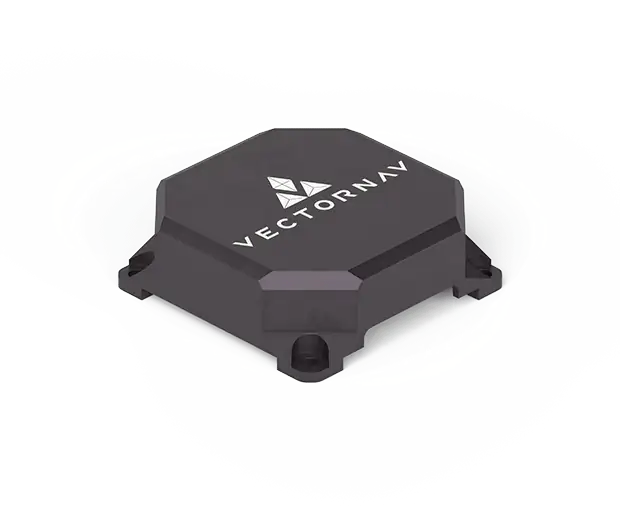
VectorNav Technologies, a prominent provider of embedded inertial navigation systems, has been chosen by the Red Bull Air Race to supply the VN-300 Dual Antenna GNSS-Aided Inertial Navigation System. This system will serve as the primary telemetry data source for the Master Class raceplanes competing in the Red Bull Air Race World Championship. The VN-300 made its debut during the season opener in Abu Dhabi in 2018, where it was utilized across all 14 aircraft to deliver real-time telemetry data essential for judging, in-race simulations, and virtual reality applications.
The thrill of the Red Bull Air Race
As its inception in 2003, the Red Bull Air Race World Championship has hosted over 80 races worldwide. This exhilarating competition showcases the finest race pilots in a high-octane motorsport surroundings that demands speed, precision, and skill. Pilots navigate lightweight, agile racing planes, reaching speeds of up to 370 km/h while enduring forces of up to 10 G as they maneuver through a low-level slalom course marked by 25-meter-high, inflatable pylons. Time penalties are incurred for various infractions, including hitting pylons, improper navigation through Air Gates, or exceeding 10 G for more than 0.6 seconds.
Augmented Reality Enhancements for Spectators
As an individual sport, the Red Bull Air Race requires spectators to have a clear reference point to appreciate the differences in pilots’ lines and speeds on the racetrack. To enhance viewer experience, Red Bull Air Race Live TV employs an augmented reality (AR) feature known as the Ghost Plane. This innovative solution visualizes the pilots’ trajectories, allowing for real-time comparisons during head-to-head rounds and the Final 4, which determines the race winner based on time. The ghost Plane’s functionality relies on the position, velocity, and attitude data collected from the onboard inertial navigation System (INS) during flight.
Michael goulian of the United States competes in the finals at the inaugural round of the Red Bull air Race World Championship in Abu Dhabi, UAE, on February 3, 2018. (Andreas Langreiter / Red Bull content Pool)
The Importance of Accurate Telemetry Data
The effectiveness of the Ghost Plane hinges on the precision of the telemetry data,which is notably challenging to obtain given the high dynamics of flight. As a notable example, when a plane navigates through a chicane and enters a vertical turn, GPS signals might potentially be lost, necessitating reliance on inertial sensors to accurately estimate position and velocity until GPS signals are reestablished in level flight.Alvaro Navas,the Sport Technical Manager for the Red Bull Air Race,remarked,“We assessed various inertial navigation systems and faced difficulties finding one that could perform under our dynamic conditions.VectorNav’s VN-300 was the only system that provided the required accuracy for attitude, position, and velocity data right out of the box, with no need for customization. The sensor is truly remarkable!”
VectorNav VN-300: A Game-Changer in Navigation Technology
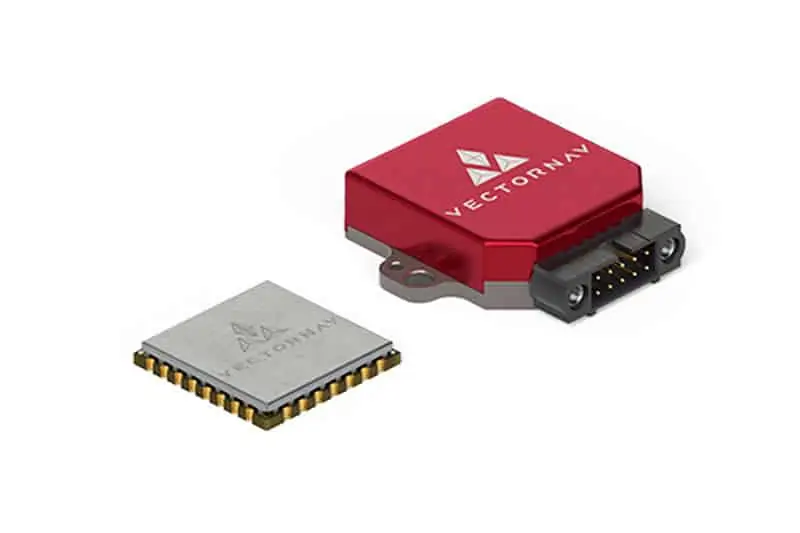
Weighing in at less than 30 grams, the VectorNav VN-300 is recognized as the world’s smallest dual antenna GNSS-aided INS. Its applications extend beyond air racing to include autonomous vehicles, satellite interaction, and aerial surveillance. Gordon Hain, Product Manager at VectorNav, expressed enthusiasm about the collaboration with Red bull Air race: “We are thrilled to provide accurate data not only for race judges and spectators but also for pilots and tacticians. With the insights from VectorNav, they can compare actual flight paths with their simulations to identify areas for enhancement. We look forward to our continued partnership with Red Bull air Race throughout the 2018 season and beyond.”
Advanced Technology Behind the VN-300
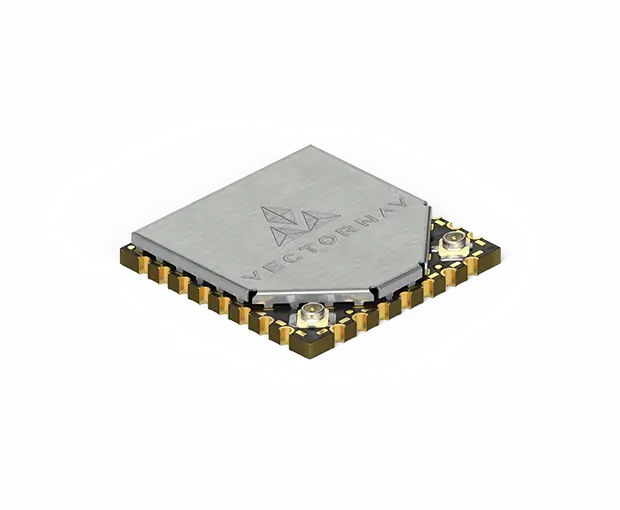
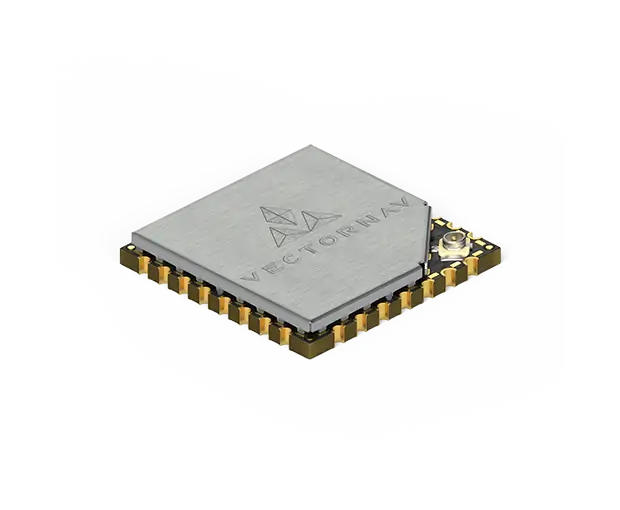
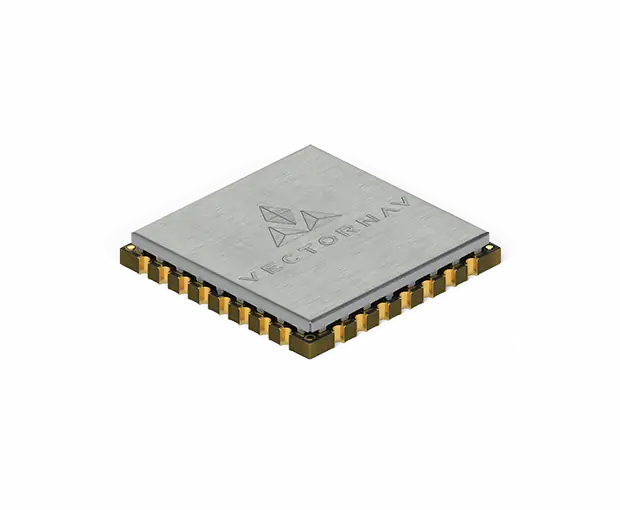
the VN-300 is a compact, high-performance dual Antenna GNSS-Aided Inertial Navigation System that integrates MEMS inertial sensors, two high-sensitivity GNSS receivers, and sophisticated Kalman filtering algorithms to deliver optimal estimates of position, velocity, and orientation.Discover more about this innovative technology >