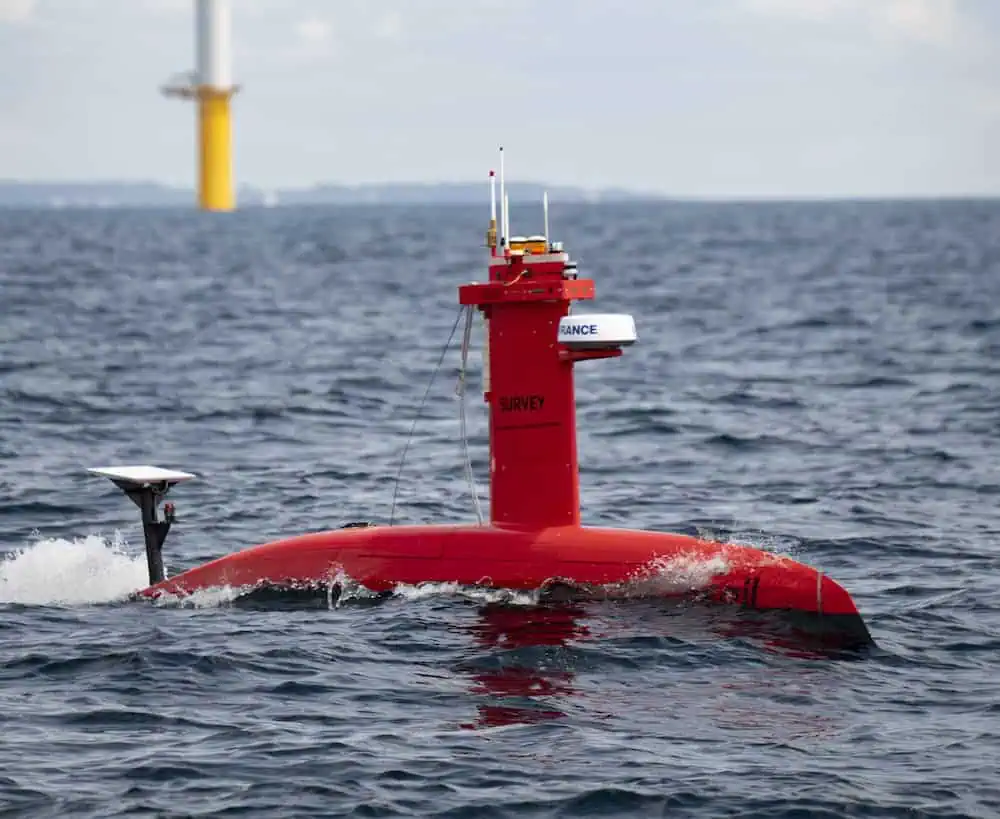


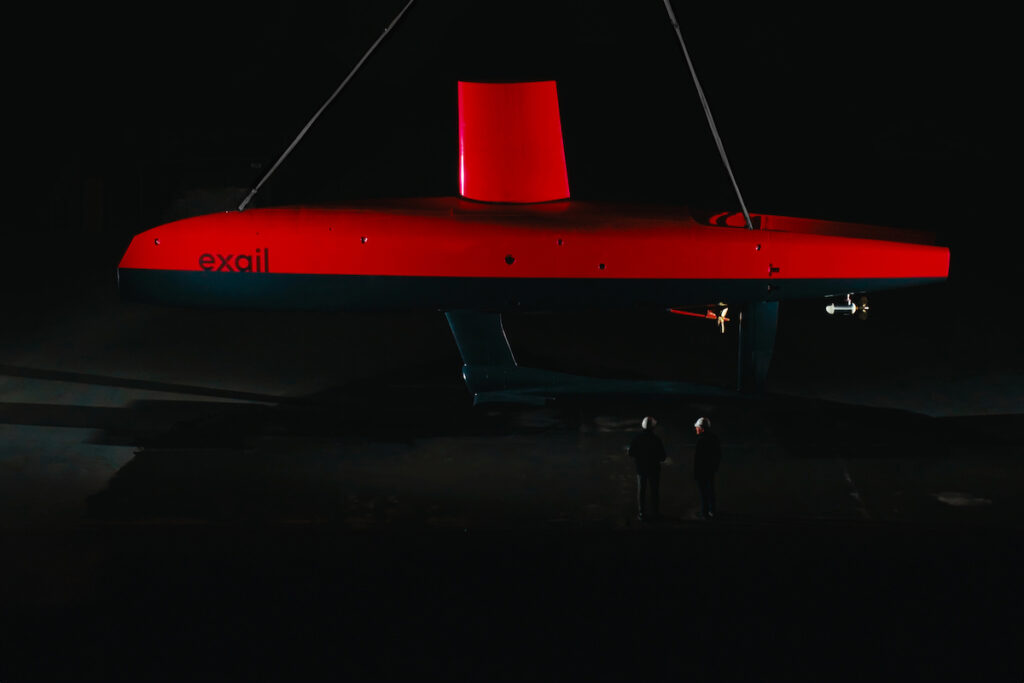
Exail Introduces cutting-Edge Transoceanic Uncrewed Surface Vessel
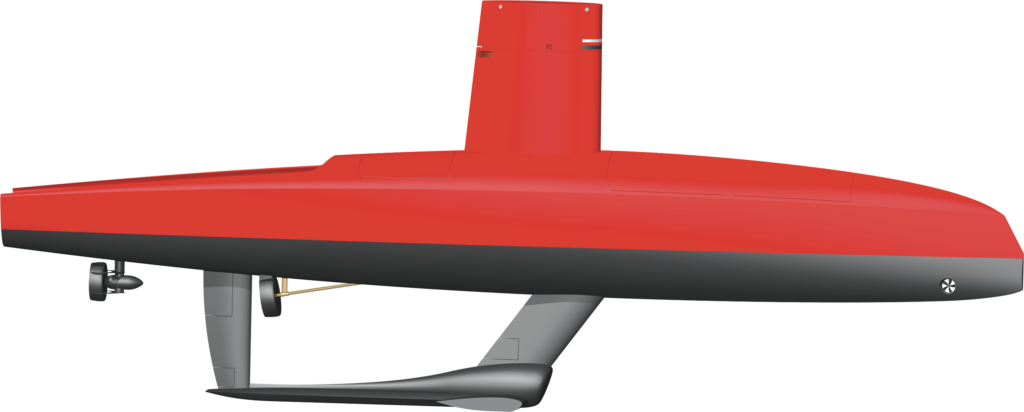
Exail, a prominent name in maritime autonomy, has launched its latest transoceanic Uncrewed Surface Vessel (USV), the DriX O-16, which boasts hybrid propulsion and versatile multi-mission capabilities aimed at enhancing autonomous maritime operations.
Extraordinary Design for Endurance and Versatility
The DriX O-16 is engineered for remarkable endurance, capable of covering 2,500 nautical miles and designed to endure extreme oceanic conditions. This USV is optimized for extended missions lasting up to 30 days, allowing it to deploy various payloads and subsea equipment effectively.
Building on Proven Success
This new vessel builds upon the legacy of the original DriX USV, which debuted in 2017 and has since logged over 150,000 operational hours across 19 countries. The DriX O-16 incorporates lessons learned from its predecessor to enhance its performance and reliability.
Advanced features for Enhanced Operations
Equipped with a hybrid propulsion system, redundant architecture, and elegant dialog technologies, the drix O-16 also features AI-driven obstacle detection and avoidance systems, ensuring high reliability and operational efficiency.
Multi-Mission capabilities
This innovative USV is designed for a variety of missions, including the launch and recovery of diverse subsea assets such as:
- Remotely Operated Towed Vehicles (ROTVs)
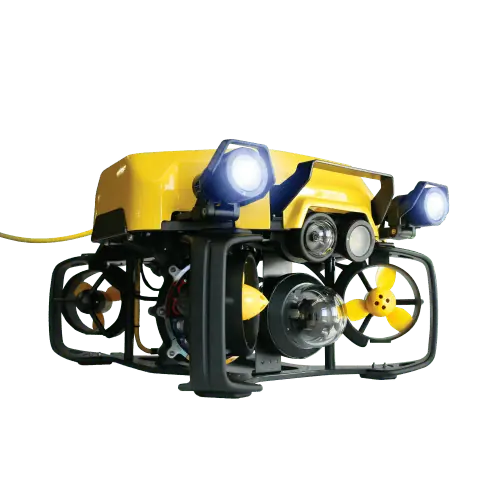
- Inspection-class Remotely Operated Vehicles (ROVs)
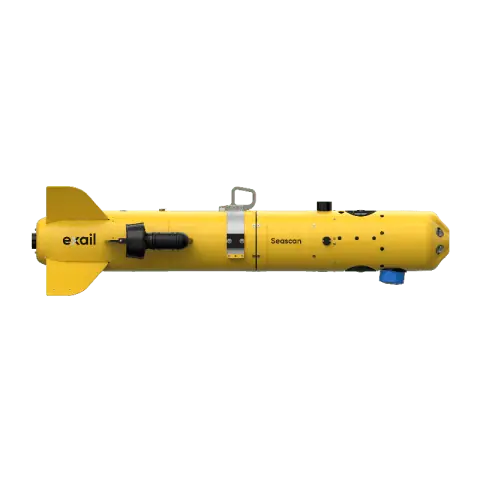
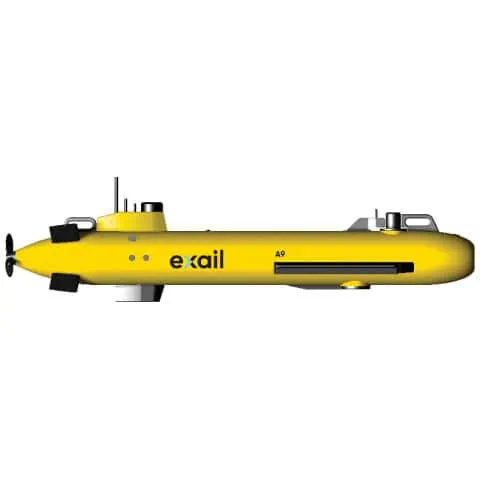
- Autonomous underwater Vehicles (AUVs)
Payload Versatility for Scientific Exploration
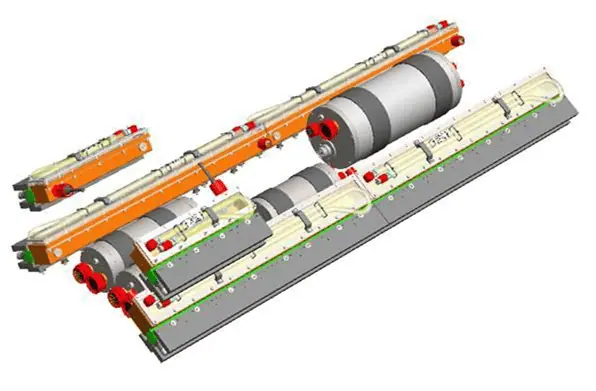
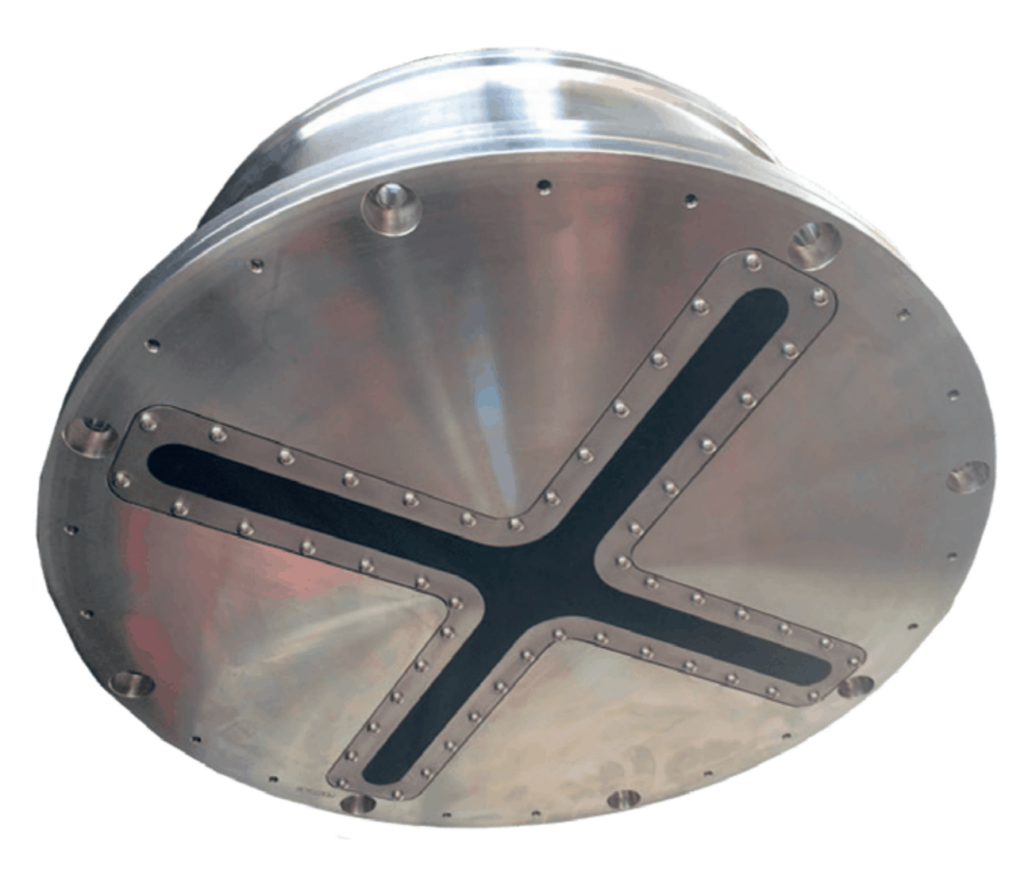
Its submerged gondola can accommodate an array of payloads, including deep-water Multibeam Echosounders (MBES), Sub-Bottom Profilers (SBP), and acoustic subsea positioning and communication systems (USBL). This versatility makes the DriX O-16 notably well-suited for thorough oceanographic and hydrographic surveys, geophysical assessments, and inspections of subsea infrastructure that may require multiple robotic deployments.
Vision for the Future of maritime Operations
“With the launch of this next-generation,low-carbon transoceanic USV,we are redefining the boundaries of ocean exploration,facilitating collaborative autonomy between surface and underwater drones while reducing human exposure at sea,” states Olivier Cervantes,VP of Maritime Autonomy Solutions at Exail.
“The introduction of the DriX O-16 signifies a pivotal advancement in autonomous maritime operations, as we anticipate a growing trend towards multi-robot missions in the maritime sector in the years ahead.”