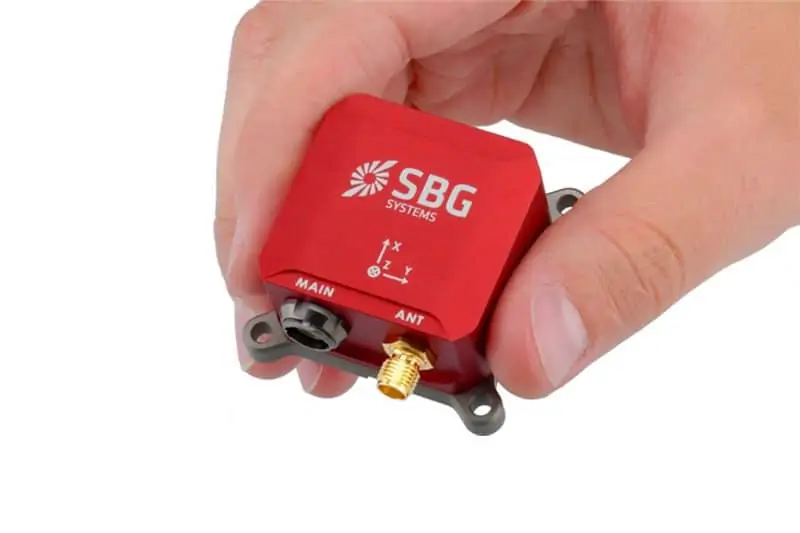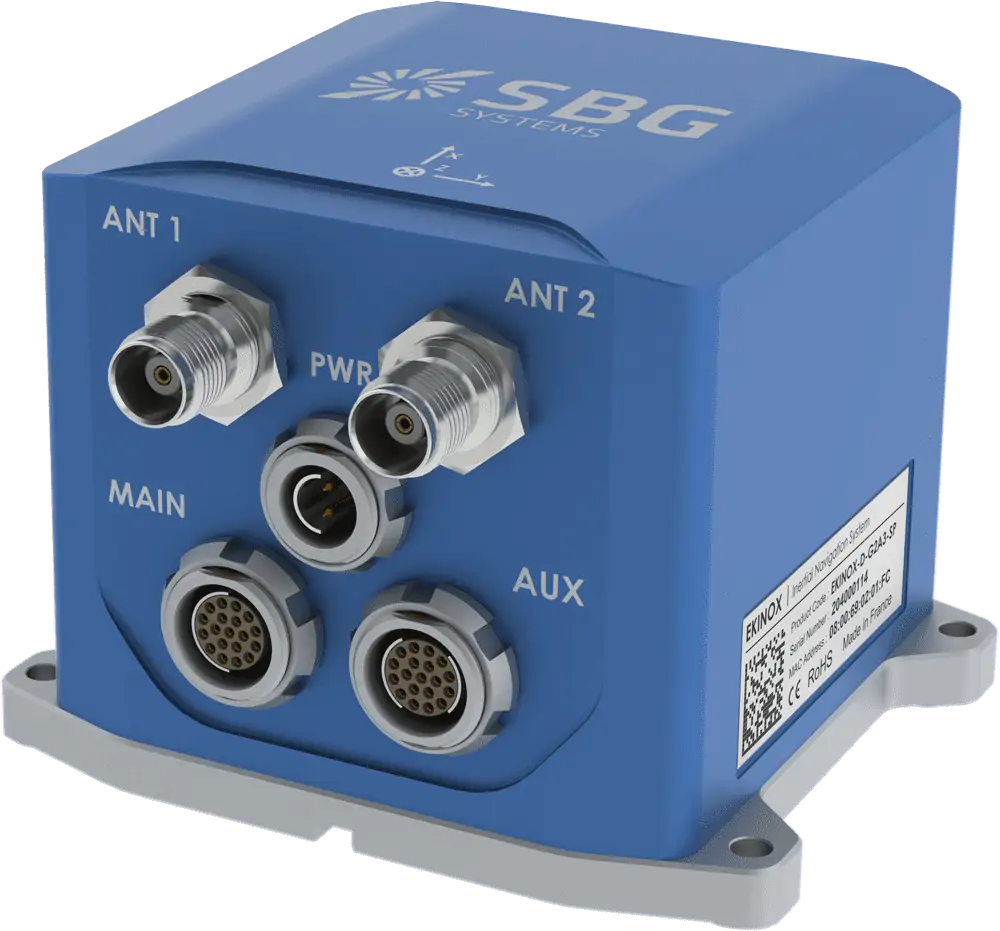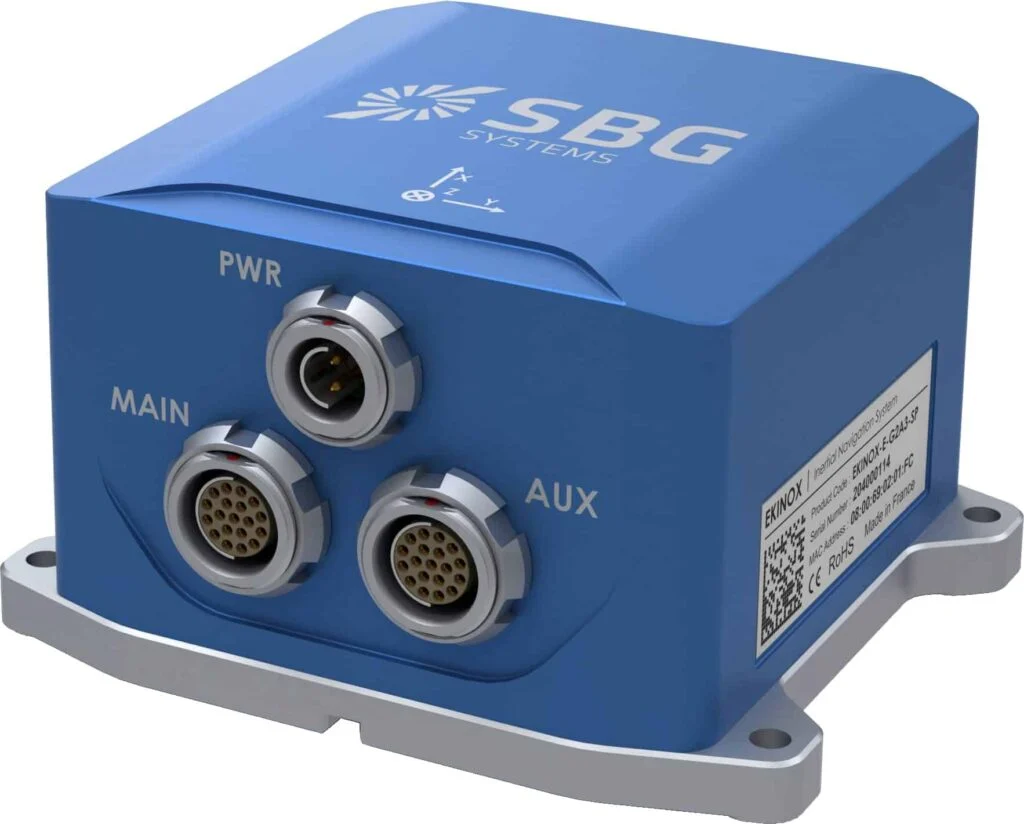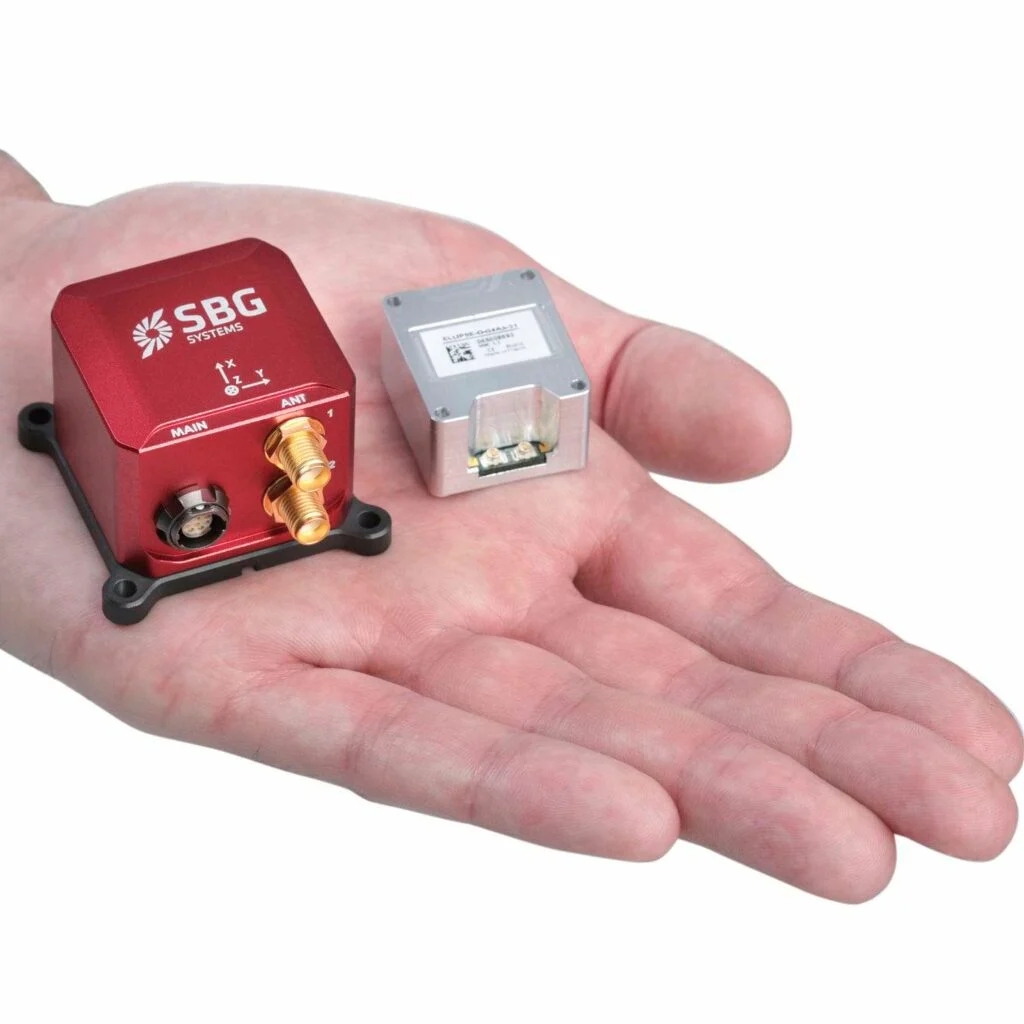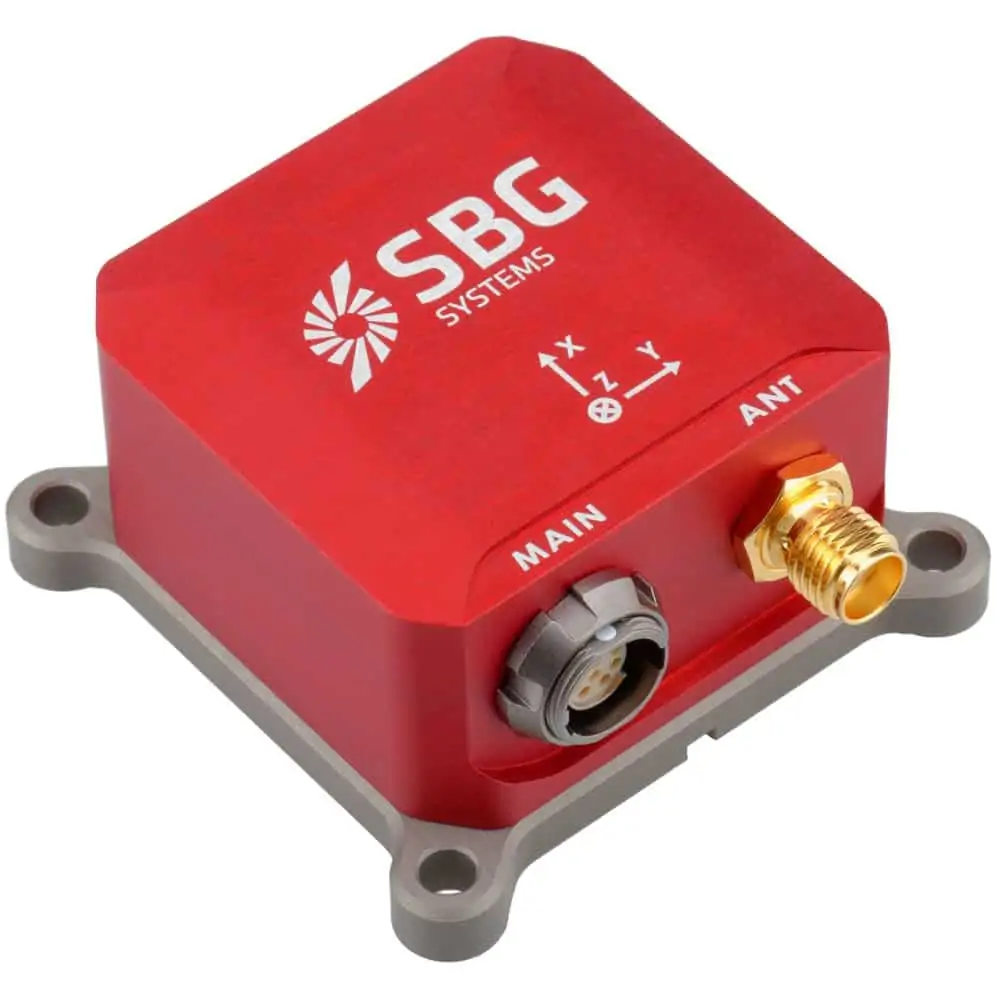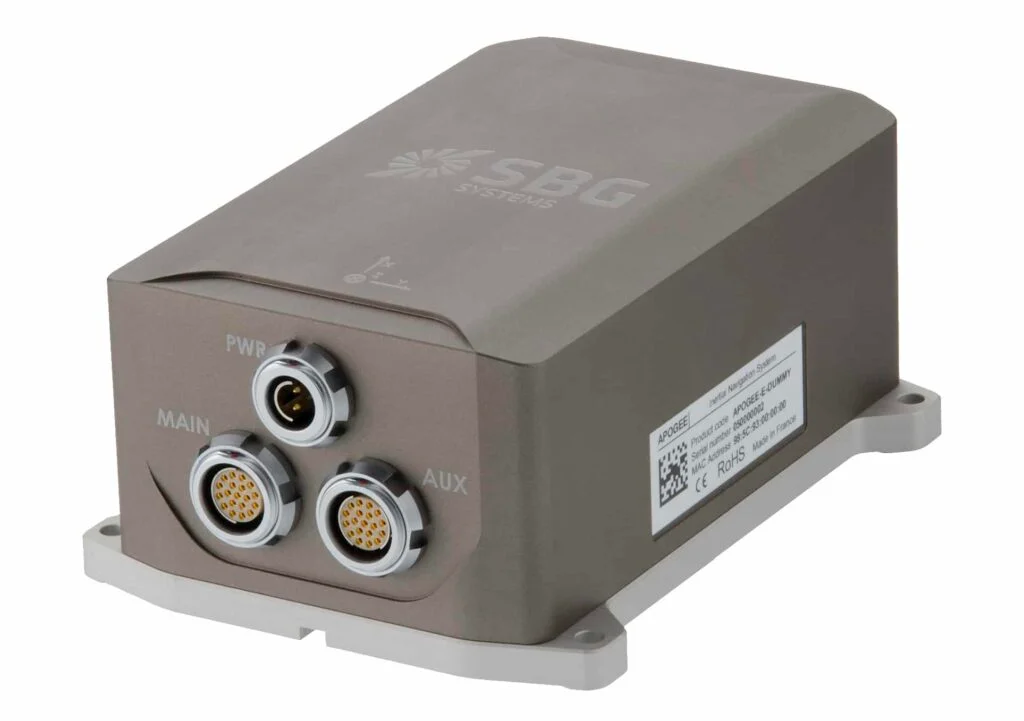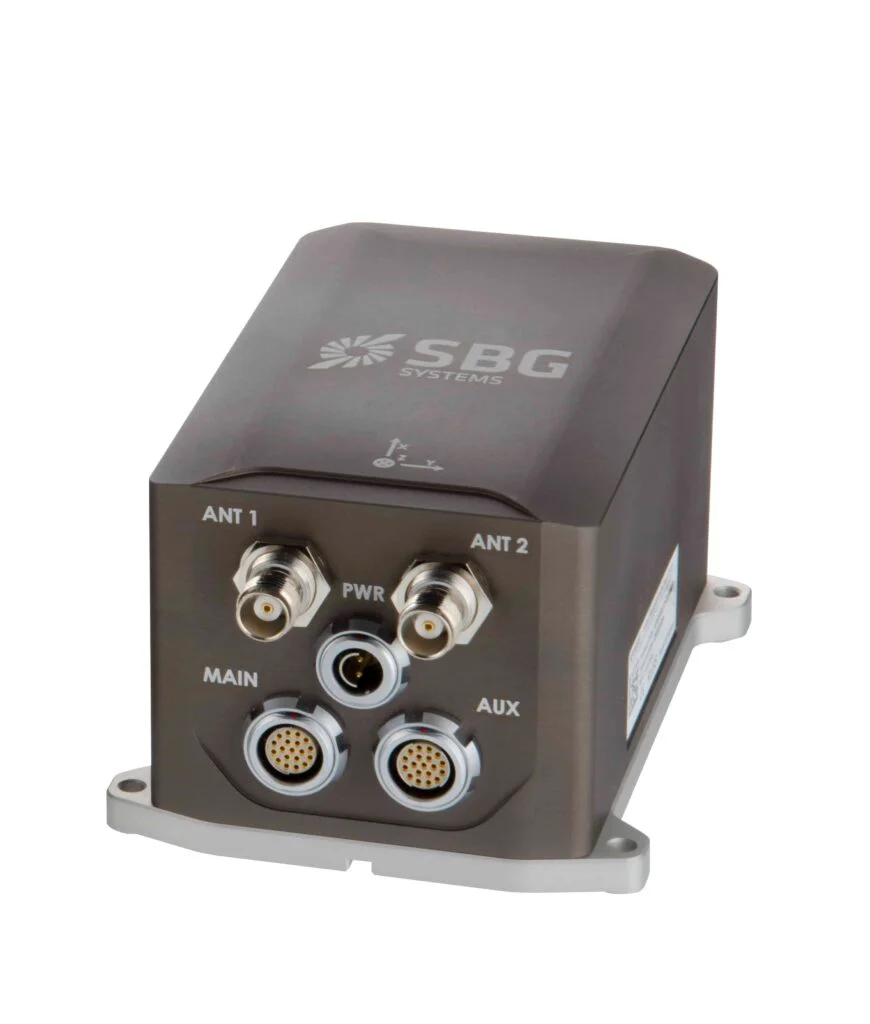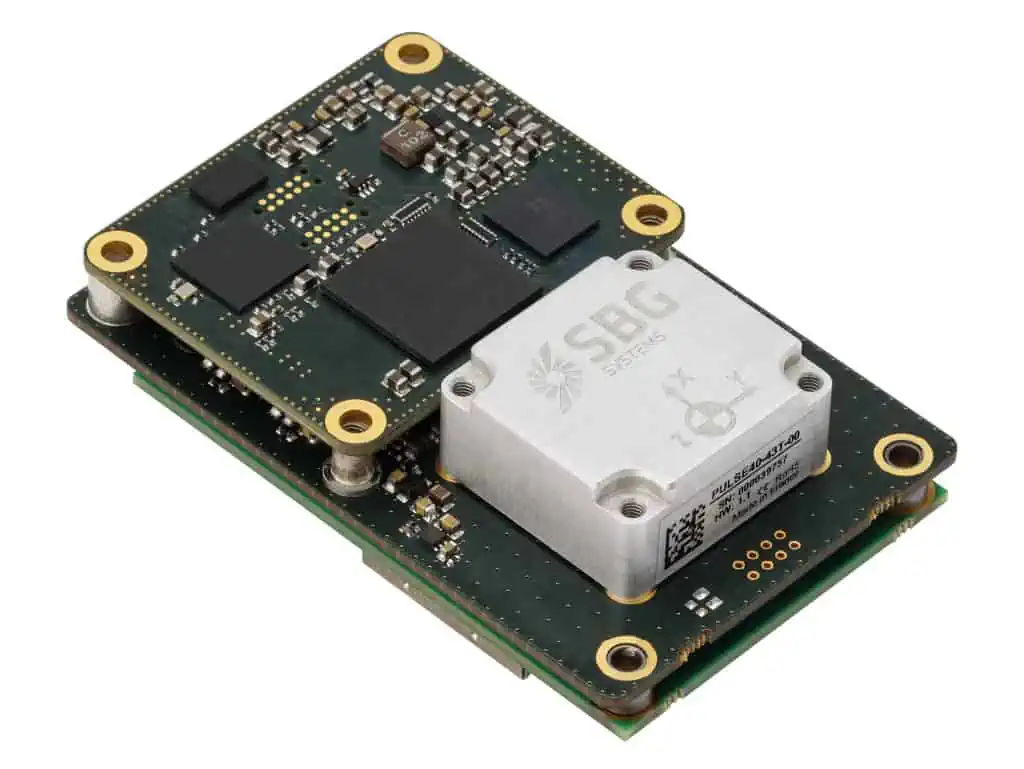


SBG Systems has announced that its Navsight Apogee Marine GNSS-aided Inertial Navigation System (INS) will be integrated into an unmanned surface vessel (USV) created by Unmanned Survey Solutions (USS).The Accession Class USV is engineered to cater to diverse surveying requirements, featuring a flexible design that allows for three different boat lengths tailored to specific applications. The standard length starts at 3.50 meters, with options to extend to 4.25 meters or 5.00 meters by adding extra hull sections.
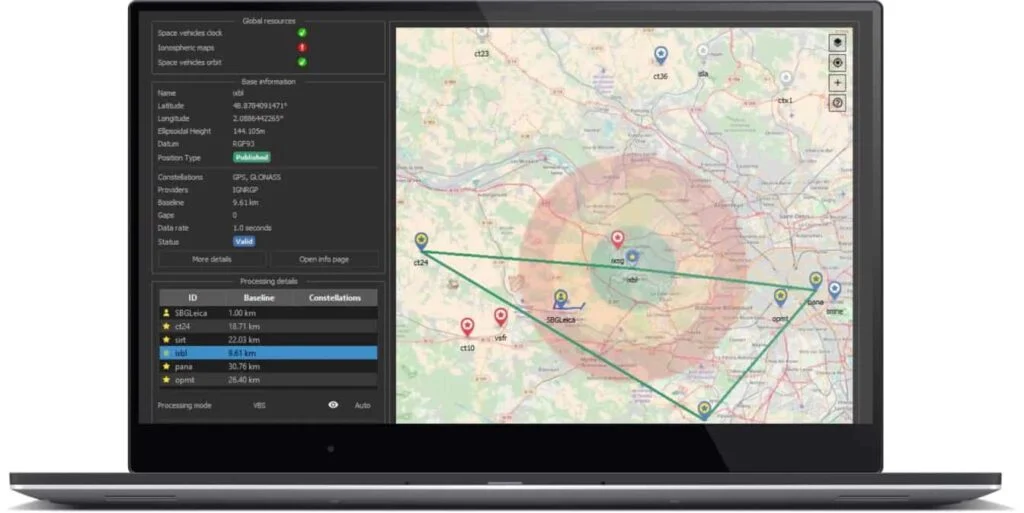
This versatile vessel can be paired with mobile LiDAR systems,such as the carlson Merlin laser scanner,enabling it to effectively map land-based structures adn generate comprehensive 3D point clouds both above and below the waterS surface. The navsight Apogee Marine ensures centimeter-level RTK positioning accuracy,which can be further enhanced using the Qinertia post-processing software.
With roll and pitch accuracy reaching as low as 0.008° and heading accuracy at 0.015°, the Navsight Apogee Marine is suitable for use in both shallow and deep waters, whether in open skies or challenging GNSS environments like areas beneath bridges and tree canopies. The Qinertia software supports precise Point positioning (PPP) and Post-Processed Kinematic (PPK) capabilities, offering single or virtual base station modes and the option to integrate users’ own base station RINEX data.
The Accession USV is designed to be payload-agnostic and fully customizable, coming standard with a R2Sonic SONIC 2024 multibeam sonar and a Valeport MiniSVS & SWIFT SVP for sound velocity measurements, alongside the SBG Systems GNSS-aided INS. Data collection is facilitated through Hydrographic software such as Hypack or QINSy, which aids in mission planning, data acquisition, post-processing, and the creation of final deliverables.
James Williams, Director of USS, stated: “The Navsight Apogee delivers outstanding performance for our nearshore and offshore surveys. Its low power consumption, compact installation requirements, and rapid initialization times make it an ideal choice for all USV operations.”