


Introduction to Meteksan Defence’s Advanced Anti-Jamming GNSS Technology

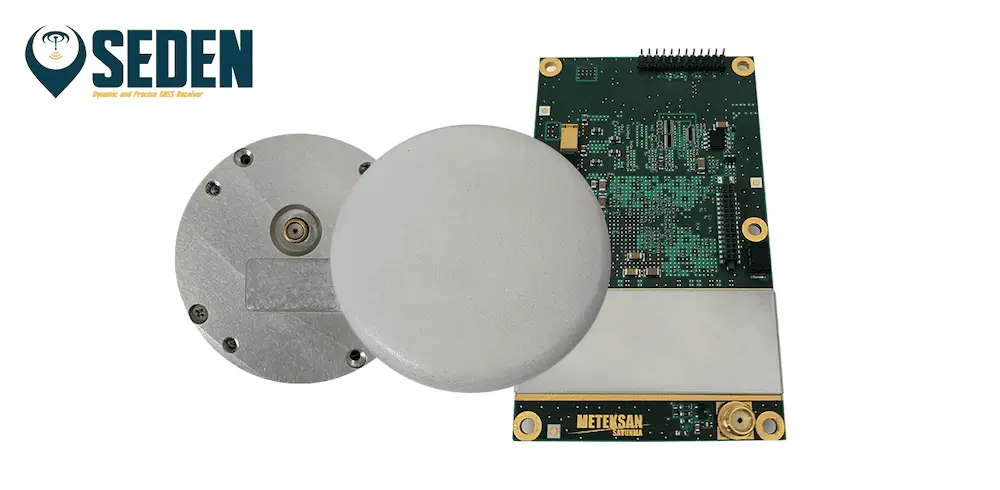
Meteksan Defence has unveiled its cutting-edge Anti-Jamming GNSS System, specifically engineered for military applications, including unmanned aerial vehicles (UAVs) and unmanned ground vehicles (ugvs). This innovative system supports a variety of frequencies and constellations, such as GPS, GLONASS, GALILEO, and BeiDou, enabling it to detect and mitigate jamming signals through advanced spatial filtering techniques, thereby restoring the original signal for standard GNSS receivers.
The Challenge of GNSS Signal integrity
GNSS signals often experiance degradation as they travel from satellites to receivers, primarily due to atmospheric conditions. This vulnerability makes them susceptible to jamming, which can disrupt signal tracking and lead to malfunctions or crashes in unmanned systems and robotics.
Key Features of the Anti-Jamming GNSS system
The newly developed system incorporates a four-element Controlled Reception Pattern Array (CRPA) antenna, providing robust resistance against single or multiple jamming signals. It is designed to function effectively at high speeds and in dynamic environments, while its lightweight and compact design make it suitable for size, weight, and power (SWaP) constrained unmanned systems. Additionally,it meets MIL-STD-810G and MIL-STD-461F standards for military applications.
Integrated GNSS Receiver Capabilities
Meteksan Defence’s Anti-Jam GNSS System features an integrated GNSS receiver that can decode GPS satellite signals to ascertain position, velocity, and time data. This allows the system to output filtered GNSS RF signals and compute positional information without relying on an external GNSS receiver.Leveraging its advanced antenna design capabilities, Meteksan Defence also develops proprietary CRPA antenna designs tailored to various platforms.
Insights from Leadership
Selçuk Alparslan, President of Meteksan defence, stated, “Our high-tech electronic systems developed for military platforms, including helicopters, UAVs, and missile systems, have fostered significant advancements in human resources, technology, infrastructure, and our business ecosystem. We can leverage this expertise across other necesary domains without waiting for specific projects. The anti-Jamming GNSS is a testament to this strategy. We believe this system will substantially enhance the reliability and security of the Turkish Armed Forces’ platforms.”