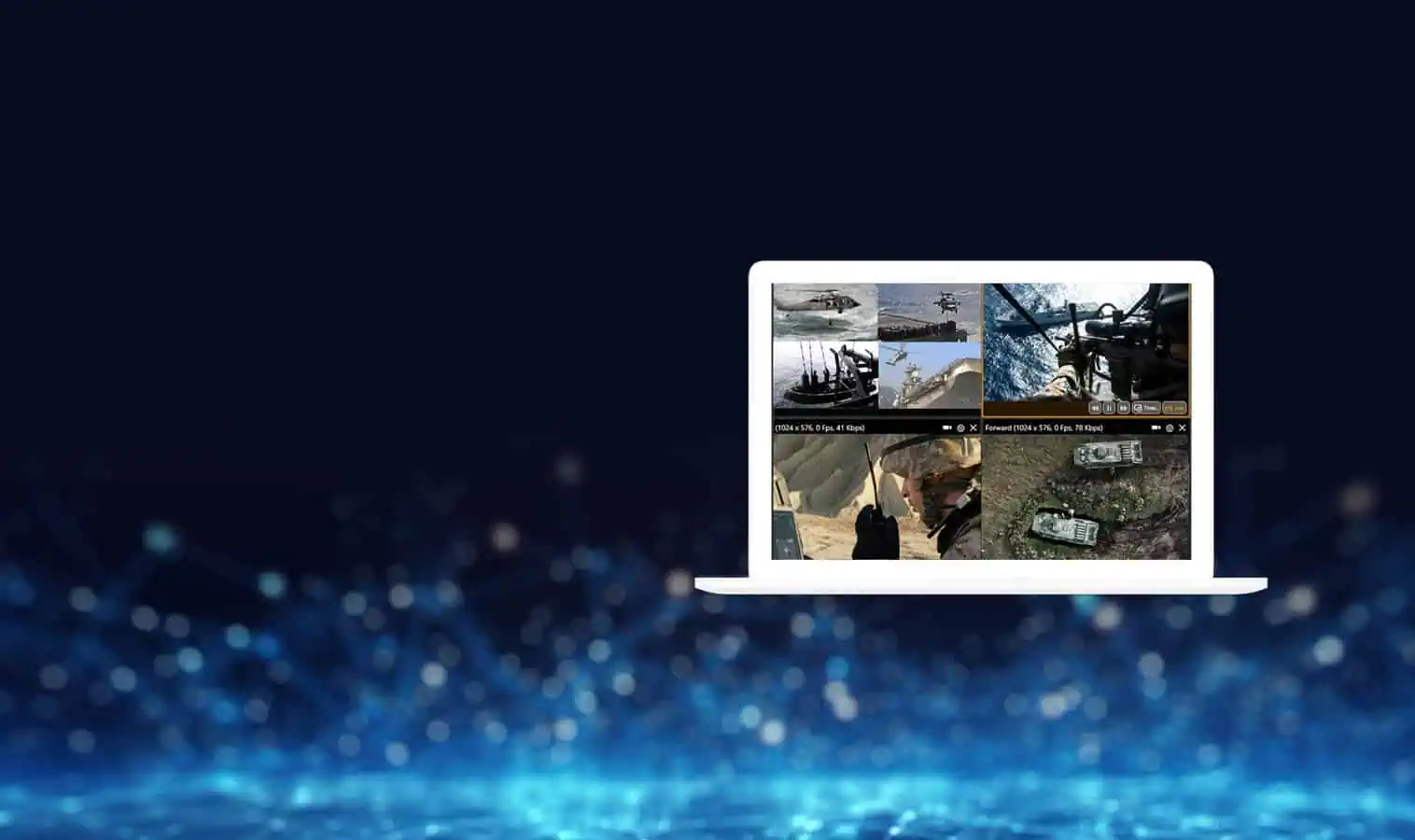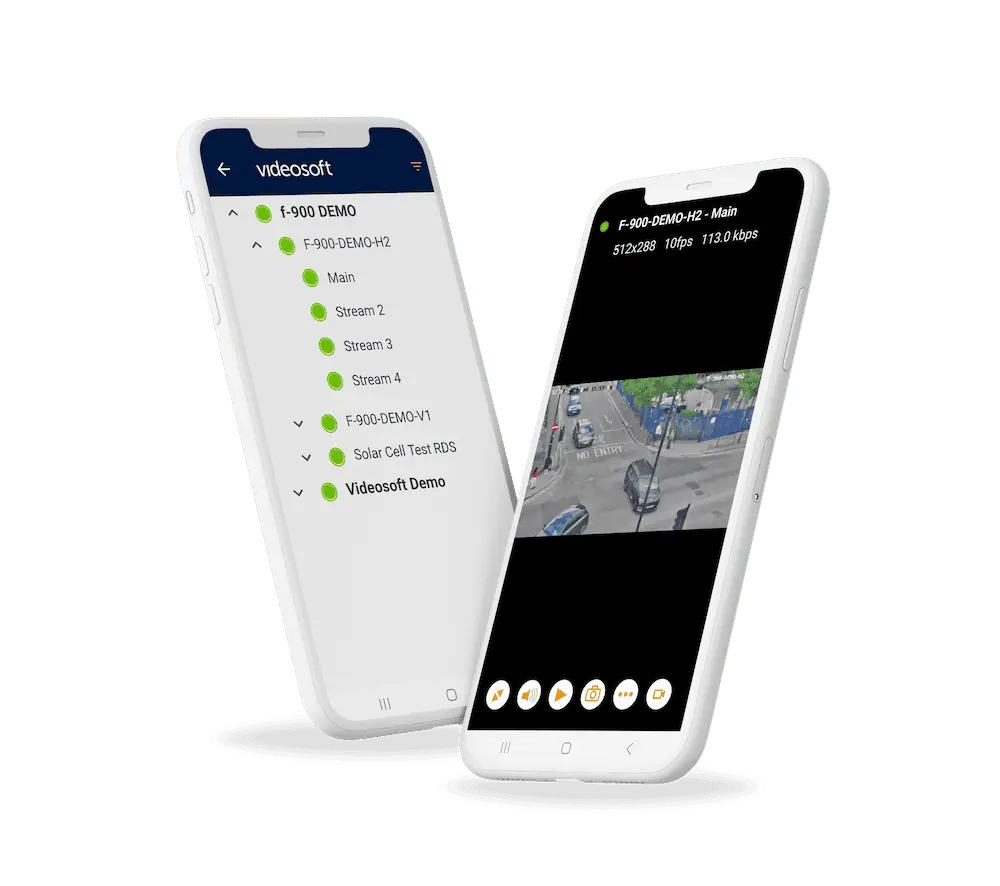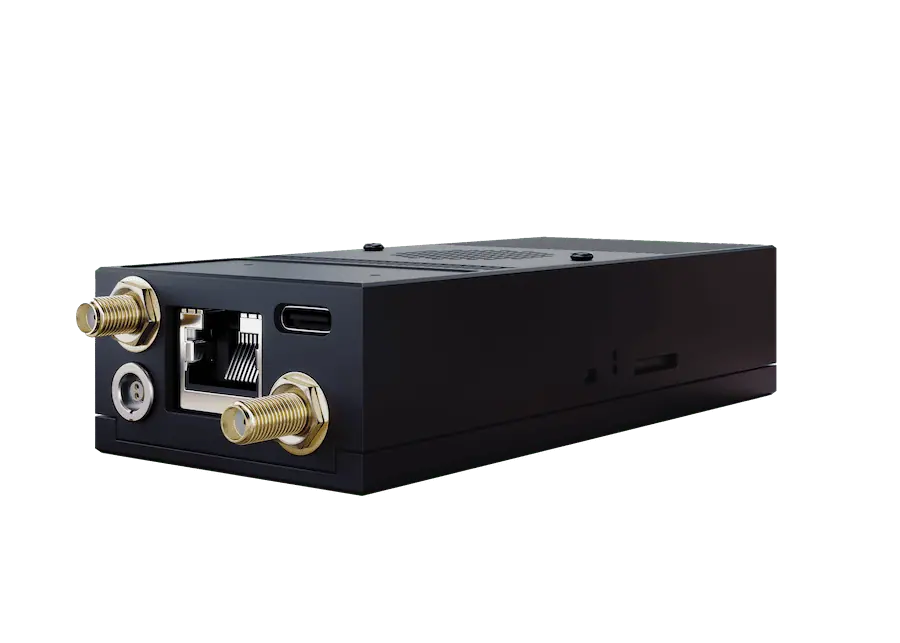


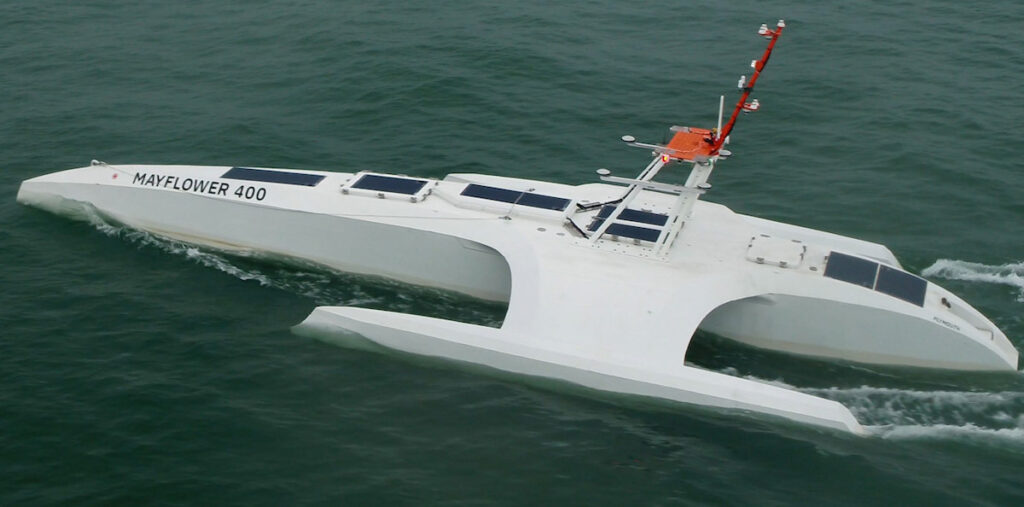
The Mayflower Autonomous Ship (MAS) has integrated Videosoft’s innovative adaptive video streaming technology to ensure high-quality video transmission of its missions back to shore.
This spring,MAS will embark on its inaugural journey,retracing the historic path of the 1620 Mayflower,sailing from Plymouth,UK,to Plymouth,MA. This time, however, the 15-meter lightweight hybrid-electric trimaran will navigate the Atlantic without any human crew on board.
Equipped with six onboard cameras, Videosoft’s technology will facilitate the capture and transmission of footage via satellite, allowing AI developers and researchers to receive real-time visuals and feedback throughout the mission.
Additionally, this technology will keep the media and the public informed about meaningful events during the ship’s oceanic explorations.
This international initiative is spearheaded by ProMare, a marine research organization, in collaboration with IBM, which serves as both the primary technology and scientific partner. Other significant contributors include MSUBs,aluship,and MarineAI.
Exploring Environmental Innovations
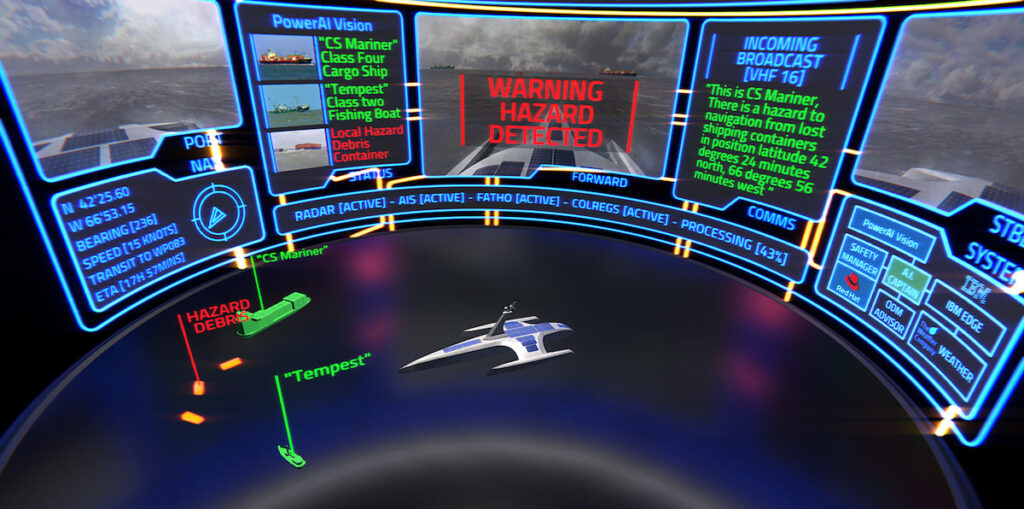
With an AI-driven captain, MAS is capable of undertaking extensive voyages while gathering vital oceanic data. leveraging IBM’s advanced computer vision, automation, and machine learning, the AI captain maintains situational awareness and makes informed decisions in compliance with maritime regulations.
Lightweight edge devices from NVIDIA provide the necessary computational power for autonomous operations, utilizing IBM Cloud connectivity when accessible.
Videosoft was chosen for its state-of-the-art video streaming capabilities, which ensure reliable transmission from onboard cameras and computer vision systems that monitor for potential hazards as MAS navigates the seas. The software operates on IBM’s platform, which controls the vessel and connects via satellite.
Stewart McCone, CEO of Videosoft, expressed, “This initiative aims to redefine humanity’s connection with the ocean. We are genuinely excited to be part of the Mayflower Autonomous Ship project.”
“Collaborating with innovative companies that possess deep expertise in their fields allows Videosoft to support the aspiring goals of this multi-million-pound project. Streaming live video from ocean vessels presents unique challenges,and expertise is essential for success.”
“Effective transmission protocols are crucial for maintaining connectivity. Factors such as switching between satellite and cellular networks, varying signal strengths, network mast topography, atmospheric conditions, satellite capabilities, and speed all influence available bandwidth.”
“Videosoft has developed software tailored for the satellite and cellular sectors to address common challenges associated with these networks,enabling continuous monitoring of the ocean. Our unique protocols substantially reduce video delays from the Mayflower, automatically adjusting streamed video quality based on available bandwidth.”
“Even within our knowledgeable industry, many are unaware that this is achievable, but it is relatively straightforward to implement with our user-friendly platform. Similar to CCTV, IoT, and surveillance applications, Videosoft’s reliable video streams provide real-time situational awareness, which is vital for the operational success of projects like the Mayflower.”
“Our vision at Videosoft has always been to engage in groundbreaking projects like the Mayflower, reinforcing our mission to deploy technology that addresses real-world challenges globally, using video and remote services to enhance safety and quality of life.”
“We are demonstrating that this specialized technology exists and can facilitate all Internet of Things (IoT) applications for the greater good.”
Don Scott, CTO of the Mayflower Autonomous ship, remarked, “The capability to receive live video feeds from the ship with minimal communication bandwidth is revolutionary for us. Videosoft enables real-time telepresence,allowing us to monitor the situation reliably and instilling confidence in the vessel’s operations at sea. It has proven invaluable during sea trials, and we eagerly anticipate utilizing the live feed during the actual voyage.”