

revolutionizing Drone Operations with Neousys Technology
Neousys Technology is at the forefront of enhancing drone performance through its innovative FLYC-300 edge AI computer. A recent case study highlights how artificial intelligence is refining drone navigation, addressing various challenges, and implementing advanced solutions for superior operational efficiency.
The Inefficiencies of Customary Drone Navigation
In the realm of drone technology, conventional flight paths often fall short due to inaccuracies in GPS, environmental barriers, and human navigation errors. These factors can lead to prolonged flight durations, diminished battery life, and suboptimal route planning, notably during manual operation. However, the advent of compact AI systems is revolutionizing drone navigation, enabling smarter, more efficient operations in ever-changing environments.
AI-Driven Optimization of Flight Paths
Utilizing elegant algorithms and 3D mapping technologies, artificial intelligence can substantially enhance flight path efficiency by reducing unnecessary detours and directly targeting specific locations. These systems process real-time data alongside existing topographical information to formulate adaptive routes. This not only boosts drone efficiency but also prolongs flight duration and conserves energy, making drones increasingly effective for applications such as surveillance and environmental monitoring.
Challenges in AI Integration for Drones
Despite the numerous benefits, the integration of AI into drone systems is not without its hurdles. Variations in atmospheric conditions as drones ascend,limitations in battery life,and the additional weight of AI components can all affect performance. Furthermore, ensuring compatibility between AI systems and existing flight control mechanisms is crucial, as is the need for reliable interaction links to support real-time data processing, especially in remote or densely populated areas.
The Neousys FLYC-300: A Game Changer
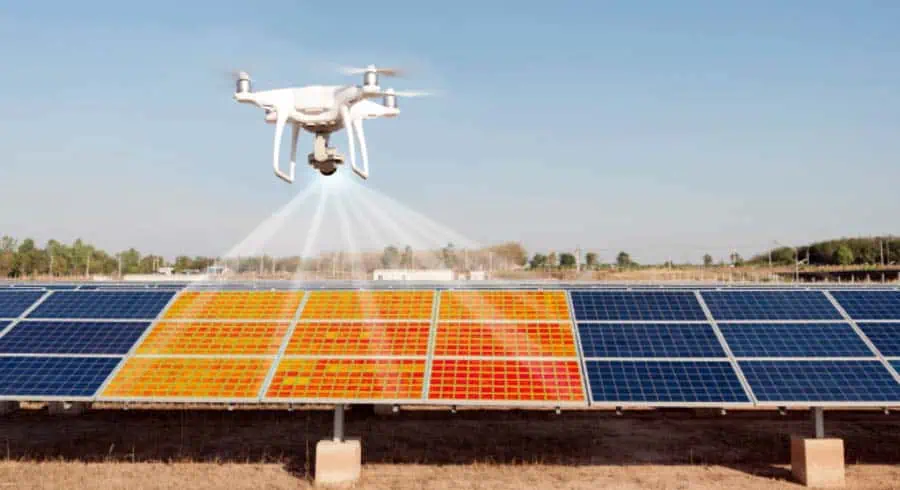
Addressing these challenges, the Neousys FLYC-300 emerges as a groundbreaking solution. this NVIDIA® Jetson edge AI computer, weighing just 298 grams, delivers remarkable computational power for AI, facilitating efficient flight path optimization even in the absence of GPS signals. With a variety of connectivity options for sensors, including RGB, hyperspectral, and LiDAR cameras, the FLYC-300 significantly enhances real-time video analytics and environmental assessments.
Empowering Drones for autonomous Operations
With its robust reliability and seamless integration capabilities, the FLYC-300 empowers drones to autonomously navigate around obstacles, survey designated areas, and function effectively under challenging conditions. This advancement marks a pivotal step toward unlocking the full potential of AI-driven drones across diverse applications.
For a deeper dive into this topic, visit the Neousys Technology website.