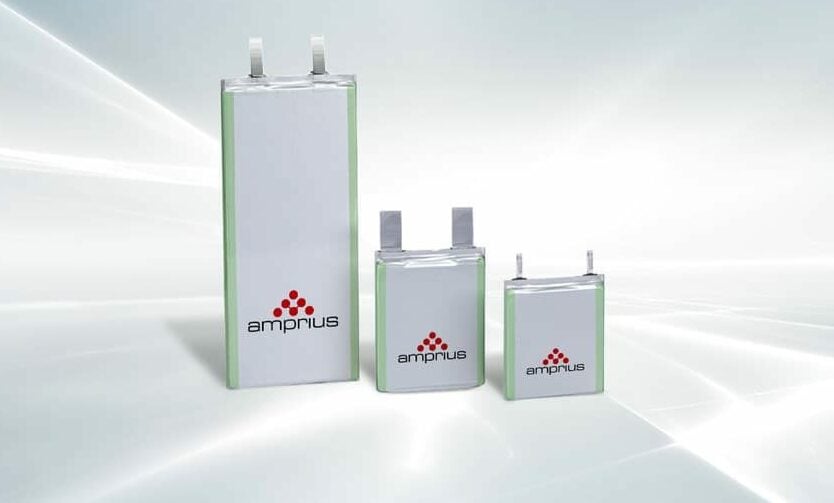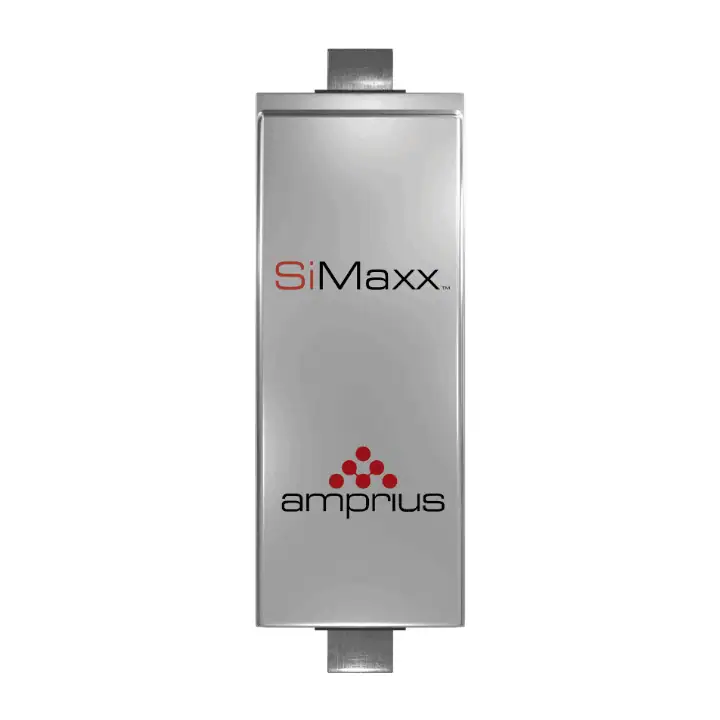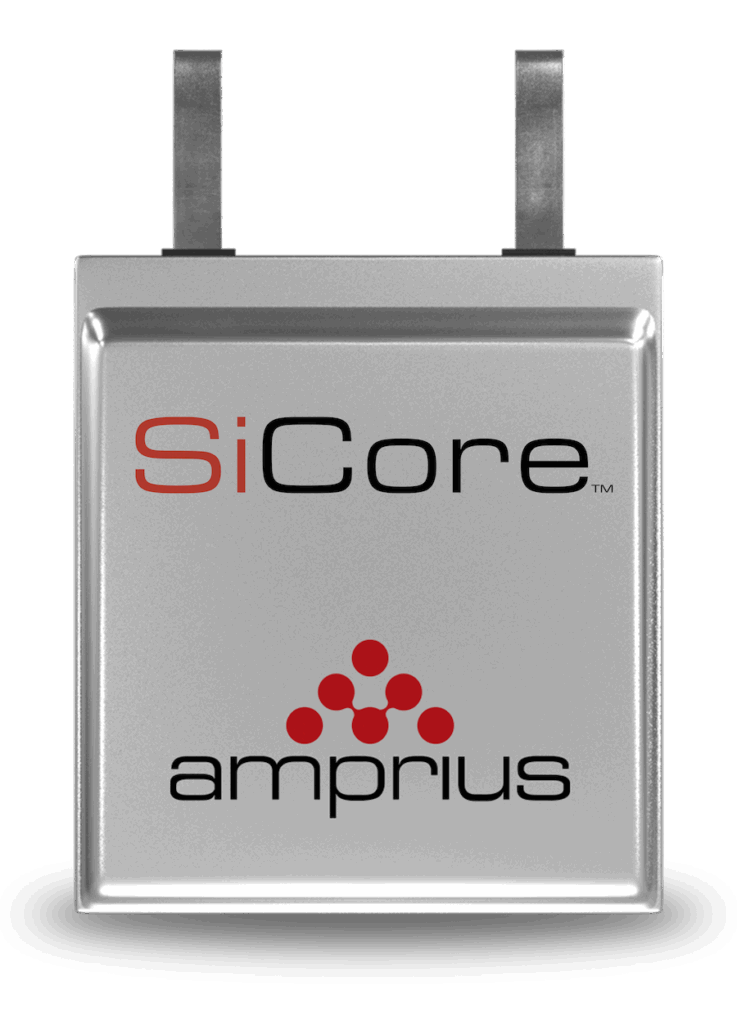


Amprius technologies has successfully delivered SiMaxx A-Sample EV Cells to the United States Advanced Battery Consortium (USABC).
These innovative cells aim to address critical challenges faced by electric vehicle (EV) users, such as range anxiety and the demand for quicker charging solutions.
While focusing on these challenges, Amprius is committed to advancing battery cell and system technologies that align with the performance and cost objectives of next-generation electric vehicles.
The delivery of the A-Sample EV cells marks a critically important achievement in the $3 million technology progress contract awarded to Amprius by USABC in May 2022. This contract aimed to create a fast-charging, cost-effective silicon nanowire battery. The cutting-edge battery design substantially enhances the performance of various applications, including unmanned aerial vehicles (UAVs), high-altitude pseudo-satellites (HAPS), light electric vehicles (levs), electric vehicles (EVs), electric vertical takeoff and landing (eVTOL) aircraft, and unmanned ground vehicles.
Dr. Kang Sun, CEO of Amprius Technologies, expressed enthusiasm, stating, “We eagerly anticipate USABC’s validation of the A-sample cell’s performance, which will highlight the distinct advantages of Amprius cells in the electric vehicle sector.”
“This represents another significant milestone in battery technology development at Amprius, following our triumphant launch of high-performance silicon anode batteries for aviation and light vehicle markets. We are confident that our batteries are ideally suited for all electric mobility sectors. With their extraordinary energy and power performance, rapid charging capabilities, broad operating temperature range, and safety features, Amprius is poised to revolutionize the EV industry and other electric mobility domains as we progress towards high-volume production,” Dr. Kang Sun concluded.
Internal evaluations of the A-Sample EV cell have demonstrated outstanding performance, achieving a specific energy of 360 Wh/kg at the start of its lifecycle—surpassing the USABC program’s target of 275 Wh/kg at the end of life—while providing a power density of 1200 W/kg. Furthermore, these cells can reach 90% of their rated energy in just 15 minutes, exceeding the USABC’s goal of 80% within the same period.
This achievement could led to a substantial increase in range compared to the majority of commercial EV batteries currently on the market. Amprius is optimistic about making significant progress toward its target of 1000 charge cycles, based on preliminary findings.