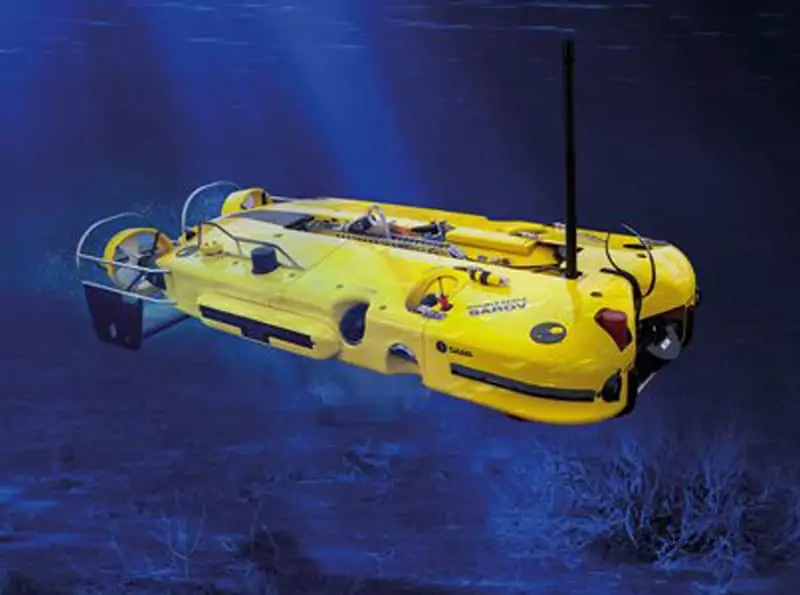


Sonardyne, in collaboration with Wavefront Systems, has successfully delivered the Sentry Integrity monitoring Sonar to a leading global energy firm seeking a extensive subsea leak detection solution for the rapid identification and localization of oil or gas leaks.
The preservation of oceanic ecosystems is paramount. With extensive expertise in sonar detection technologies, our systems offer a vital early warning mechanism for subsea leak detection across oil and gas operations, CO₂ storage facilities, and offshore hydrogen transport and storage sites.
Identifying the Challenge
A major international energy corporation, operating in depths exceeding 2,000 meters (6,500 feet), sought a singular subsea leak detection system that could be permanently installed to swiftly identify and pinpoint oil or gas leaks across its expansive subsea infrastructure.
Current sonar solutions typically involve sensors affixed to subsea structures, which can only detect leaks in very localized areas, often within a few meters. Other non-acoustic methods depend on irregularities in production data, which can be problematic if a leak occurs upstream of the monitoring point.
in the worst-case scenario, leak detection relies on observing surface manifestations of leaks, such as oil sheens—frequently enough too late to mitigate damage. This method is particularly inadequate for identifying leaks in gas-producing fields and offshore carbon capture and storage (CCS) sites.
Given the aging infrastructure and the emergence of new projects related to offshore CO₂ and hydrogen transport and storage, there is a growing demand for innovative leak detection technologies that can function autonomously and sustainably across various water depths.
Presenting the Solution
The Sentry Integrity Monitoring Sonar (IMS), developed by Wavefront Systems and brought to market by Sonardyne, stands as the only commercially available wide-area subsea leak detection system. A single Sentry unit can cover a 1,200-meter diameter area, equivalent to over one billion cubic feet of seawater, and will automatically notify operators upon detecting an oil or gas leak.
The detection capabilities are remarkable, with Sentry able to identify monophase gas leaks as small as 0.1 liters per minute (approximately 1 barrel of oil per day) and monophase oil leaks at 1 liter per minute (around 9 barrels of oil per day).This allows operators to respond promptly to integrity breaches before they escalate into significant environmental and financial issues.
Sentry employs an active acoustic approach, utilizing a low-power sonar system that can be deployed via remotely operated vehicles (ROVs) for long-term monitoring. It can be connected through existing subsea infrastructure to a surface asset, were a Sentry workstation with a graphical user interface (GUI) provides real-time alerts for any detected leaks.
Additionally, Sentry is available as a wireless, battery-operated option for semi-permanent installations, transmitting data acoustically to a topside transceiver system. This transceiver can be deployed from various platforms, buoys, or increasingly, uncrewed surface vehicles (USVs).
Outcomes Achieved
To ensure the Sentry system met the oil major’s requirements, a trial deployment of a hardwired Sentry IMS was conducted.This involved simulating a monophase oil leak using nitrile-rubber strands, representing a nominal leak rate of approximately 150 barrels per day.
The trials yielded rapid and precise results, successfully detecting and classifying a simulated release of 100 barrels of oil per day at a distance of 245 meters (820 feet), limited only by the trial setup. alerts for leak detection were generated within seconds of the simulated leak being activated.
Sentry’s capabilities extend to detecting 100 barrels per day of monophase oil leaks at distances up to 740 meters (2,427 feet). It is even more adept at identifying monophase gas leaks, capable of detecting as little as 1 barrel per day at 500 meters (1,640 feet) and 100 barrels per day at depths of 1,000 meters (3,280 feet).
Following the successful trials, the operator proceeded to acquire the Sentry IMS system for installation at its deep-water field development.
Facilitating the Energy Transition
As the energy sector shifts from fossil fuels to choice energy sources, offshore locations are increasingly viewed as viable sites for CCS and hydrogen production. Sentry plays a crucial role in mitigating risks associated with these projects, ensuring that operators are promptly alerted to any leaks in carbon sequestration and offshore hydrogen transport and storage sites, allowing for swift action to avert larger environmental and financial repercussions.