Tyto Robotics has secured a substantial grant of $400,000 from the Consortium for Research adn Innovation in Aerospace in Quebec (CRIAQ) aimed at advancing the advancement of testing apparatus for large propulsion systems.
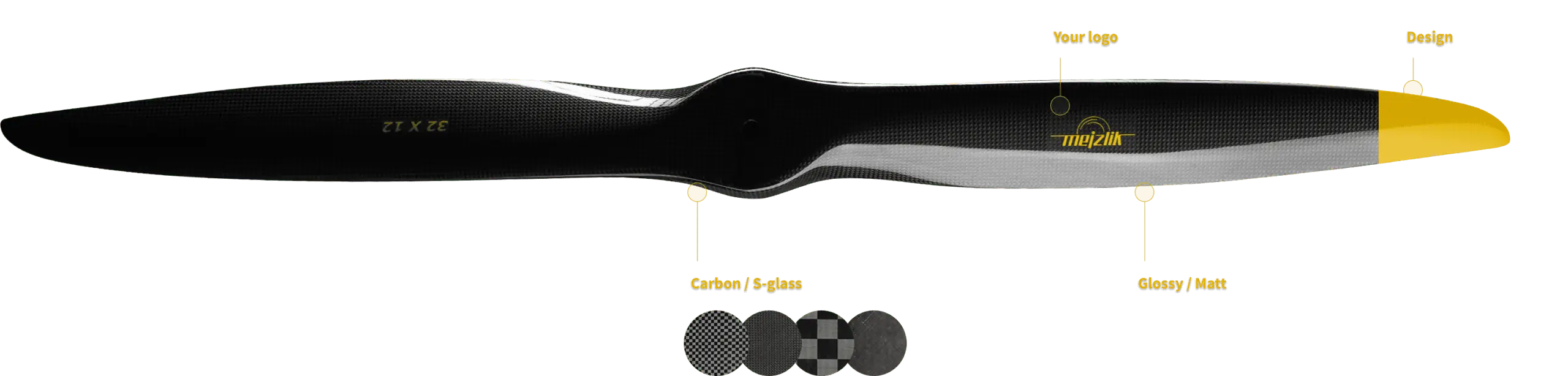
This funding will support the research and development phase of the initiative,which Tyto Robotics is undertaking in partnership with Mejzlik propellers from the Czech Republic and l’Université de Sherbrooke in Quebec.
The project, titled “Development and Research of an Electric Propulsion System, Including a Reliable Propeller, a Thrust Stand, and an AI model for Performance Data analysis, for Heavy-Duty Cargo UAVs or eVTOL,” clearly defines the extensive work planned.
Tyto Robotics is set to create a thrust stand designed to evaluate motors for substantial cargo drones and electric Vertical Take-Off and Landing (eVTOL) vehicles, capable of handling thrust levels up to 500 kgf and power outputs of 320 kW.
In collaboration, Tyto Robotics and Mejzlik propellers will conduct tests on powertrain components utilized in eVTOLs to investigate how variables such as motor Kv, voltage, and propeller finish influence overall performance and dependability.
Concurrently, the team at l’Université de Sherbrooke will develop an AI model that can forecast the performance of propulsion systems by leveraging machine learning techniques on data collected from the physical tests.
The primary objective of this project is to create testing equipment that manufacturers in the heavy-lift cargo drone and eVTOL sectors can utilize. A significant hurdle to the widespread adoption of eVTOL technology is the limited flight duration of these aircraft, which is partly due to restricted battery capacity and suboptimal propulsion systems.
Additionally, concerns regarding reliability pose another challenge; ensuring dependable powertrain components is crucial for making eVTOLs a commercially viable transportation option and preventing mid-air failures.
The testing apparatus developed through this initiative will enable eVTOL manufacturers to assess their propulsion systems and identify the most effective combinations of motors, propellers, and electronic components. this advancement will bring them closer to achieving a commercially viable solution in the skies.