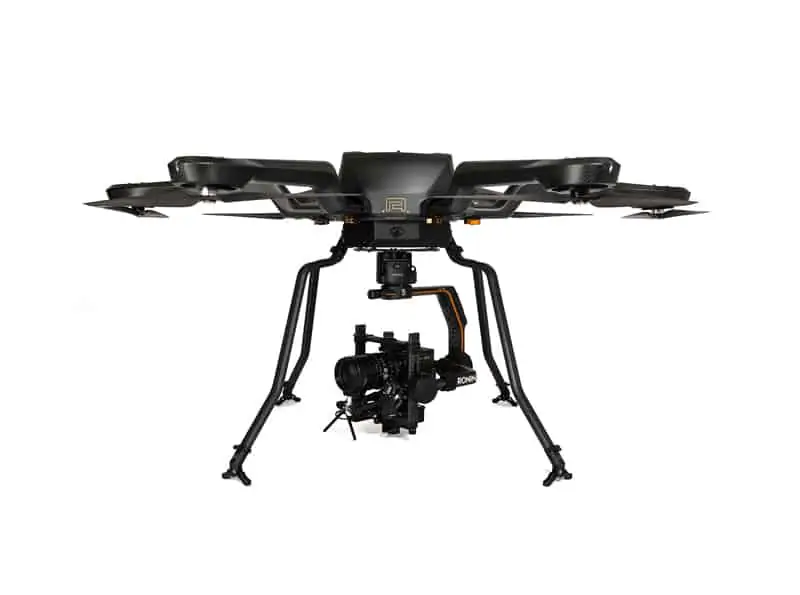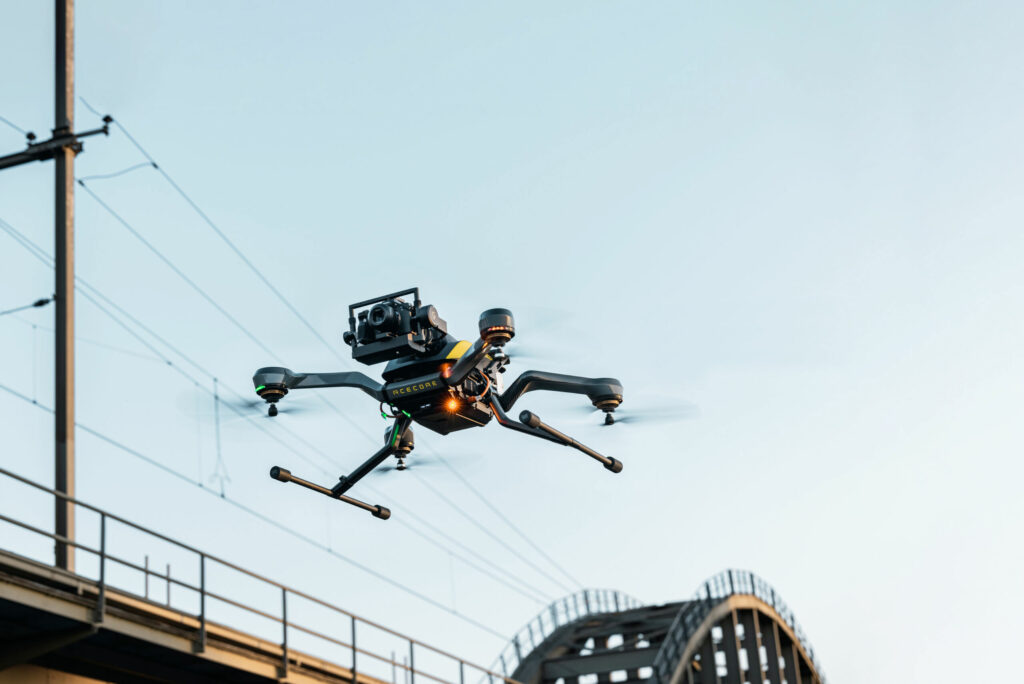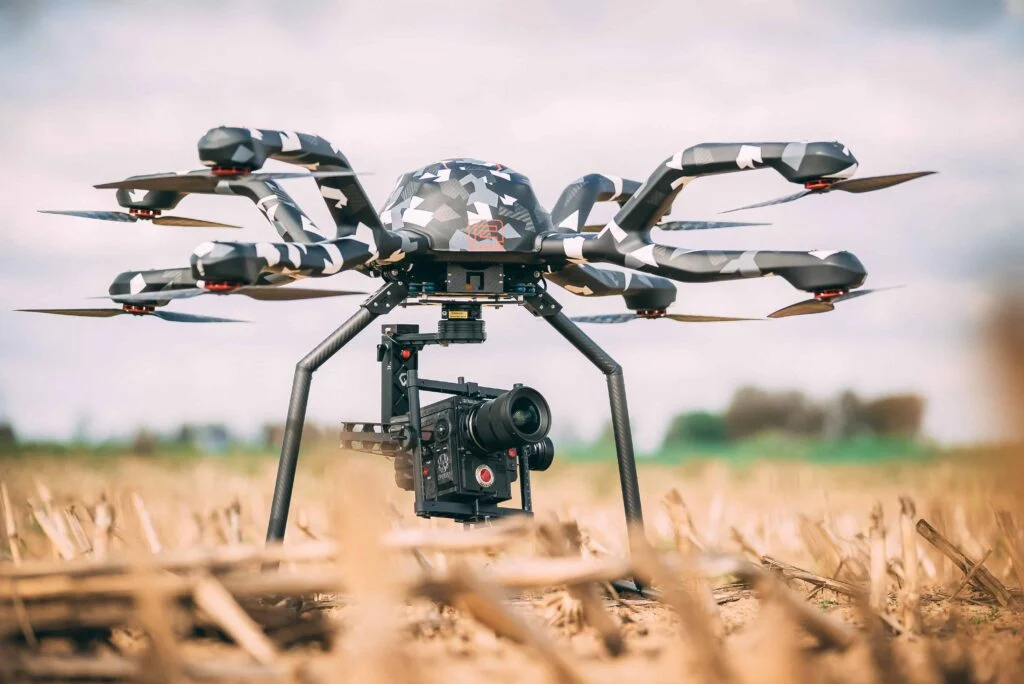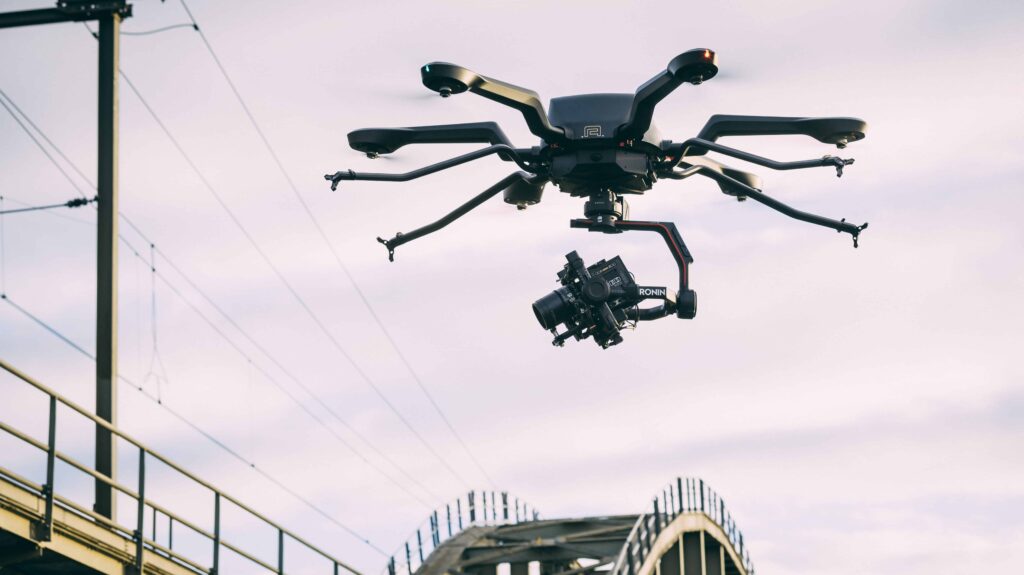



Noa Hybrid featuring RIEGL LiDAR technology
Have you ever considered why top LiDAR manufacturers regard Acecore platforms as the gold standard? Or how the Hybrid model achieves exceptional vibration isolation akin to the electric Noa? Acecore Technologies engages with UST to reveal the elements that position them at the forefront of professional unmanned aerial systems manufacturing.
What attributes make Acecore drones particularly effective for LiDAR applications?
one of the standout features of our systems is their remarkable flight stability, which ensures that results are both clear and reliable. Additionally, our flight durations are competitive, with the Noa hybrid achieving an notable 175 minutes of operational time while carrying a 2 kg payload. Numerous leading lidar manufacturers utilize our platforms as their reference point for testing and development.
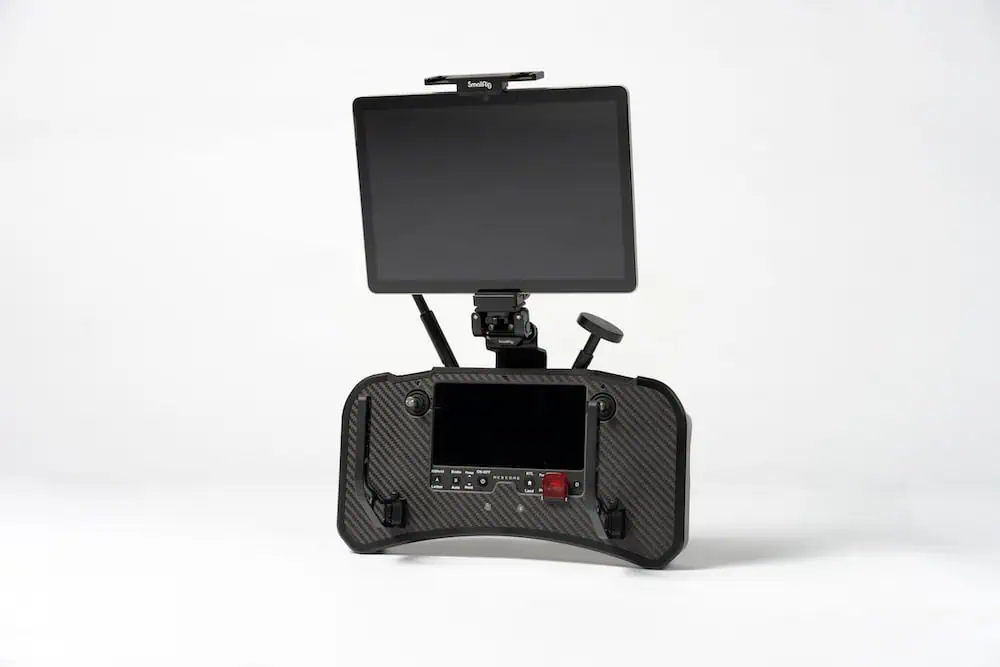
Can you elaborate on the enhancements and benefits of the George modular carbon fiber base station compared to the standard Herelink?
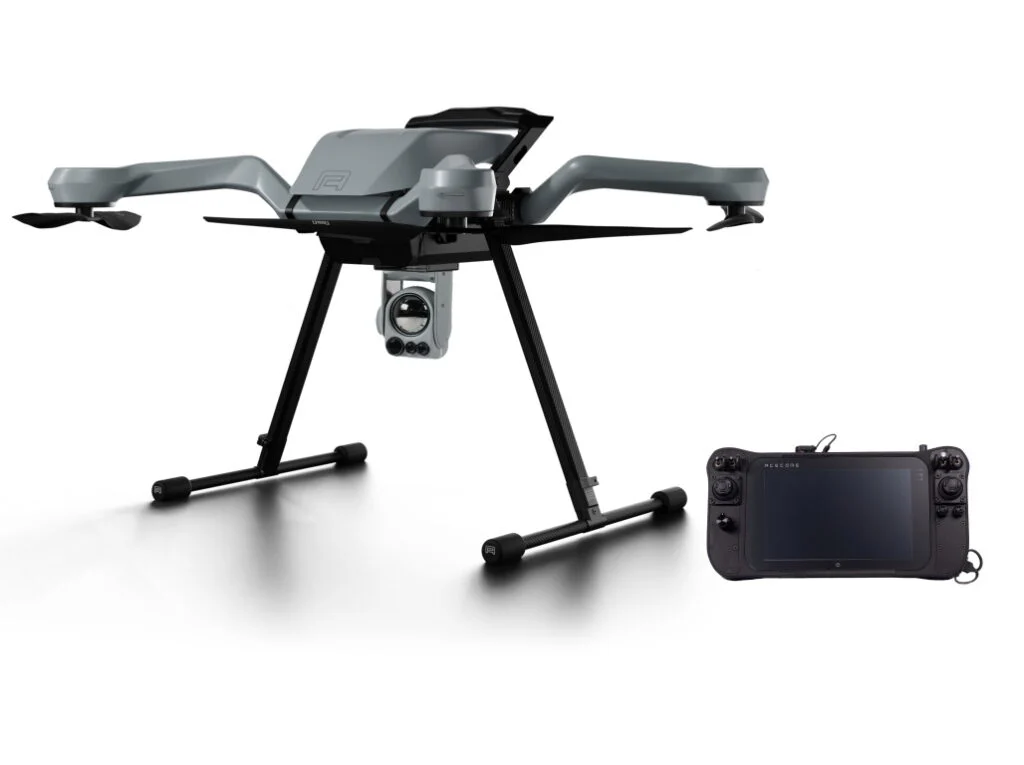
Having been end-users ourselves, we recognize the necessity for a robust, user-friendly controller with long-lasting battery life. The Herelink George was designed with these priorities in mind.
After receiving positive feedback on our control holder, we decided it was time for an upgrade after four years. Thus, we are currently working on the Herelink George V2, which retains all previous advantages while offering improved ergonomics and a hot-swappable battery feature.
What advantages does the newly developed tether system for Neo and Zoe multirotors offer to professional users?
The tether system facilitates extended mission durations by providing continuous power to the drone, effectively allowing for unlimited flight time. Utilizing the data cable for command-and-control (C2) enhances communication reliability, ensuring secure and high-speed data transfer. this system opens up various mission possibilities, including crowd management, traffic oversight, and surveillance. Additionally, it can serve as a rapidly deployable network point with an onboard relay, extending operational ranges for other drones or systems. This feature is particularly beneficial for our military clients.
Are there any notable real-world applications of your technology that you would like to highlight?
we have collaborated with UMAG solutions, a Danish firm, for approximately two years. UMAG specializes in advanced magnetic systems that provide users with exceptional data for detecting unexploded ordnance and landmines. This year, the technology was ready for deployment. The Danish government supplied the Ukrainian Ministry of Defense with six Acecore Noa drones equipped with mine-detection scanners. We take great pride in this application, as it not only delivers critical data to the Ukrainian military but also plays a vital role in saving lives.
Could you share insights into the development process and rationale behind the Noa Hybrid system?
The creation of our first Hybrid drone involved extensive testing over several months. Our goal was to ensure that this Hybrid model, which incorporates numerous moving parts, would match the reliability and consistency of our established electric systems. By subjecting the Hybrid to various scenarios, we successfully developed the Noa Hybrid to meet the same standards as our other drones.
One of the primary challenges we faced was managing vibrations. After significant development efforts, we achieved vibration isolation levels in the Hybrid comparable to those of our electric Noa, a milestone we are particularly proud of. This characteristic is crucial for applications like LiDAR scanning.
Choosing a gasoline-type hybrid was a strategic decision. However, we are also well-versed in hydrogen fuel cell technology and anticipate integrating such systems when suitable projects arise.
The motivation behind this development stemmed from the demand for extended flight times for specific applications.While the electric Noa offers a maximum flight duration of 60 minutes, the Noa Hybrid extends that to an impressive 265 minutes. Transitioning the Noa to a hybrid system did require some compromise on payload capacity, but we managed to minimize this, resulting in a still-usable payload capacity of 6 kg, providing our clients with a highly functional hybrid platform.
Explore the Acecore website to discover cutting-edge unmanned aerial solutions tailored for various professional sectors >>