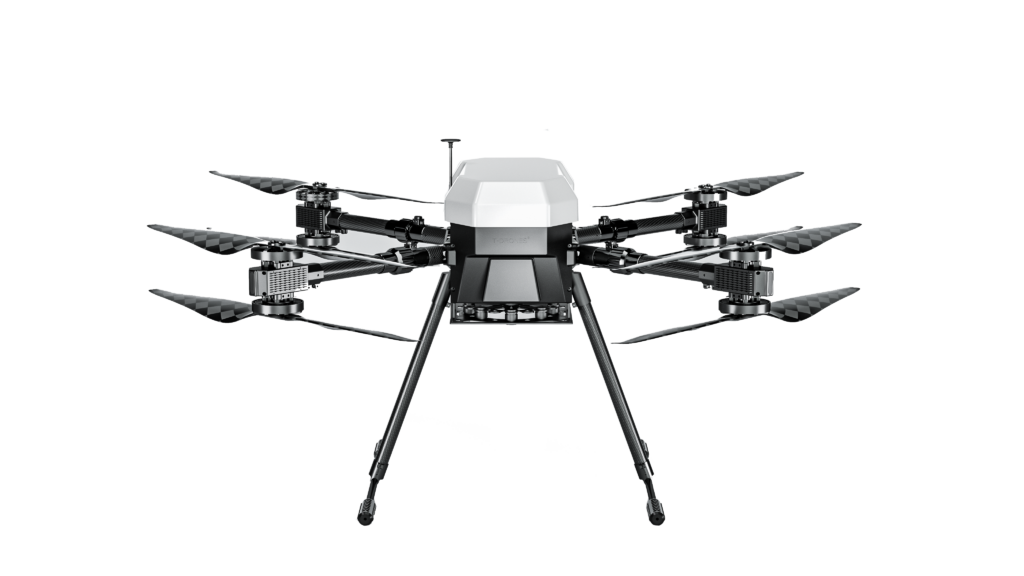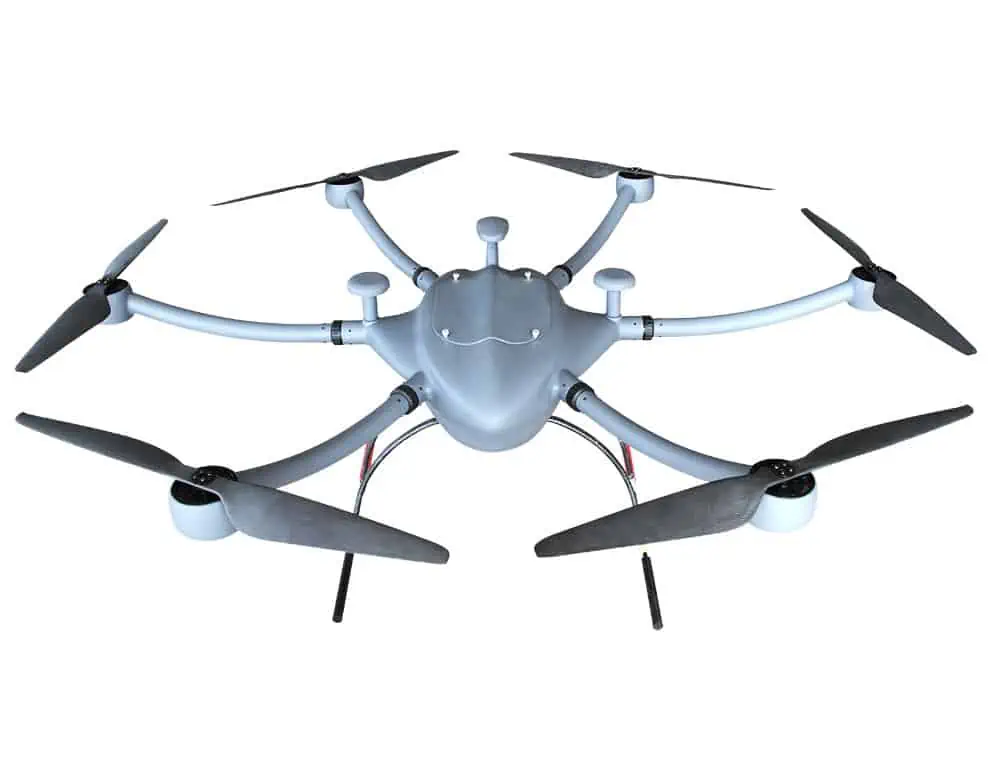

Elistair has published a thorough guide to help readers differentiate between tethered drones and conventional drones, aiding in the selection of the most suitable drone for various applications.
Photo credit: Sotirios PETROPOULOS Police Directorate of Orestiada, greece
Drones have become indispensable across numerous sectors, including law enforcement, military operations, and commercial ventures.Wiht technological advancements, drones are increasingly complex, boasting longer flight durations, enhanced imaging capabilities, and extended operational ranges. For instance, in the last ten years, tethered drone systems have emerged as vital tools for aerial surveillance. But what is a drone tether? How do tethered drones differ from traditional drones? What are the pros and cons of each type?
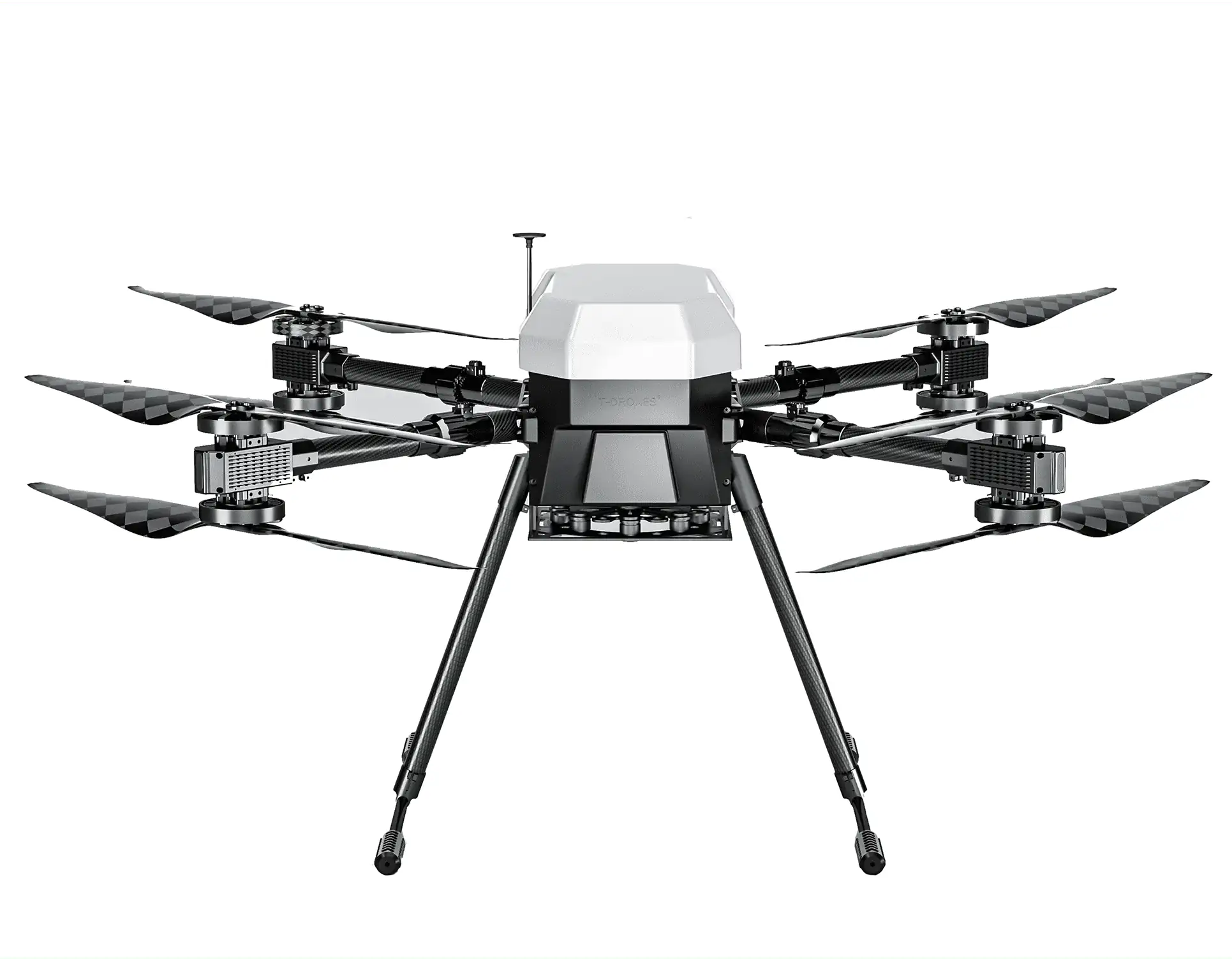
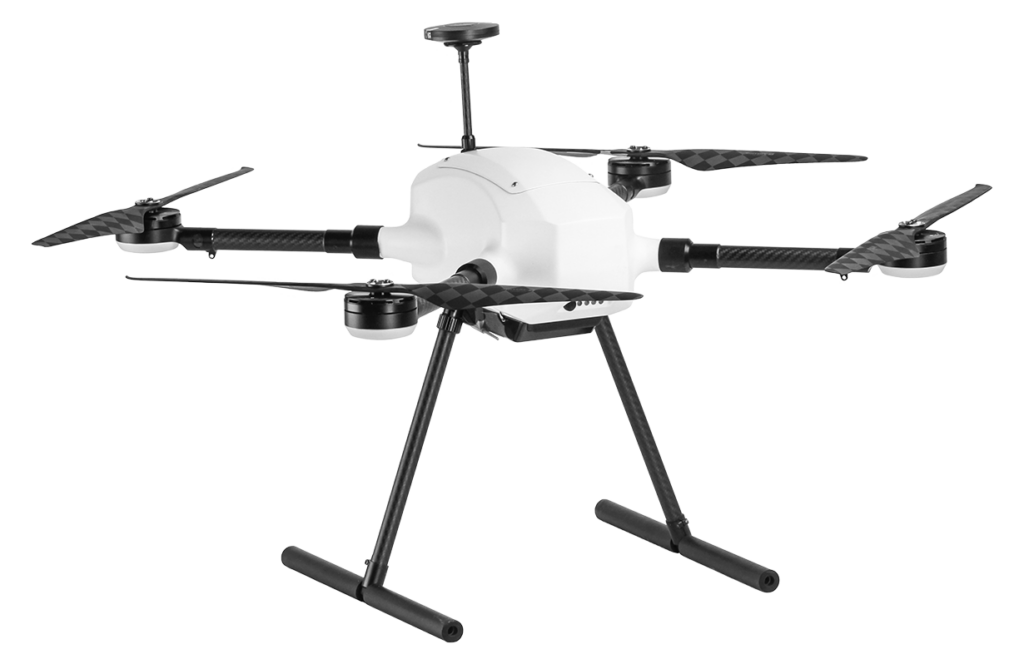
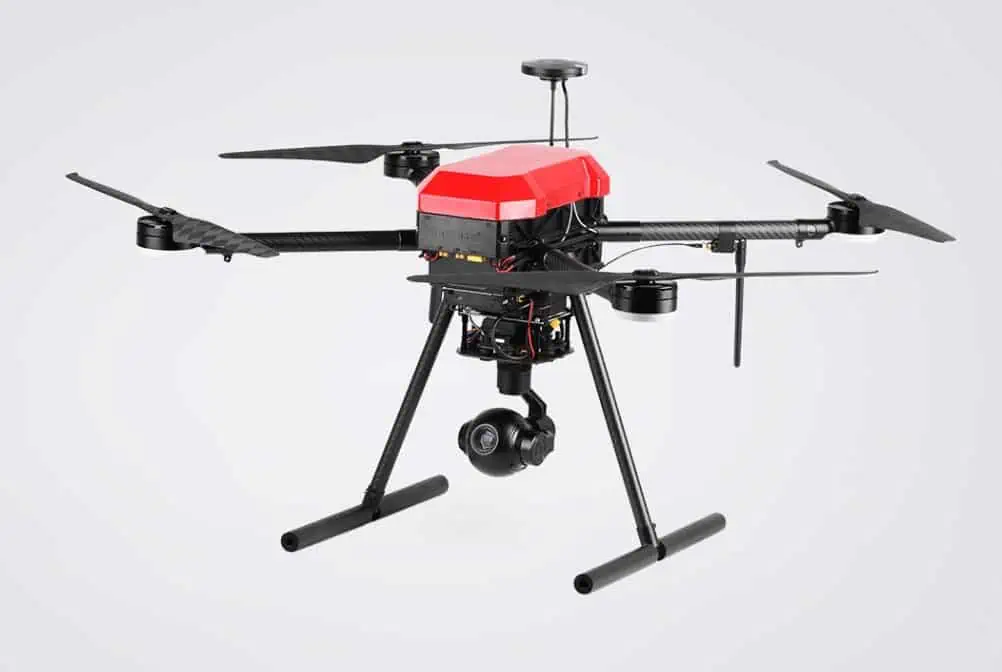
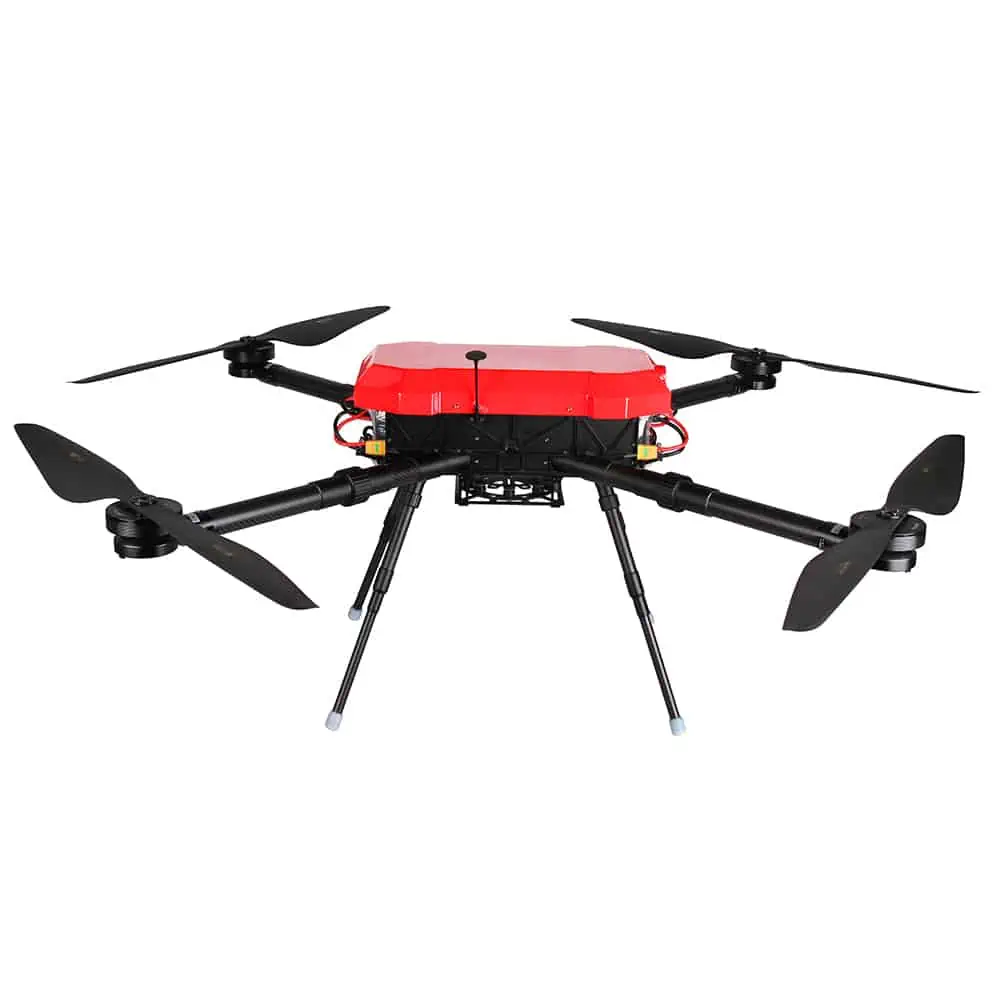
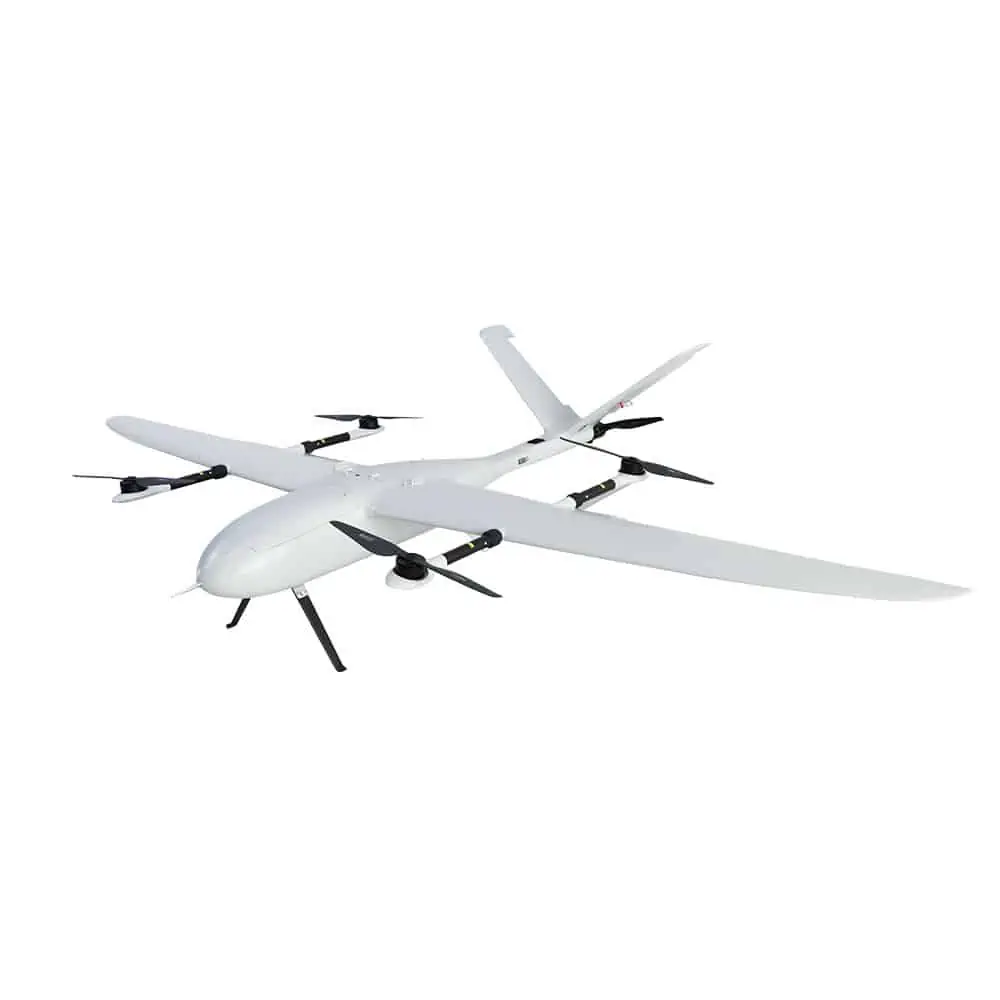
Tethered drones are unmanned aerial vehicles (UAVs) connected to a tether that supplies power, data, or both from a ground-based tether station. The length of these tethers can vary from a few meters to over a hundred meters. In contrast, traditional drones rely on onboard batteries and are controlled via radio or WiFi signals.
Key Differences Between Tethered and Traditional Drones
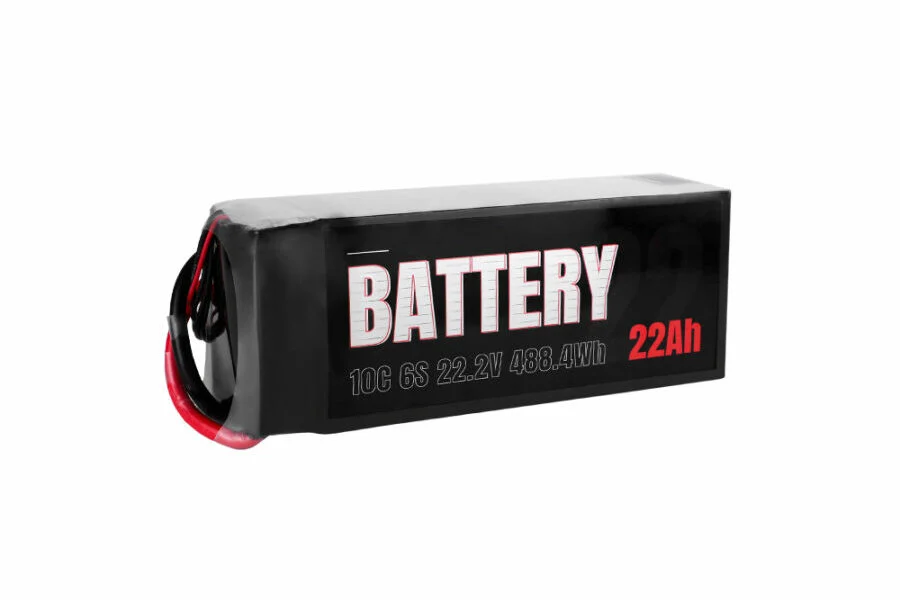
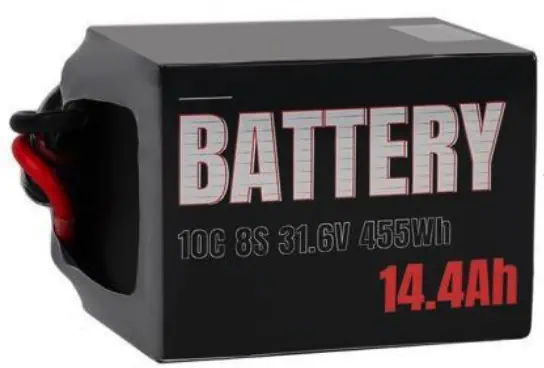
Flight Duration: Tethered drones theoretically offer unlimited flight time, as they draw power continuously through their tether. In practice, though, flight times typically range from 5 to over 50 hours, influenced by component wear and environmental factors. This makes them especially suitable for tasks requiring prolonged surveillance, monitoring, and data gathering. Traditional drones, conversely, have a limited flight duration, with battery life usually spanning 20 to 50 minutes, necessitating additional time for battery swaps.
Operational Range: While tethered drones have a restricted range due to the tether’s length, this can be enhanced by utilizing powerful camera payloads equipped with day and night zoom capabilities. Employing multiple tethered drones linked to a central monitoring system is another strategy. Traditional drones, though, can cover greater distances, even though their limited flight time constrains their operational perimeter and increases the risk of loss.
Data Transmission: Tethered drone systems effectively mitigate data communication challenges such as jamming or hacking. The tether facilitates direct power and data transmission, eliminating the need for AES 256-bit encryption. Some models even incorporate a ‘dark-RF’ mode, rendering them entirely silent in terms of radio emissions, which is particularly advantageous in combat scenarios where stealth is crucial.
Mobility: Traditional drones offer superior mobility compared to tethered drones. They can be easily transported and launched from various platforms. Tethered drone systems, however, are more cumbersome, as they include not only the UAV but also the tether and ground station, along with a power source, typically a generator. Nevertheless, they can be mounted on mobile platforms like vehicles or vessels.
User-Friendliness: Tethered drone systems are generally designed for ease of use, often operating with a simple push-button mechanism. The level of automation varies among products, with advanced models, such as the Elistair Orion 2, featuring comprehensive failsafe architectures that allow operators to concentrate solely on surveillance tasks. In contrast, traditional drones require extensive piloting training to master basic maneuvers, emergency protocols, remote data collection, and sometimes complex flight plans, including beyond visual line of sight operations.
Cost Considerations: Tethered drones typically come with a higher price tag than traditional drones, owing to their endurance-focused design. Costs can vary significantly between civilian and military applications. Commercial drones can often be converted into tethered systems with the addition of a tethering station. When evaluating the cost of a drone operation, it’s essential to factor in human resource expenses, consumable items like batteries, and the overall lifespan of the system. When deployed for appropriate missions,tethered drones can often prove to be more cost-effective over time.
Applications of Tethered drone systems
Tethered drone systems are gaining traction not only in military contexts but also in public safety and private sectors due to their endurance and security features.Here are some notable applications:
- Tactical Communication: Tethered drones can be equipped with communication payloads to establish temporary communication links or extend tactical networks in areas where traditional communication methods are unavailable or logistically challenging.
- Forward Operating Base (FOB) Surveillance: These drones can provide real-time perimeter surveillance for a FOB,enabling early detection of potential threats and offering troops a clear view of approaching adversaries.They can be rapidly deployed and easily relocated as needed.
- Border Surveillance: Tethered drone systems can monitor strategic crossing points or hard-to-reach areas, providing real-time surveillance of suspicious activities and allowing authorities to respond swiftly.
- Traffic Monitoring: Tethered UAVs can deliver continuous footage for traffic monitoring or data collection without the need for landing and battery changes.
- Event Surveillance: These drones are effective for real-time monitoring of public events, facilitating early detection of security threats and improving coordination among ground teams. The tether also enhances safety by preventing fly-aways in populated or urban areas.
- Industrial Site Monitoring: tethered drones can help prevent intrusions or incidents at sensitive industrial locations,providing uninterrupted surveillance critical for monitoring equipment and personnel during sensitive operations. They also assist in coordinating safety measures and crisis management to ensure site security.
Conversely,traditional drones are widely utilized in applications where adaptability and range are paramount,such as agriculture,media production,construction,land surveying,search and rescue,and inspections.
both tethered and traditional drones possess distinct advantages and disadvantages, each suited for specific applications. Tethered drone systems excel in extended surveillance and security operations, while traditional drones offer greater mobility and range for missions requiring distance. Understanding the differences between these two drone types can guide you in selecting the most appropriate drone for your needs.