

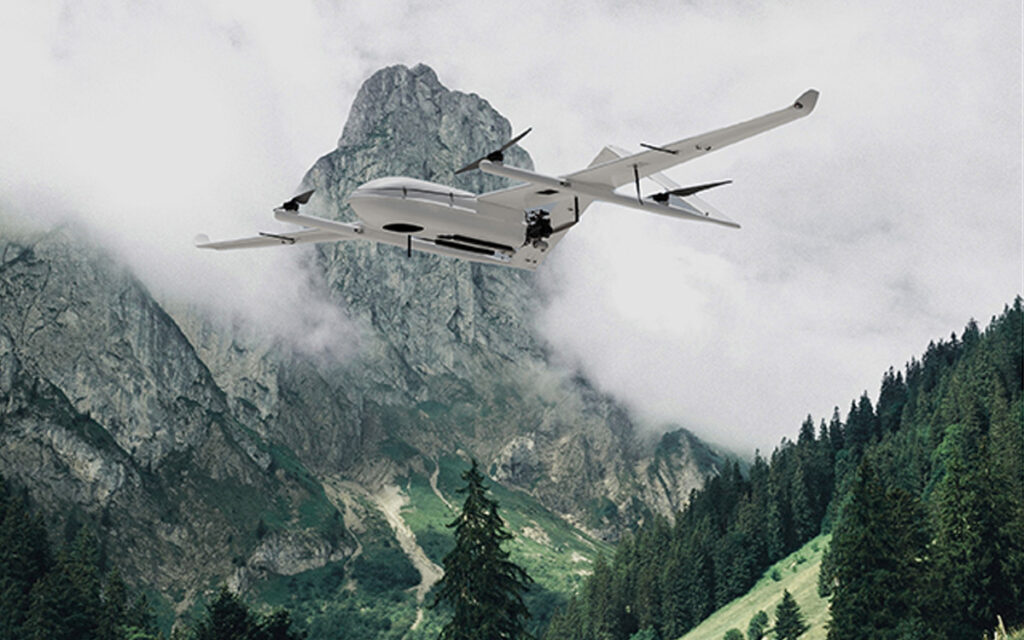
Experts at CRP Technology, specializing in additive manufacturing for the aerospace sector, explore how materials like Windform, including various dielectric 3D printing composites, are revolutionizing UAV design, notably in components such as antennas, radomes, and protective housings.
The swift advancement of Unmanned Aerial Vehicles (UAVs) relies heavily on the creation of high-precision parts that often require intricate geometries and unique material characteristics. A growing demand for superior dielectric properties—materials that insulate rather than conduct electricity—has emerged as a critical factor in this evolution.
Moreover, the combination of glass fiber dielectric components with carbon fiber composite UAV parts is yielding structures with remarkable strength-to-weight ratios. This synergy is essential for developing lightweight yet robust structural and aerodynamic elements, thereby expanding the horizons of UAV design and operational capabilities.
enhancing UAV Antennas with Windform
Antennas play a vital role in UAV functionality, facilitating everything from wireless interaction to radar and sensing applications. While customary metal antennas are effective,they often add notable weight and restrict design flexibility.Windform dielectric materials, utilized in Selective Laser Sintering (SLS) 3D printing, present a promising alternative. These materials are roughly 30% lighter than their metal counterparts, which directly improves flight performance and energy efficiency. This weight reduction allows for increased payload capacity or longer flight durations—key considerations in both commercial and military UAV operations.
The SLS 3D printing process with Windform enables the fabrication of antennas featuring complex geometries and precise specifications that are challenging to achieve through conventional manufacturing methods. This precision allows for antennas that can function more effectively across a wider frequency range or with enhanced directional accuracy, thus boosting overall UAV performance.
In addition to being lightweight and precise, Windform dielectric materials facilitate the integration of additional functionalities into antennas. As a notable example, lighting or sensors can be seamlessly embedded within the antenna structure, resulting in multifunctional components that minimize the need for separate installations and streamline the UAV’s design. This multifunctionality not only conserves space but also contributes to a reduction in overall weight and complexity.
Radomes Crafted with dielectric 3D Printing
radomes, which serve as protective covers for radar and sensor systems, are essential for shielding these sensitive components from environmental threats such as weather and debris. Windform dielectric materials are particularly favorable for radomes, as they allow radio waves to pass through with minimal attenuation. This openness ensures that radar and sensor systems can function at optimal efficiency while being protected from external elements.
Dielectric 3D printed radomes are not only lightweight but also exceptionally resilient.Windform materials provide robust protection against impacts, vibrations, and harsh environmental conditions. Their resistance to water and corrosion, including exposure to saline fog, enhances the longevity of UAV components, ensuring reliability even in the most demanding environments.
Similar to antennas, the lightweight nature of dielectric 3D printed radomes significantly contributes to reducing the overall weight of UAVs. This reduction enhances maneuverability and energy efficiency, allowing for extended flight times and greater operational versatility.
Protective Housings and fairings for uavs
Housings and fairings are crucial for safeguarding a UAV’s internal components while also improving its aerodynamics. Utilizing additive manufacturing with Windform dielectric materials allows for the creation of these parts with highly intricate shapes tailored to fit the specific geometry of the drone. Achieving this level of customization is often challenging, if not unfeasible, with traditional manufacturing methods. the superior material resolution and finishing capabilities of Windform yield enhanced aesthetic and aerodynamic properties.
The dielectric characteristics of Windform materials are particularly beneficial in minimizing electromagnetic interference, which can adversely affect UAV performance. By customizing the dielectric properties of housings and fairings, engineers can optimize drone functionality and ensure stable operation of electronic systems.
Components produced through dielectric 3D printing with Windform are exceptionally durable and wear-resistant. This robustness extends the lifespan of UAVs, reducing the frequency of repairs or replacements and ultimately lowering operational costs over time.
To learn more about how engineers can develop lighter,more precise,and multifunctional components using Windform,visit: www.windform.com