
Innovative Surveying with OceanAlpha’s ME120 USV in Potash Mining
In a groundbreaking application, OceanAlpha’s ME120 unmanned surface vessel (USV) has been deployed for bathymetric surveys in a saline lake, integral to a notable potash mining initiative in the Xinjiang Uygur Autonomous Region of China.
The Past Context of Lop Nur
Once the largest lake in northwestern China, Lop Nur has transformed into a desert-like landscape, with temperatures soaring above 40°C. Recent geological explorations have unveiled a substantial potash deposit in the northern section of this arid region, estimated to contain 12.2 billion tons of muriate of potash—a potassium-rich salt essential for fertilizer production. This finding holds the potential to meet global potash demands for over two centuries.
Extraction Techniques and Environmental Conditions
The mining operation employs a method that involves extracting brine from the earth and channeling it into natural depressions, where evaporation facilitates the production of potash fertilizer. With an annual precipitation of merely 30 mm in Lop Nur, the evaporation rate can reach an astonishing 4000 mm, creating ideal conditions for potassium salt crystallization.
Importance of Regular Surveys
As the brine is extracted, it forms a fluctuating salt lake, necessitating regular surveys to assess water depth and underwater topography. These surveys are crucial for accurately determining the lake’s storage capacity and the amount of crystallization occurring.
Advantages of the ME120 USV
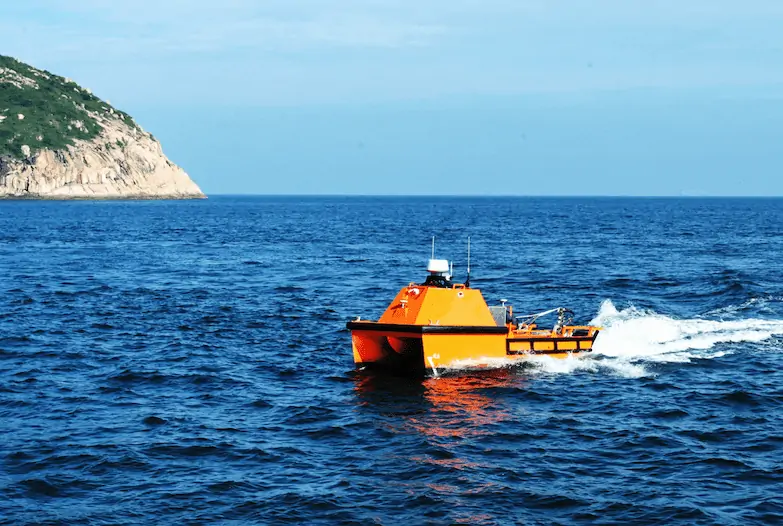
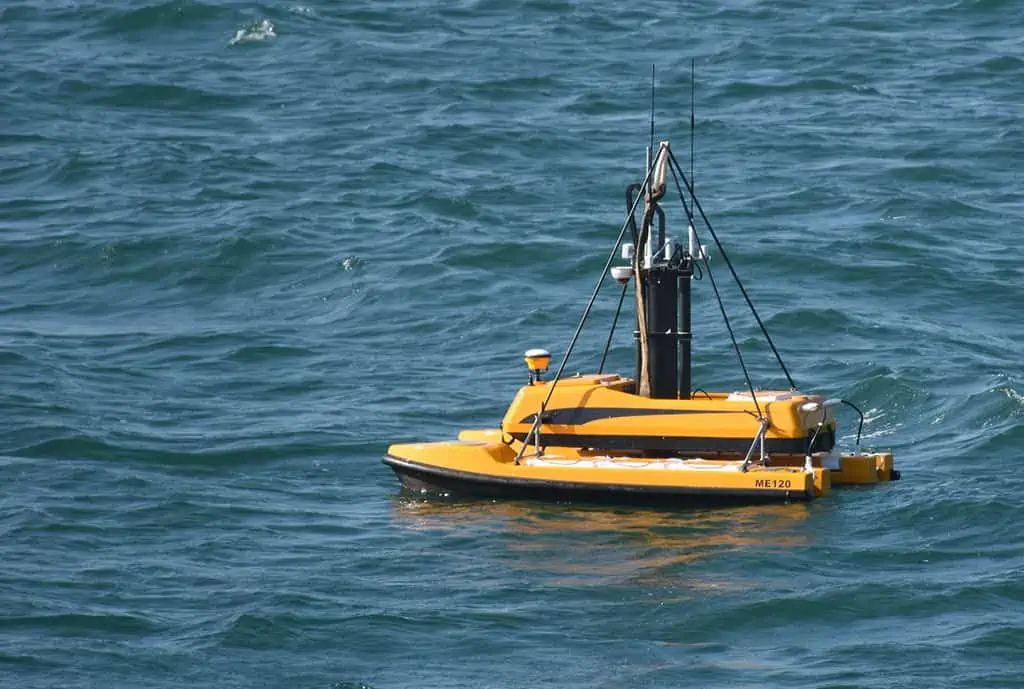
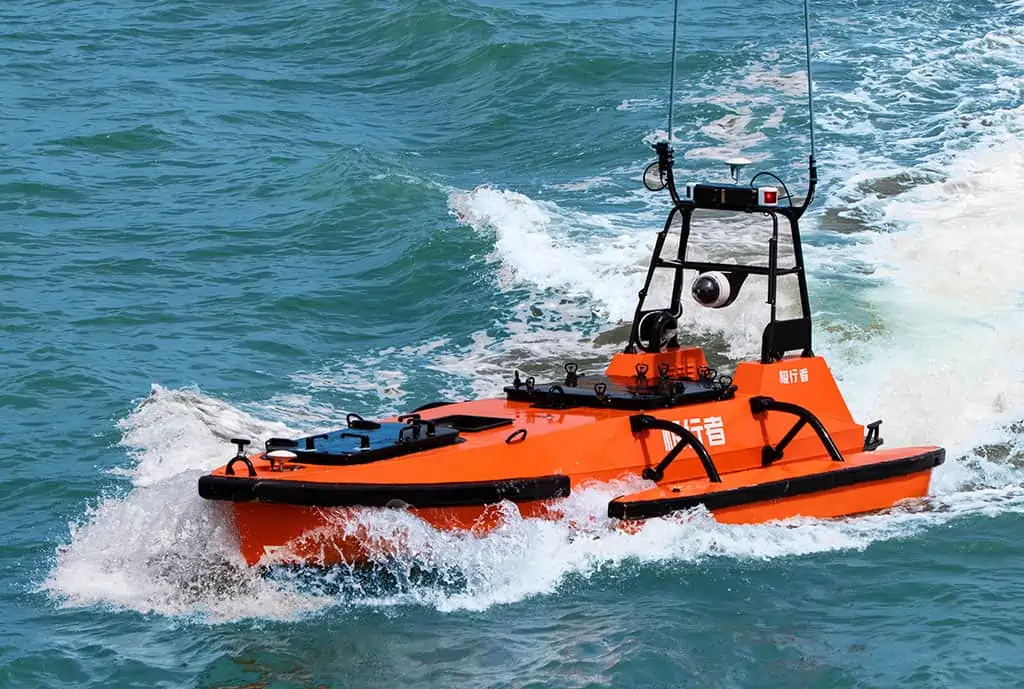
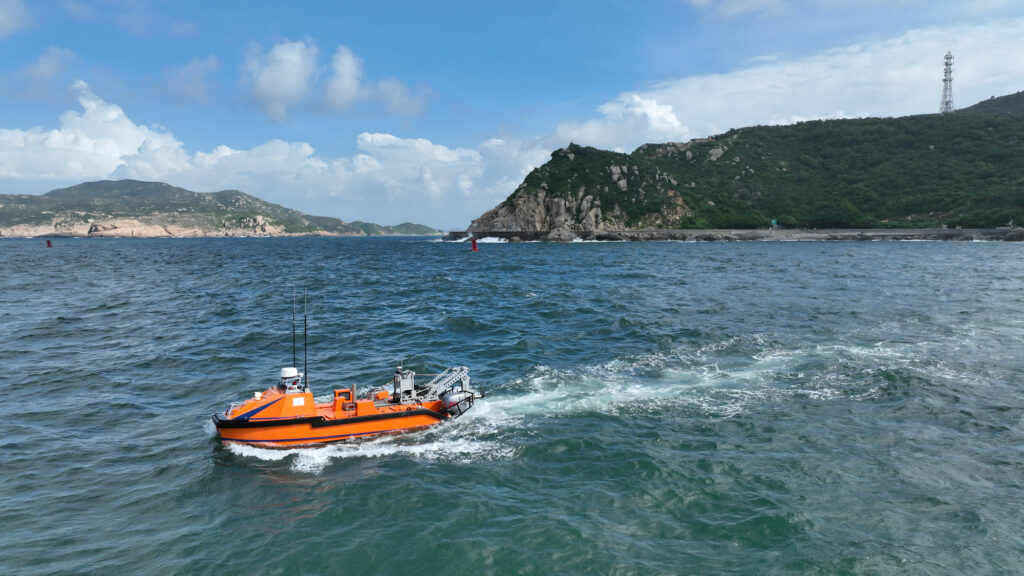
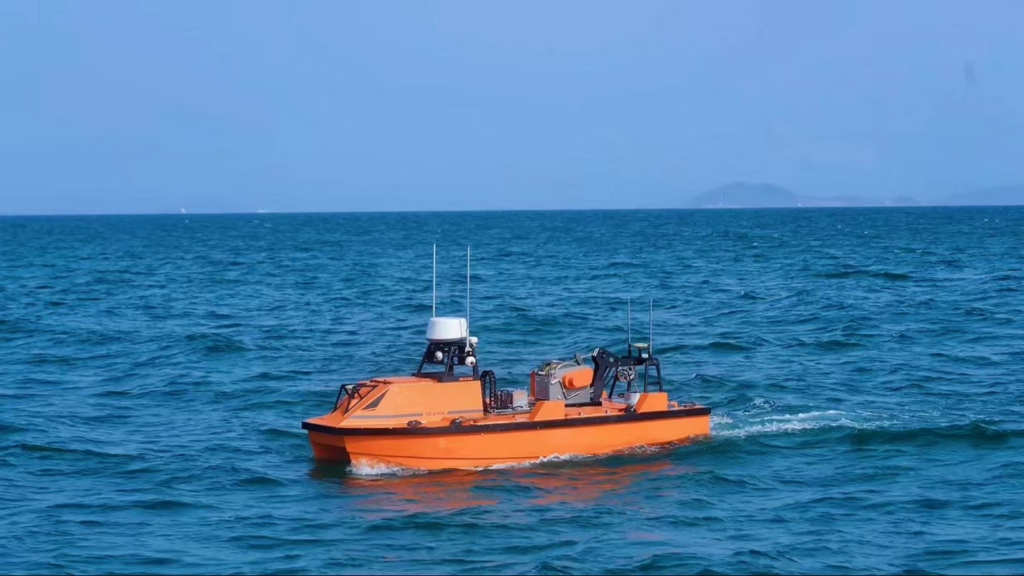
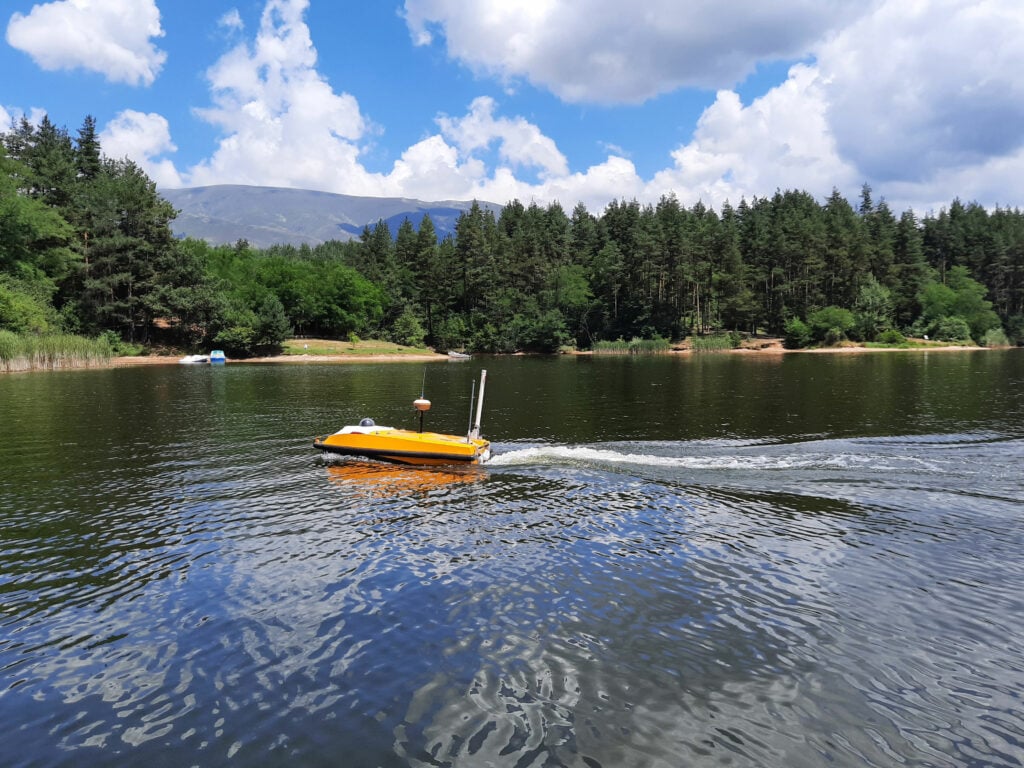
The OceanAlpha ME120 USV, outfitted with a single-beam depth sounder, can autonomously conduct these essential surveys, allowing operators to manage the vessel remotely and avoid exposure to the extreme environmental conditions. Its anti-corrosion and salt-resistant features make it notably suited for this project,given that the brine’s salinity in Lop Nur is 353.46 g/L—ten times that of ocean water. Data and video feeds are transmitted reliably through a private network, circumventing the limitations of public communications in this remote area.
Overcoming Challenges with Manned Vessels
Due to the frequently changing water levels of the salt lake, traditional manned vessels face significant challenges. Thier deep drafts prevent access to many shallow areas, risking stranding and damage to survey equipment. Additionally, maintaining consistent survey routes is difficult, often resulting in gaps in data collection and reduced accuracy.
Enhanced Data Collection with Shallow Draft Design
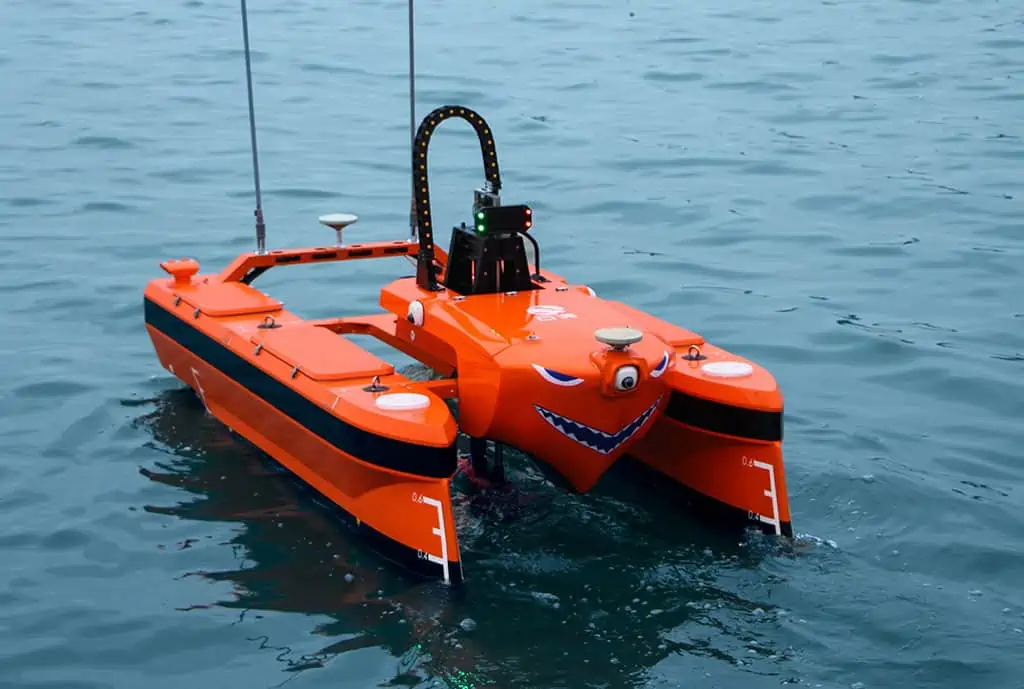
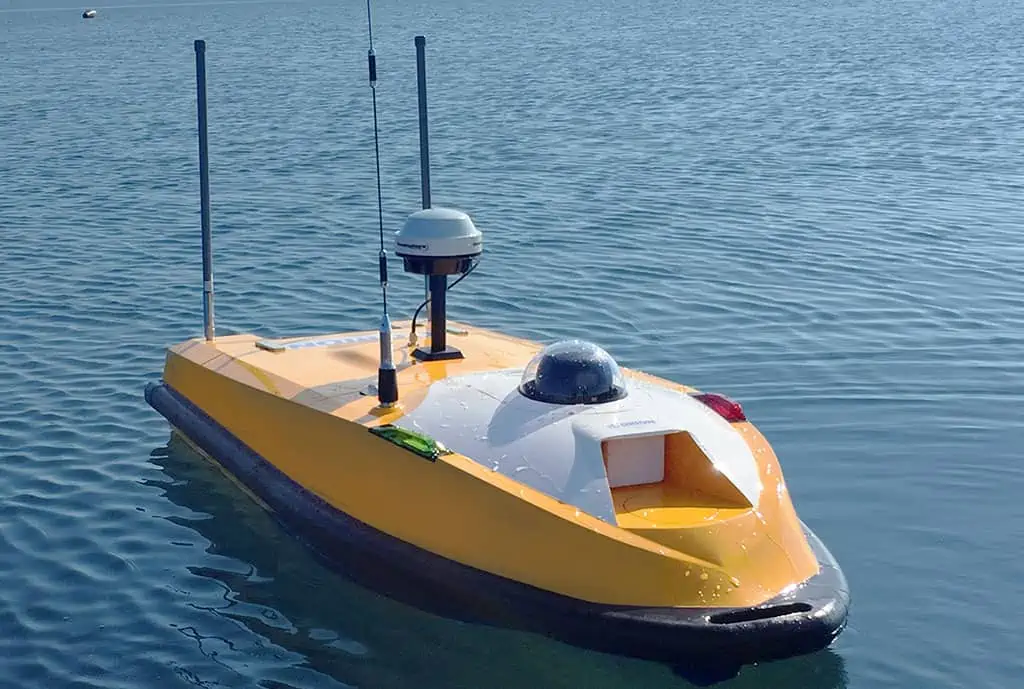
The ME120’s shallow draft enables it to navigate extremely shallow waters,minimizing blind spots and enhancing data collection. Utilizing GPS for precise positioning, the vessel ensures that the data gathered is accurately aligned with the survey parameters. This thorough and precise data collection is vital for formulating effective mining and production strategies.