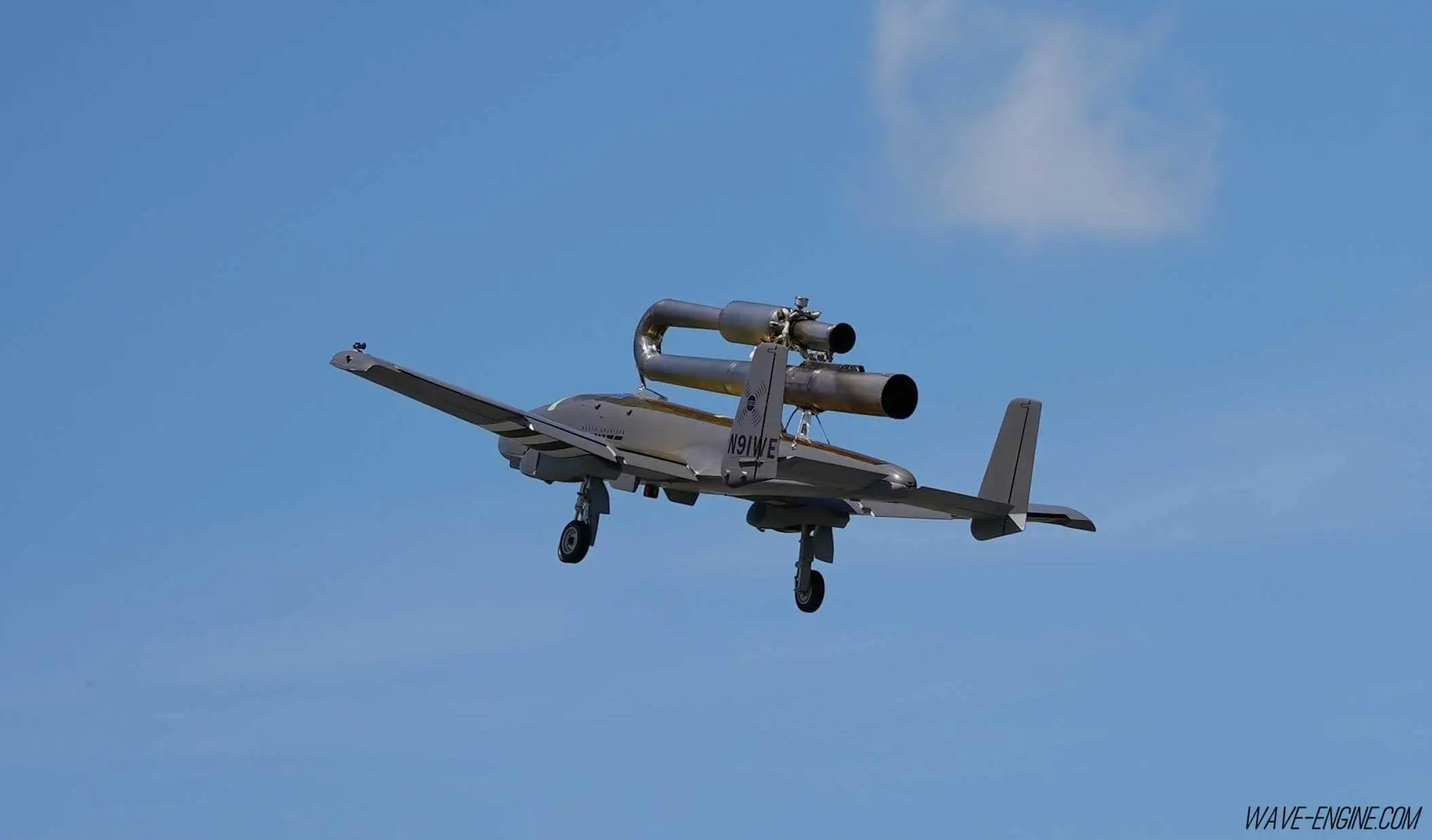


Wave Engine Corporation, a pioneer in advanced propulsion technologies, has successfully showcased the full flight capabilities of a UAV powered by a jet engine that operates without any moving parts.
This demonstration, which encompassed take-off, cruising, and landing phases, marks a critically important leap forward in the growth of cost-effective jet propulsion systems, especially for unmanned aerial vehicles.
Typically, the propulsion system represents the most intricate and costly aspect of a jet-powered aircraft. this breakthrough indicates significant enhancements in the affordability and rapid production capabilities of future jet-powered vehicles.
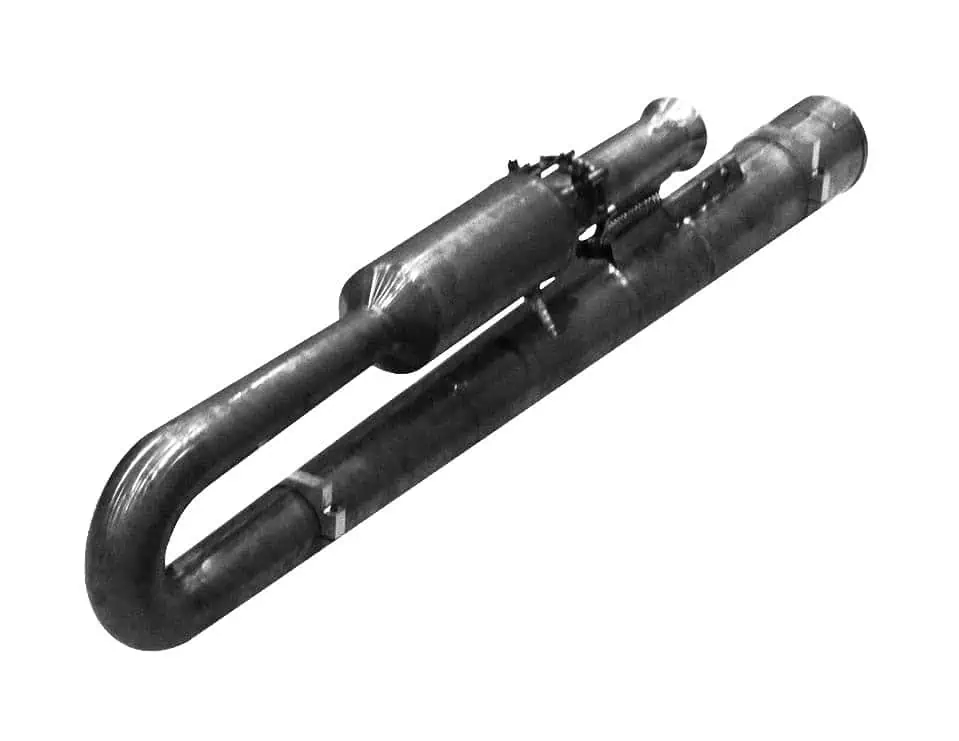
Wave engines are a unique category of aircraft engines that utilize pressure waves rather than rotating components.The intermittent combustion within a hollow chamber generates pressure waves that propel hot gases,creating thrust. The proprietary technology developed by wave Engine Corporation facilitates high-speed operation while considerably reducing both the cost and complexity associated with jet propulsion.this advancement is crucial for a growing array of applications that demand economical and quickly manufacturable jet propulsion systems and aircraft.
During the demonstration flight, a wave engine producing over 50 lbf (222 N) of thrust was employed as the exclusive power source for a UAV with a gross weight of 100 lbs (45 kg) designed for Conventional Take-Off and Landing. The flight sequence also included a remote instant start using liquid fuel.
The company has engineered engines with thrust capabilities ranging from 50 lbf (222 N) to 250 lbf (1112 N), suitable for aircraft weighing between 100 lbs (45 kg) and 1000 lbs (450 kg).They have successfully operated on various fuels, including gasoline (87 Octane), kerosene (Jet-A/JP-8), and sustainable biofuels like E85.
Moreover,Wave Engine Corporation has reported accomplished mid-air engine restarts and has operated its engines at speeds reaching 200 mph,constrained only by the limitations of the testing surroundings.
Additionally, the company has achieved Thrust Specific fuel Consumption (TSFC) levels below 2.0 lbs/lbf-hr, rivaling the efficiency of customary turbine engines, with performance metrics continuing to improve as development advances. “We are relentlessly pushing the boundaries of performance and flight capabilities,” stated Daanish Maqbool, CEO of Wave Engine Corporation.“Our years of effort to harness the synergy of sound and combustion are set to transform the industry.”
The company has also unveiled its flagship product, the J-1 engine, which boasts over 50 lbf of thrust, and is actively seeking potential partners for collaborations and demonstrations.