


Advanced Navigation Unveils State-of-the-Art Robotics Manufacturing Hub
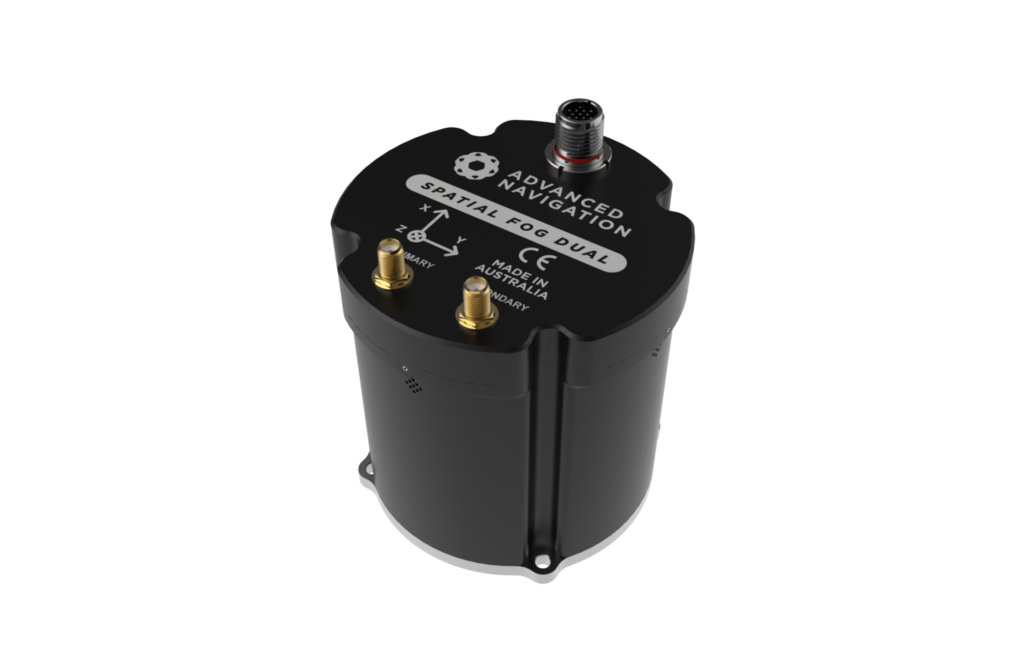
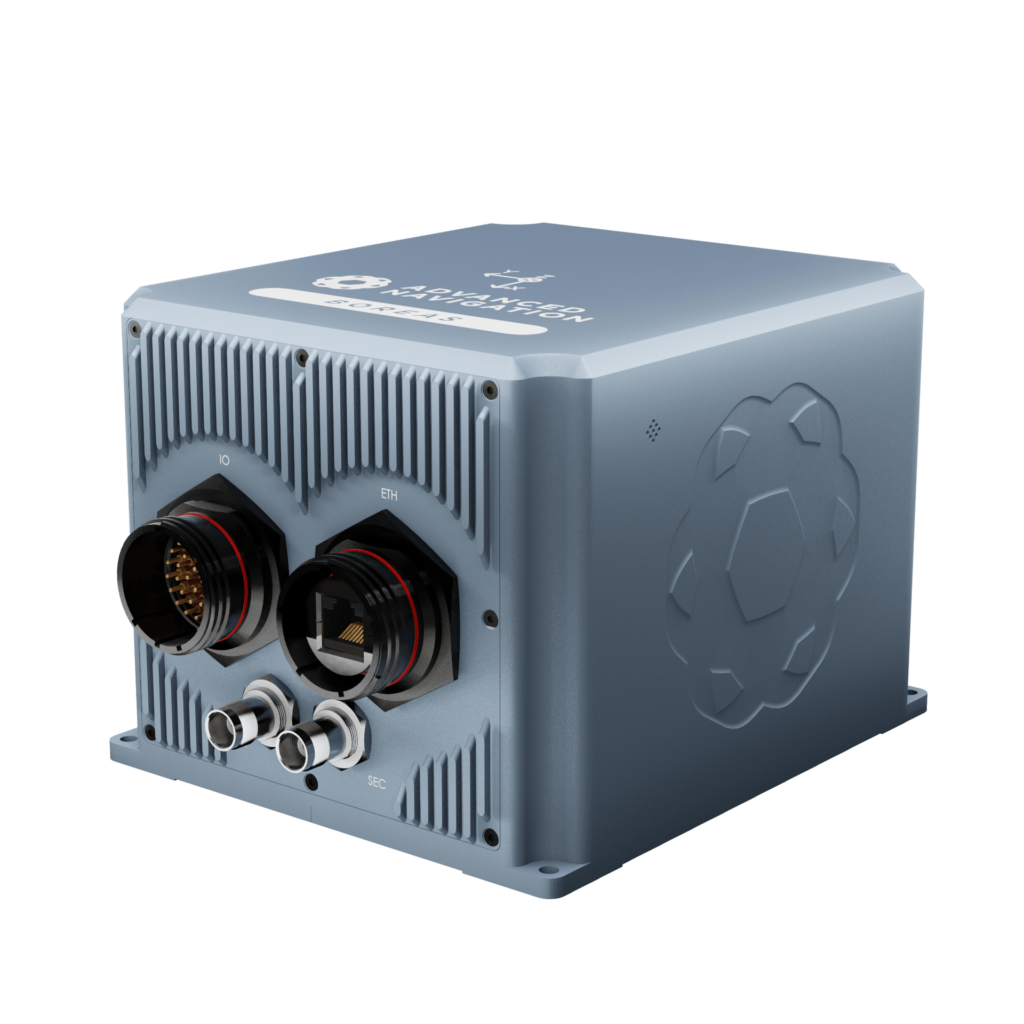
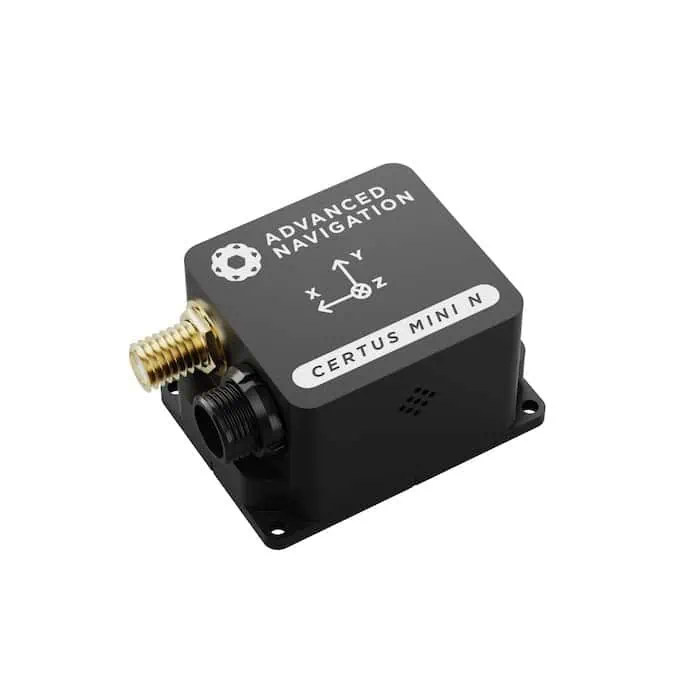
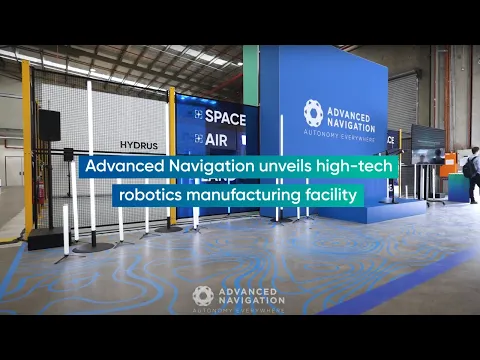
Situated in Botany, New South Wales (NSW), Advanced Navigation has inaugurated a cutting-edge facility dedicated to the production of autonomous systems. This new center aims to enhance the manufacturing capabilities of the company’s pioneering AI navigation systems designed for environments where GPS is unavailable, including its innovative digital fiber-optic gyroscope (DFOG) technology, Boreas.
Advanced Navigation stands out as one of only four global entities capable of producing strategic-grade fiber-optic gyroscopes. This advanced technology facilitates dependable navigation for various applications, including marine vessels, space exploration, aerospace, defense, autonomous vehicles, and flying taxis. The company employs unique AI-driven physics algorithms to tackle intricate challenges both on Earth and in outer space.
Enhancing australia’s Sovereign Manufacturing Capabilities
Xavier Orr, the CEO and Co-Founder of Advanced Navigation, emphasized the urgent need to bolster Australia’s economic complexity and sovereign manufacturing capabilities. he stated, “A vital step is to enhance our industrial capacity in high-tech sectors while fostering knowledge exchange and collaborative efforts among government bodies, academic institutions, and industry leaders.”
Innovative Robotics Manufacturing for Autonomous Technologies
Advanced Navigation notes a significant change in the realm of sovereign manufacturing, propelled by cutting-edge technologies such as AI, automation, and precision engineering. In the field of autonomous systems, the necessity for precision and reliability is paramount.
The facility adopts a vertically integrated approach, featuring automated manufacturing processes powered by machine learning. This ensures the production of navigation systems that are not only reliable but also durable and of superior quality.
Partnerships with UTS for Research and Development
Beyond manufacturing, the facility will serve as a hub for extensive research collaborations between Advanced Navigation and the University of Technology Sydney (UTS). This partnership aims to accelerate the commercialization of several impactful technologies, including:
- Light Detection, Altimetry, and Velocimetry (LiDAV) system – LiDAV provides accurate three-dimensional velocity and altitude data relative to the lunar surface, facilitating complex autonomous landing operations and exploration on the moon.This technology is set to be integrated into the US-based space systems company Intuitive Machines’ Nova-C lander as part of NASA’s ongoing Commercial Lunar Payload Services (CLPS) initiative.
- Cloud Ground control – An innovative cloud-based platform that enables pilots and mission planners to remotely manage a fleet of uncrewed vehicles across air, land, and sea via a web interface. By offering real-time video feeds, telemetry, and streamlined data management, Cloud Ground Control enhances situational awareness in search and rescue, emergency response, and disaster relief missions.
- Assisting Visually Impaired Passengers – As part of the NSW Small business Innovation and Research (SBIR) program, Advanced Navigation has developed an indoor positioning system to help visually impaired individuals navigate safely within underground train stations.
Professor Andrew Parfitt, Vice-Chancellor and President of UTS, remarked, “UTS is excited to collaborate with Advanced navigation to explore critical growth sectors, including AI, robotics, and space technologies. The synergy between UTS’s leading researchers in autonomous systems and Advanced Navigation’s talented scientists and engineers,utilizing the advanced facilities at UTS Tech Lab,underscores our commitment to fostering sovereign capabilities in defense and space. We look forward to expanding our collaborative efforts with Advanced navigation to accelerate the development of high-impact innovations.”
Promoting demand for STEM Careers
This facility aligns with the Federal Government’s ongoing initiative to cultivate a robust workforce in science, technology, engineering, and mathematics (STEM). It is poised to generate employment opportunities in robotics, manufacturing, photonics, mechatronics, mechanical engineering, and other related fields.
Chris Shaw, CEO and co-founder of Advanced Navigation, added, “Our new facility will significantly contribute to the rapid expansion of Australia’s STEM sector. We are committed to being a driving force in the autonomy revolution,commercializing technologies that address some of humanity’s most pressing challenges. We are proud to partner with UTS, known for its support of multidisciplinary research and access to next-generation technologies.”