
Revolutionizing River Surveys: The Role of Autonomous Vessels
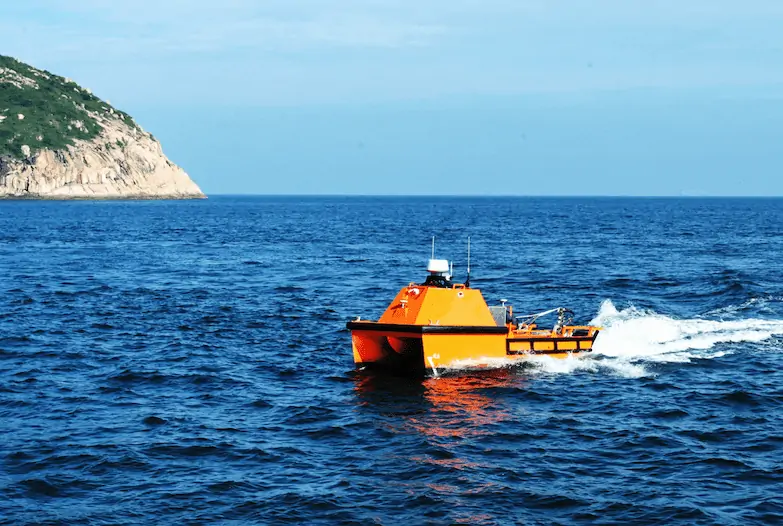
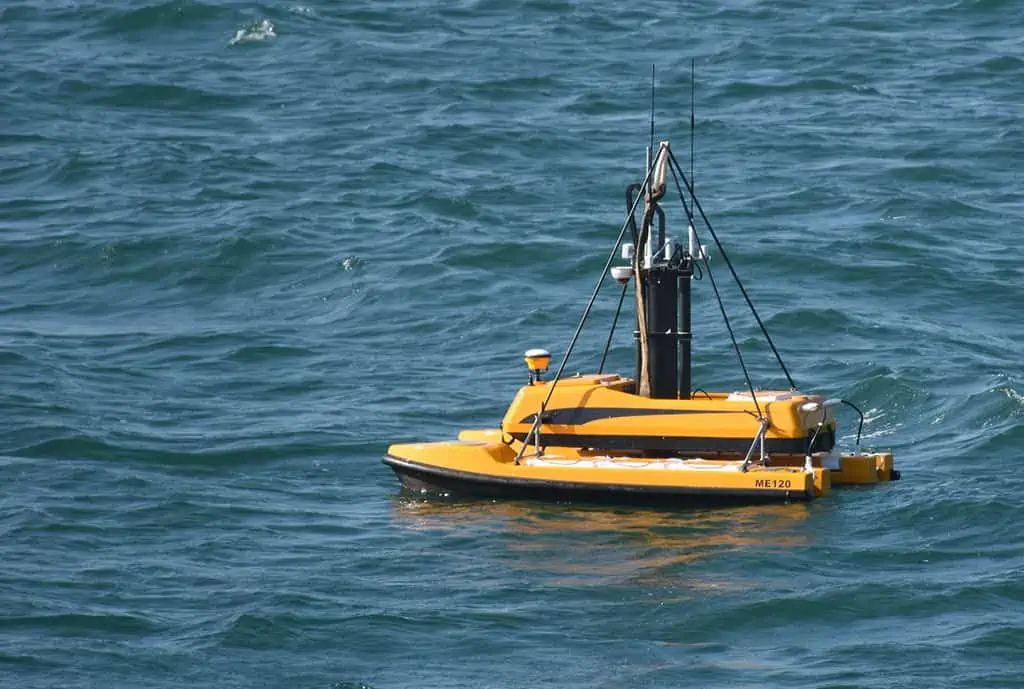
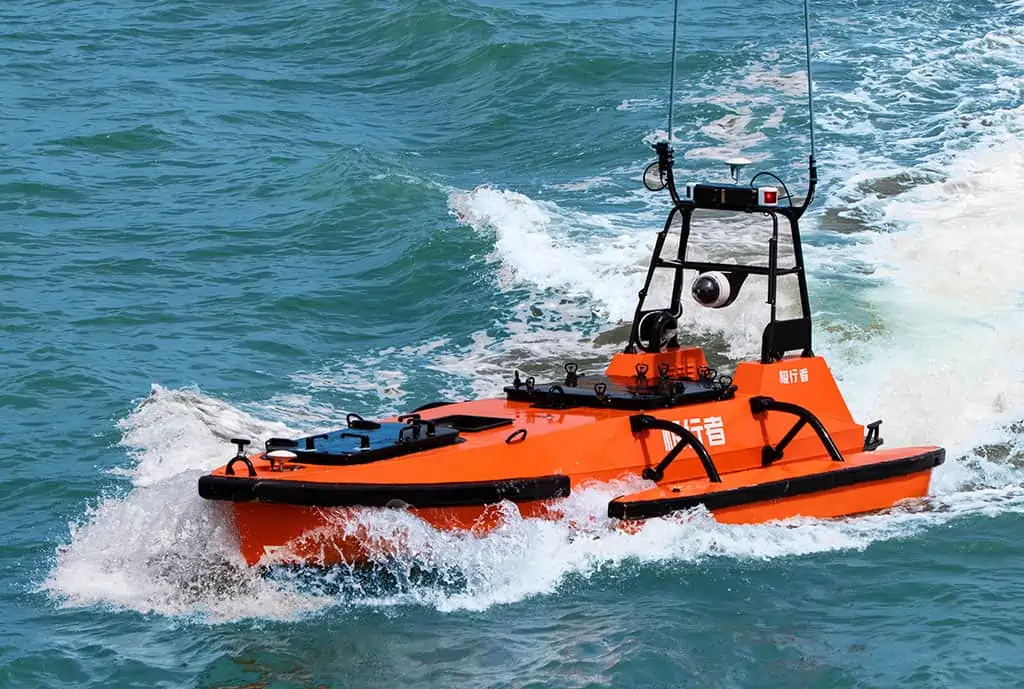
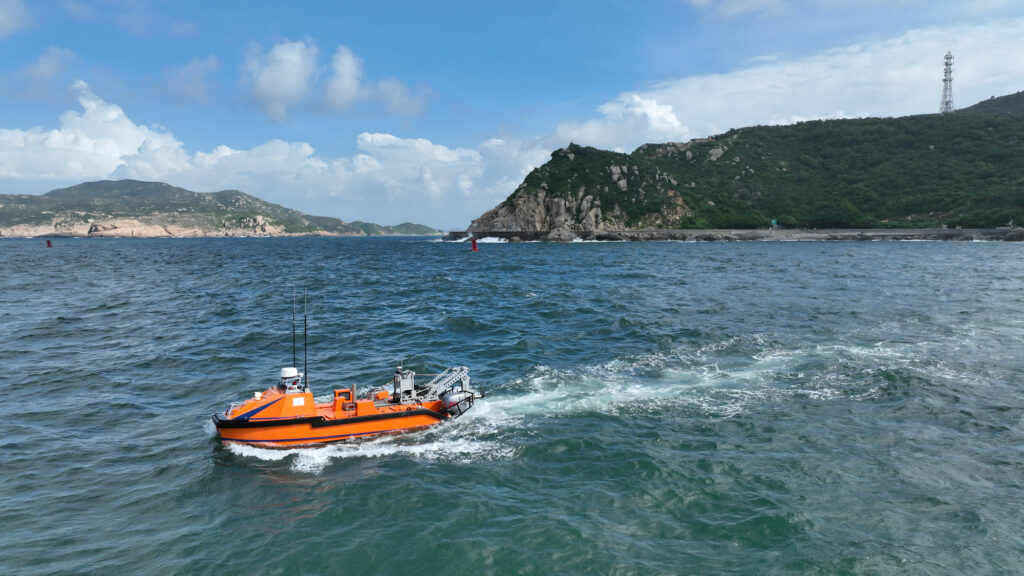
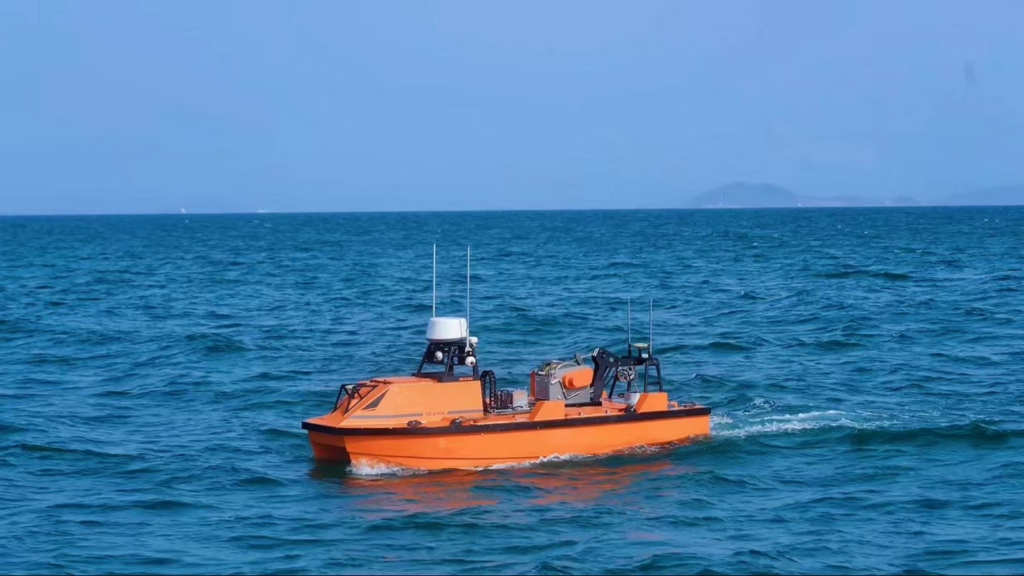
OceanAlpha’s ME120 autonomous unmanned surface vessel (USV) has recently been deployed for an underwater topographic survey in the Qiankun Bay area of China’s yellow River. This river, which flows through nine cities, is recognized as the most sediment-rich river globally. Conducting thorough underwater terrain assessments and analyzing river pattern changes is crucial for effective river management and flood prevention strategies.
Challenges in Conventional Survey Methods
The survey region is characterized by complex water dynamics, including swift currents and shallow areas, which pose meaningful challenges for conventional survey boats and equipment. These conditions can also create safety risks for human operators. To address these issues, a topographic survey team from China’s Ministry of Natural resources opted to utilize unmanned aerial vehicles (UAVs) alongside USVs for a thorough multi-element topographic survey.
Innovative Design of the ME120 USV
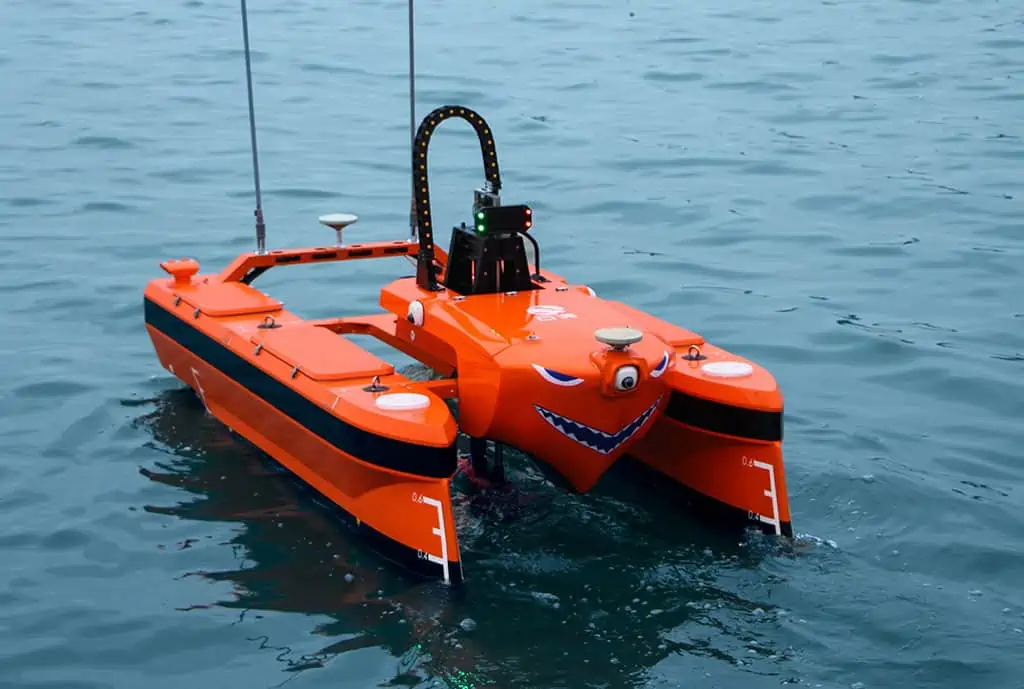
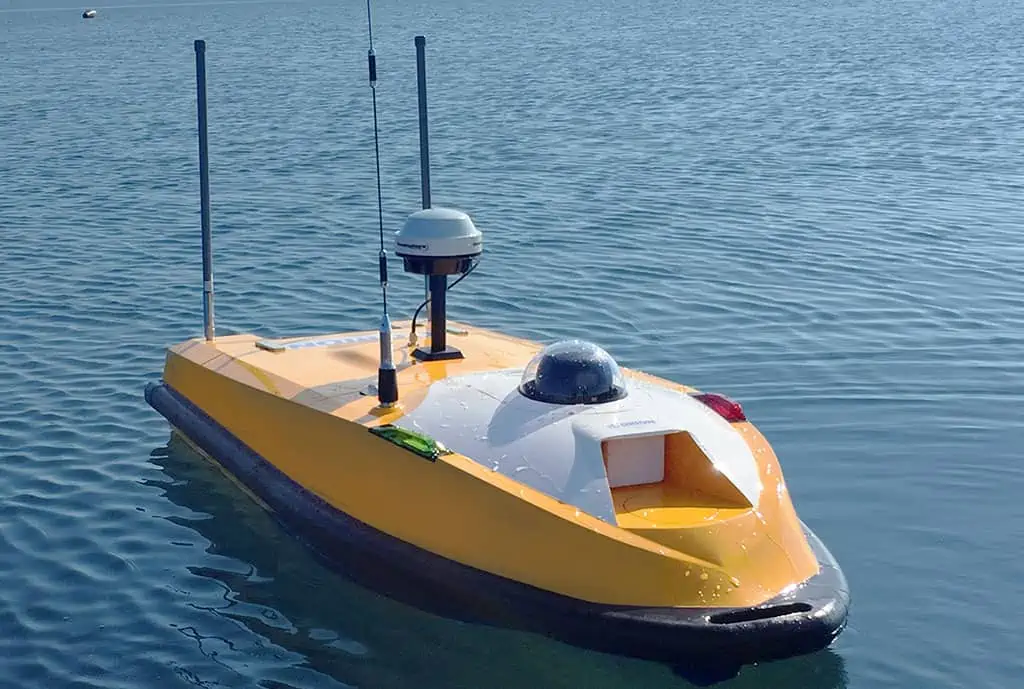
The ME120 USV boasts a modular three-part design that allows for rapid assembly and disassembly. Its autonomous features enable it to operate in water depths as shallow as 0.45 meters, making it notably suitable for this mission. The vessel is outfitted with a multi-beam echosounding system, which can be adjusted remotely to gather data from various depths using the USV’s lifting mechanism.
Data Collection and Analysis
The survey team established parallel survey and inspection lines based on real-time water depth measurements and the multi-beam system’s coverage, utilizing specialized software at a shore-based control station. The USV followed these predetermined routes, transmitting collected data back to the base in real time.
high-Quality Mapping Outcomes
The data gathered by the ME120 USV provided a detailed portrayal of the river’s topography. Additionally, the vessel was equipped with a high-precision inertial navigation system (INS), which facilitated the seamless integration of multi-beam data with details collected from UAVs. Following thorough analysis and processing, the team generated high-quality integrated maps that combined both above-water and underwater measurements of the area.
Conclusion
The successful deployment of the ME120 USV in the Yellow River survey highlights the transformative potential of autonomous vessels in environmental monitoring and management. As technology continues to advance, such innovations will play a pivotal role in enhancing our understanding of complex aquatic ecosystems and improving flood control measures.