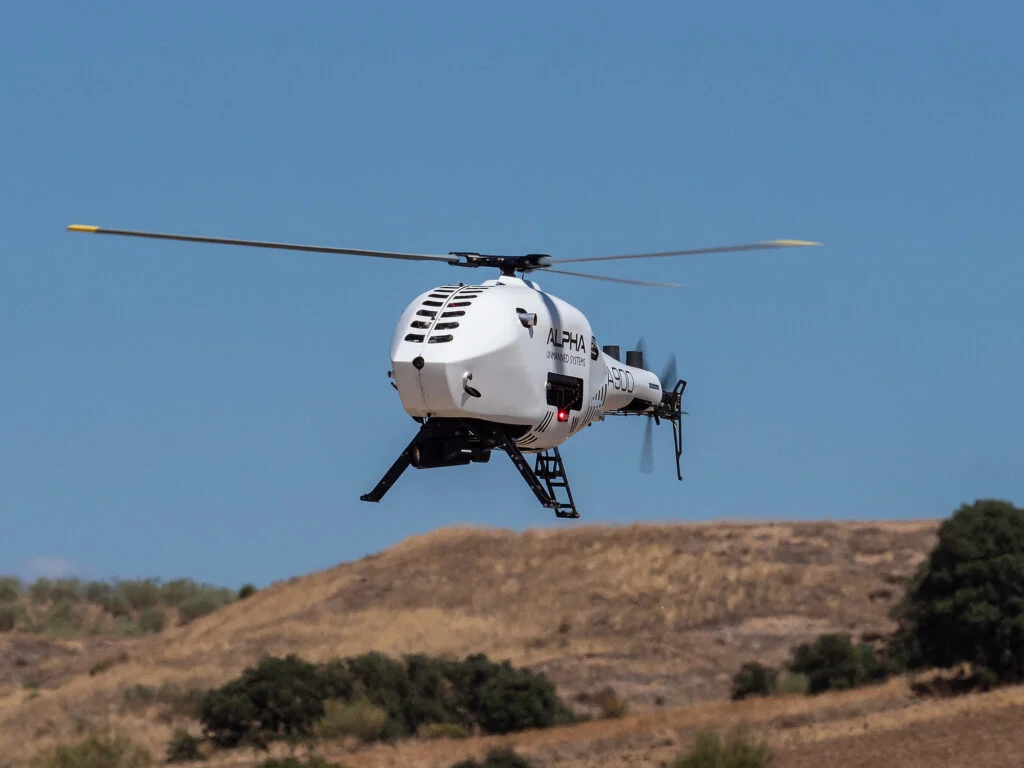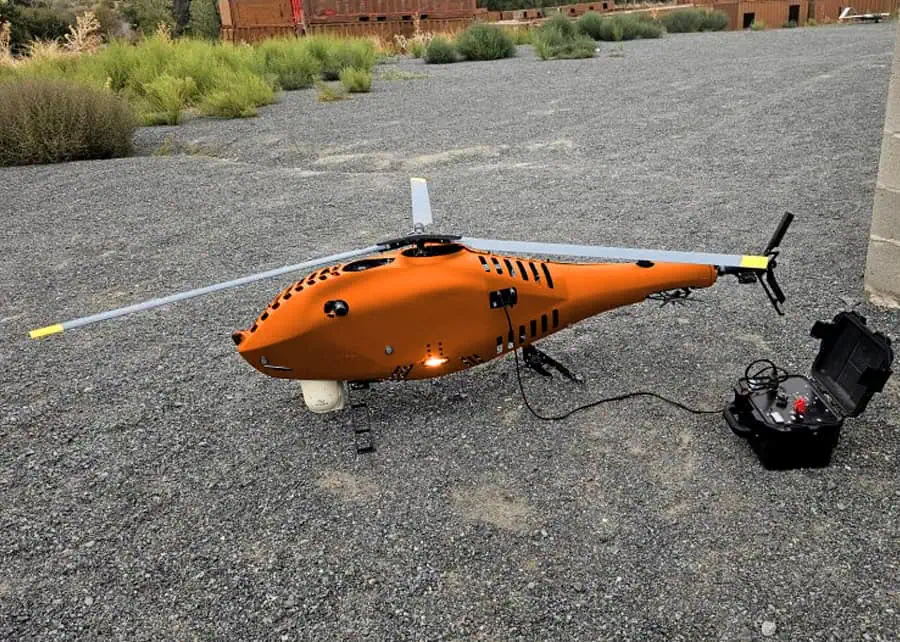


Sonardyne explores the current applications of robotics in marine settings and investigates their potential roles in upcoming offshore wind initiatives. discover more >>
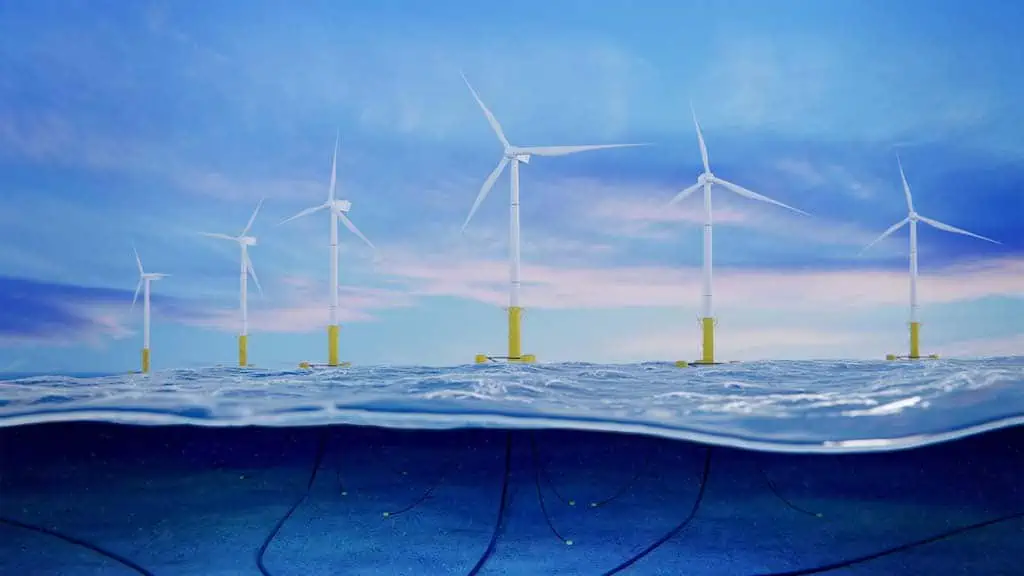
In May 2023, wind energy surpassed natural gas as the leading source of electricity in the UK, wiht a significant portion generated from offshore facilities. This shift indicates a growing demand for affordable renewable energy solutions in the region.
The discussion highlights the integration of marine robotics in various aspects of offshore wind farms, including planning, positioning, monitoring, and communication, raising the question of whether such maintenance practices are feasible or merely aspirational.
The article further elaborates on the following topics:
-
Are robotic-maintained floating offshore wind farms a realistic future?
-
Surveying and Construction Techniques
-
The Role of Robotics as Wind Farms Expand
-
Continuous Offshore Robotics Operations?
Implementing marine robotics for seabed assessments can significantly lower the costs of constructing offshore wind farms, minimize carbon footprints, and enhance operational reliability. By establishing a robust framework for monitoring and utilizing marine robotics at the onset of a wind farm’s lifecycle, operators can achieve considerable savings much earlier in the project timeline.
For the complete article,or to learn more,visit Sonardyne’s website.