

Palladyne AI Corp. and Red Cat holdings,Inc. have achieved a groundbreaking milestone by conducting a collaborative flight involving three distinct drones, all operating autonomously across various platforms.
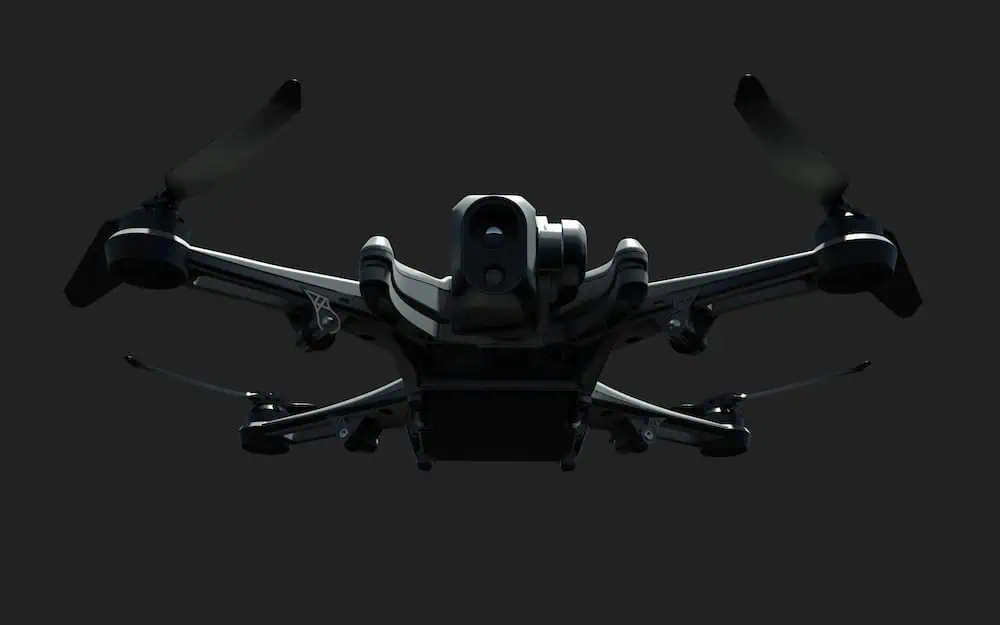
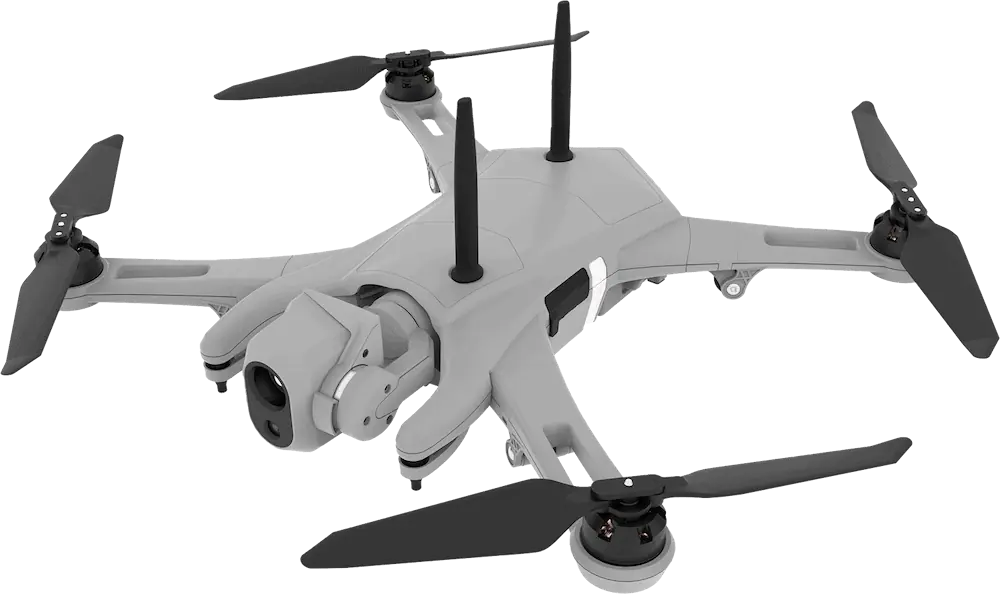
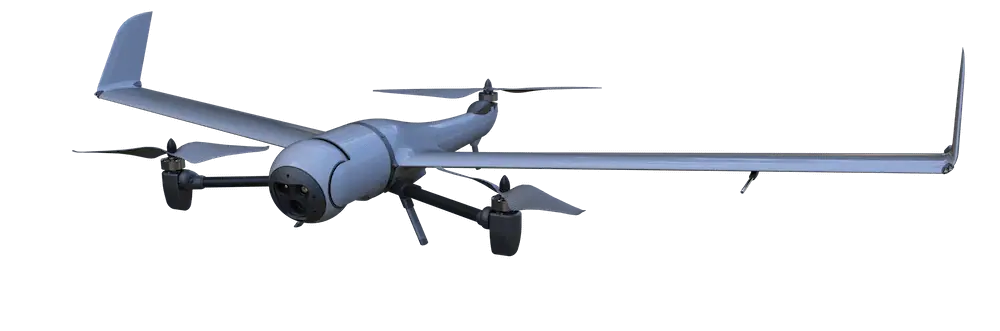
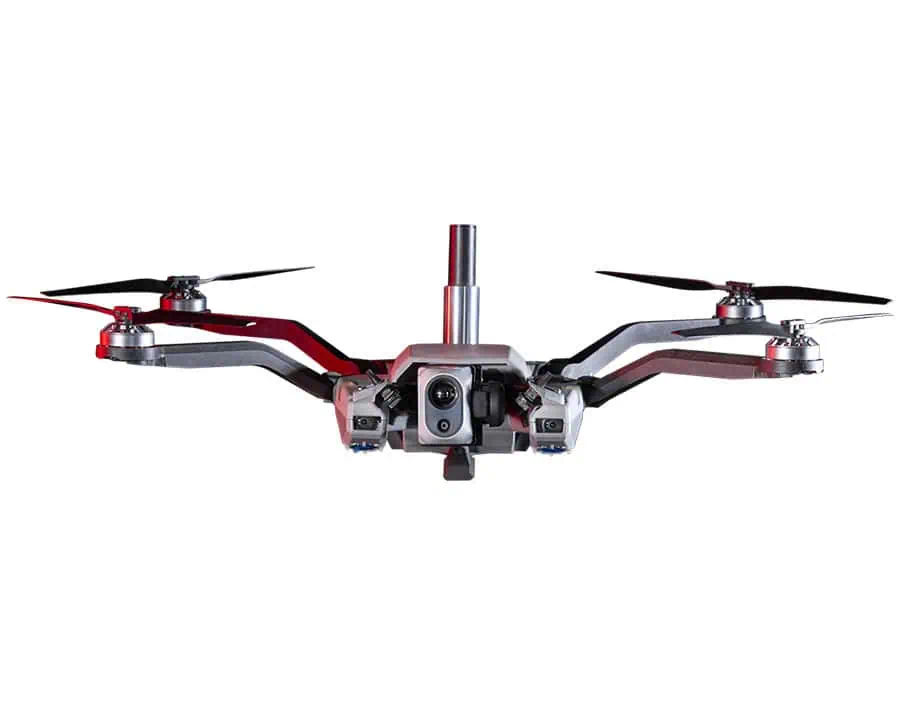
This latest test utilized Red Cat’s teal 2 and Black Widow drones, alongside the Palladyne™ Pilot AI software. Each drone functioned independently, employing onboard edge computing and limited communication protocols, eliminating the need for centralized infrastructure.
The innovative system facilitated real-time, decentralized detection and tracking of both moving and stationary ground entities, such as individuals and vehicles, across multiple areas of interest. This setup allowed a single operator to maintain extensive situational awareness.
Earlier, in January 2025, the two companies successfully executed a two-drone flight operation. additionally, Palladyne AI conducted a solo drone test in December 2024, focusing on the autonomous identification, prioritization, and tracking of ground targets.
Matt Vogt, Chief Revenue Officer at Palladyne AI, remarked, “This latest testing achievement marks a significant advancement in our collaborative efforts with Red Cat to foster multi-drone interoperability and autonomous teamwork within the defense sector. We are thrilled to have accomplished this three-drone flight and are confident that our integrated, cross-platform autonomous solution will revolutionize operations for U.S. military personnel and drone operators. This pivotal development excites us about the potential benefits Palladyne Pilot will offer to both our government and defense clients, as well as our targeted non-defense civil market.”
Geoff Hitchcock,Chief revenue Officer of Red Cat,emphasized,“The accomplished transition from single-drone to three-drone operations not onyl showcases the reliability of our drones and Palladyne’s AI technology but also highlights the onboard systems’ ability to autonomously manage intricate missions. This advancement enhances situational awareness for warfighters while reducing the number of operators needed in the field to oversee multiple assets.This recent test is a significant step toward making collaborative autonomous systems more viable and effective in real-world defense applications.”