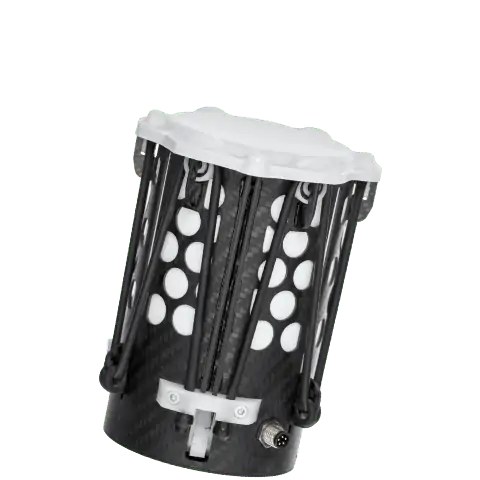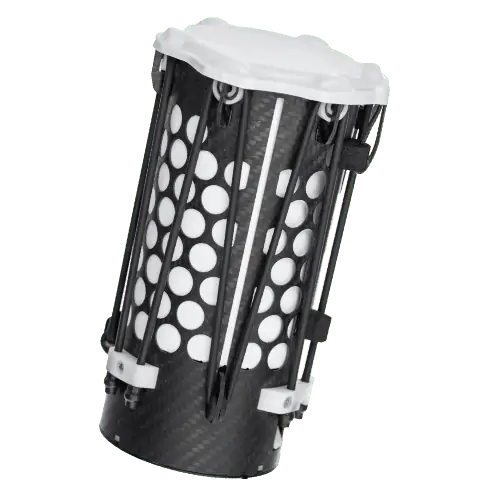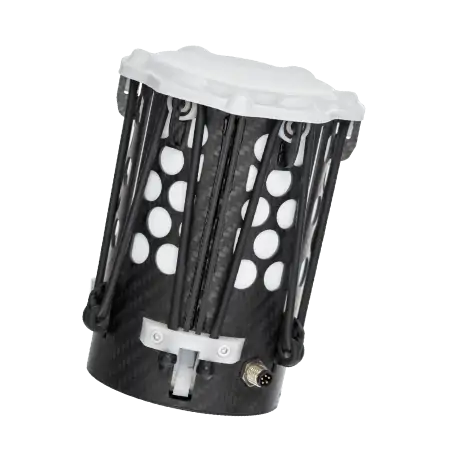

Accipiter Radar offers a range of meticulously crafted systems tailored to meet distinct surveillance needs,all built upon the innovative Radar Intelligence Network™ (RIN) technology.
The architecture of Accipiter’s Radar Intelligence network (RIN) is designed to ensure that systems can adapt adn evolve in response to emerging threats and requirements.
by integrating wide-area, real-time detection, tracking, post-processing, and visualization, along with interactive analytics applied to historical target data, the company enhances situational awareness and supports decision-making processes.
The RIN platform facilitates seamless connectivity for multiple sensors over any TCP/IP network to the M3® Target Information system, which serves as the backbone of all accipiter solutions. This design allows for the integration of existing sensors and the selection of new ones as mission demands change.
Accipiter’s M3® Target Information System (TIS) is a multi-sensor, multi-mission, and multi-user platform that provides extensive capabilities for processing, querying, and retrieving target data, thereby enabling informed decision-making at both strategic and tactical levels.
The TIS organizes, fuses, manages, and disseminates sensor data in geographic coordinates while supporting a suite of user applications known as Surveillance-to-Intelligence™ (S2I) tools, delivering vital information to users.
Moreover, the TIS is equipped with a Device Activation Processor (DAP) that can be radar-activated to align cameras and initiate acoustic alerts based on identified target scenarios. Real-time replication technology (RTRT) allows the TIS to mirror data to othre locations for partner information sharing, data redundancy, and evidence preservation.
Discover more about Accipiter’s Radar Intelligence Network™ (RIN) technology >>
Harnessing Accipiter’s RIN for Contemporary Surveillance Challenges
In a world that is becoming increasingly intricate and automated, effective remote sensing, alerting, and decision support are essential.Operators of unmanned aerial vehicles (UAVs) conducting routine infrastructure inspections often require the ability to operate Beyond Visual Line of Sight (BVLOS) in a cost-effective and systematic manner.
Remote management is also vital for unmanned hydroelectric facilities to ensure public safety and security. Airports must keep an eye on bird activity and unauthorized drones to maintain safe aircraft operations. Critical infrastructures, such as ports and waterfront power plants, necessitate awareness of vessel movements, compliance with operational standards, and security threats.
moreover, law enforcement agencies are tasked with monitoring extensive maritime, aerial, and terrestrial borders, conducting search and rescue operations, and responding to suspicious activities.
Each mission and application requires a diverse array of sensors, including radars, cameras, cooperative RF systems like ADS-B and AIS, and RF listening devices for uncooperative targets.
A multi-sensor strategy is often essential, as no single solution can address every requirement. Radar technology must be customized for specific environments (air, ground, or marine) and ranges (short, medium, or long).
In many instances, utilizing a combination of sensors from different manufacturers is advantageous for achieving comprehensive awareness across all domains (ADA). To ensure consistent situational awareness and facilitate informed decision-making,these sensors must be effectively integrated.
To enhance efficiency, dismantling organizational silos in both business and government sectors promotes better information sharing and optimal utilization of surveillance resources, preventing needless duplication of sensors and systems. As technology advances and new sensing products are introduced, users frequently encounter challenges when legacy systems are incompatible with new acquisitions.
Read the original article >>