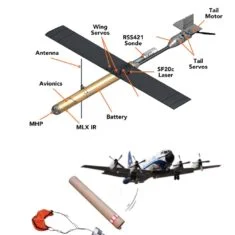


Unmanned Aerial Systems, such as the SØ™ developed by black swift Technologies, are revolutionizing the study of tropical cyclones by safely gathering essential high-resolution data during storms, which leads to enhanced forecasting precision and a deeper comprehension of these meteorological phenomena.
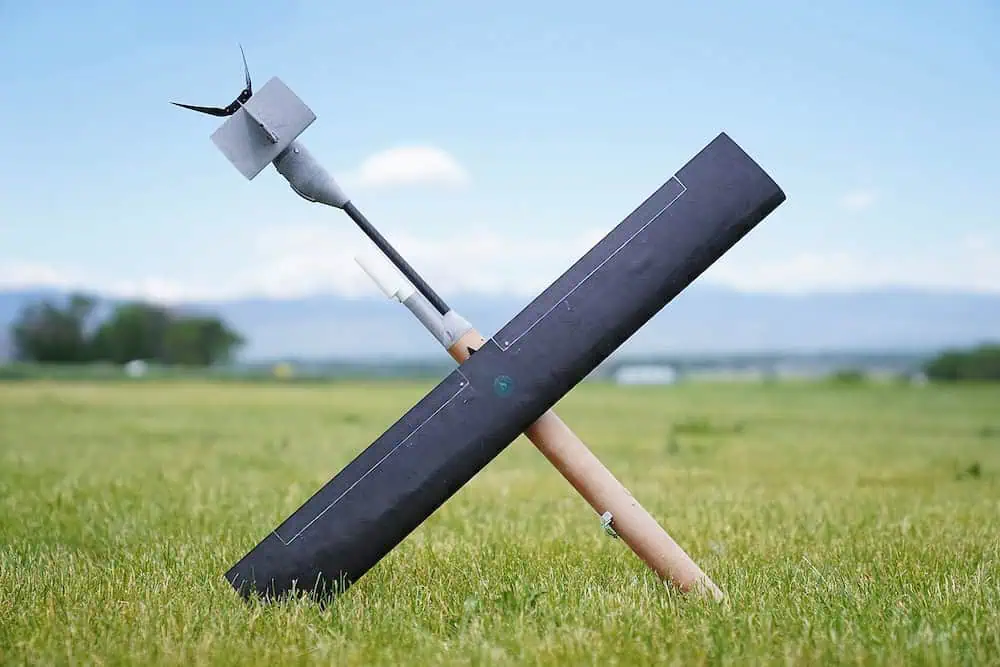
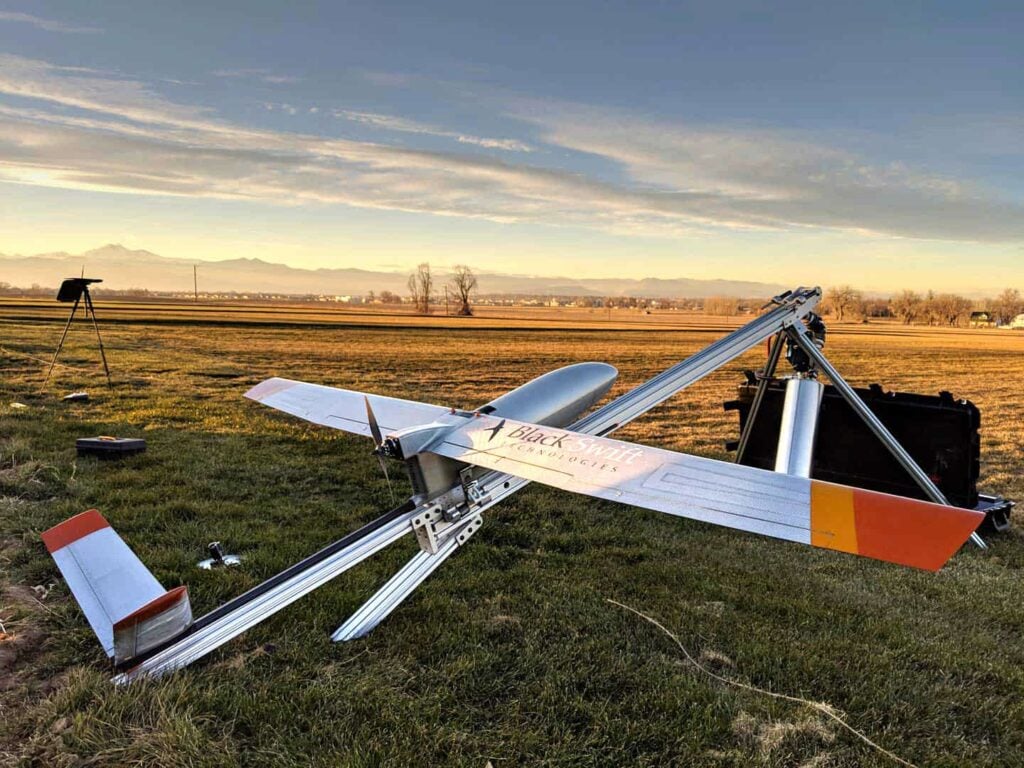
Black Swift S0 UAS.
Tropical cyclones rank among the most formidable and devastating weather occurrences,posing significant challenges for meteorologists striving to refine their predictions and safeguard at-risk coastal communities. Acquiring intricate data from the heart of these storms is crucial yet notoriously challenging due to the severe conditions that hinder manned aircraft operations. Conventional instruments like dropsondes yield some facts but are limited in their spatial and temporal reach.
Unmanned Aerial Systems are reshaping this scenario. They can operate safely in perilous environments were human pilots cannot venture, offering increased versatility, reduced costs, and more frequent data acquisition. Acknowledging their potential, NOAA initiated the Intensity Forecasting Experiment (IFEX) to utilize UAS for enhanced three-dimensional wind mapping, improved thermodynamic sampling near the ocean surface, and more precise measurements of ocean surface winds—key elements for refining cyclone intensity forecasts.
Despite their promise, high expenses and design hurdles have restricted the widespread use of UAS. To address this, NOAA enlisted Black Swift Technologies in 2018 to create an economical, air-deployable UAS capable of gathering detailed data in the turbulent lower boundary layer of hurricanes and convective storms.
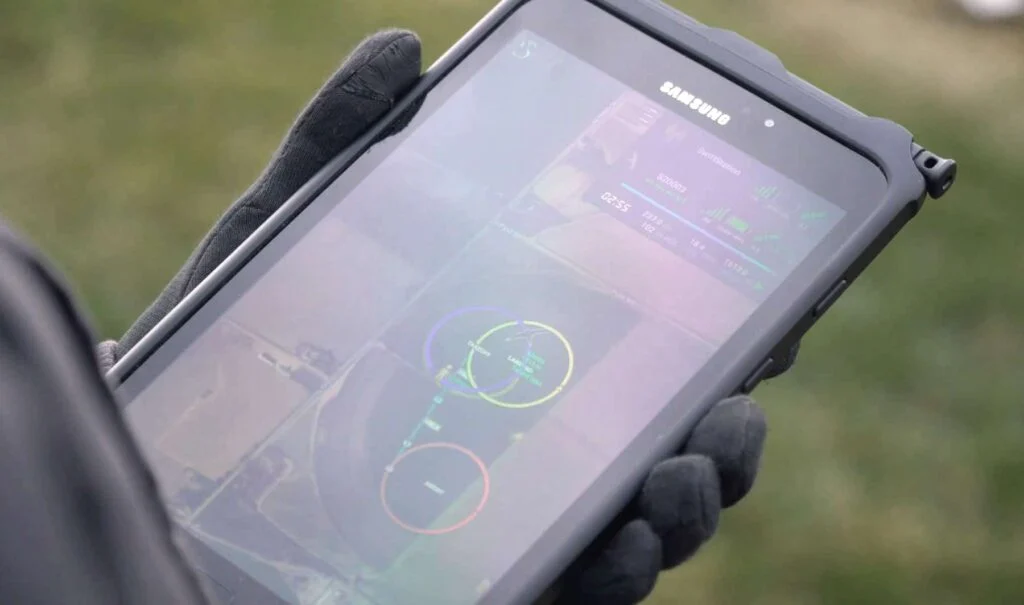
The result is the Black Swift SØ, a compact aircraft designed with a single swiveling wing that simplifies construction while minimizing weight and cost. This UAS is equipped with BST’s proprietary SwiftPilot autopilot, SwiftTab ground station, and integrated sensors, allowing it to collect vital measurements, including 3D wind vectors, pressure, temperature, humidity, sea surface temperature, and altitude above water.
Once released, the SØ operates autonomously, utilizing advanced navigation algorithms developed with data from NCAR to target specific storm areas, enabling the simultaneous deployment of multiple units for dense spatial sampling.
Demonstrated during the 2023 NOAA deployment into Tropical Storm Tammy, the SØ weighed only 2.6 lbs, making it the lightest UAS to sample a tropical cyclone. It showcased over 100 minutes of flight time and interaction ranges surpassing 125 nautical miles.
Black Swift Technologies’ SØ platform is pushing the boundaries of tropical cyclone research by offering cost-effective, resilient, and highly autonomous tools that provide unprecedented data to enhance storm forecasting and ultimately save lives.
Discover more on the Black Swift Technologies website.