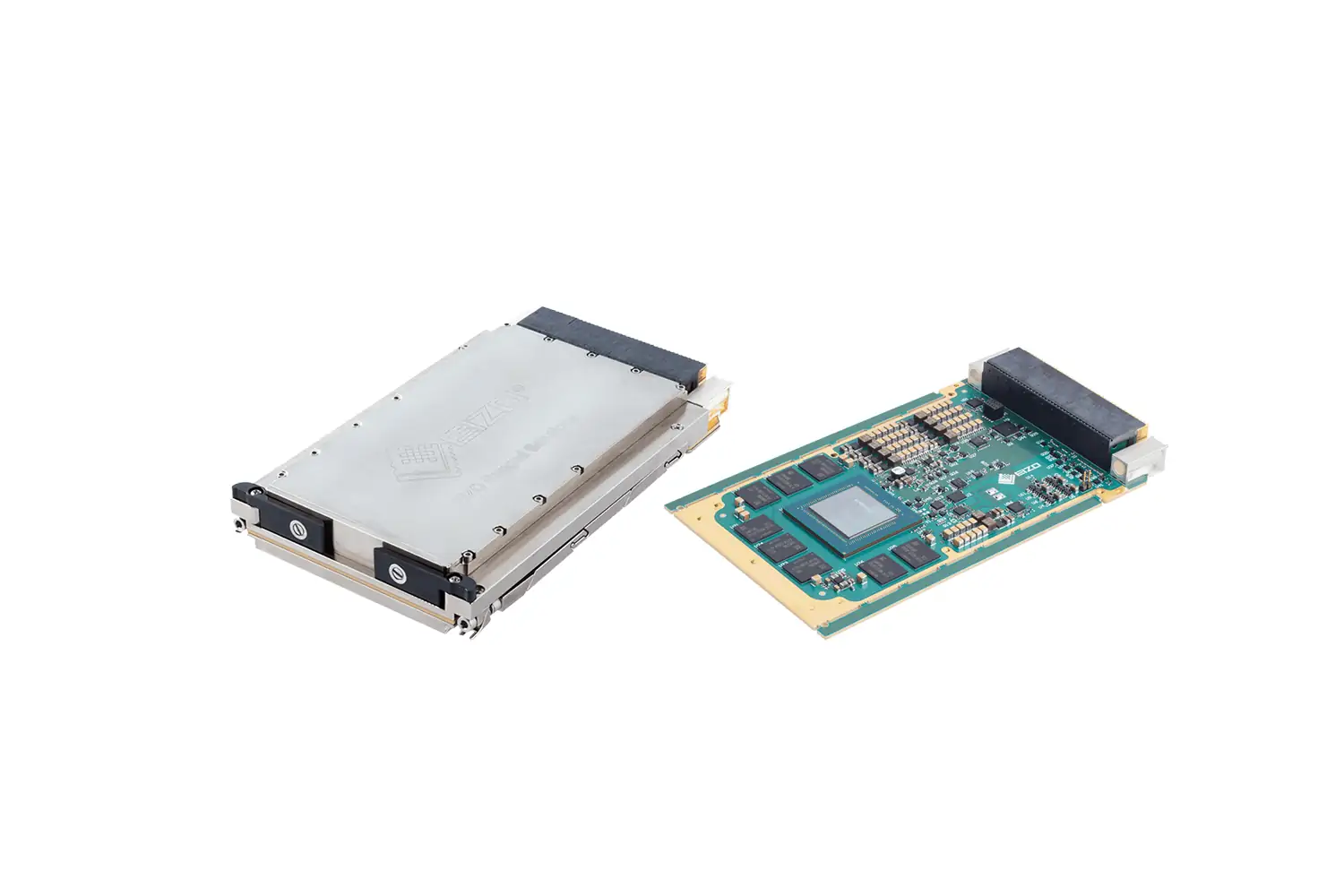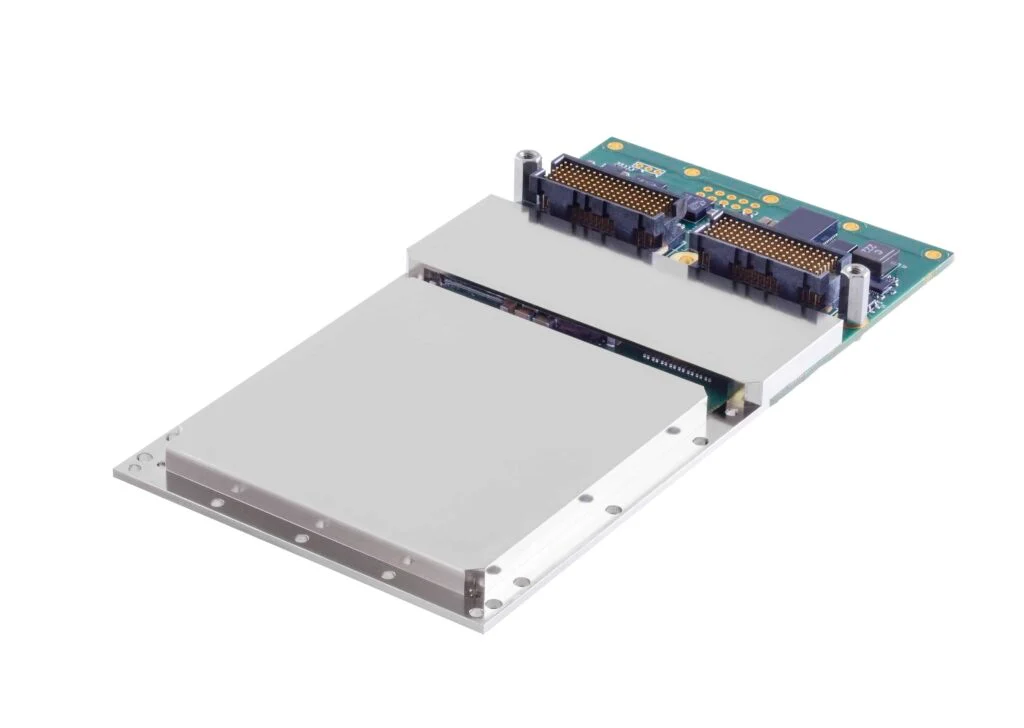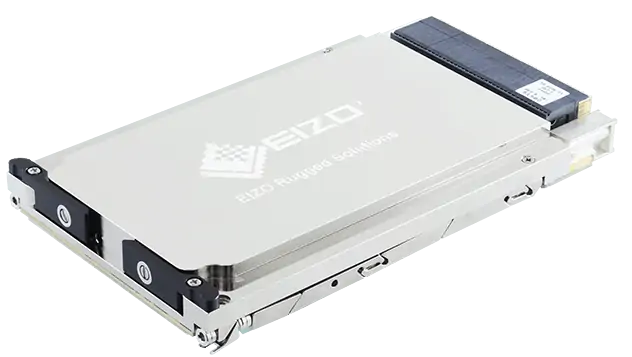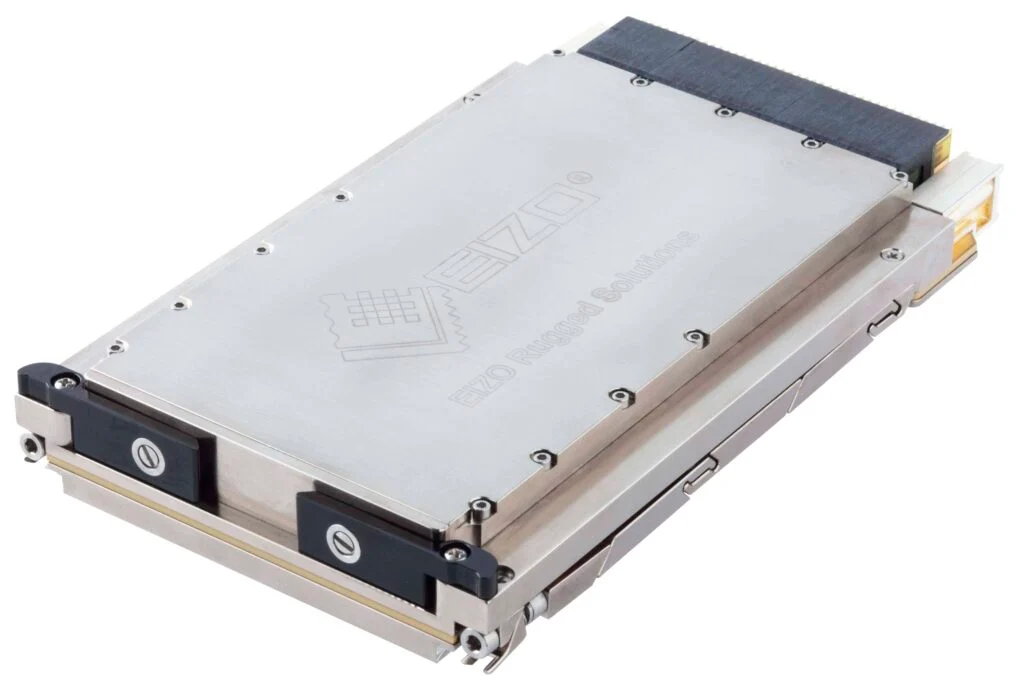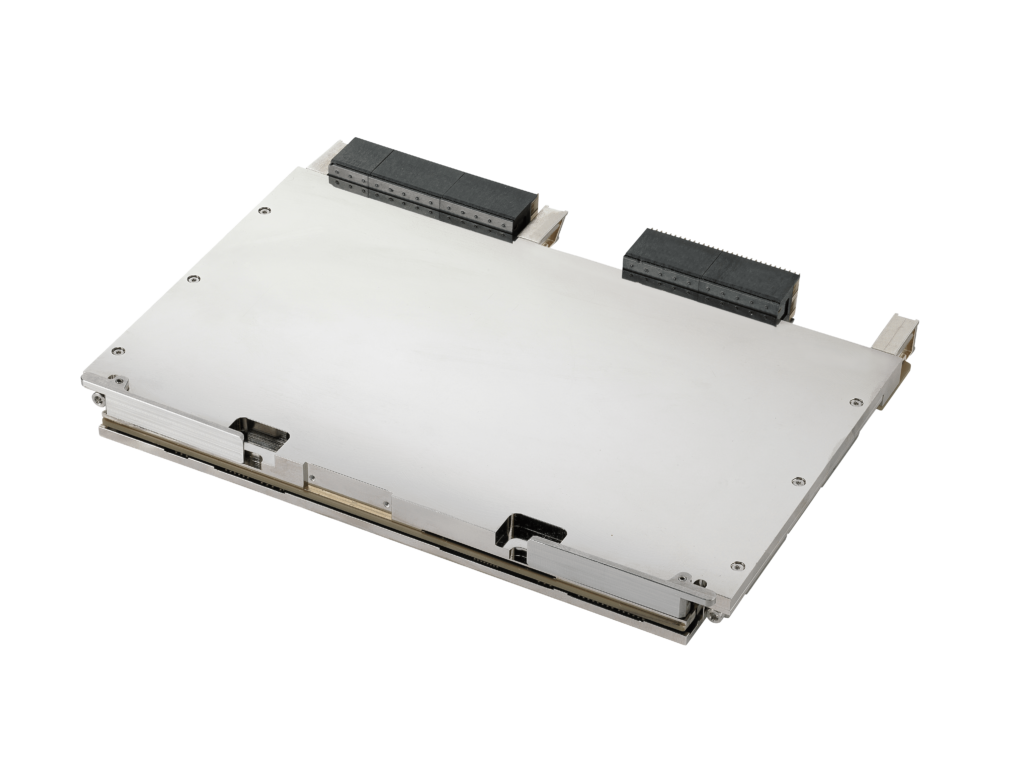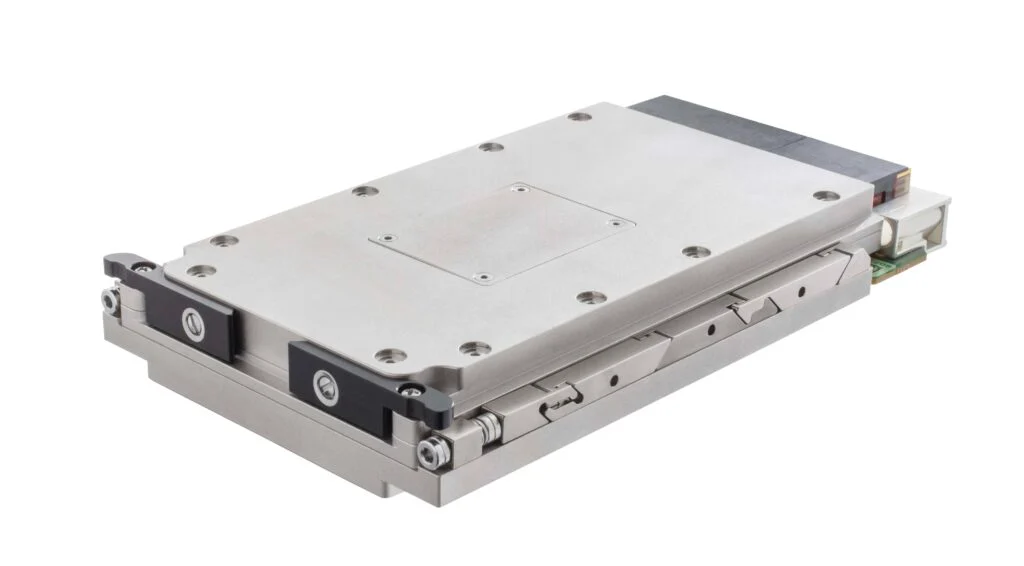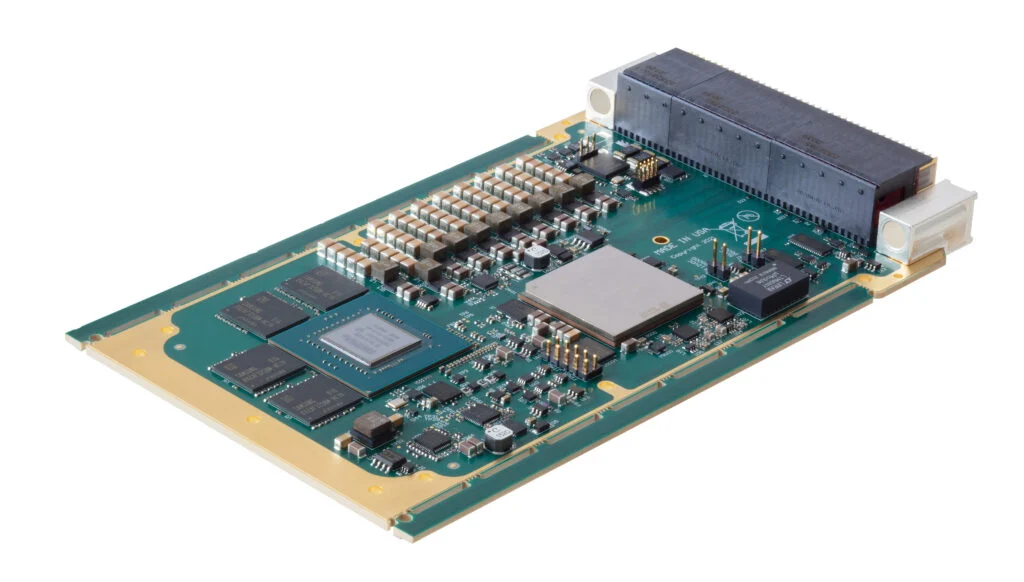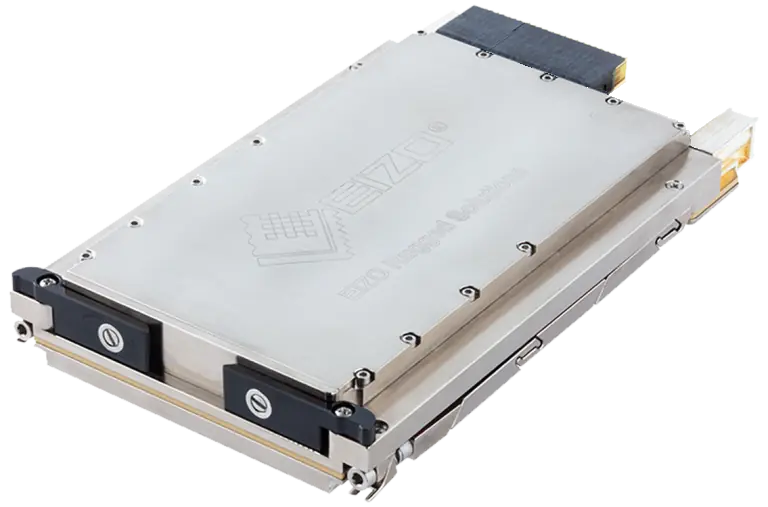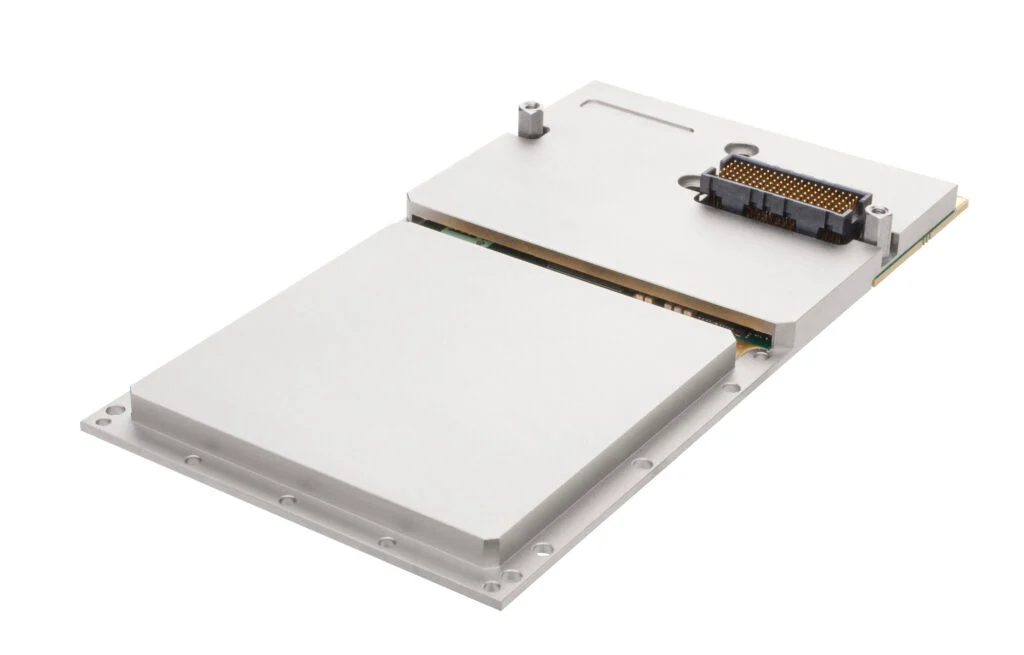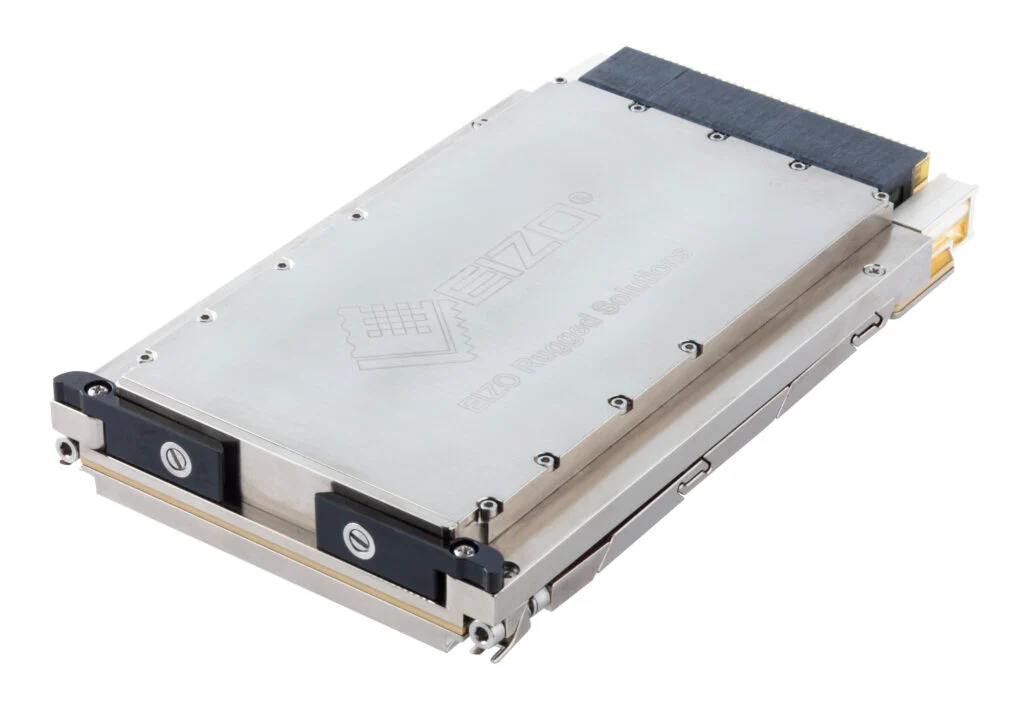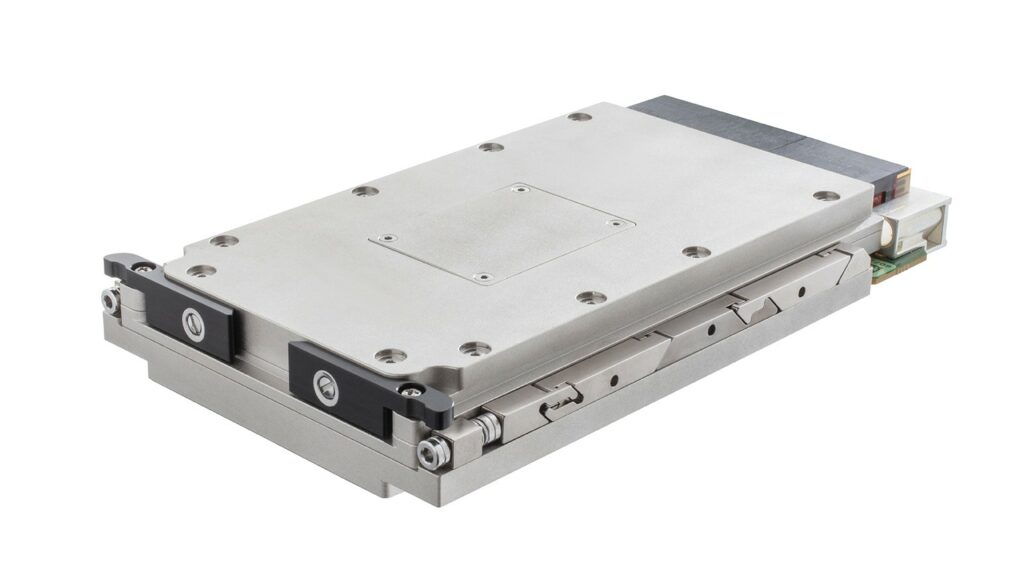

EIZO Rugged Solutions highlights the benefits of utilizing a 3U VPX Single Board Computer (SBC) paired with a System on Module (SoM) for high-performance mission systems, as opposed to a dual-card setup that incorporates both an XMC and VPX module.
Understanding System on Chip vs. System on Module
A System on Chip (SoC) is a compact Integrated Circuit (IC) that amalgamates the functions of various components into a single chip, encompassing microprocessors, I/O interfaces, and an array of hardware accelerators.SoCs are engineered for high efficiency, minimal power usage, and a small form factor, making them notably suitable for high-performance embedded computing systems constrained by Size, Weight, and Power (SWaP-C).
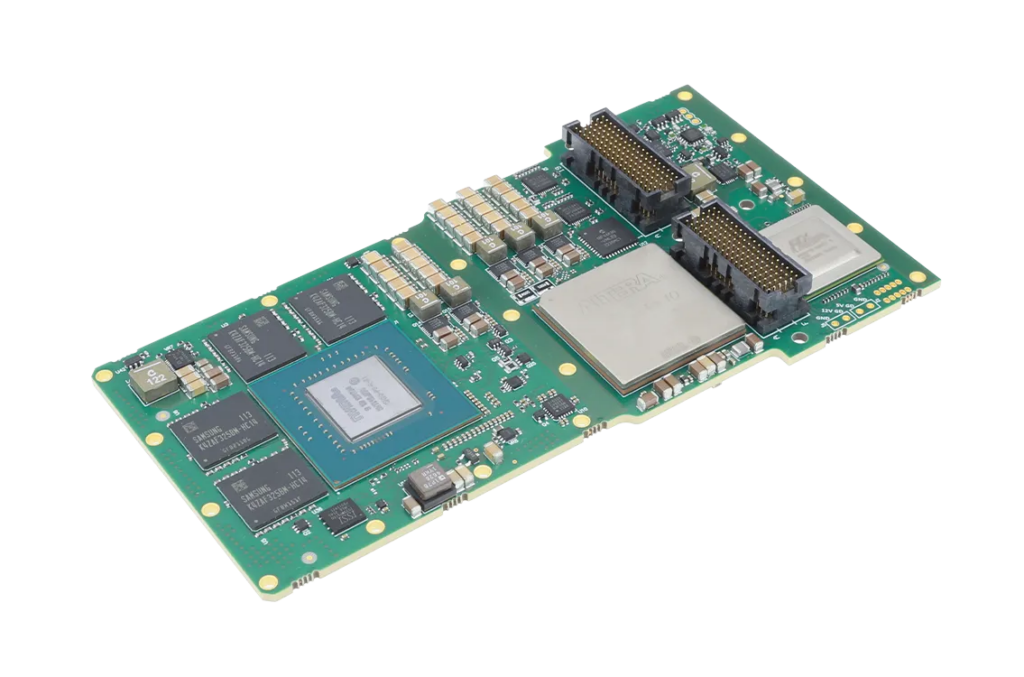
in contrast, a System on Module (SoM) advances this idea by integrating an SoC IC with additional components like memory onto a printed circuit board (PCB), directing all I/O to a high-speed connector. Even though it may have a more limited design footprint compared to a standalone SoC, it simplifies software integration and enhances overall design reliability, as the intricate interconnections are rigorously tested by the chip manufacturer.
Why SoMs are Essential in High-Performance Embedded Computing (HPEC) Systems
The SoMs we emphasize are typically equipped with robust CPUs, GPUs, video encoding/decoding engines, and othre hardware accelerators (such as Tensor Cores) that enhance the efficiency of tasks like data processing, Deep learning (DL), and Vision Acceleration, all while maintaining a compact size.
The advantage of SoMs lies in their all-in-one design, which facilitates better optimization through shared buses and allows for the seamless integration of security features, crucial for safeguarding sensitive information and preventing unauthorized access. This is particularly vital for SWaP-C-constrained HPEC systems, where rapid processing is critical for system control, feedback, and decision-making.
Minimized Latency & Enhanced bandwidth
SoMs incorporate a shared memory controller that connects their various components, substantially reducing unnecessary memory transfers that can bottleneck performance in dual-card configurations reliant on separate memory systems.
As an example, dual-card setups featuring GPU XMC and SBC VPX modules necessitate data transfers between the cards via a PCIe fabric. This discrete memory transfer between each device’s memory banks must be meticulously managed by the CPU, leading to bandwidth limitations and hindering designers’ efforts to optimize operations and meet performance targets.
Additional benefits of employing a 3U VPX Single Board Computer (SBC) with an SoC over a dual-card configuration with XMC and VPX modules include:
Compact Size, Weight, and Power (SWaP): A 3U VPX single board computer with an SoC consolidates the functions of multiple cards into a single, streamlined solution. this significantly reduces the SWaP footprint of the overall system, making it ideal for applications that demand low SWaP processing capabilities.
Superior Performance: SoMs deliver greater performance per watt compared to XMC and VPX modules, thanks to their integrated hardware accelerators and shared memory architecture.
Enhanced Reliability: A single-board computer with an SoM is less susceptible to hardware malfunctions then a dual-card solution, as it eliminates multiple inter-card connections, which can serve as potential failure points.
Simplified Integration: A 3U VPX single board computer with an SoM streamlines system integration, requiring fewer cards and components at the installation site. This also alleviates long-term maintenance challenges, as a single source provides the complete solution.
Spotlight on the NVIDIA jetson AGX orin
The NVIDIA Jetson AGX Orin SoM is equipped with an NVIDIA Ampere GPU featuring 2048 CUDA cores and 64 Tensor Cores. This architecture offers up to 275 TOPS (trillion operations per second) of AI performance, facilitating real-time inference for AI applications. The Jetson AGX Orin SoC includes twelve Arm Cortex-A78AE CPUs tailored for high-performance embedded tasks. This high-bandwidth memory allows for efficient data transfer among the CPU, GPU, and other processing units.
Beyond the GPU, the jetson AGX Orin SoM incorporates dedicated AI accelerators, including two NVDLA engines and two vision accelerators, which facilitate the efficient execution of deep learning models and other AI tasks. The SoM also supports hardware-accelerated video encoding and decoding, compatible with H.265 (HEVC) and H.264 (AVC) codecs,enabling effective video processing for applications in surveillance,sensor management,and autonomous vehicles. Connectivity options include PCIe Gen4, Gigabit Ethernet, USB 3.2, and 10 GbE, ensuring high-speed data transfer and interaction with other system devices.
the NVIDIA Jetson AGX Orin SoM stands out as a powerful and efficient solution for AI and deep learning applications, boasting advanced GPU and CPU capabilities, high-bandwidth memory, dedicated AI accelerators, and a diverse array of connectivity options.
EIZO’s Advanced 3U VPX SBC Featuring NVIDIA Jetson AGX Orin
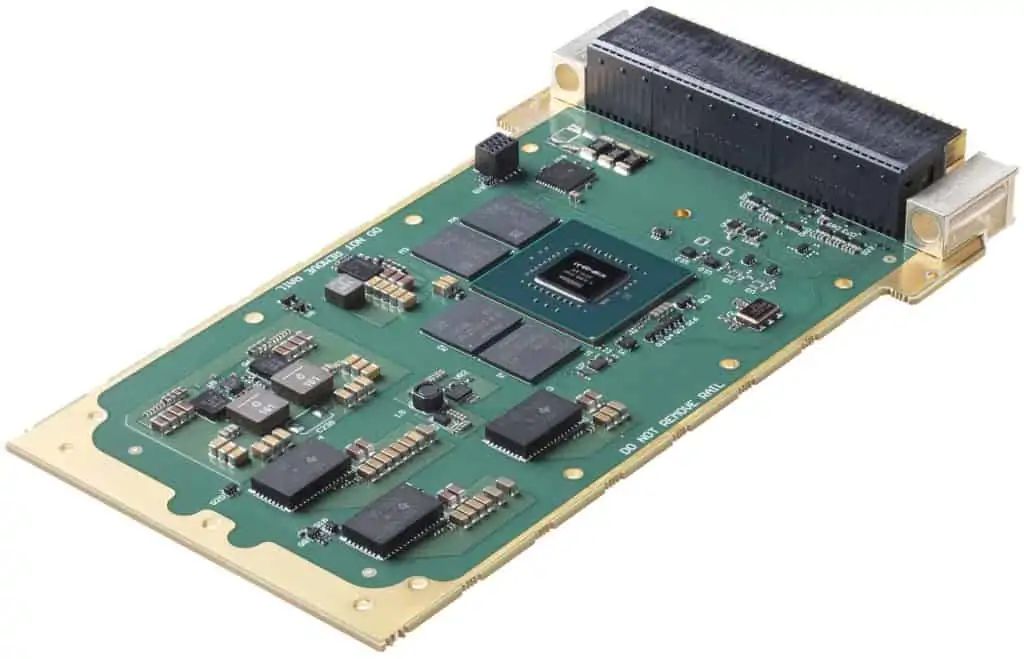
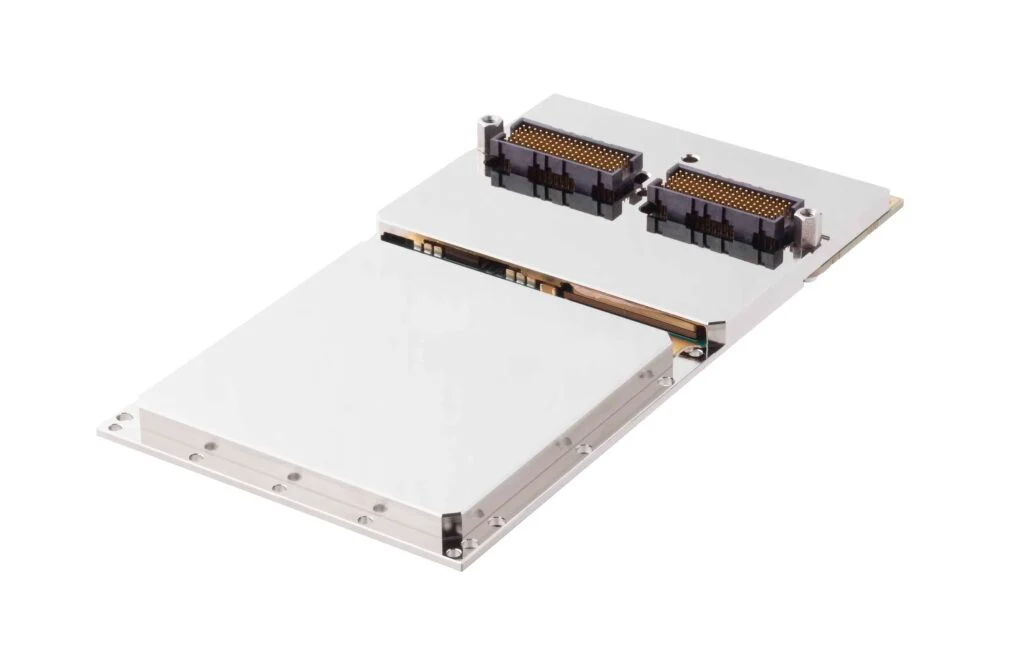
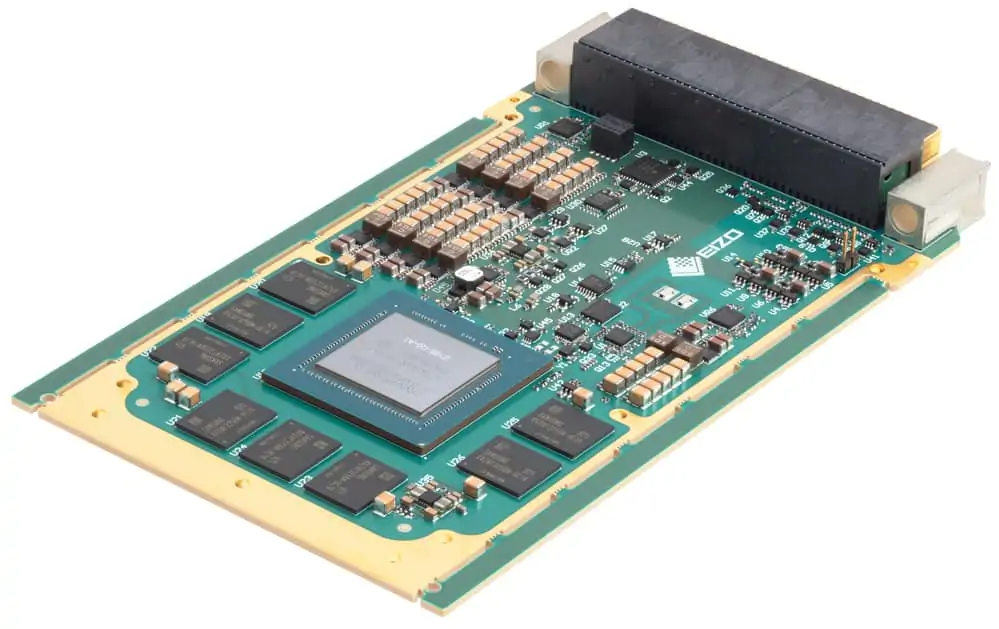
Designed for I/O-intensive C5ISR applications that require edge computing, EIZO has introduced the Condor AGX-IOX, a 3U VPX SBC tailored for rugged embedded processing tasks such as multi-sensor mission systems. The Condor AGX-IOX accommodates up to 64GB of LPDDR5 memory, providing a remarkable 205GB/s of memory bandwidth.
This 3U VPX SBC also boasts advanced storage and networking features, including 64GB eMMC internal storage and 10GbE (Gigabit Ethernet), along with high-speed I/O options like USB 3.2, DisplayPort, and RS-232 Serial. The condor AGX-IOX is designed to comply with VITA 46/65 and the Sensor open System Architecture (SOSA) technical standards, specifically slot profile 14.2.16.
This solution offers customers reduced Size, Weight, and power (SWaP) while enhancing performance per watt through the ARM CPU and NVIDIA GPU integrated on a single module.with a maximum power consumption of 60 Watts in a single-slot configuration, the Condor AGX-IOX 3U VPX card significantly boosts the speed and efficiency of data processing in multi-sensor systems, enabling real-time detection and analysis of incoming signals and data.
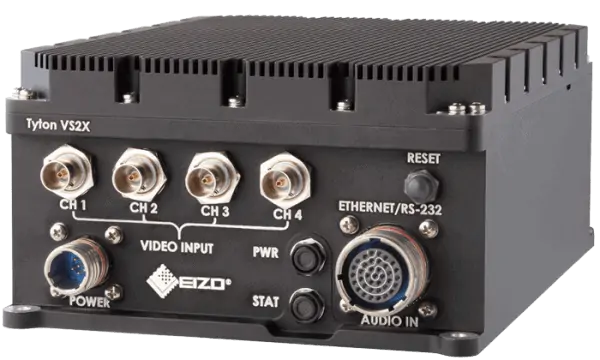
EIZO Rugged Solutions specializes in designing and manufacturing ruggedized High-Performance Embedded Computing (HPEC) hardware featuring NVIDIA Jetson modules. These solutions are aimed at compute-intensive edge processing applications, including Signal Intelligence (SIGINT), Electronic Warfare (EW), Mission Computing, and other embedded edge C5ISR tasks. The processing modules utilized in HPEC applications are engineered to manage significant data volumes and execute complex computations in real-time,facilitating rapid decision-making and effective operations.