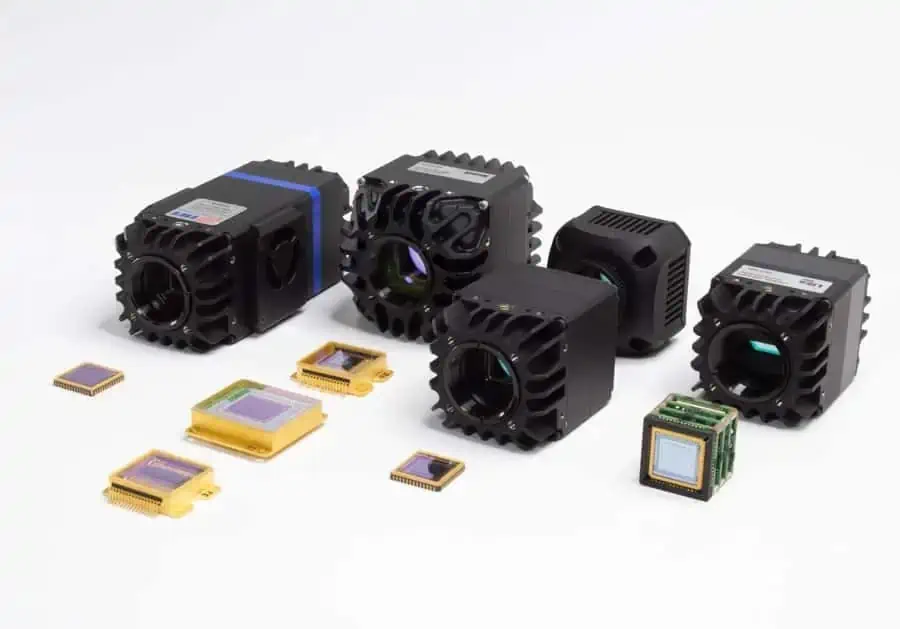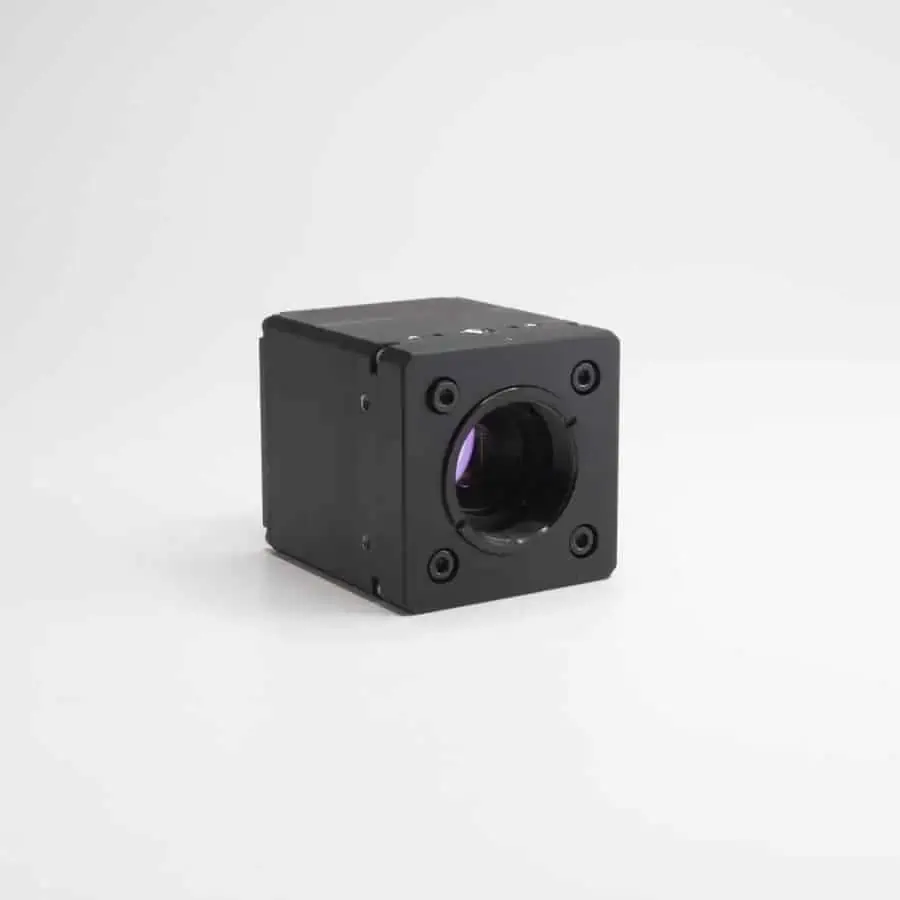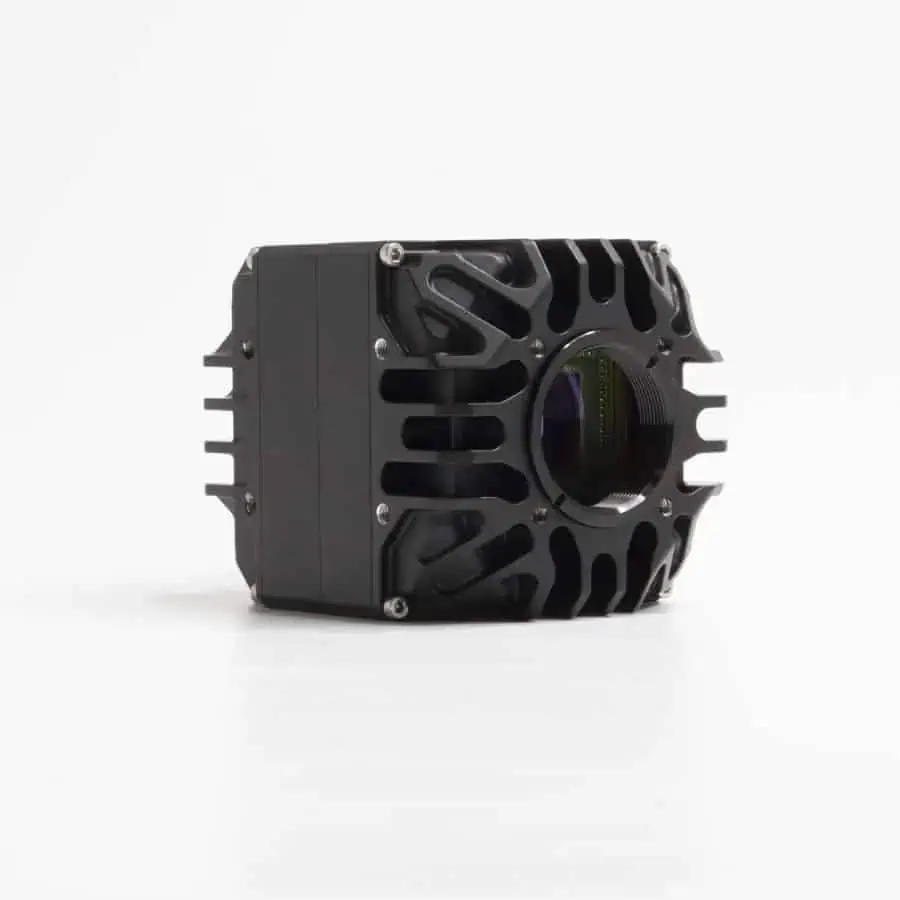


Voyis aims to create underwater visuals that eliminate the distortions caused by the aquatic environment. The objective is to capture images that reflect colors as they would appear in the air, allowing explorers to see the authentic hues of underwater objects and reveal details that conventional cameras might miss.
In this initial segment of the ‘Color Imaging Series,’ Voyis explores the implementation of color correction technology and the creation of high-quality imaging solutions tailored for various unmanned applications.
Understanding Underwater Color Absorption
To tackle the issues surrounding underwater color correction, it’s essential to first grasp the underlying challenges. Human color perception relies on how various light wavelengths (color channels) reflect off surfaces and reach our eyes. In air, these color channels (red, green, blue) are absorbed in a balanced manner. As an example, a wooden ship appears brown because it predominantly reflects red and green wavelengths.
However, in water, red wavelengths are absorbed more substantially, altering the perceived color of submerged objects like shipwrecks. Conventional cameras fail to account for this underwater color shift, as thier color formation models do not consider the strong wavelength dependency of light in aquatic environments.
Thus, our aim is to generate underwater images that accurately reflect colors as they would be seen in air. This allows explorers to visualize the true colors of underwater assets and discover details that standard cameras often overlook.
Another important challenge for a high-quality color correction solution is maintaining consistency. A dataset for photogrammetry must have features that align across images taken from various angles and times. Each perspective will show variations in perceived color due to distance and changes in lighting as the artificial light source shifts.Thus, a solution must effectively balance color reproduction and consistency across images.
Access the complete white paper on Voyis’ website >>
Innovative Solutions for Color Correction
To solve this intricate issue, Voyis has crafted a survey-grade imaging solution that caters to a variety of applications. By utilizing machine learning, the system efficiently trains a color correction model tailored to the specific survey environment.
The initial step involves gathering raw still images,which capture unaltered data before the camera applies its air-based color formation model.
With the Voyis imaging system, once a dataset is compiled in a new setting, it can be processed through the ViewLS Data Module software to develop a correction model.This model can be saved and applied to correct the current dataset or loaded onto the imaging system for real-time adjustments in similar environments.
While real-time correction is often preferred, users can also utilize the raw images during post-processing to enhance the results further.
The outcome is a highly effective adjustment of an image’s color channels, ensuring that sequential images maintain consistency in both illumination and color through a generalized model.
This correction process is illustrated in the accompanying image set. The initial monochrome image is first undistorted and then corrected to reveal its true color using the correction model.
As the images have been consistently corrected to eliminate all effects of the water medium—color, lighting, and distortions—the resulting dataset can be directly utilized in terrestrial photogrammetry software.This enables the creation of impressive wide-area image maps (orthomosaics) and 3D models. The model below was generated in Pix4D software by simply inputting a set of images collected from two passes over the wreck.
When comparing color reproduction against standard color charts,a significant enhancement is evident over cameras using conventional image color formation. The comparison below illustrates a color chart captured at a distance of 3 meters in clear coastal waters, using a standard GoPro camera versus the voyis Observer Micro.
Access the complete white paper on Voyis’ website >>