


Transforming UAV Operations: The Impact of Precision Landing Technology
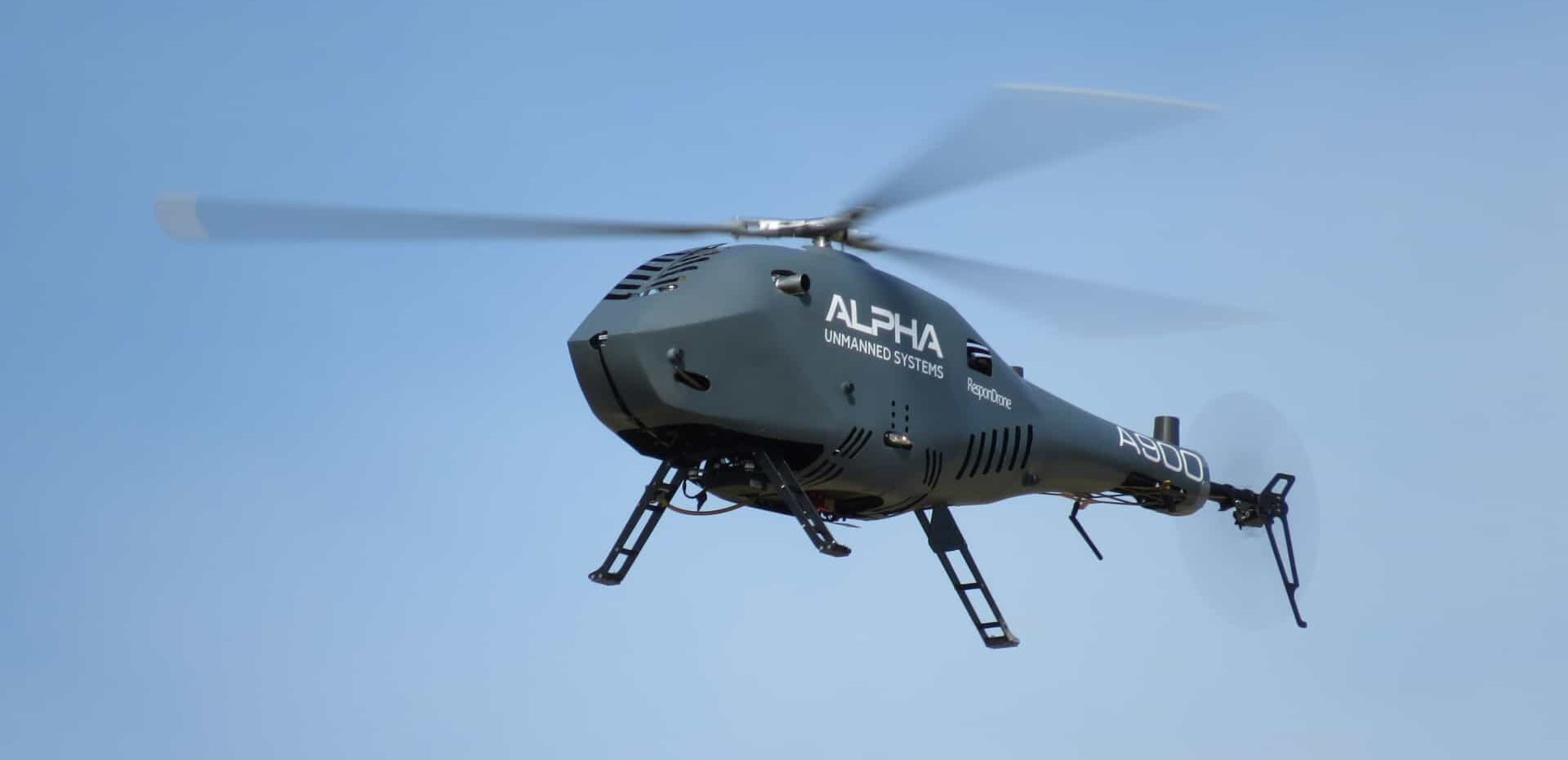
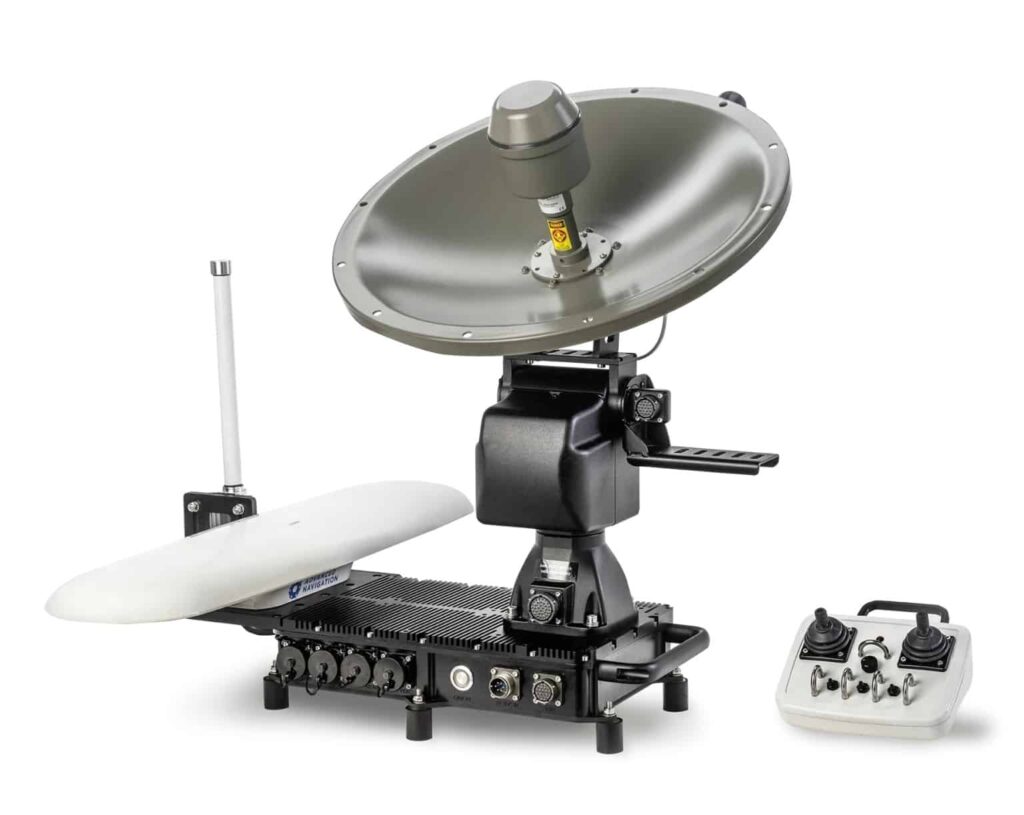
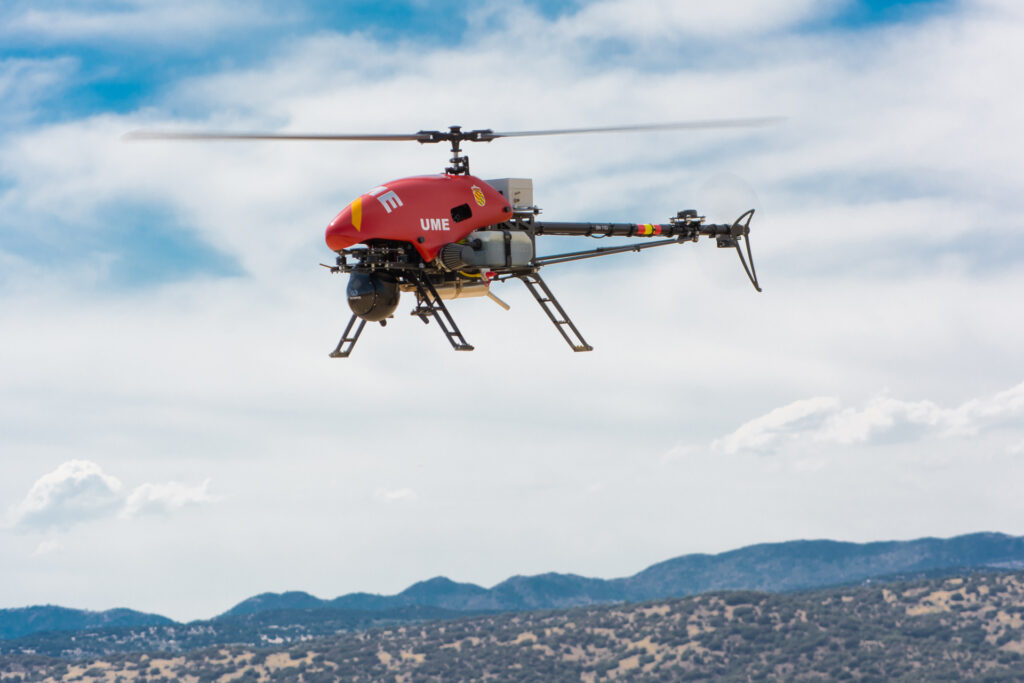
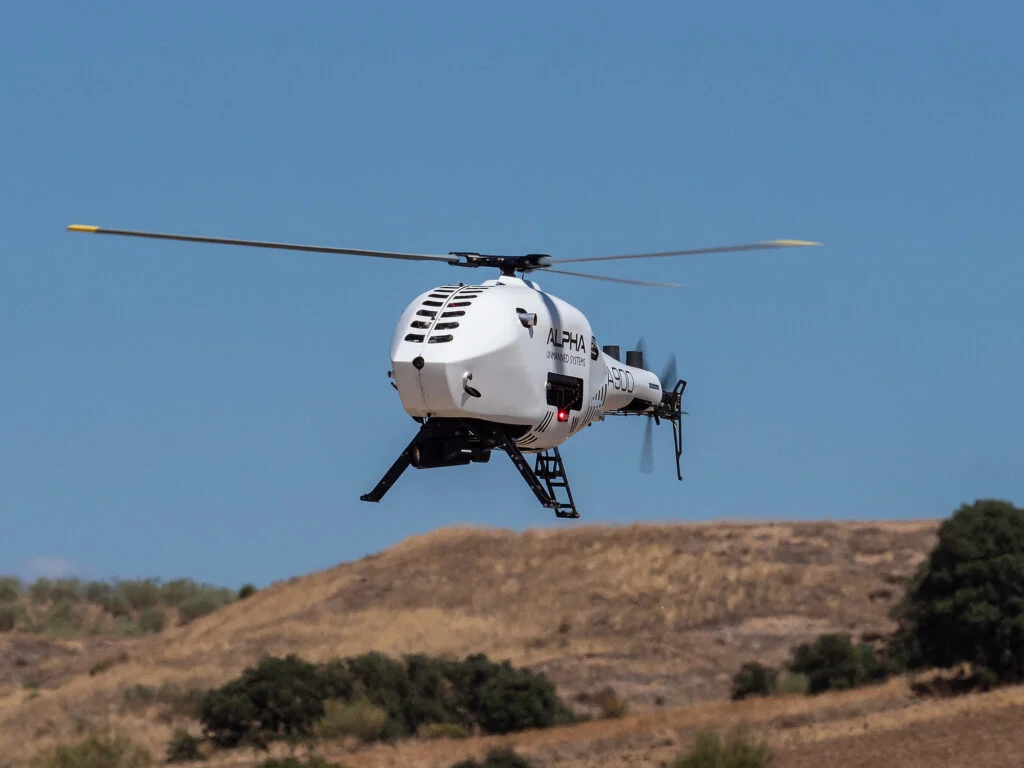
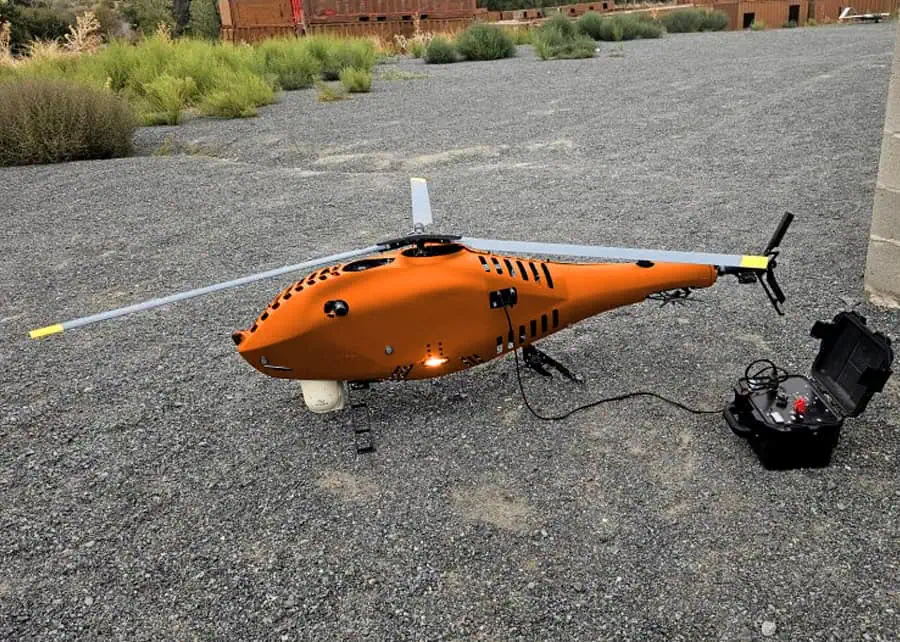
Precision landing technology is reshaping the landscape of UAV operations, particularly in remote and challenging-to-access locations. Innovations such as the HEIFU drone and ALPHA Landing Base enable drones to autonomously land and recharge, significantly reducing the need for human intervention and operational expenses, making them perfect for ongoing, low-maintenance missions.
The Evolution of UAV autonomy
The advent of precision landing is a game-changer for UAV operations, especially in areas were human presence is scarce. Cutting-edge technologies, including the HEIFU drone and ALPHA Landing Base, empower drones to autonomously navigate, land, and recharge. This autonomy not only cuts costs but also enhances the operational range while decreasing the necessity for on-site management.
Technological Innovations Driving Precision Landing
Utilizing advanced technologies such as computer vision, GPS, and pattern recognition, drones can execute precise landings even under challenging conditions like strong winds or poor visibility. The integration of solar-powered charging stations further boosts their independence, enabling UAVs to carry out essential tasks continuously in isolated regions.
Future Prospects for precision Landing
What lies ahead for precision landing technology? This article explores upcoming advancements, including solutions for GNSS inaccuracies, refining vision-based techniques for low-visibility scenarios, and incorporating machine learning to enhance adaptability. These innovations are set to make UAV systems more efficient, reliable, and self-sufficient.
Exploring the Frontiers of Autonomous Operations
Curious about how drones are redefining the limits of autonomous operations? delve deeper into precision landing technology and its implications for sectors such as agriculture, surveying, and emergency response.
for a complete understanding, read the full article.