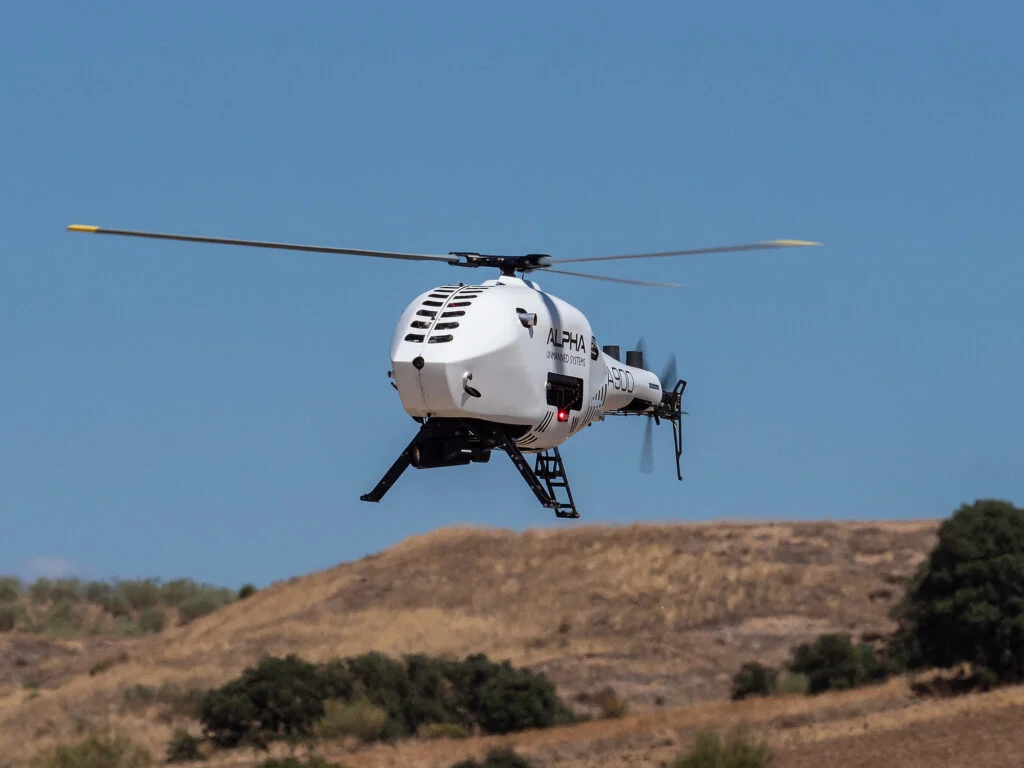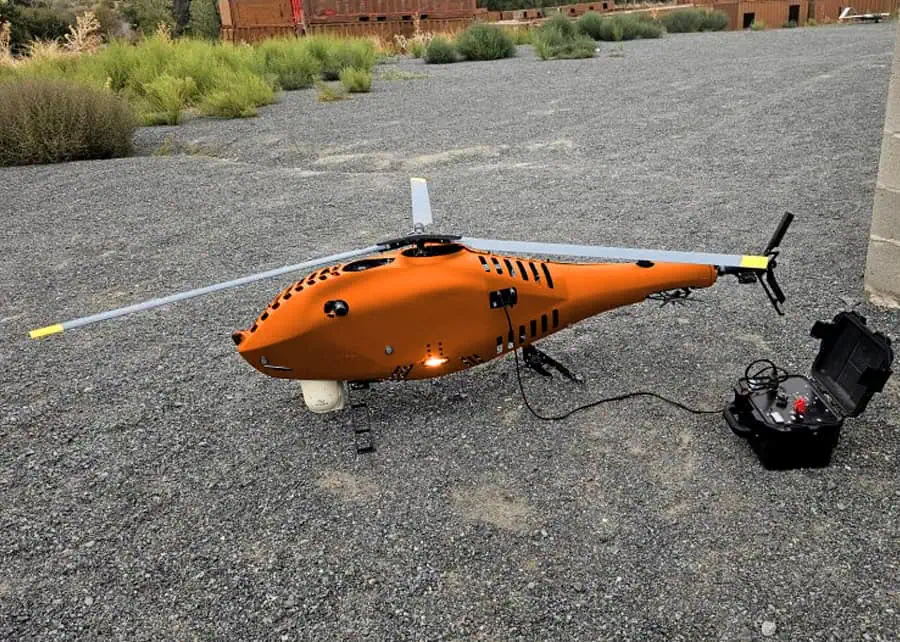



HD Air Studio specializes in creating tailored drone gimbal stabilizers to meet the unique demands of industrial aerial inspections.
VulcanUAV has utilized HD Air Studio’s gimbals across multiple initiatives. Initially, they employed standard, commercially available gimbals that were compatible with various cameras. The first bespoke gimbal commissioned by VulcanUAV was a two-axis unit mounted at the front, specifically designed to accommodate a Teledyne FLIR gas detection camera.
Case Study: Inspection of Wind Turbines
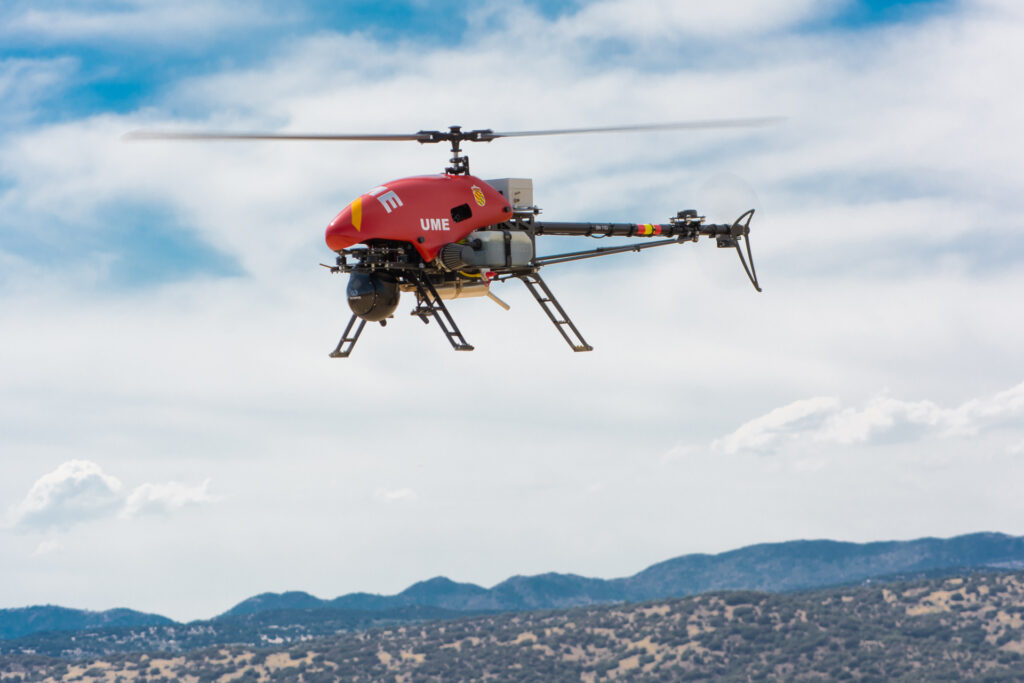
VulcanUAV partnered with HD Air Studio to create a custom 2-axis front-mounted gimbal stabilizer for a Canon 5D camera, intended for a specialized drone developed in-house for Perceptual Robotics’ Dhalion autonomous wind turbine inspection system.
In search of a plug-and-play solution that would integrate smoothly with their API, VulcanUAV collaborated with HD Air Studio to ensure compatibility with their multirotor platform.
The design prioritized a lightweight yet sturdy construction to guarantee optimal image stabilization, even when using longer focal length lenses. The stabilizer was crafted to allow unobstructed access to all components and wiring, facilitating smooth operation.
HD Air Studio also ensured easy access to HDMI and USB ports for VulcanUAV, removing the necessity to detach the gimbal. The gimbal controller was provided in a specialized cover, designed for integration into the drone by VulcanUAV at a later phase of the project.
VulcanUAV remarked, “The custom gimbal from HD Air studio maintains a perfectly stable camera image, even with longer focal length lenses. It demonstrates exceptional resilience in challenging conditions – we mount it on a drone that performs autonomous inspections of turbine blades and structures,both onshore and offshore.”
“The inspection system must achieve an image resolution of 3 pixels per millimeter without requiring the aircraft to approach the turbine blades closely. At this resolution, any camera movement during the shot can result in focus issues, which are unacceptable for detailed inspections. The reliability of this camera stabilizer is crucial for our operational success.”
Read the original article >>