

Discover how a groundbreaking initiative in Australia’s Daintree Rainforest employs RIEGL LiDAR technology and unmanned aerial vehicles (UAVs) to analyze forest structure and monitor microclimates, providing crucial insights into the role of forests in mitigating climate change impacts.Learn more > >
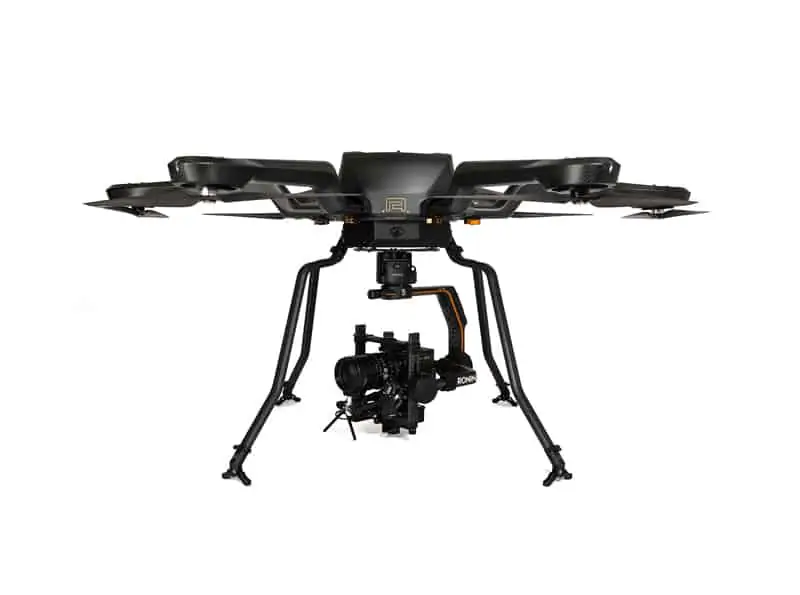
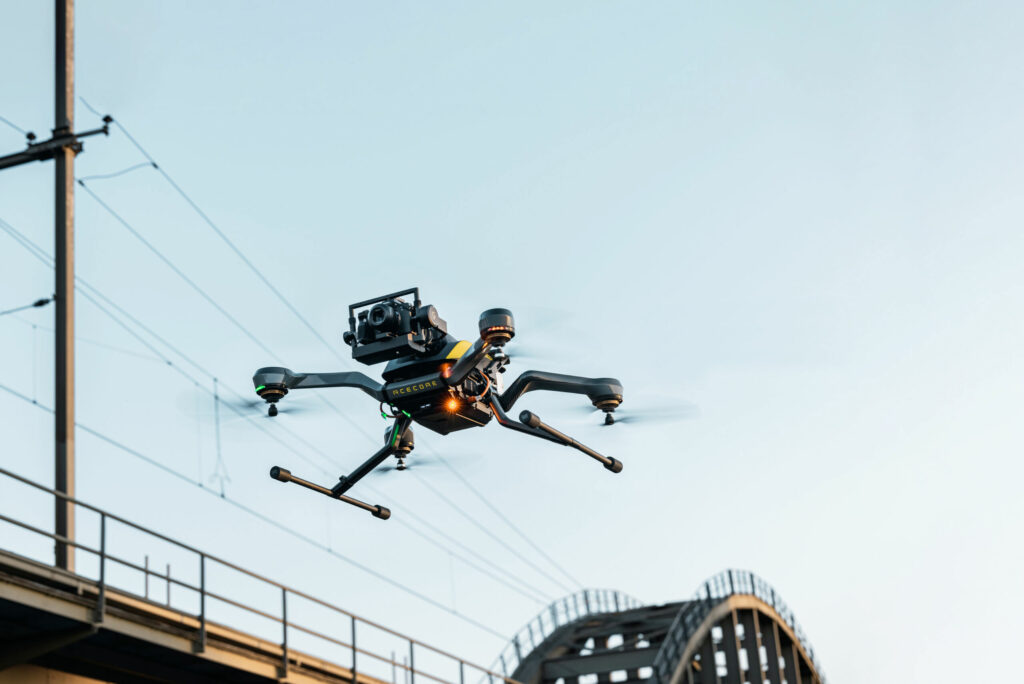
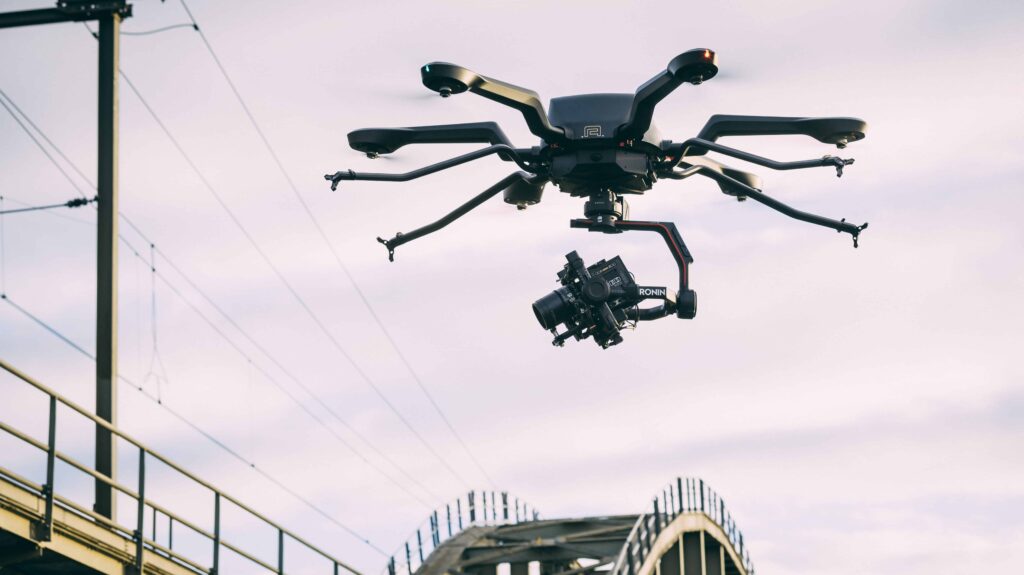
UAV equipped wiht RIEGL VUX-120 scanner.
Initiated by the Q-ForestLab team from Ghent University, this project adopts a comprehensive approach that integrates terrestrial, UAV-based, and airborne LiDAR technologies to assess how forest structure influences microclimate regulation and biomass dynamics.
Running from june to September 2024, the study concentrated on 16 rainforest plots located in North Queensland’s Wet Tropics, including the ancient and ecologically rich Daintree Rainforest. These plots are part of the Queensland Permanent Rainforest Plots (QPRP) network, serving as vital sites for long-term ecological research. The initiative received support from TERN, CSIRO, and Sylvera, with a special focus on the Daintree Rainforest Observatory, which features a canopy crane and experimental drought plots.
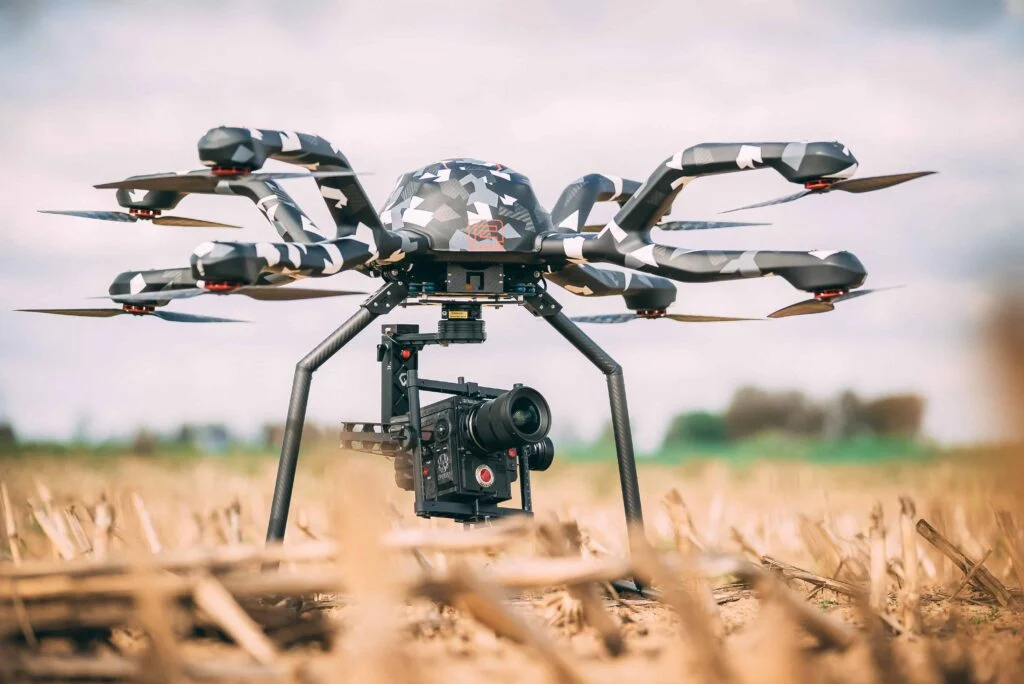
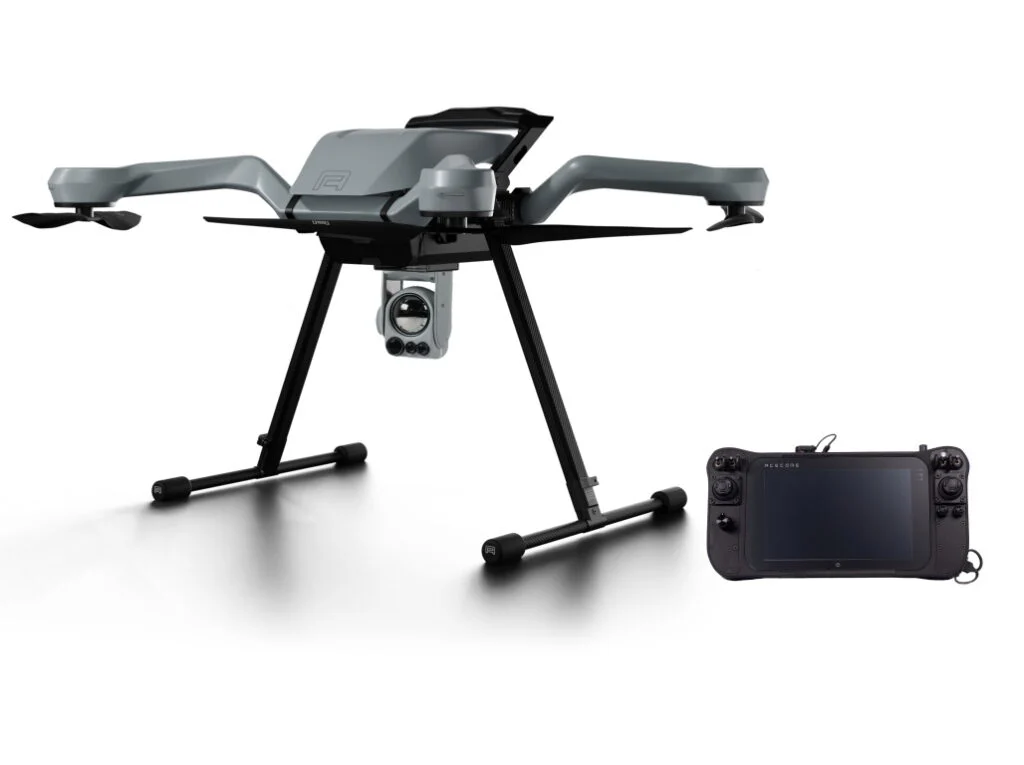
To gather intricate 3D structural data, the research team utilized three RIEGL LiDAR systems. Terrestrial Laser Scanning (TLS) with the VZ-400i was conducted across all 16 plots, yielding high-resolution data from ground level. UAV-based Laser Scanning (ULS) was carried out using the lightweight RIEGL VUX-120 sensor mounted on the Acecore NOA drone, capturing detailed vertical structures of the canopy and trunks. Airborne Laser Scanning (ALS), also employing the VUX-120, was performed from a helicopter to map the expansive 65,000-hectare landscape.
Together, 190 microclimate sensors were deployed across the plots to record temperature and humidity on an hourly basis.this dense dataset offers valuable insights into how variations in forest structure affect microclimate regulation, which is essential for understanding forest resilience in the face of climate challenges.
By synthesizing data from TLS, ULS, ALS, and microclimate sensors, the project provides a comprehensive perspective on how tropical forests respond to disturbances and buffer against environmental extremes. It also underscores the critical importance of unmanned systems and remote sensing technologies in enhancing climate science and ecosystem management.
Read the original article.